

Shanghai
Shanghai is a city where contrasting timelines meet at every corner. Once a small fishing village along the Huangpu River, it grew rapidly during the 19th century into a major trading port. Today, its skyline tells a story of that transformation. On one side, the Bund’s colonial-era buildings stand tall in limestone and granite; on the other, the futuristic towers of Pudong, like the Shanghai Tower and Jin Mao, stretch into the clouds.
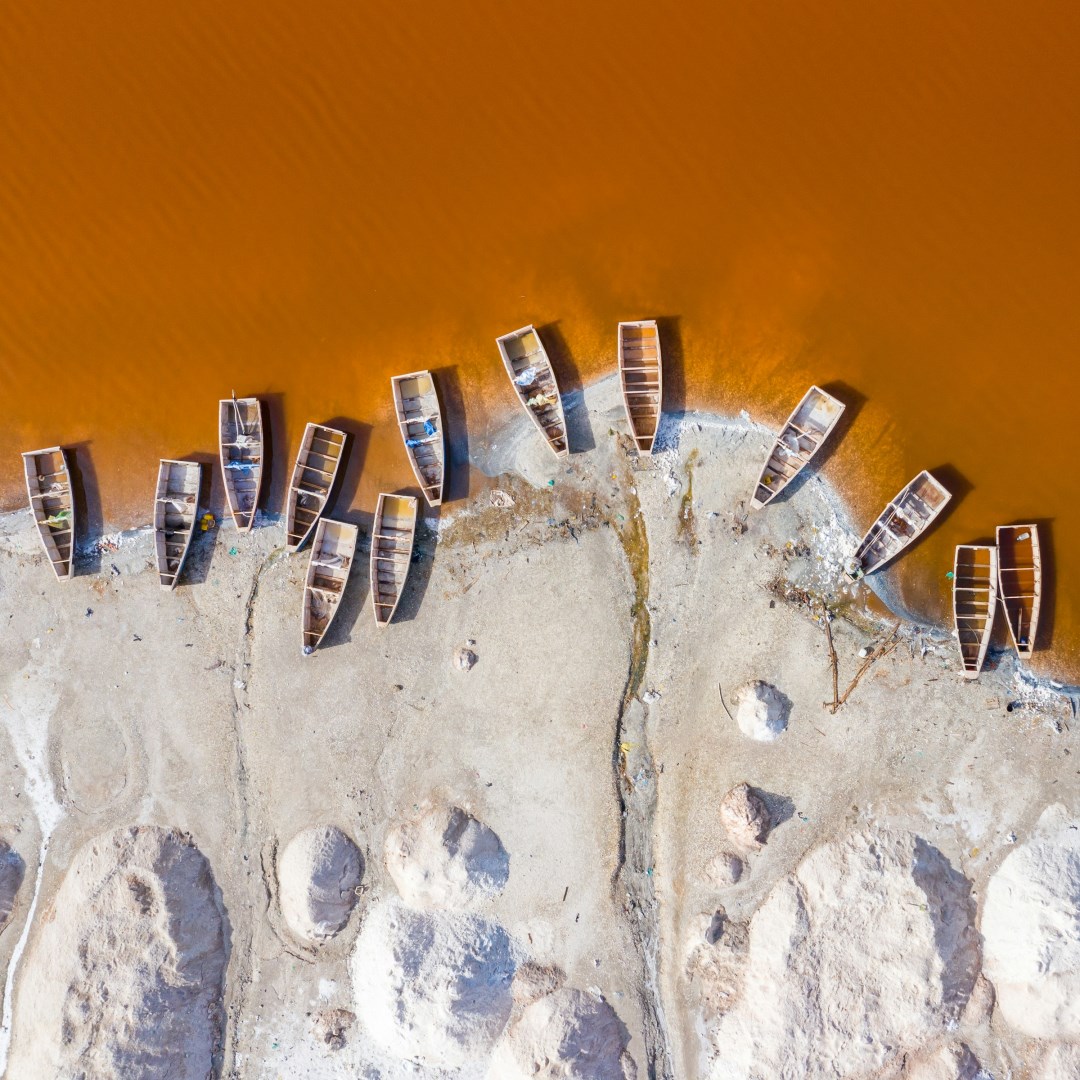
Lake Retba
Lake Retba, also known as Lac Rose, is a shallow salt lake near the Atlantic coast, north of Dakar. Its water is separated from the ocean by a narrow belt of dunes, creating a landscape of pale sand, salt flats, and low scrub. The lake is best known for its high salt concentration, which can produce pink, reddish, or mauve tones under particular conditions of sunlight and water chemistry. Its appearance changes with weather and light rather than remaining one fixed color.

Canary Islands
The Canary Islands, a Spanish archipelago off the northwest coast of Africa, offer far more than just sunshine and beaches. Made up of eight main islands, each with its own personality, the Canaries are a place where lunar landscapes, cloud forests, volcanic peaks, and historic towns coexist within short travel distances. On Tenerife, Mount Teide looms over a landscape of solidified lava and craters that look like a science fiction set.

Cagliari Sardinia
Cagliari is Sardinia's capital and largest city. Several civilizations have left their imprint here architecturally and culturally. Must-sees include the Museo Archeologico Nazionale di Cagliari, with its Roman and Byzantine treasures, as well as Castello, a medieval quarter situated on a hill above the city. The city is also known for its food and vibrant nightlife.
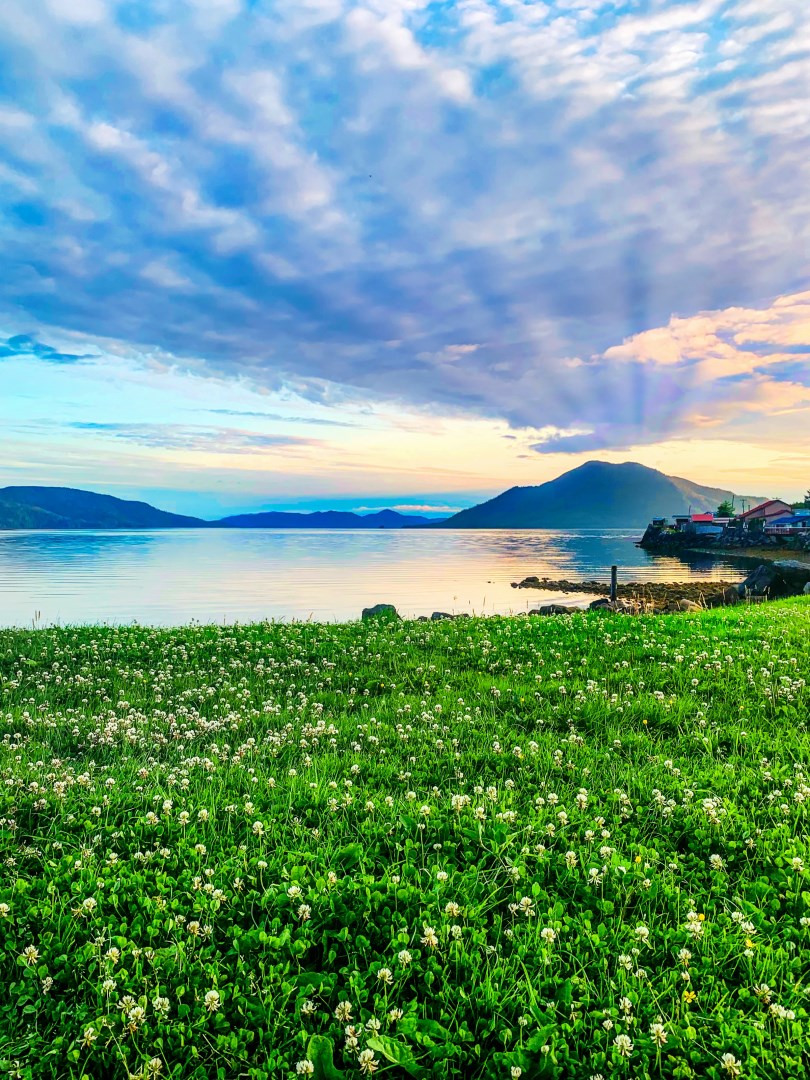
Prince of Wales Island
The island is dominated by a cool and moist maritime climate. During the summers, the average temperatures vary from 45 degrees to 75 degrees F. Yearly precipitation averages from 60" to 200" based on the exact locale.
