
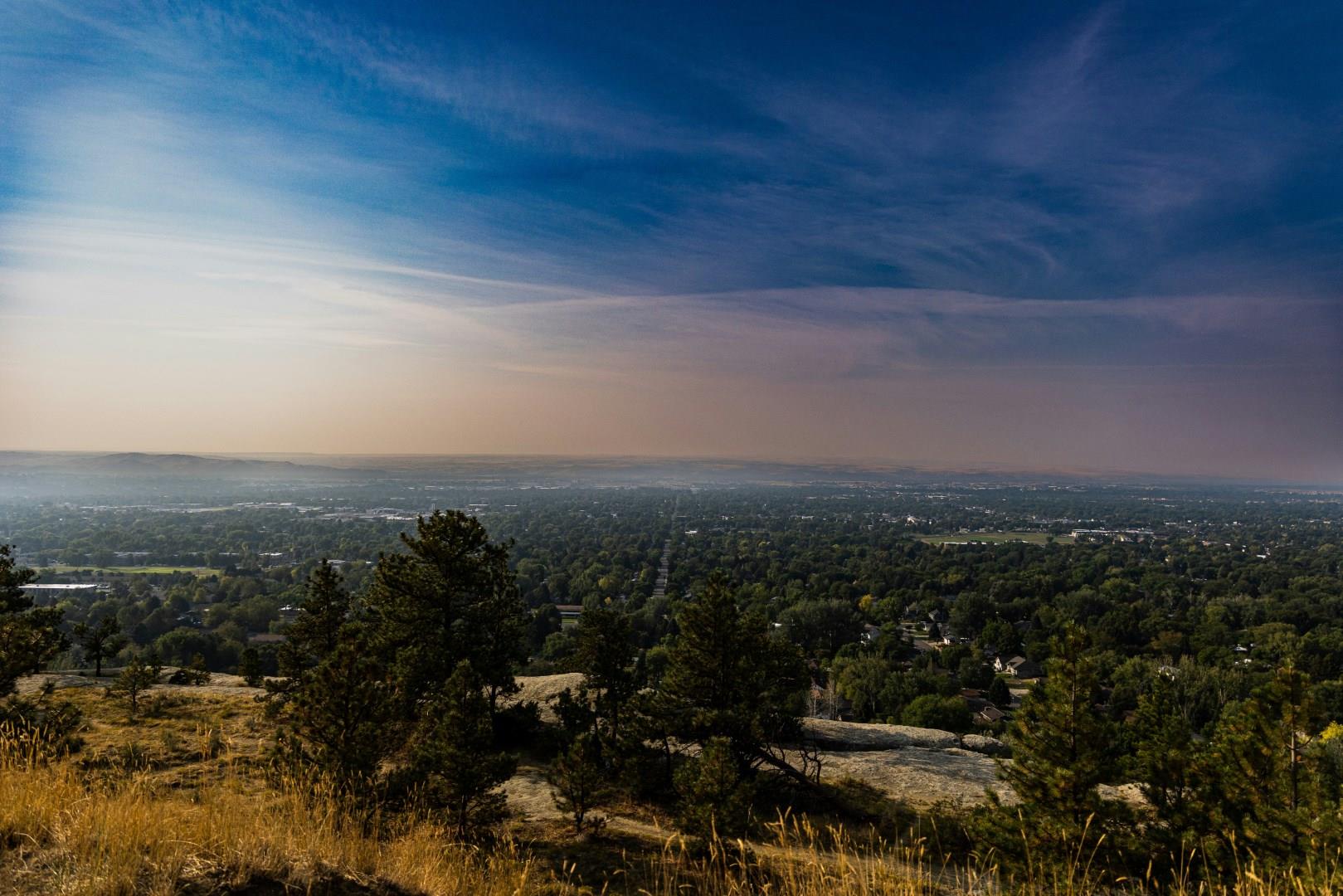
Billings
Billings, Montana sits on the edge of the vast plains and at the base of ancient sandstone cliffs known as the Rimrocks. These formations frame the city and provide miles of scenic overlooks, hiking trails, and even fossil beds. From Swords Park, visitors can walk or bike along the paved trail that follows the rim’s edge, offering sweeping views of downtown, the Yellowstone River, and distant snowcapped peaks.
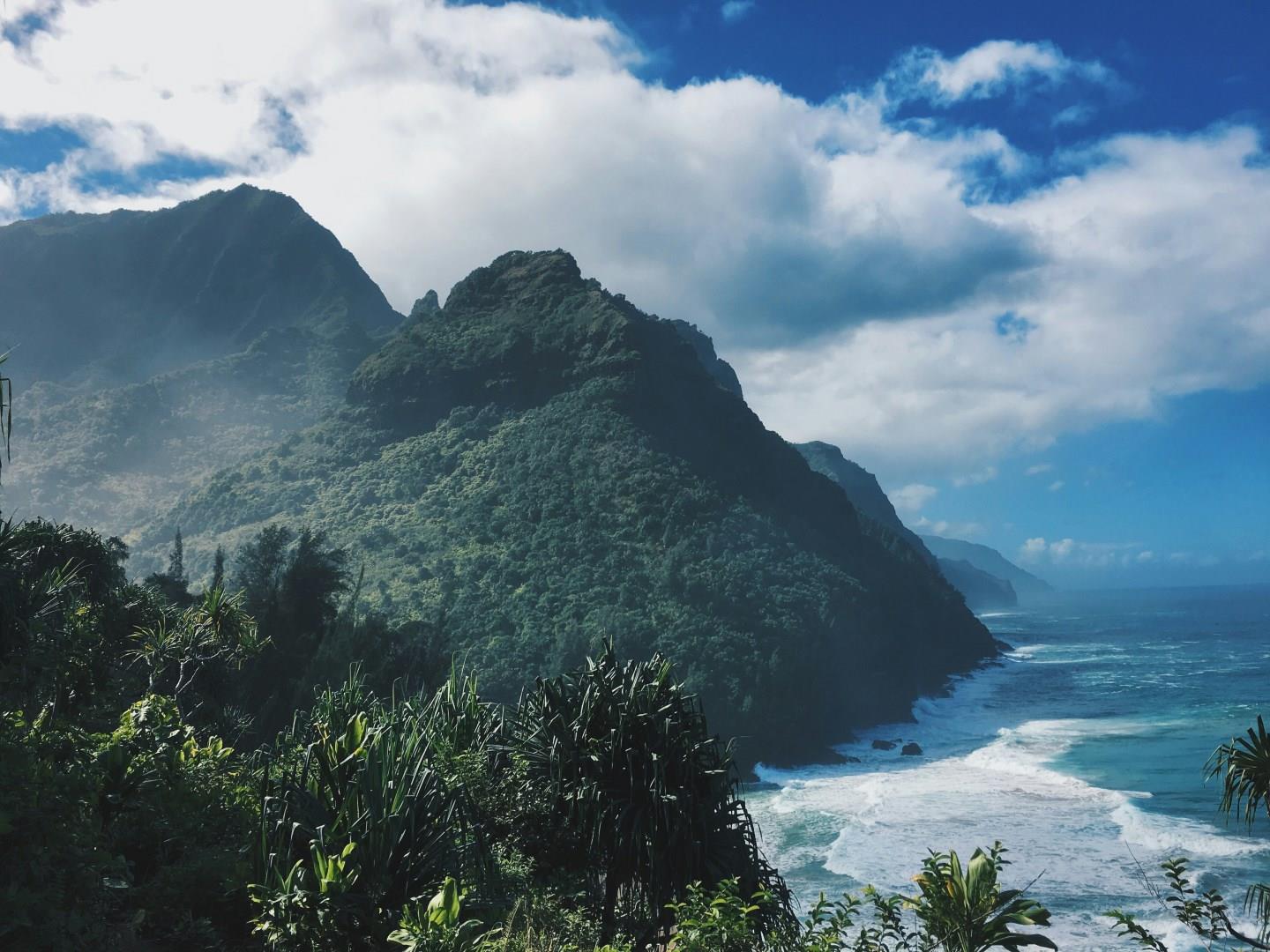
Kapaa, Kauai
Kapaa, a coastal town on the east side of Kauai, offers a laid-back alternative to Hawaii’s more developed resort areas. Despite its small size, Kapaa is one of the most populated towns on the island, making it a central hub for exploring the Coconut Coast, a stretch of shoreline dotted with towering palms and scenic overlooks.

Aqaba
Red Sea beaches, world-class snorkeling and spectacular desert environments are all reasons to visit the port city of Aqaba, Jordan. Take a quick walk from the city's lovely waterfront promenade and behold its Old Town, which features the 14th century Mamluk Fort and the Aqaba Archaeological Museum.
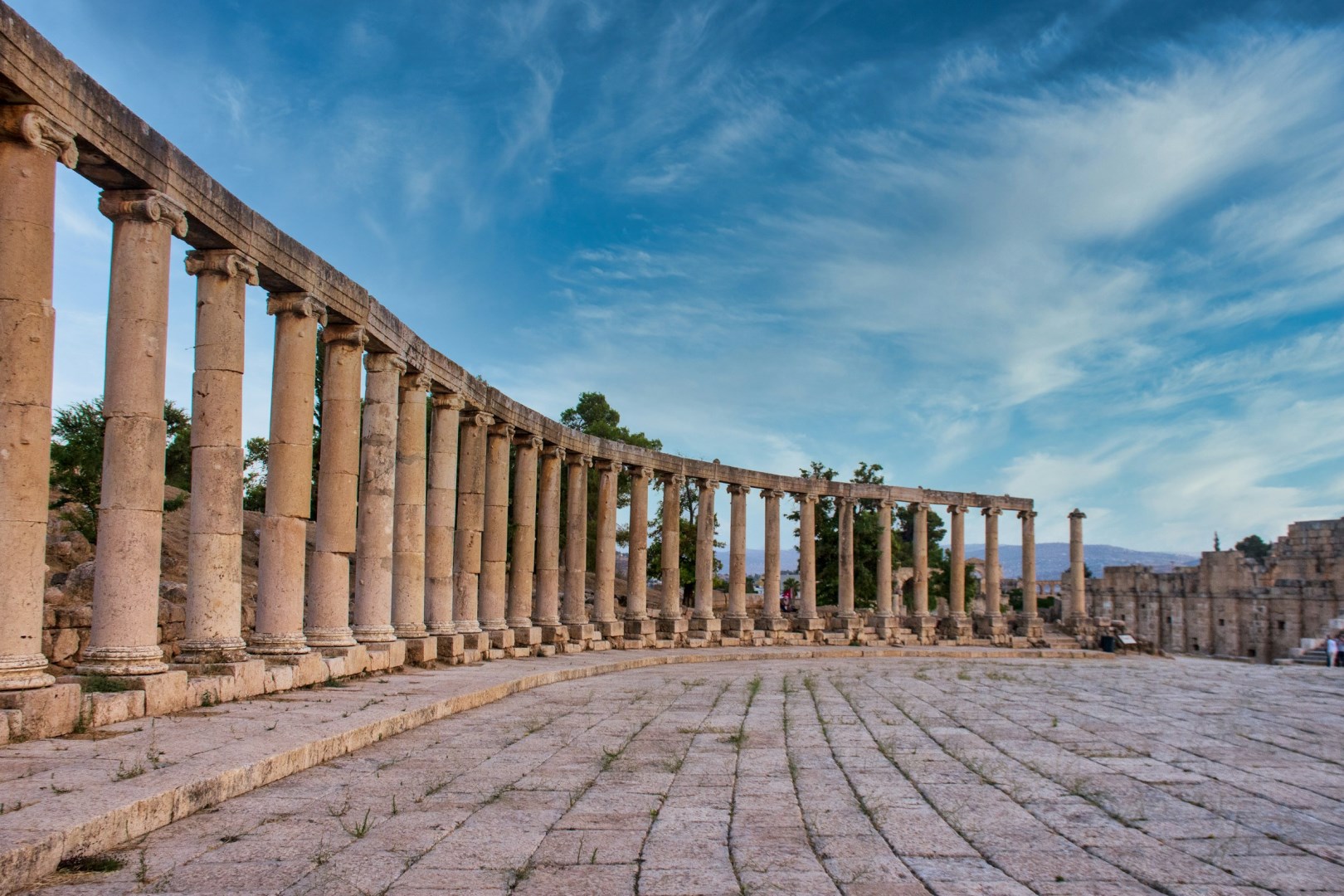
Jerash
Jerash is reached by a short drive (29 miles, 47km) north of Amman and is an ancient Graeco-Roman city, once known as Gerasa. It has been dubbed the 'Pompeii of the East', because of its extraordinary state of preservation. Jerash is a vast city, which flourished in the centuries immediately preceding and following the Christian era.
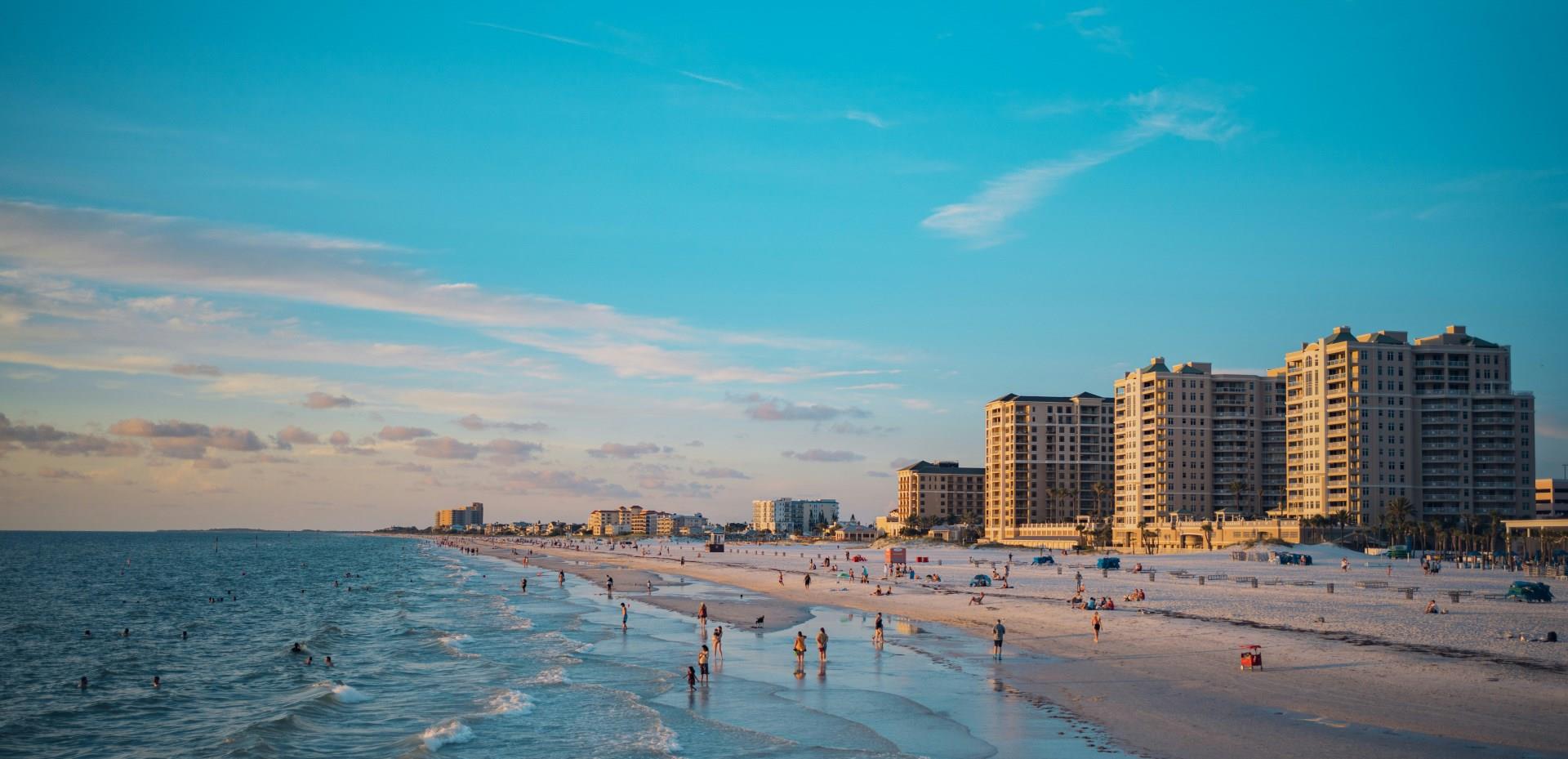
Clearwater
Clearwater, Florida, is a sun-drenched gem on the Gulf Coast, known for its pristine beaches and vibrant atmosphere. At the heart of Clearwater's allure is its Clearwater Beach, often heralded as one of the top beaches in the United States. With its powdery white sands and crystal-clear waters, it's a paradise for beachgoers and water sports enthusiasts alike. The beach offers a bustling promenade, where visitors can enjoy everything from fresh seafood to lively street performances.
