
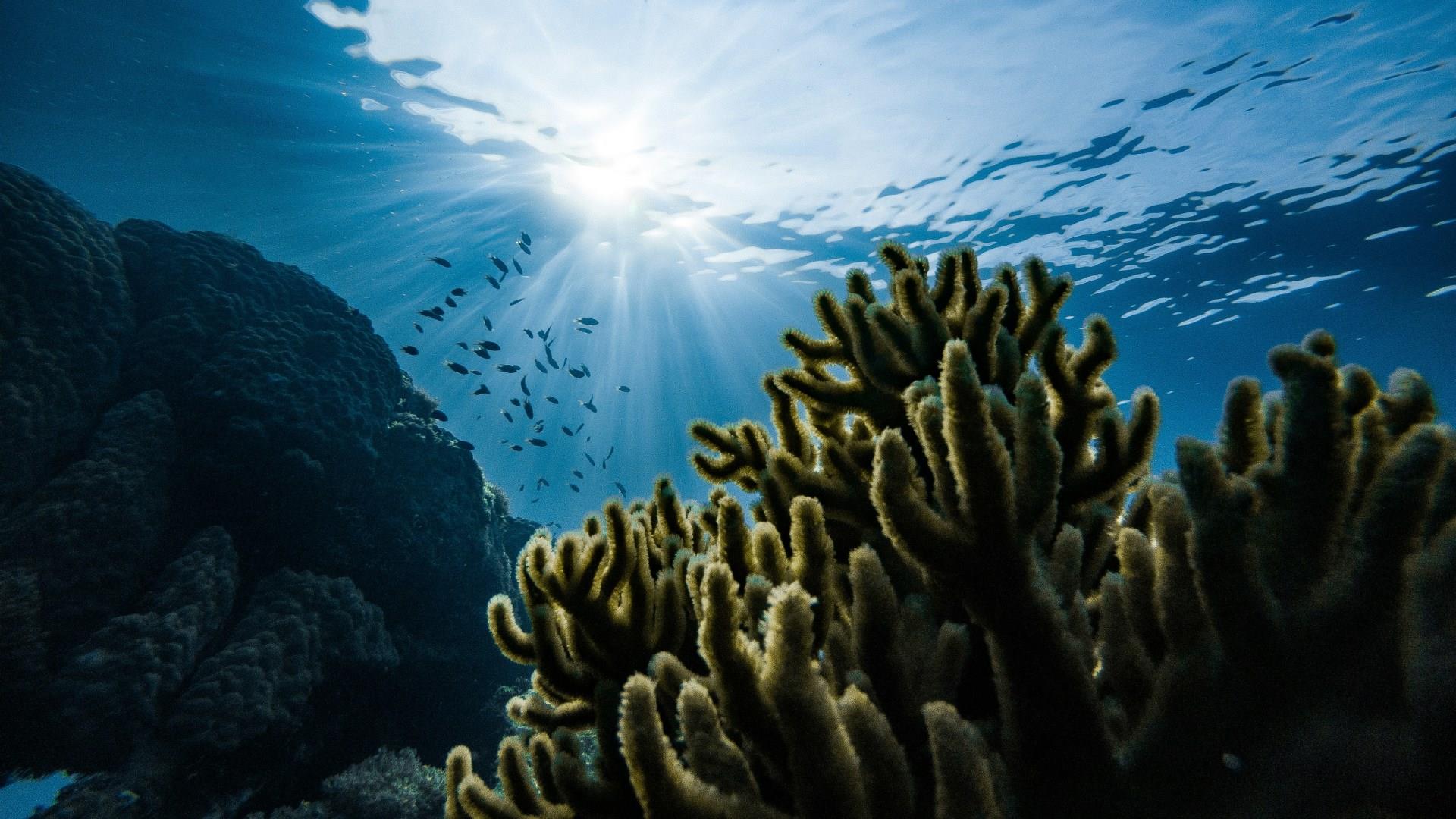
Chuuk
Chuuk, one of the four states of the Federated States of Micronesia, is best known for its vast lagoon which is one of the largest enclosed lagoons in the world. But what sets Chuuk apart is what lies beneath those calm blue waters: an entire underwater fleet of sunken warships, aircraft, and submarines left from World War II. Often called the "Ghost Fleet of Truk Lagoon," these wrecks make Chuuk a global destination for experienced divers.
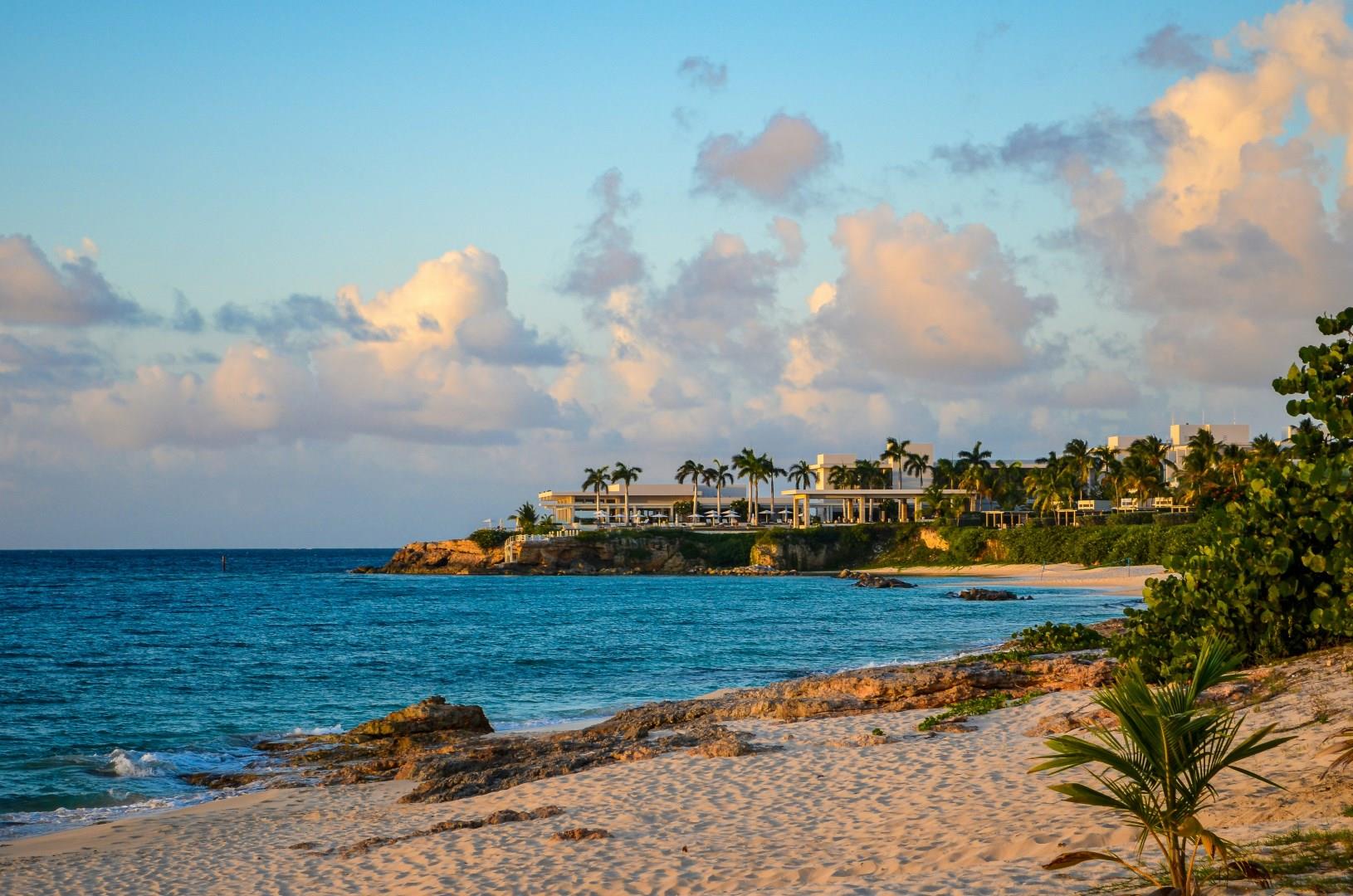
Barnes Bay
Barnes Bay, on Anguilla’s western coast, is one of the island’s most striking beaches, known for its golden sand and dramatic backdrop of rugged cliffs. The bay is less frequented than some of Anguilla’s more famous shores, giving it a serene, secluded atmosphere that makes it a favorite for those seeking a quieter escape.
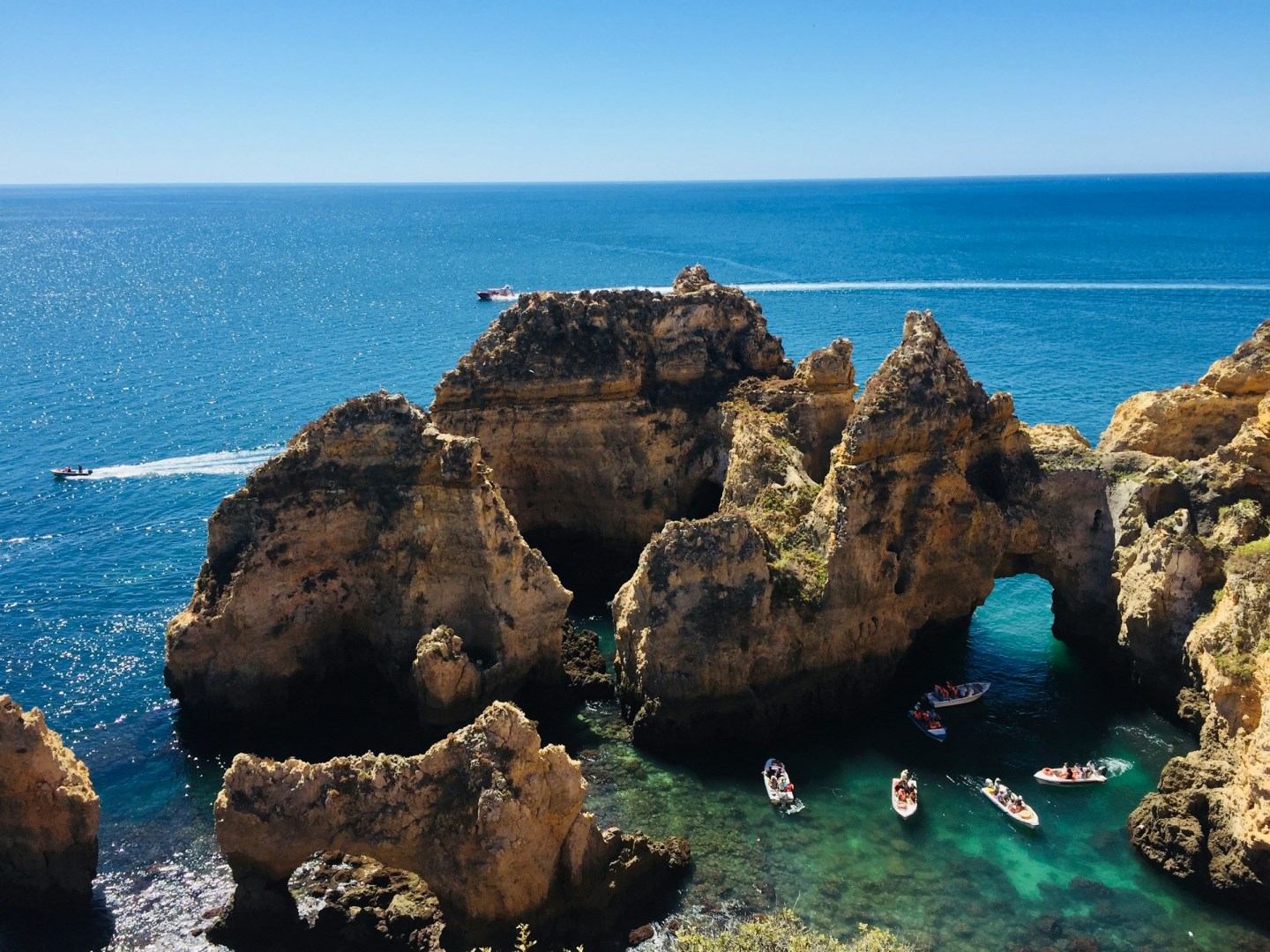
Lagos
Lagos sits on the southern edge of Portugal’s Algarve where a lively old port town meets wide Atlantic skies. Just a short stroll from the heart of town, the coast drops away into a spectacle at Ponta da Piedade, where golden sandstone cliffs rise out of the Atlantic and have been shaped into stacks, natural arches and grottoes over millennia. At the top, the Ponta da Piedade Lighthouse watches over this dramatic shoreline and offers a great backdrop for photos as the sun sets into the ocean.

Jersey City
Jersey City is a major waterfront city in northeastern New Jersey, situated across the Hudson River from Lower Manhattan. Its skyline, historic neighbourhoods, parks, and extensive waterfront make it one of the most urban places in the state. Exchange Place and the Hudson River waterfront provide direct views of Manhattan, while the historic Downtown district contains brownstones, churches, restaurants, and independent businesses.
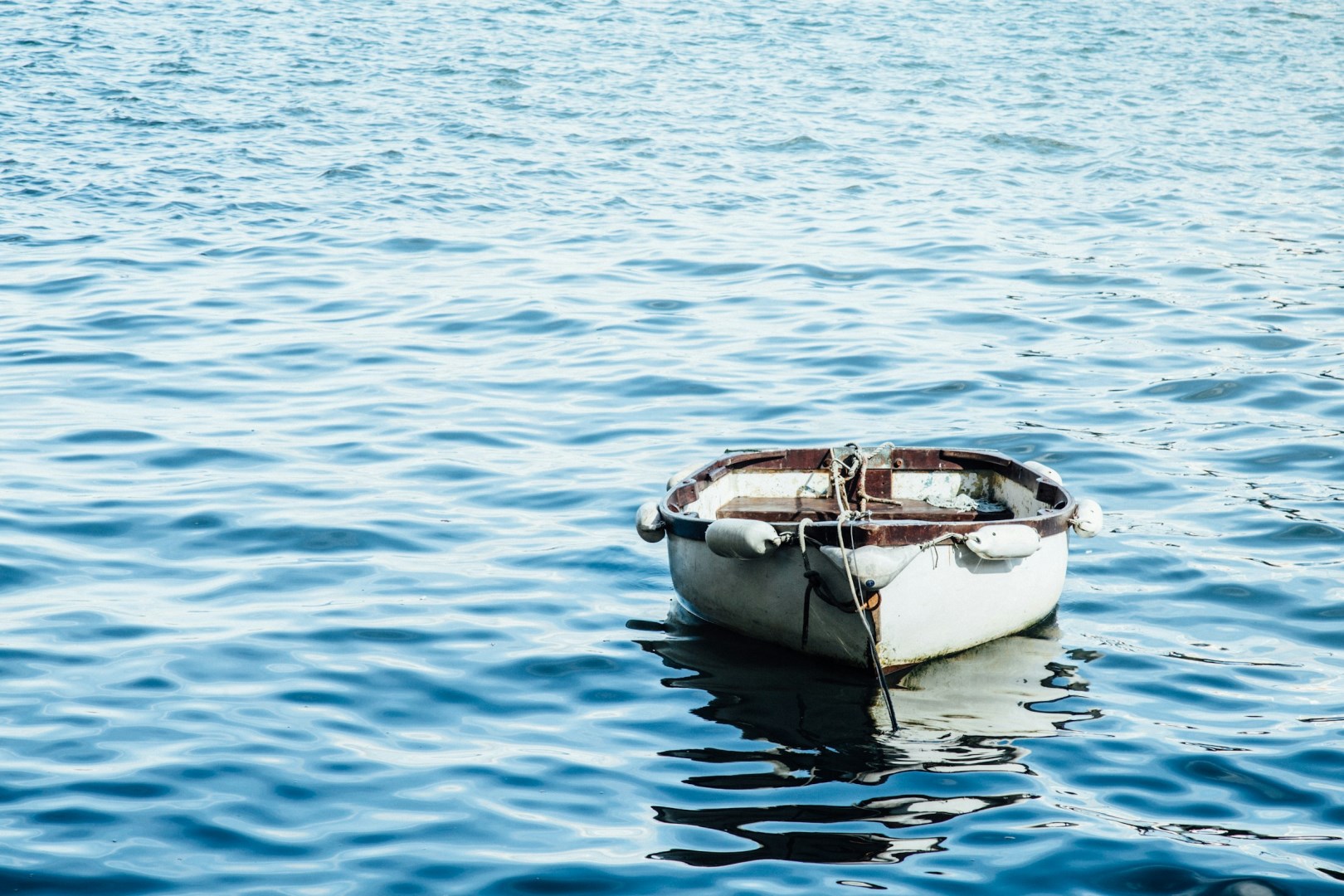
Falmouth
Falmouth, on Cornwall’s south coast, grew around one of the world’s largest natural harbors, a feature that has shaped its maritime identity for centuries. The town expanded during the age of sail, serving as a key port for packet ships, and landmarks like Pendennis Castle still anchor Falmouth firmly in its naval past.
