
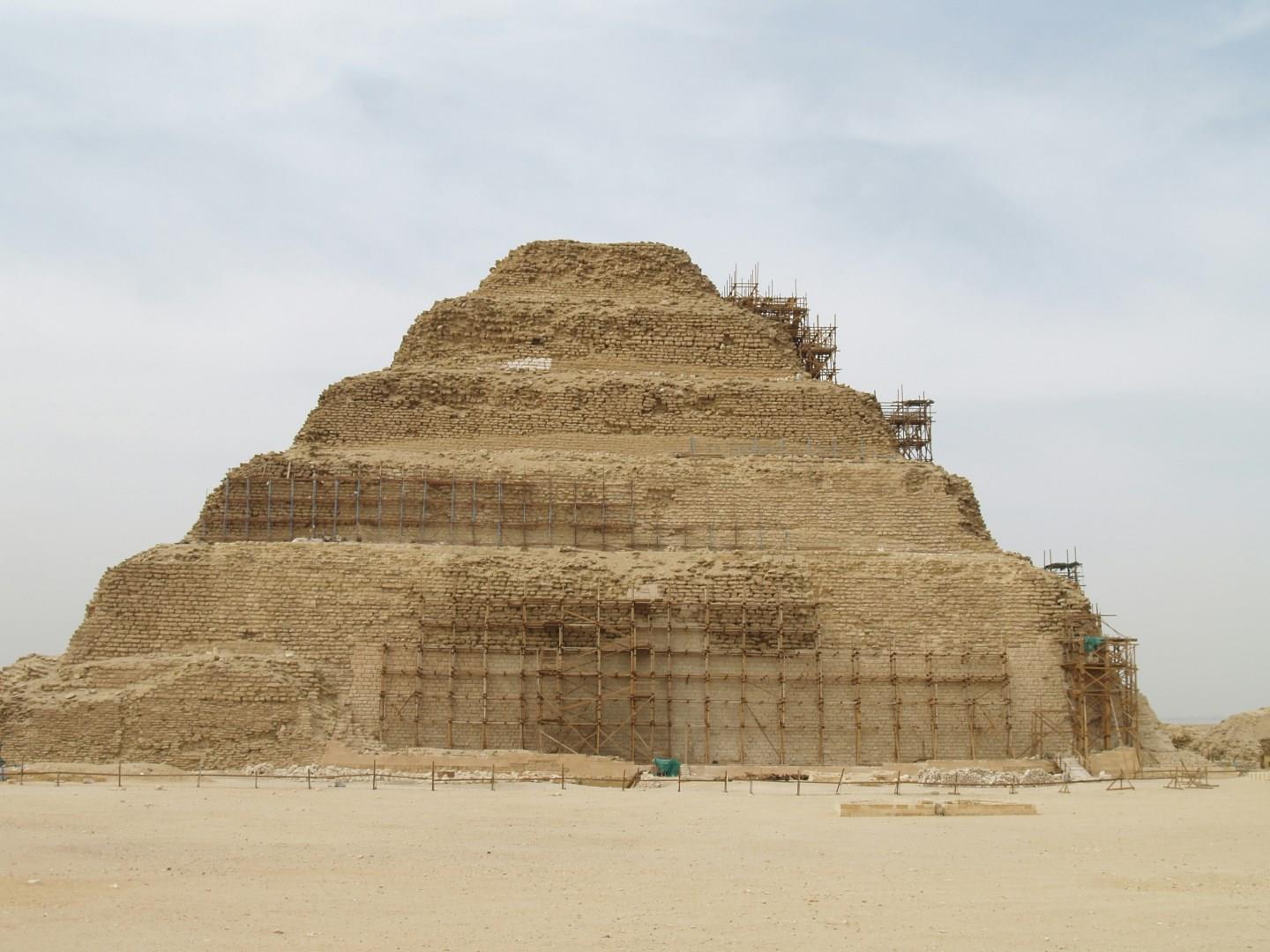
Sakkara
Sakkara, located just south of Cairo, is one of Egypt’s most important archaeological sites and the vast necropolis of the ancient capital of Memphis. Stretching over seven kilometers, it served as a burial ground for pharaohs, nobles, and high officials across multiple dynasties.
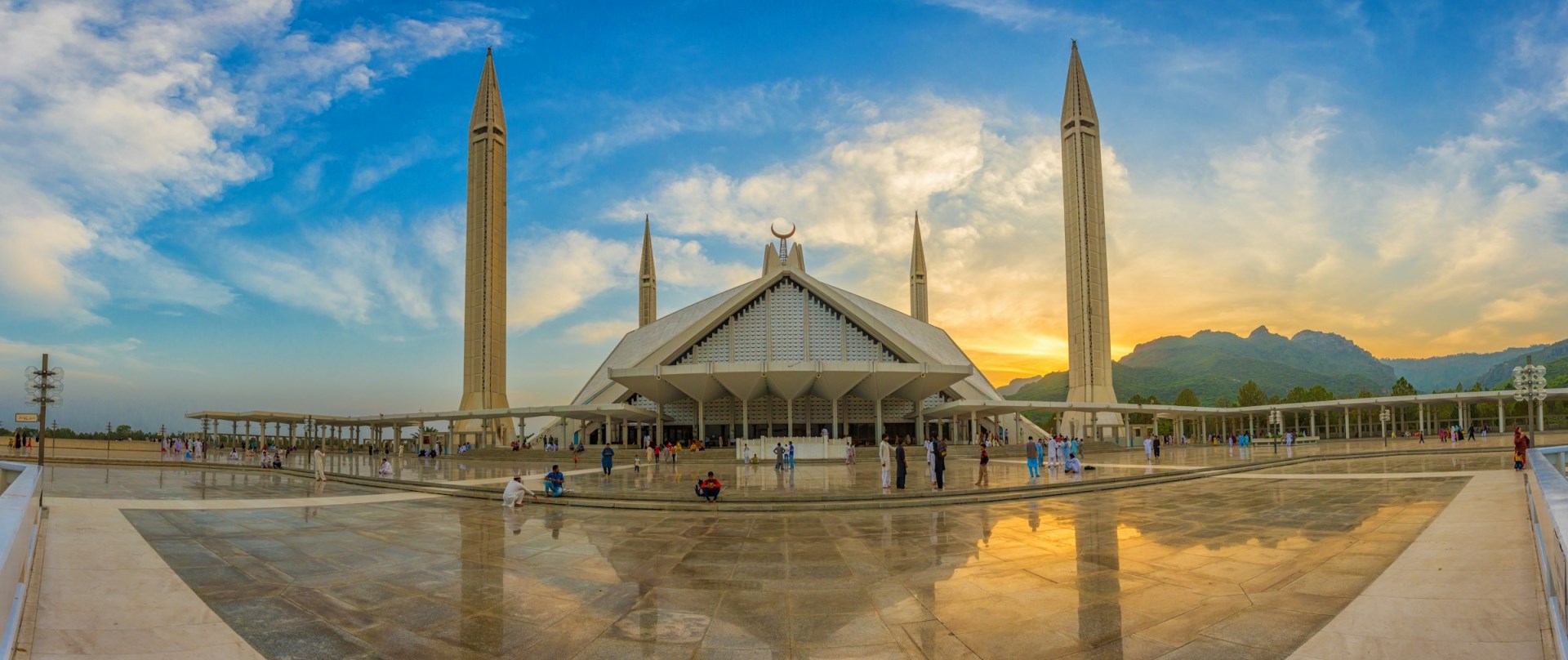
Islamabad
Islamabad is the capital of Pakistan, set against the wooded slopes of the Margalla Hills in the north of the country. Planned as a purpose-built capital, the city is organized around broad avenues, landscaped sectors, parks, and green belts, giving it a different character from Pakistan’s older cities. The Faisal Mosque is its most recognizable landmark, with its tent-shaped design and prominent position beneath the hills.
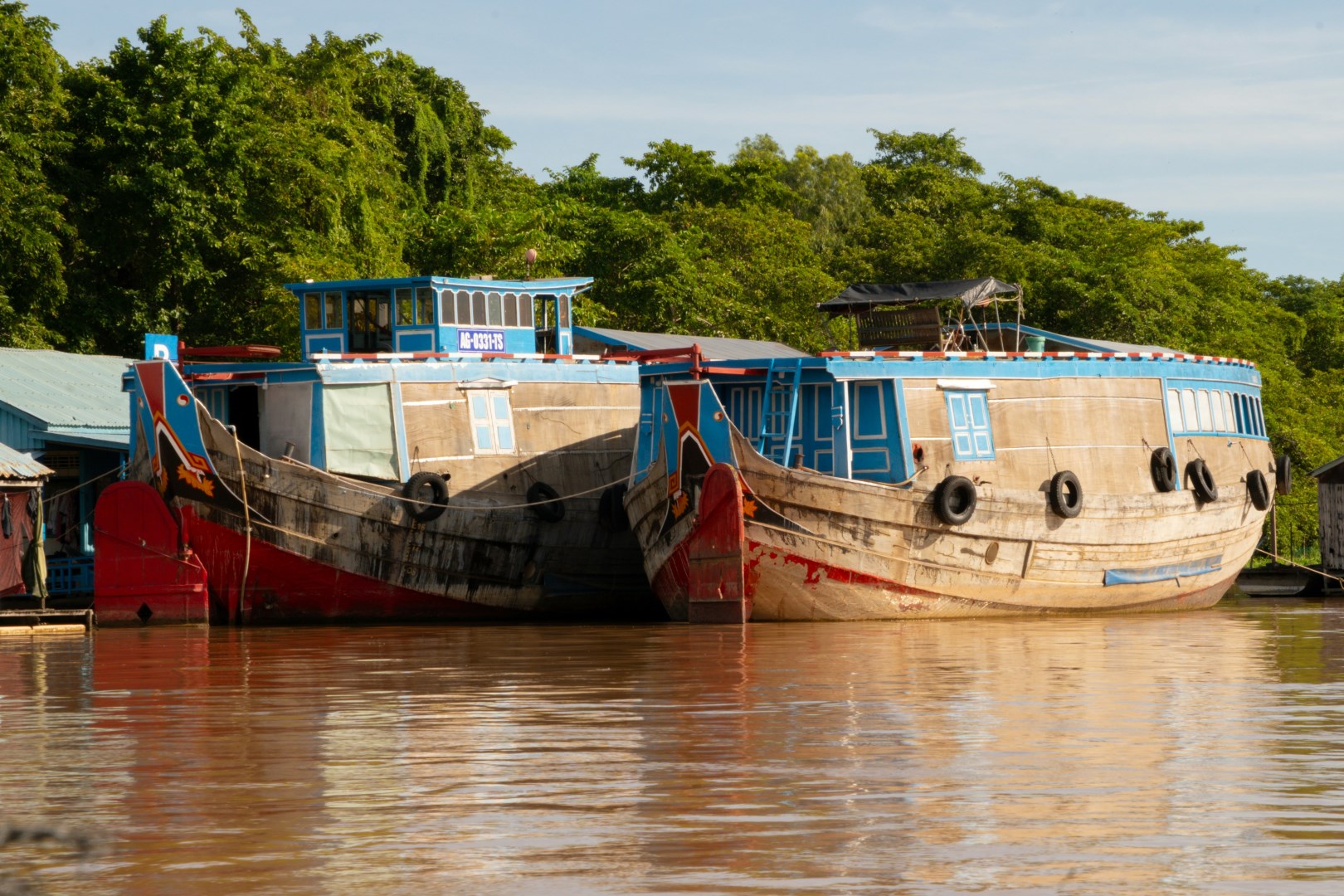
Chau Doc
Chau Doc is a riverside city in Vietnam’s An Giang Province, close to the border with Cambodia and the waterways of the Mekong Delta. The city is known for its floating fish farms, canal networks, and active river trade that connects nearby rural communities.

Cuenca
Nestled in the Andes Mountains, Cuenca, Ecuador, is a city that seamlessly blends colonial charm, cultural richness, and natural beauty. Known as the “Athens of Ecuador” due to its vibrant intellectual and cultural life, Cuenca's historic center is a UNESCO World Heritage Site that delights visitors with its cobblestone streets, whitewashed buildings, and red-tiled roofs.

Castries
Castries, St. Lucia's capital and a busy port city, is an idyllic Caribbean wonderland. Tourists will find craft and fruit markets, photo-ready murals and a general cozy charm here. One must-do activity is getting to the top Morne Fortune (Hill of Good Luck) to drink in the lovely panoramic views. Be sure to visit the museum at Derek Walcott Square, and soak up the sun on Vigie Beach!
