

Istanbul
Istanbul is a city built on layers of empire. Spanning two continents, it was once the capital of three major empires: Roman, Byzantine, and Ottoman. Visitors walking through the Sultanahmet district can witness this timeline firsthand, from the Roman-era Hippodrome to the Byzantine mosaics of Hagia Sophia, and the towering minarets of the Blue Mosque. At nearby Topkapi Palace, rooms still display the jeweled swords, ceremonial robes, and handwritten Qurans once used by Ottoman sultans.
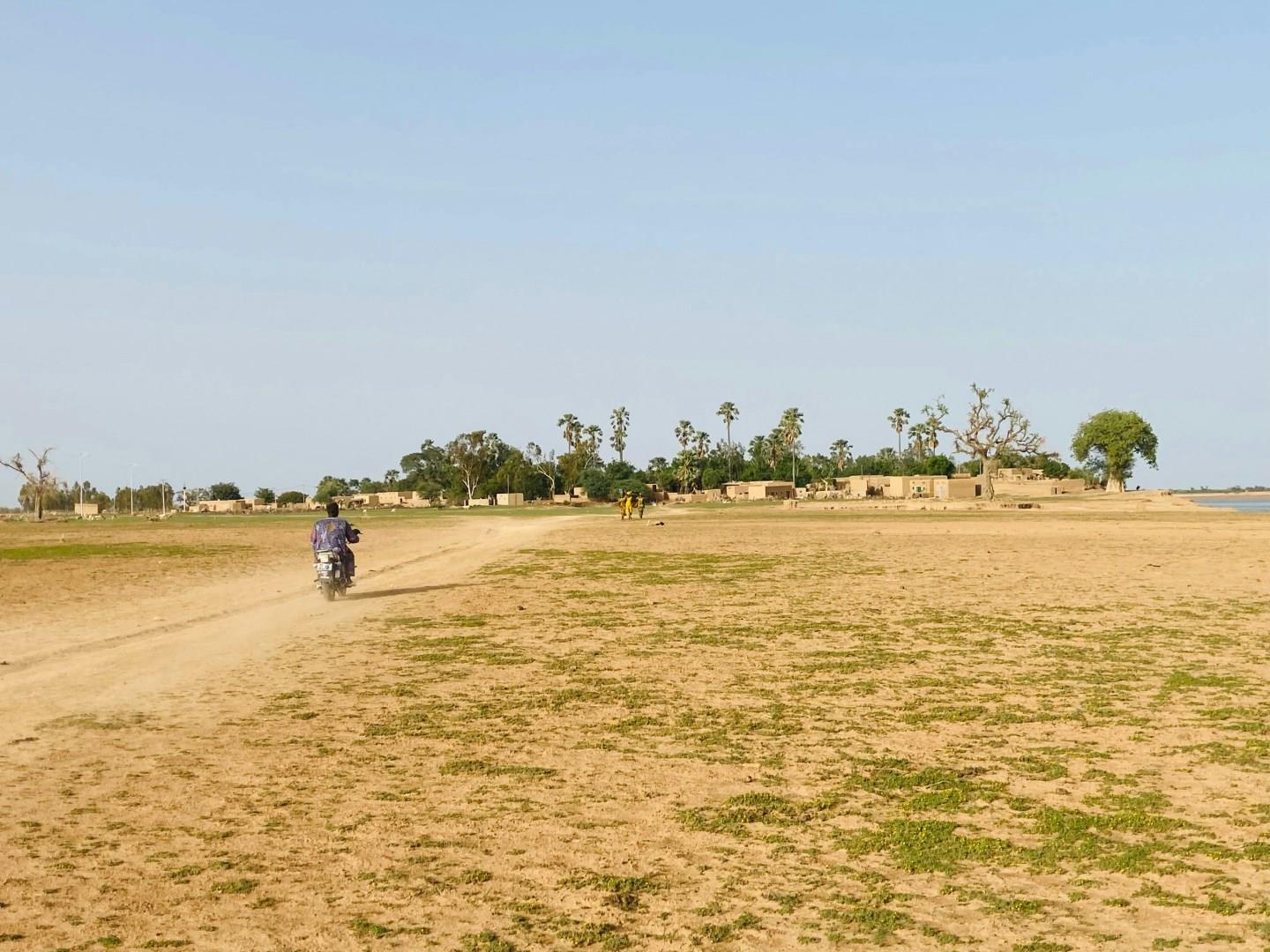
Mopti
Mopti, often called the “Venice of Mali,” sits at the point where the Bani and Niger rivers meet. This strategic location has made it an important trading hub for centuries, attracting merchants, fishermen, and travelers from across West Africa.
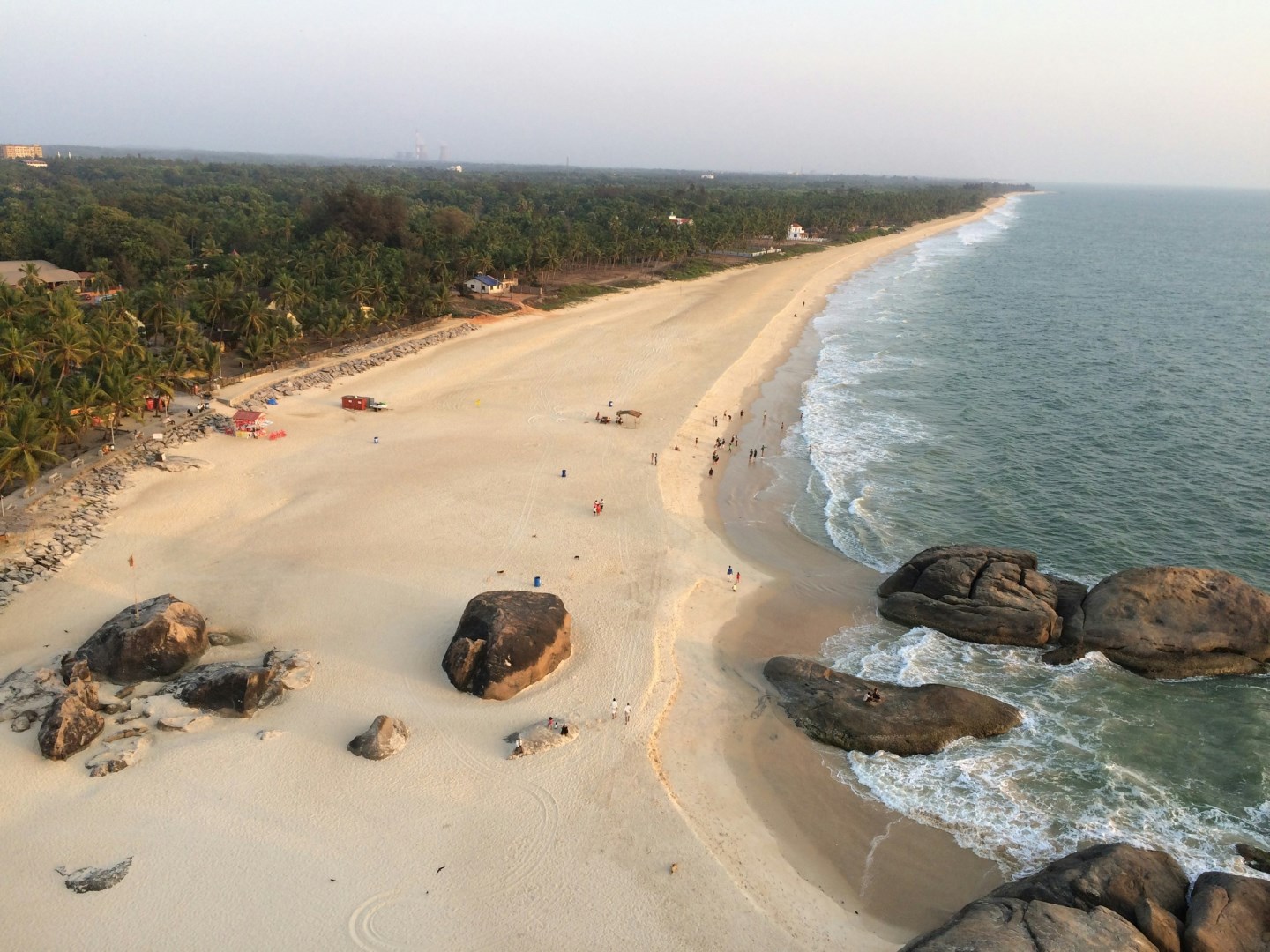
Mangalore
Mangalore is a beautiful port city in the southern most tip of the state of Karnataka. Due to its proximity to the Arabian Sea, Mangalore is incredibly picturesque, and quickly becoming a hub of activity and the fastest growing city in India.

Cienfuegos
Cienfuegos, located on Cuba’s south coast along a sheltered bay, stands apart from many other Cuban cities due to its distinct European origins. Founded in 1819 by French settlers, the city developed with a carefully planned layout, wide avenues, and neoclassical architecture that earned it the nickname “La Perla del Sur.”
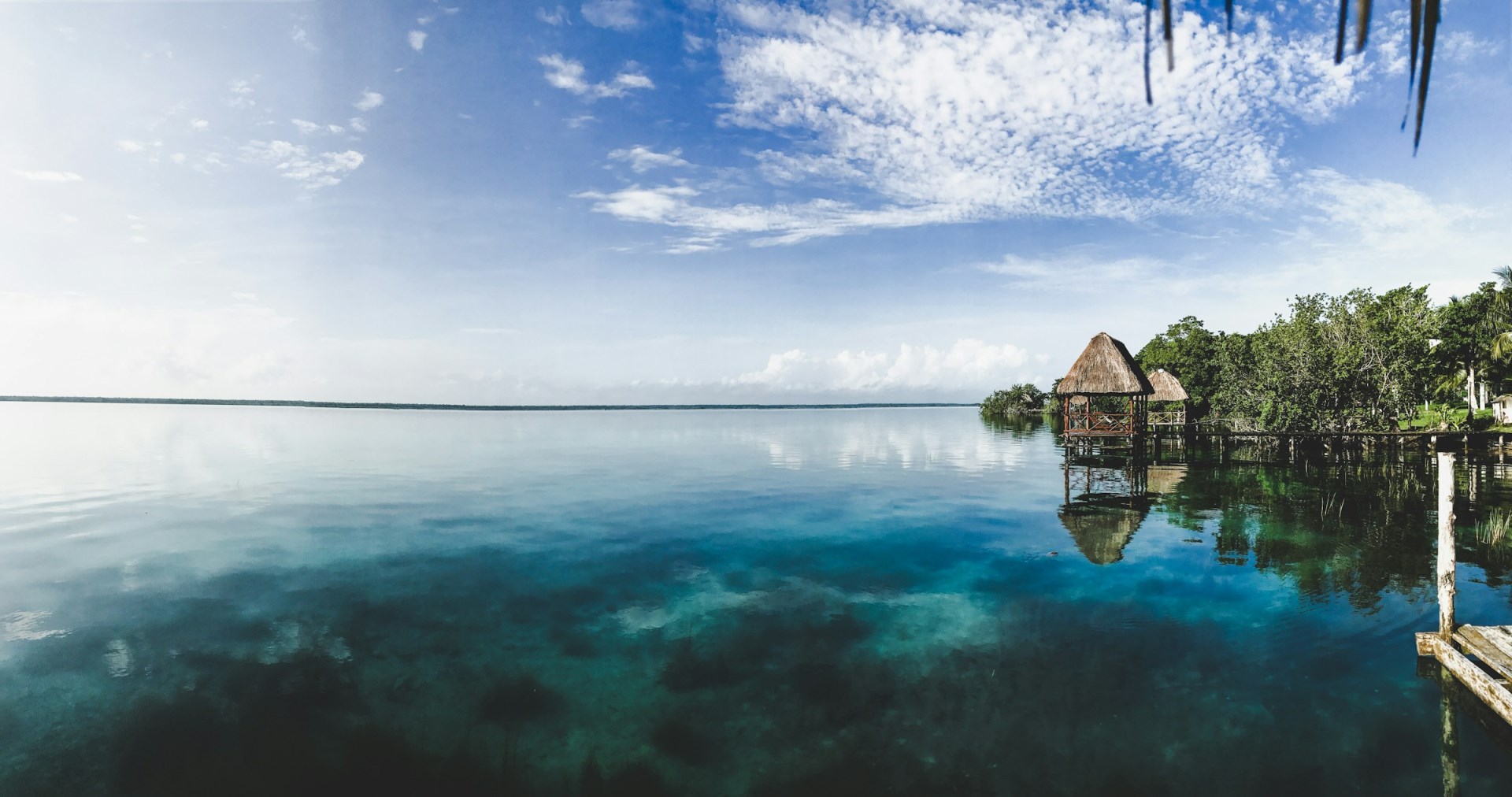
Lake Bacalar
The white limestone bottom of this freshwater lagoon makes the vibrant aquamarine waters look even brighter. This blissful escape is perfect for kayaking or lounging and has smaller crowds than some of the more well-known tourist towns.
