
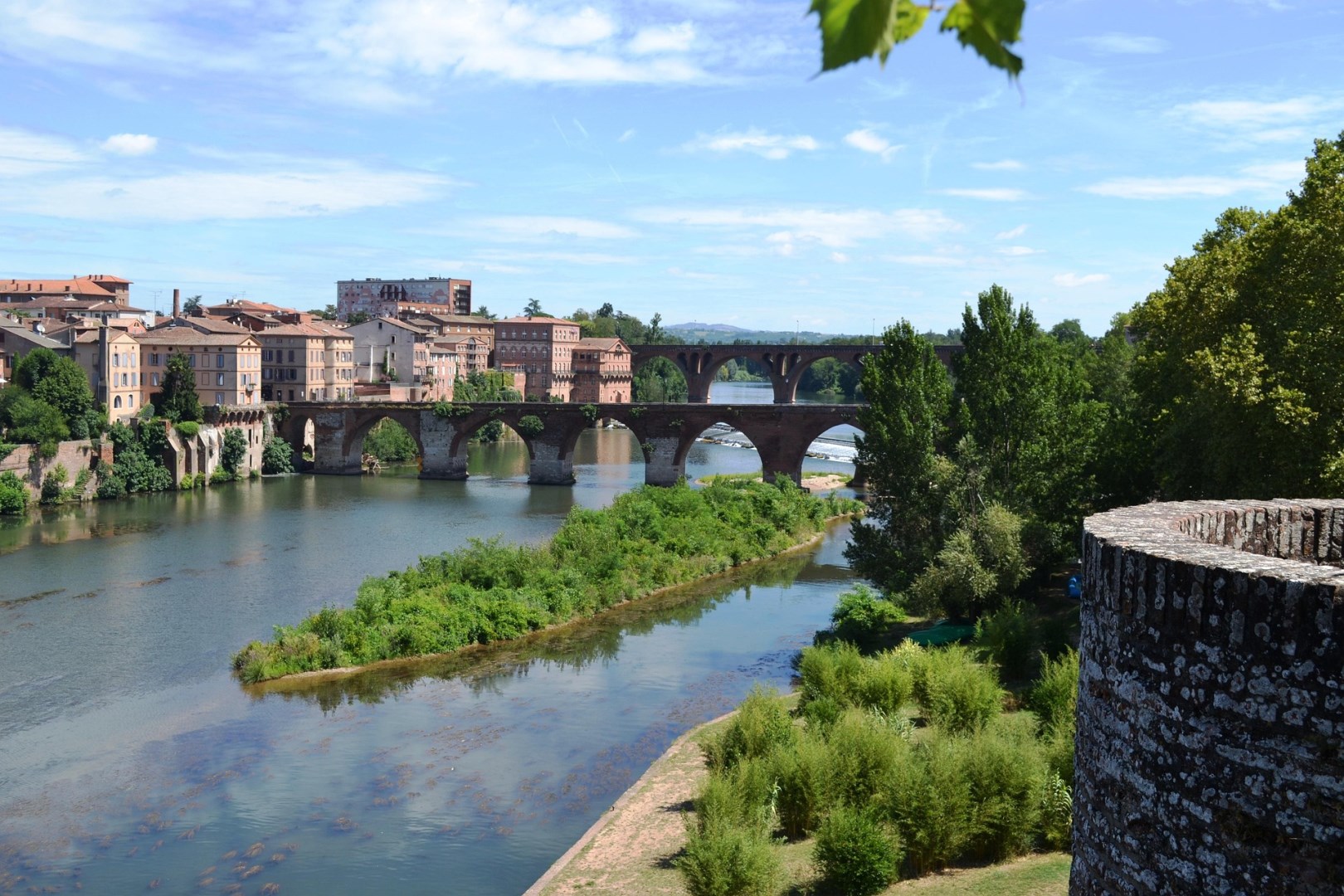
Albi
Albi is a city on the River Tarn in southwestern France, known for its distinctive red-brick architecture and compact historic centre. Its Episcopal City, a UNESCO World Heritage Site, brings together the imposing Sainte-Cécile Cathedral, the former Berbie Palace, the Saint-Salvi quarter, and the Pont-Vieux. The city is often called “Albi la rouge” because of the warm tones of its brick buildings.
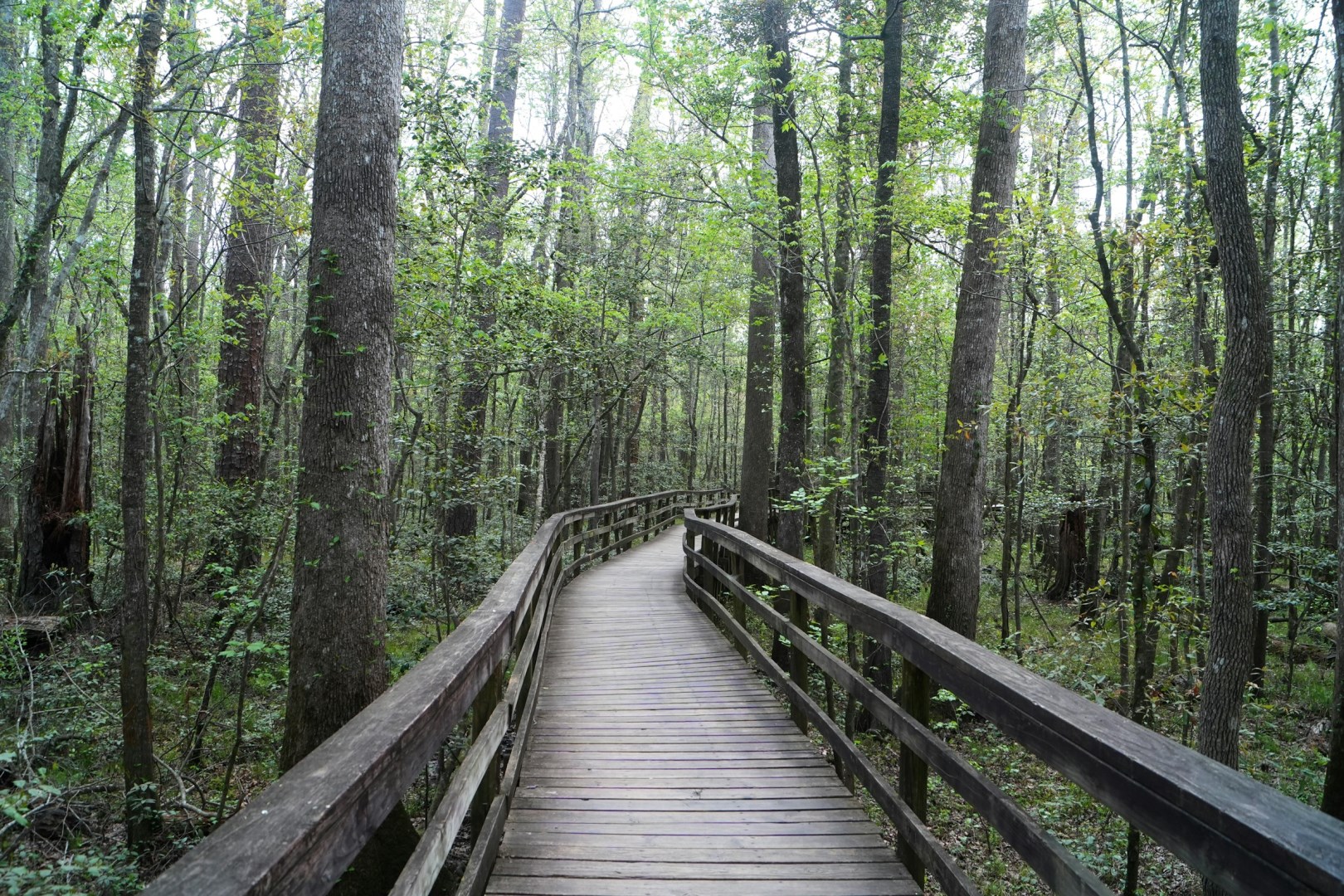
Congaree National Park
Imagine standing in complete stillness as thousands of tiny lights blink in perfect harmony around you. Every spring in Congaree National Park, this bioluminescent ballet plays out under the forest canopy. This is nature’s very own light show, and it lasts only two magical weeks. Time your visit right, and you’ll be part of a glowing experience few ever witness.

Shimizu
Shimizu, a picturesque port in Shizuoka City, offers stunning views of Mount Fuji on clear days. Shimizu is known for its rich maritime history, and a culinary highlight is its fresh seafood, particularly tuna. The port boasts the highest tuna catch in Japan, making it a prime destination for sushi fans.
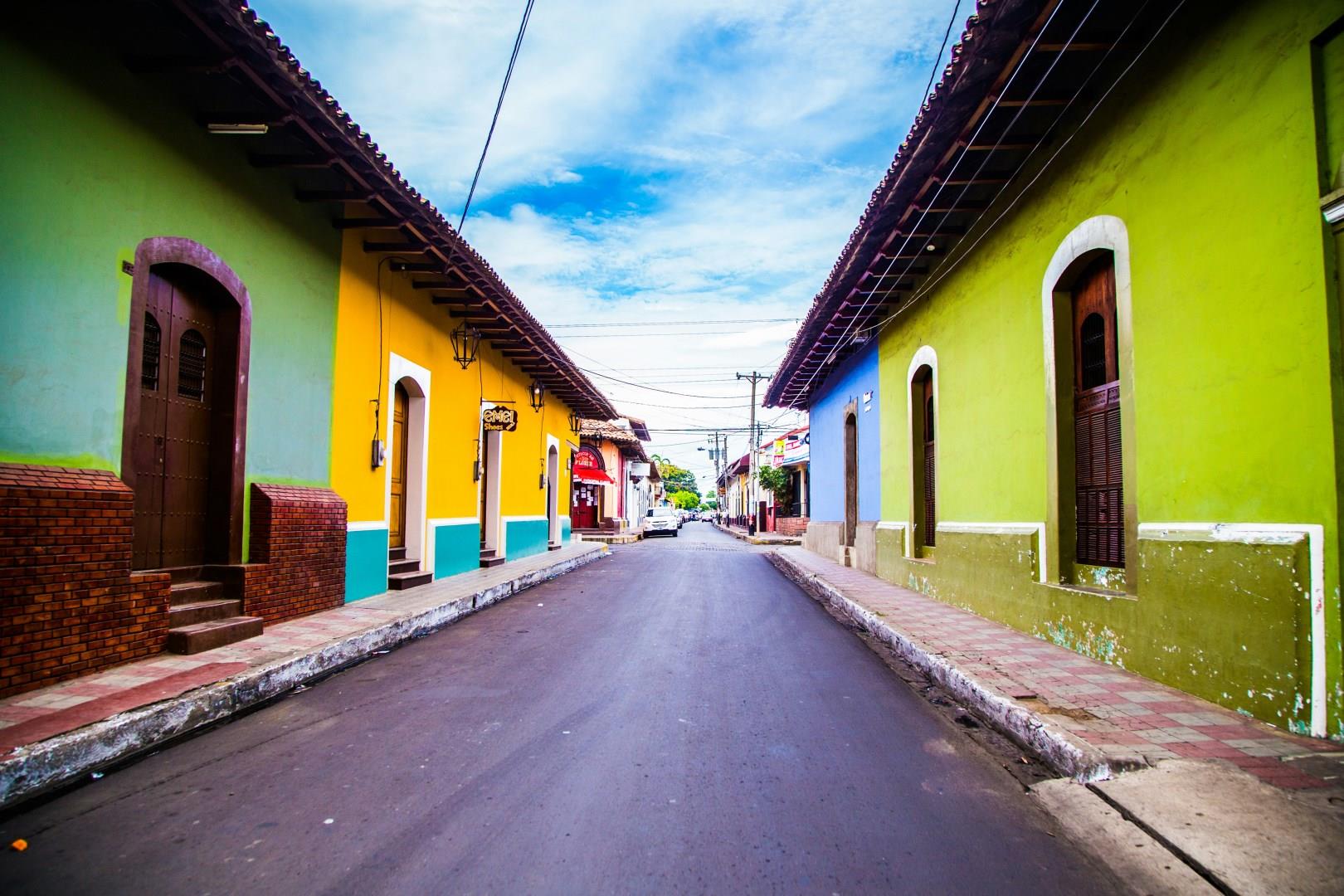
León
León, Nicaragua serves as the country’s capital for more than two centuries and still feels like the intellectual and political heart of Nicaragua. The city is known for its revolutionary past, visible in murals that stretch across building walls, telling stories of resistance, poets, and everyday citizens. The Cathedral of León, the largest in Central America and a UNESCO World Heritage Site, dominates the central square.
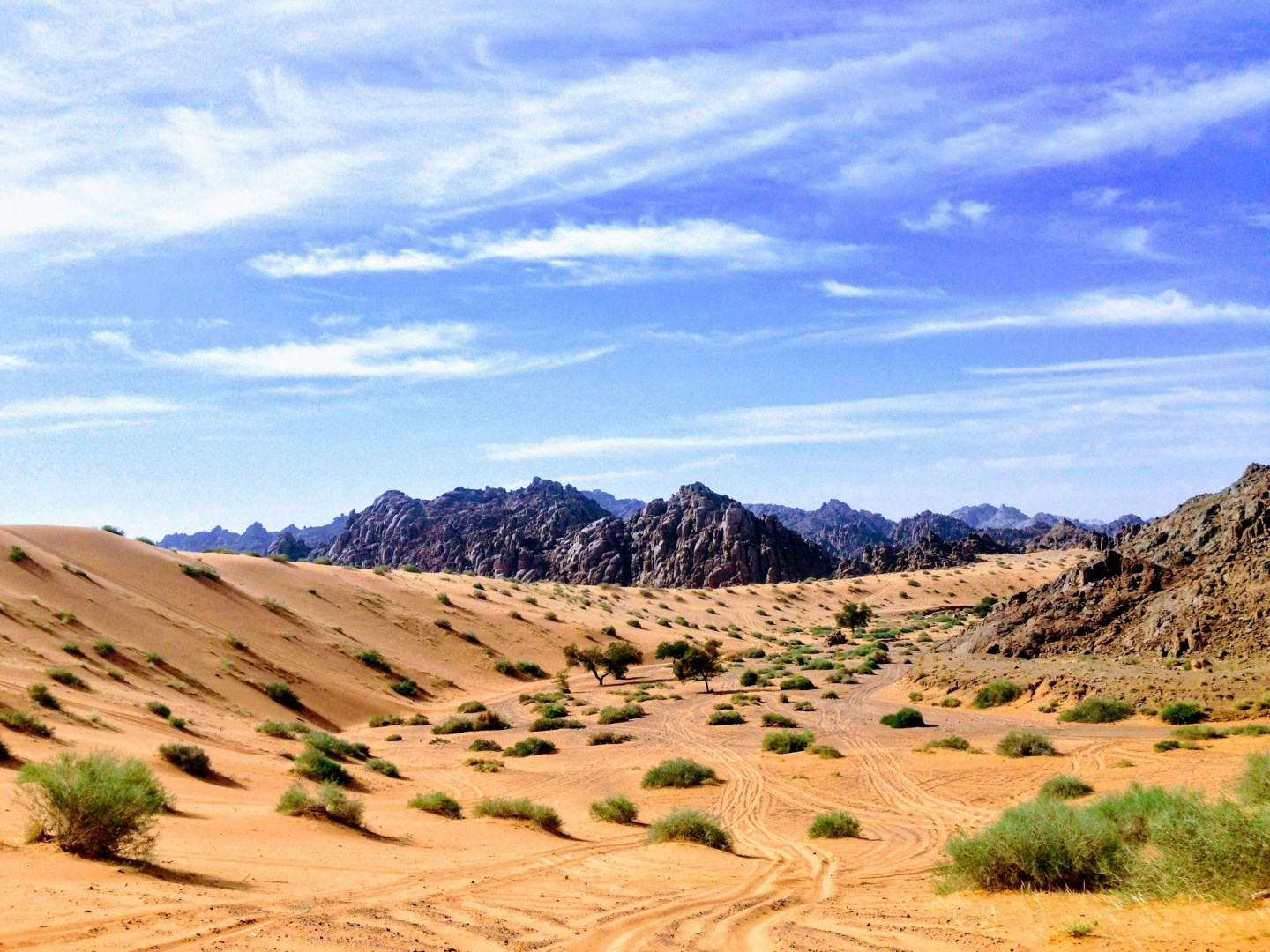
Ha’il
Ha'il is a city in north-central Saudi Arabia and the capital of Ha'il Province, located near the western edge of the vast An Nafud desert. The city lies in an oasis region where groundwater supports palm groves and agriculture, creating a cultivated landscape between surrounding desert and mountains.
