

Mostar
Mostar, a picturesque city in Bosnia and Herzegovina, offers a captivating blend of history, culture, and natural beauty. Renowned for its iconic Stari Most (Old Bridge), this 16th-century Ottoman structure arches gracefully over the Neretva River, symbolizing the city’s historical role as a bridge between East and West.

Cienfuegos
Cienfuegos, located on Cuba’s south coast along a sheltered bay, stands apart from many other Cuban cities due to its distinct European origins. Founded in 1819 by French settlers, the city developed with a carefully planned layout, wide avenues, and neoclassical architecture that earned it the nickname “La Perla del Sur.”
Wakayama
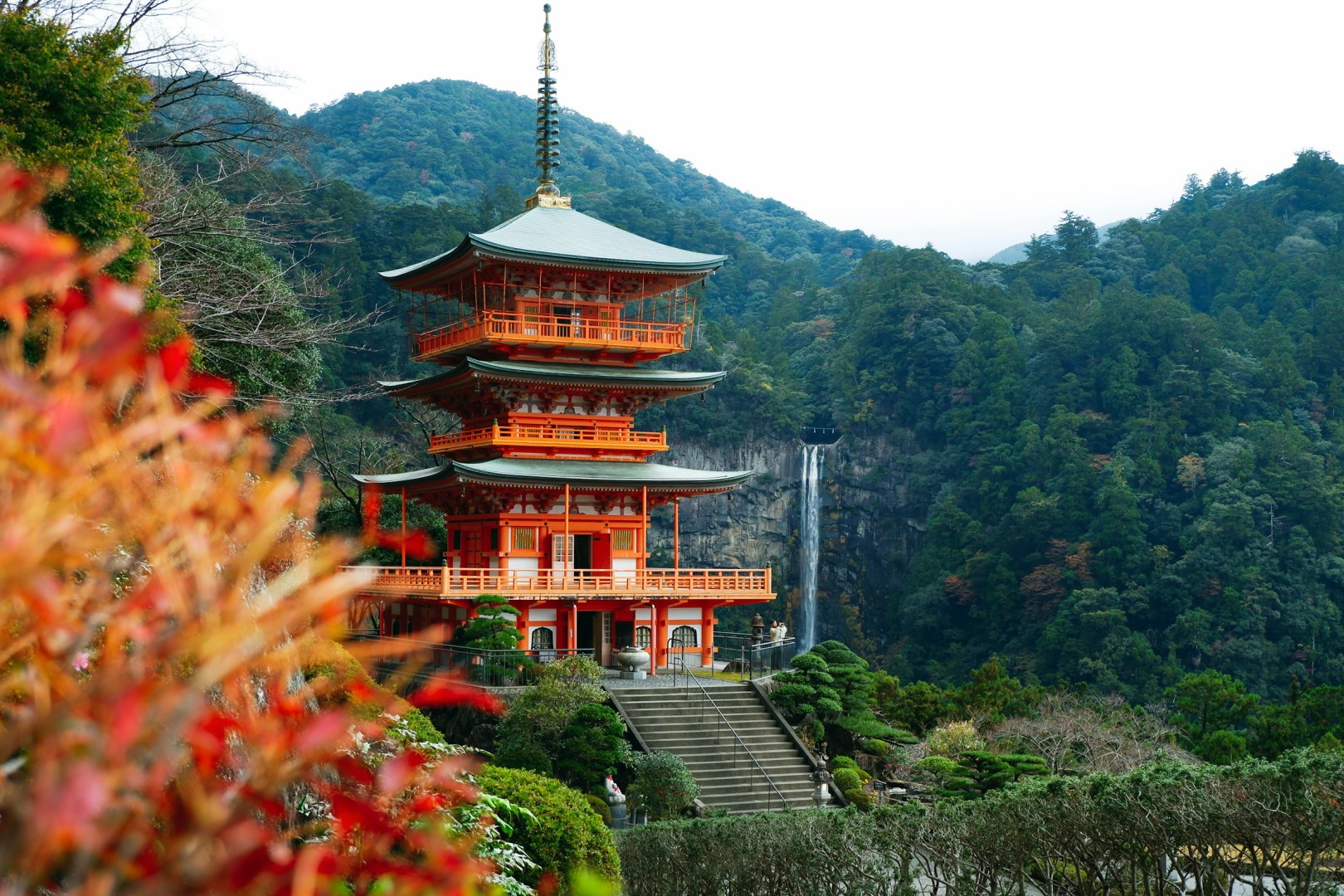
Wakayama is a coastal city in western Japan and the capital of Wakayama Prefecture, located on the Kii Peninsula beside Wakayama Bay. Its setting combines the sea with wooded hills and nearby mountain country, while the city itself has developed around a historic castle town. Wakayama Castle stands on Mount Torafusu near the city center, overlooking the surrounding streets, mountains, and Kii Channel.
Lausanne
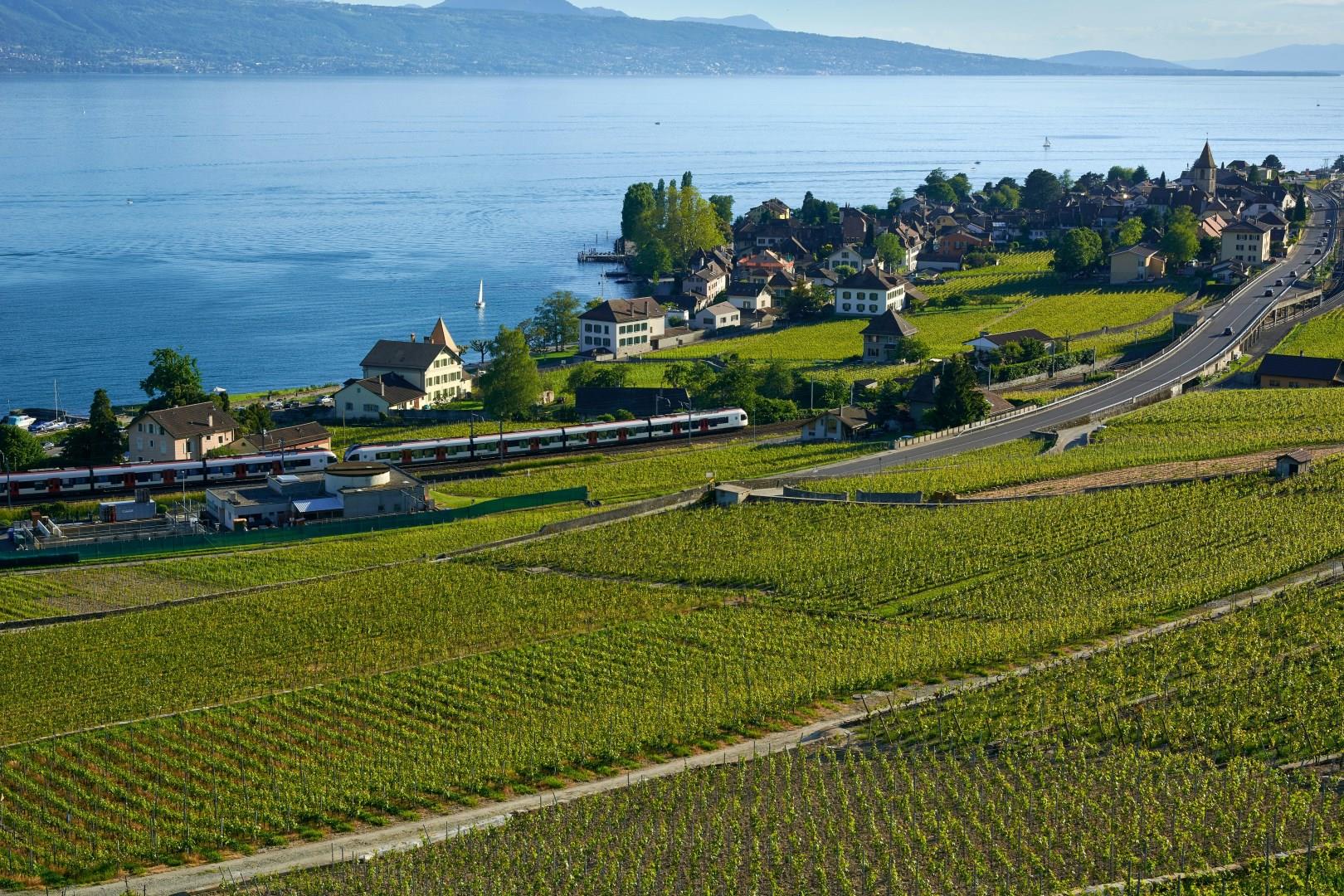
Perched on the northern shore of Lake Geneva, Lausanne is a city that blends centuries of history with a strong cultural identity. It served as a Roman military camp called Lousanna before evolving into a key medieval settlement. Today, visitors can still climb the tower of Lausanne Cathedral, widely regarded as the most impressive Gothic structure in Switzerland. From the top, the view stretches over the rooftops of the Old Town to the vineyards of Lavaux and across the lake to the French Alps.
Skopelos
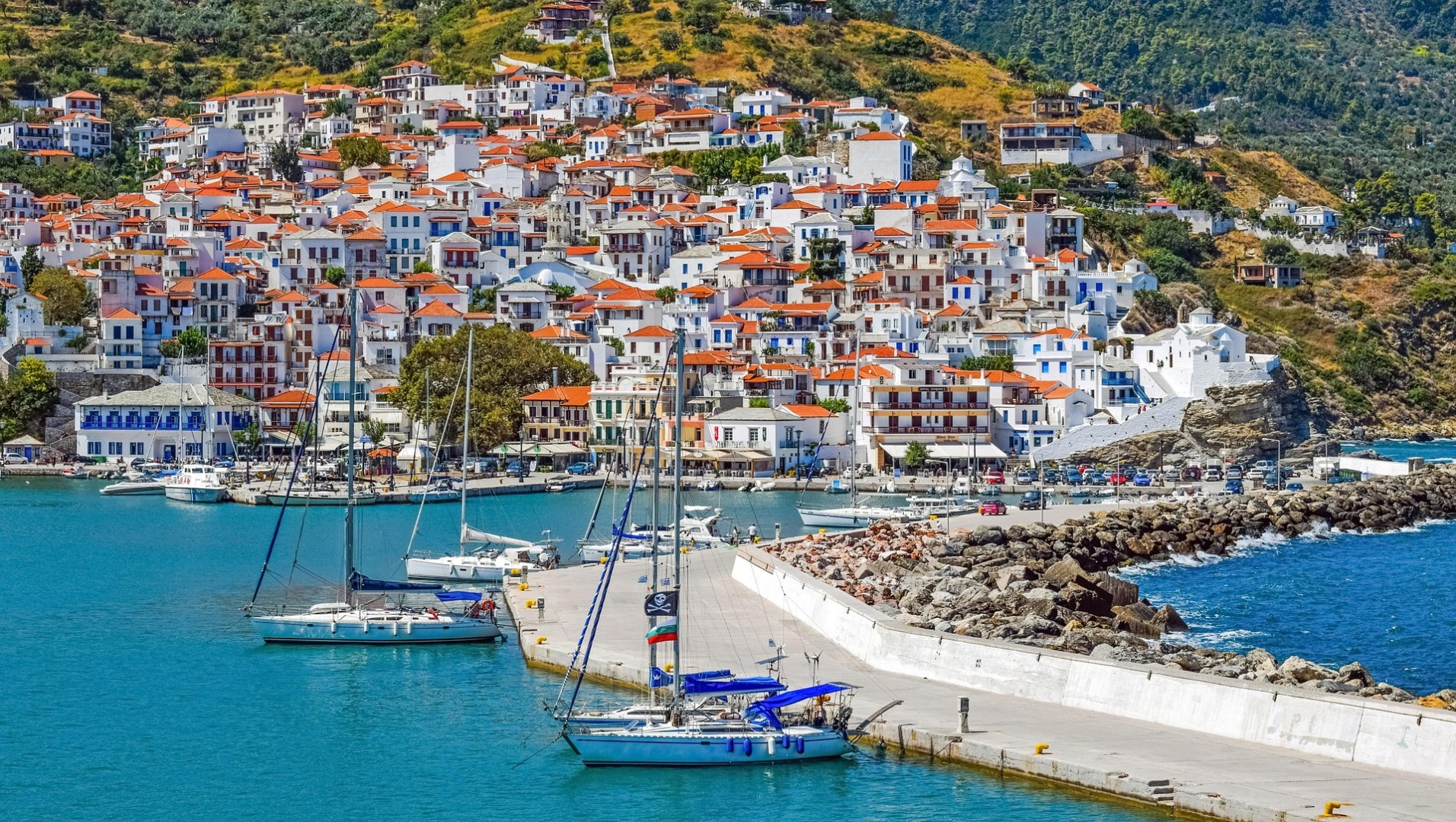
Skopelos is the largest island of the Northern Sporades, situated between Skiathos and Alonissos in the Aegean Sea. It is notably green, with pine forests and olive groves covering much of the island and reaching close to the coast. Skopelos Town, the island’s main settlement, rises amphitheatrically above the harbor, with white houses, tiled roofs, stone lanes, and numerous churches.
