
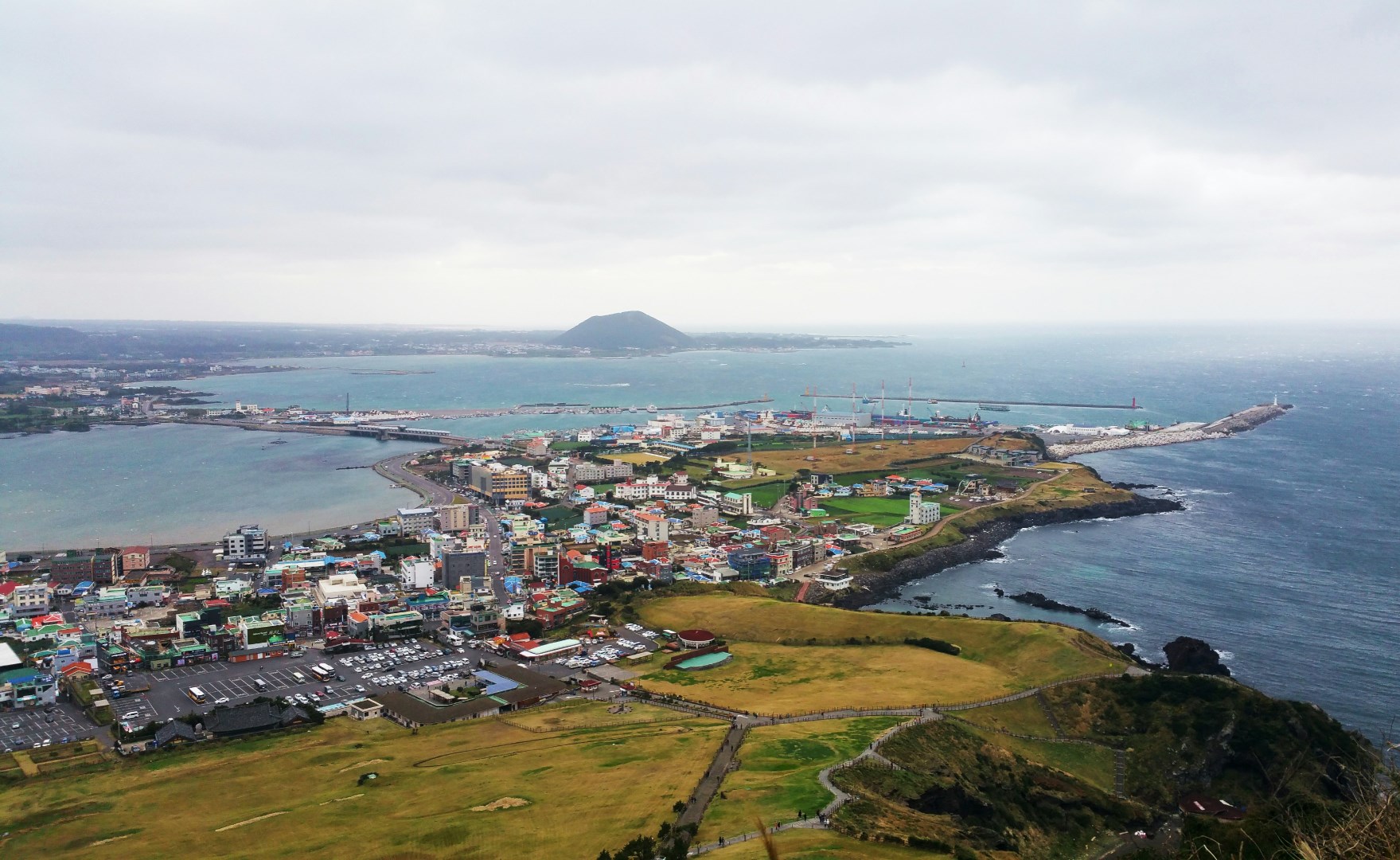
Cheju
Jeju, often written as Cheju in older English sources, is South Korea’s largest island and lies in the Korea Strait south of the Korean Peninsula. The island is known for its volcanic landscapes, coastal cliffs, lava tubes, and the prominent peak of Hallasan, which rises at its center.
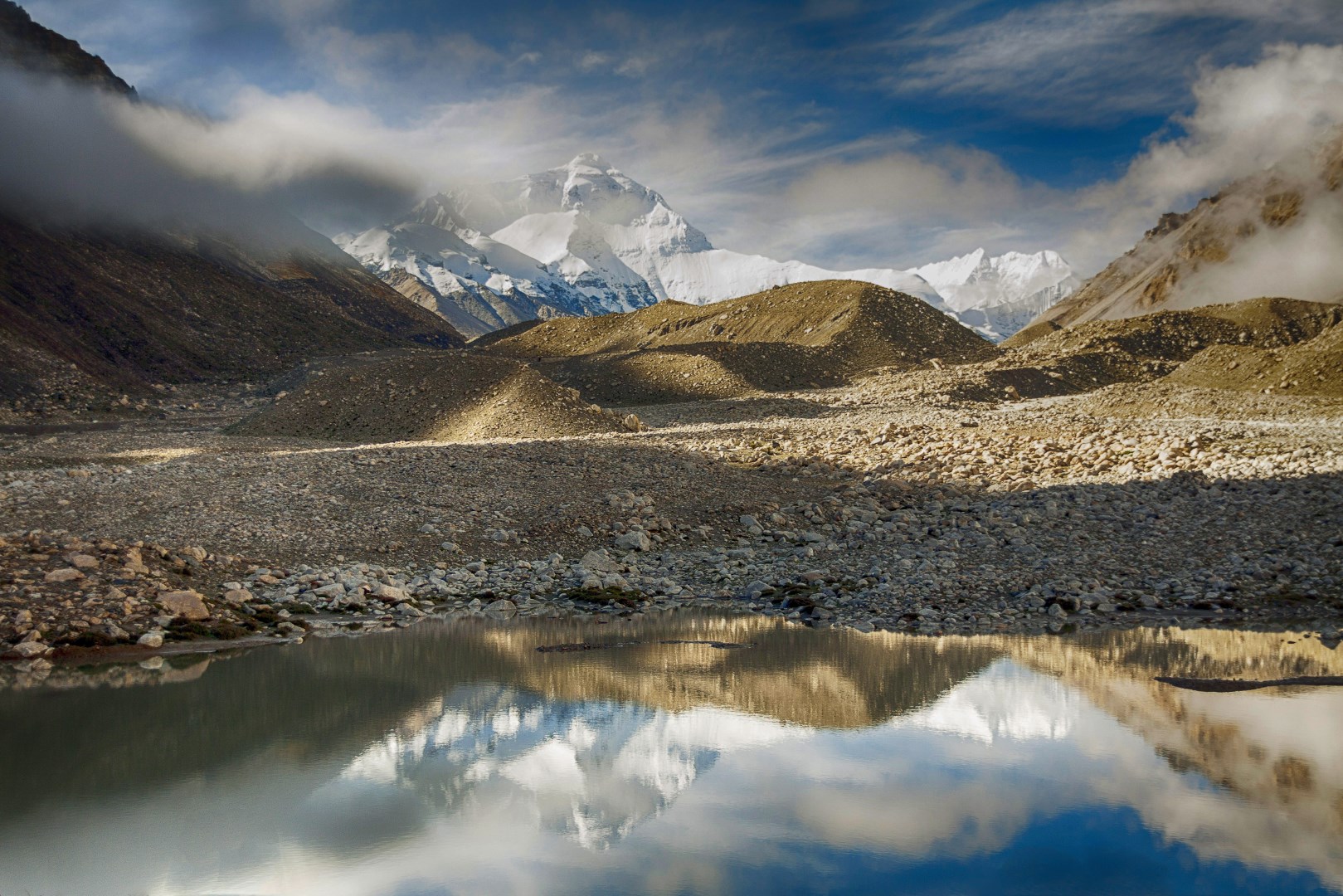
Mount Everest
Rising along the border of Nepal and Tibet, Mount Everest stands as the highest point on Earth, reaching over 29,000 feet into the sky. Known locally as Sagarmatha, meaning “Peak of Heaven,” and Chomolungma, meaning “Goddess Mother of the World,” the mountain carries deep spiritual meaning for the communities that live in its shadow. Its summit sits in air so thin that oxygen levels are only a fraction of what travelers experience at sea level.
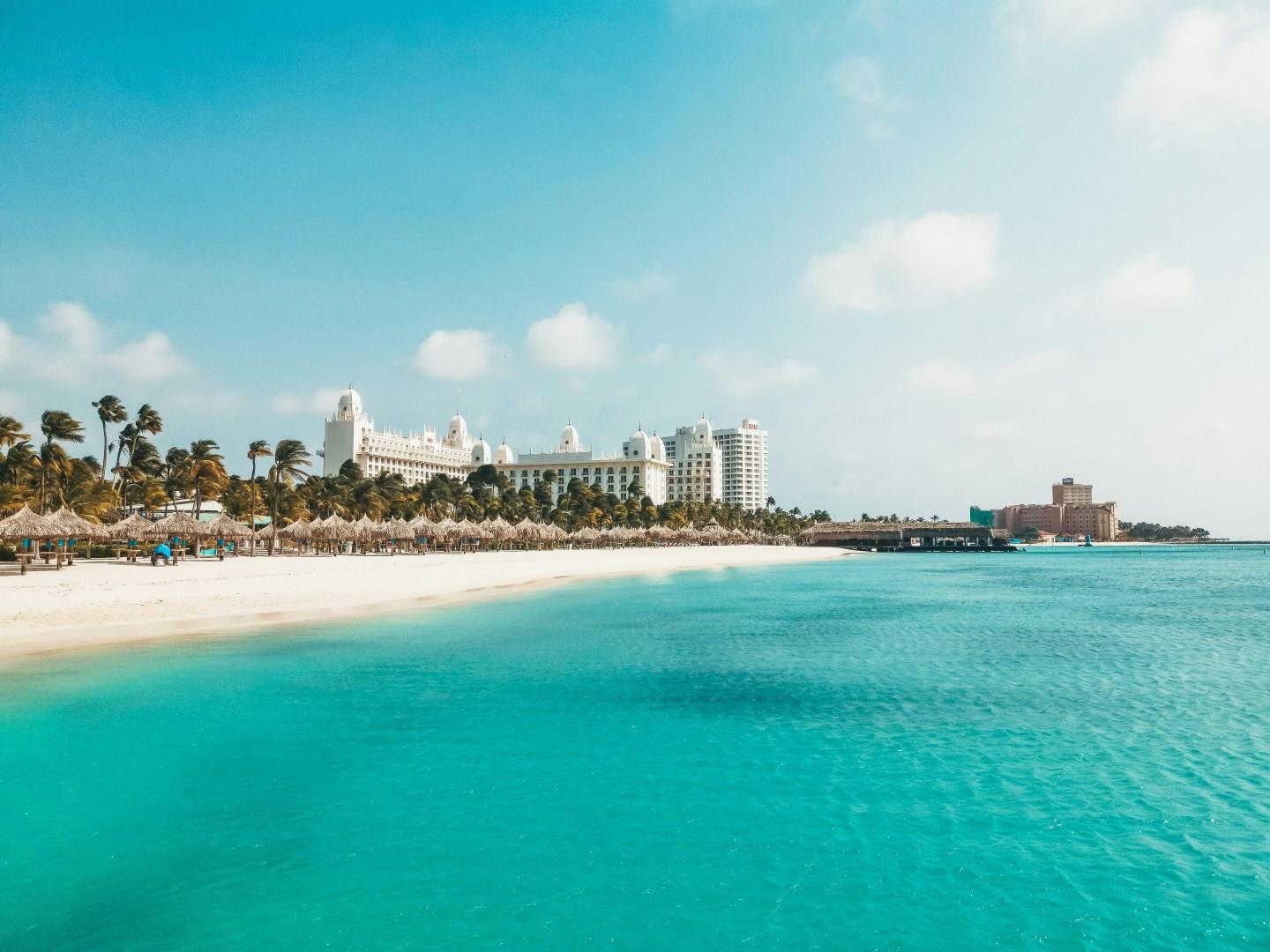
Palm Beach
Palm Beach, located on Aruba’s northwest coast, is the island’s most famous stretch of sand: a two-mile ribbon of soft white shore lined with turquoise waters and a lively resort scene.
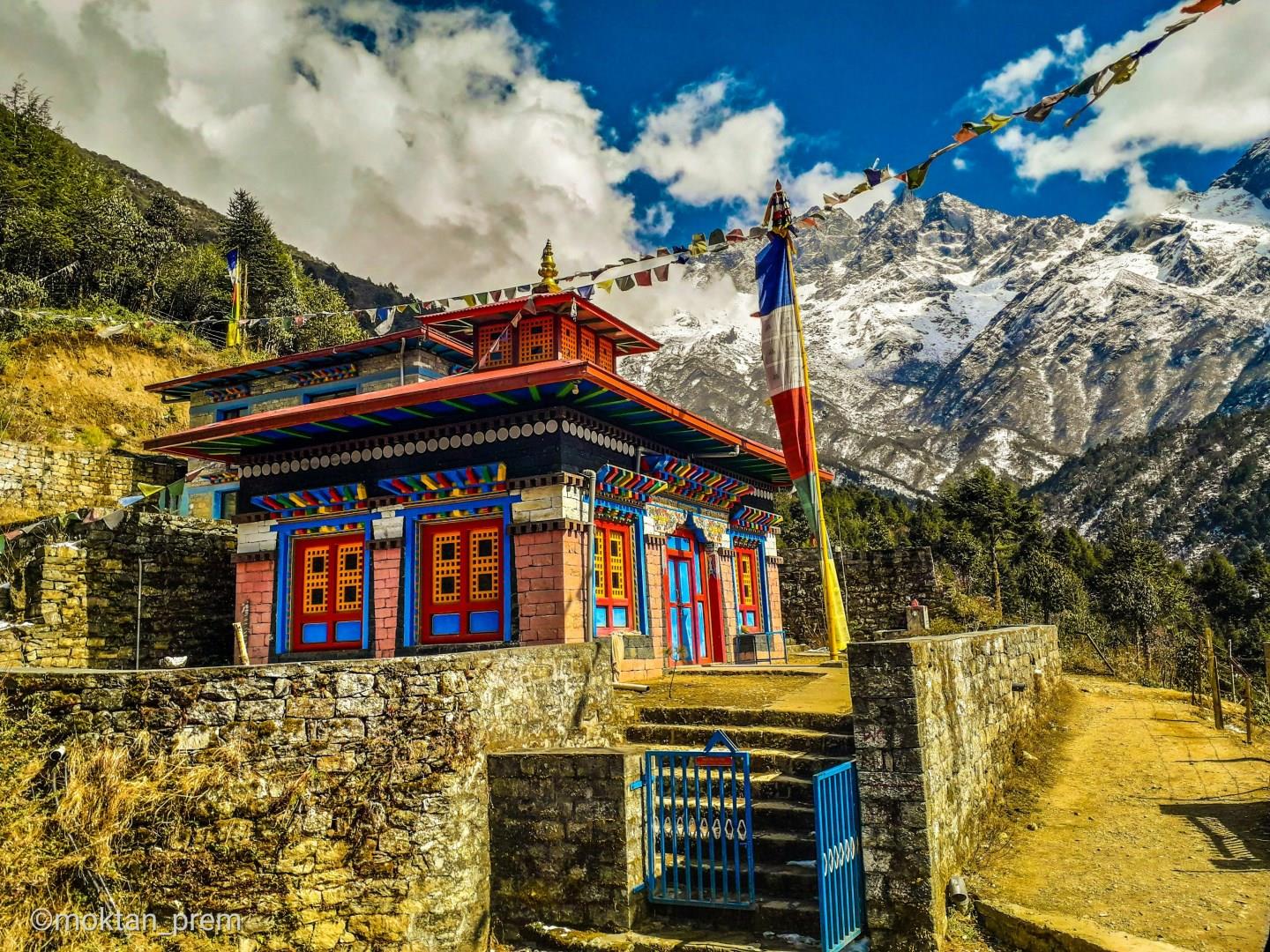
Lukla
Lukla, a mountain town perched at 2,860 meters in eastern Nepal, is best known as the gateway to the Everest region. The town is home to Tenzing-Hillary Airport, one of the world’s most thrilling landing strips, named after the legendary climbers who first reached Everest’s summit in 1953. The short, sloped runway hugs the mountain, offering a once-in-a-lifetime arrival that travelers remember long after their journey ends.
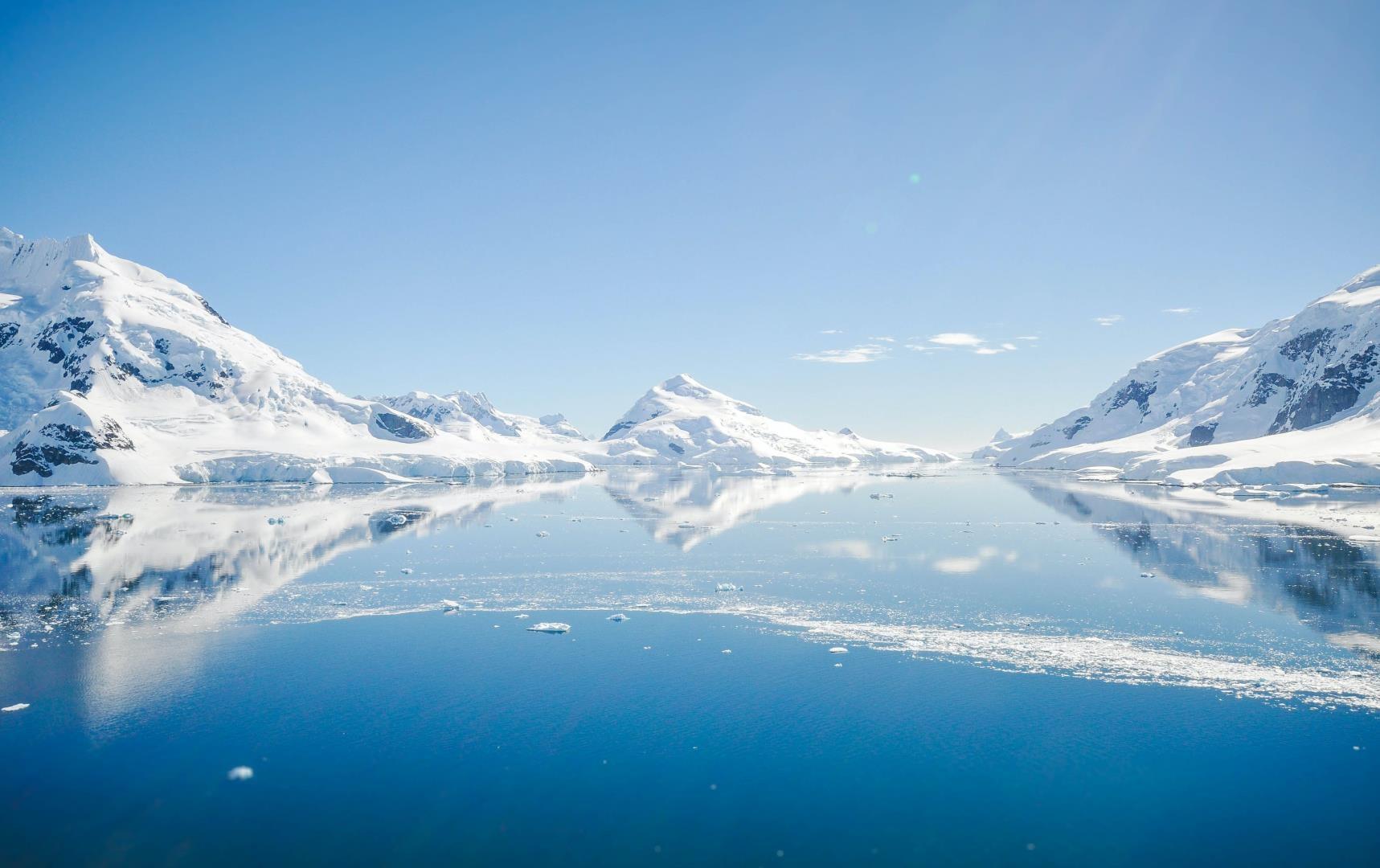
South Shetland Islands
Mist, research stations, and penguins are just a few of the things that define the South Shetland Islands, an archipelago off the coast of Antarctica. These 11 Antarctic islands, most notably King George Island, have served as a base for researchers from Chile, Argentina, and a variety of other countries. The archipelago has also become a popular cruise destination for tourists to the Antarctic region.
