

Pula
Pula, a historic city located on the Istrian Peninsula in Croatia, is renowned for its impressive Roman heritage and vibrant cultural scene. The city's centerpiece is the Pula Arena, one of the best-preserved Roman amphitheaters in the world. This monumental structure, built in the 1st century AD, offers visitors a glimpse into ancient spectacles and gladiatorial contests. Today, it hosts various events, including concerts and film festivals.

Limassol
Cut length wise by the Turkish/Greek border, the island of Cyprus leads two lives. The Turkish side is traditional and Islamic, while the Greek side is a very modern vacation destination.
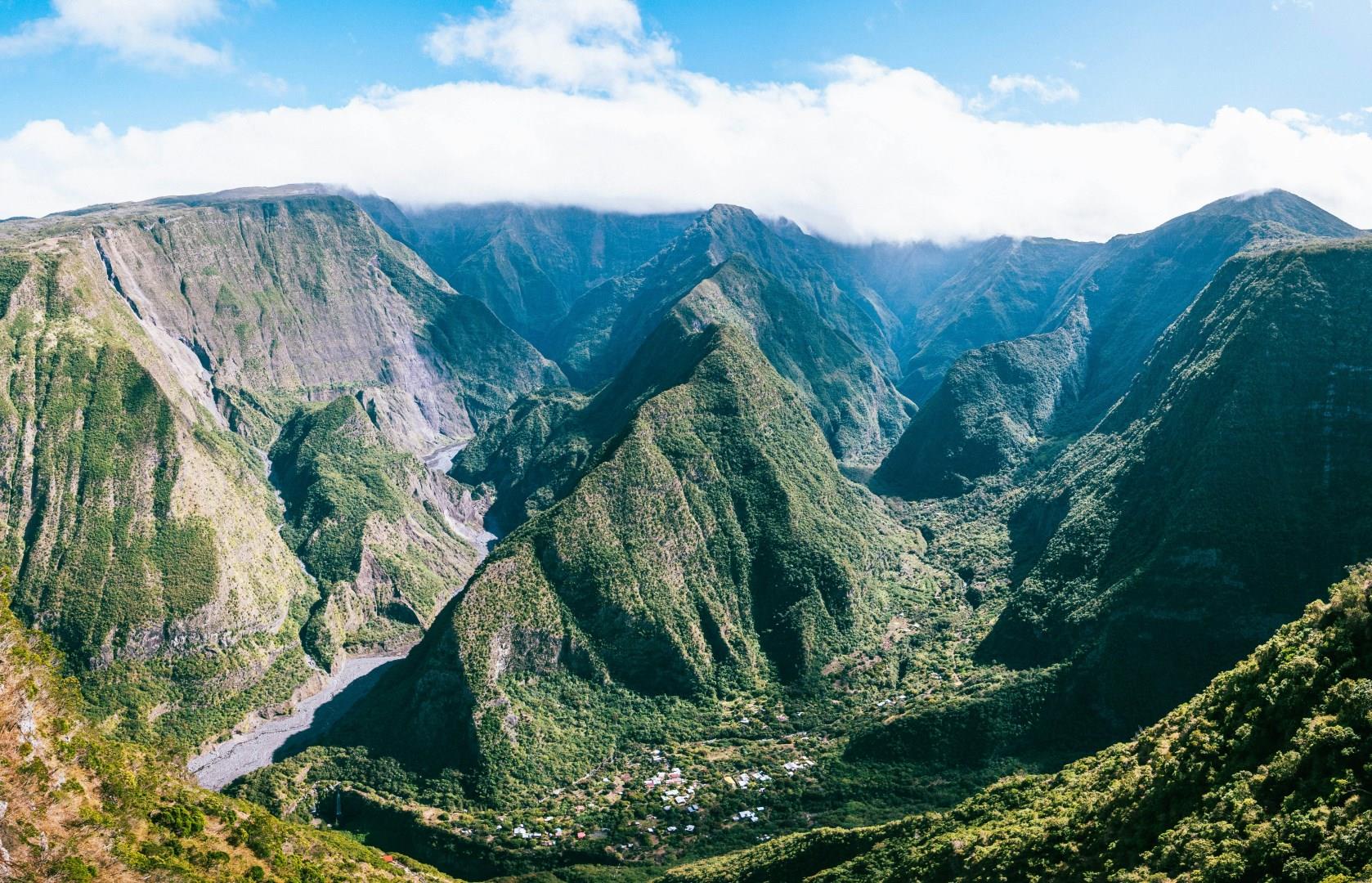
Réunion
Réunion, a French overseas department in the Indian Ocean, lies east of Madagascar and combines European and Creole influences in a tropical setting. Its volcanic landscapes, lush forests, and coastal towns make it an extraordinary destination for those seeking both culture and nature.

Manaus
Manaus, capital of Brazil’s Amazonas state, is a city that rises unexpectedly from the rainforest. Once the center of the global rubber boom in the late 1800s, Manaus still holds onto that legacy with surprising elegance. The Teatro Amazonas, an opulent opera house imported piece by piece from Europe, sits at the heart of the city, its pink façade and domed roof tiled in the colors of the Brazilian flag. Today, it hosts concerts, festivals, and curious visitors eager to step back in time.

Mikumi National Park
Mikumi National Park, located in Tanzania's southern highlands, offers a pristine and relatively undiscovered safari experience. Spanning over 3,230 square kilometers, Mikumi is part of the larger Selous Ecosystem, providing a diverse range of habitats from open grasslands to dense miombo woodlands. This park is an excellent choice for those seeking a more tranquil alternative to the more frequented Serengeti and Ngorongoro Crater.
