

Hiroshima
Hiroshima, a city on Japan’s Honshu Island, is a place where history and resilience intertwine to create a destination that is both deeply moving and inspiring. Beyond its historical significance, Hiroshima offers visitors a vibrant cultural scene.
Suriname
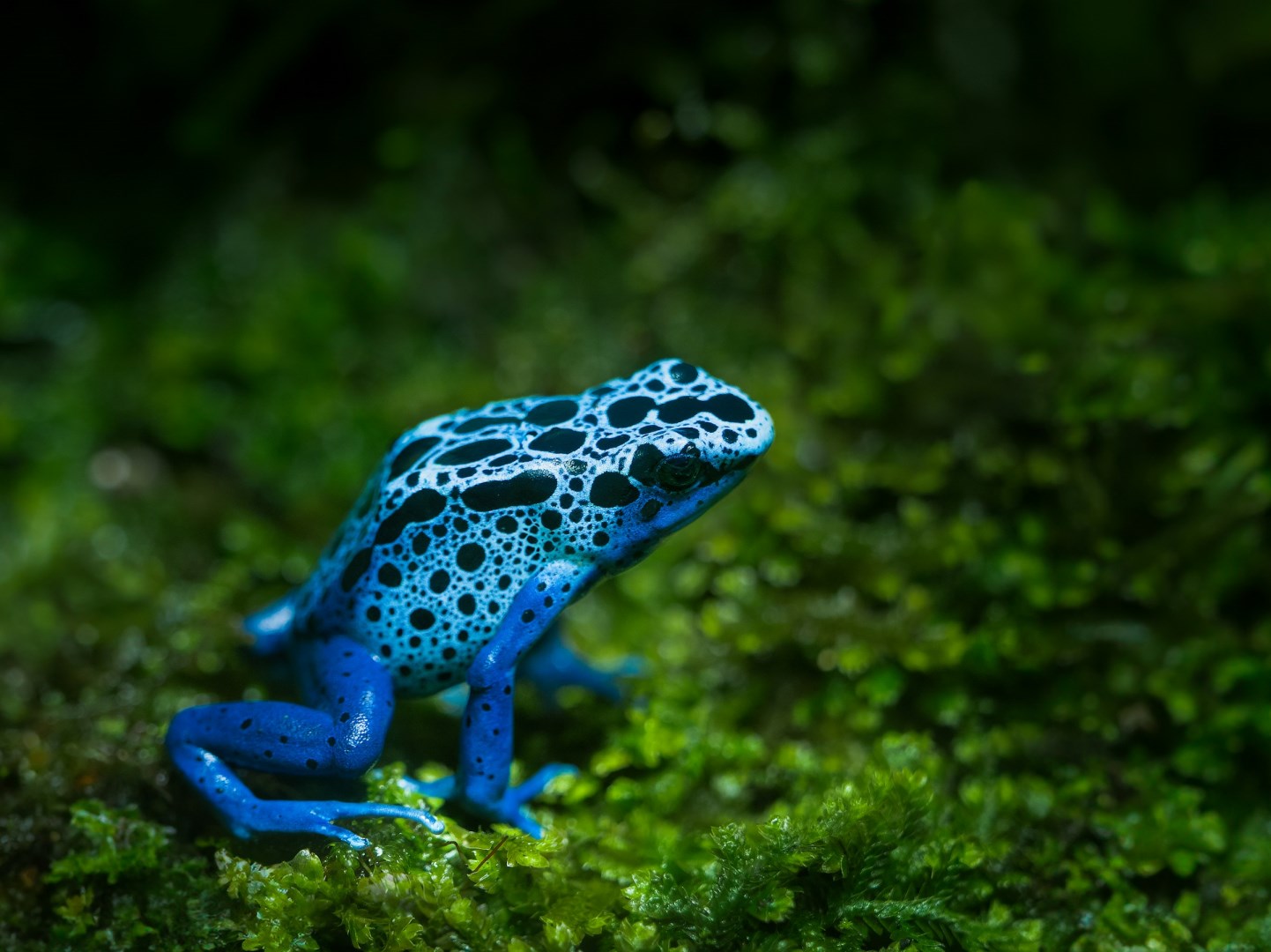
Suriname’s forests cover more than nine‑tenths of the country and house an astounding array of wildlife. The Central Suriname Nature Reserve, one of the largest rainforest sanctuaries on Earth, shelters jaguars, giant river otters, and hundreds of bird species. Nearer the capital, Brownsberg Nature Park offers forest trails and waterfalls amid 1,450 plant and 350 bird species, just a short drive from Paramaribo.
San Antonio
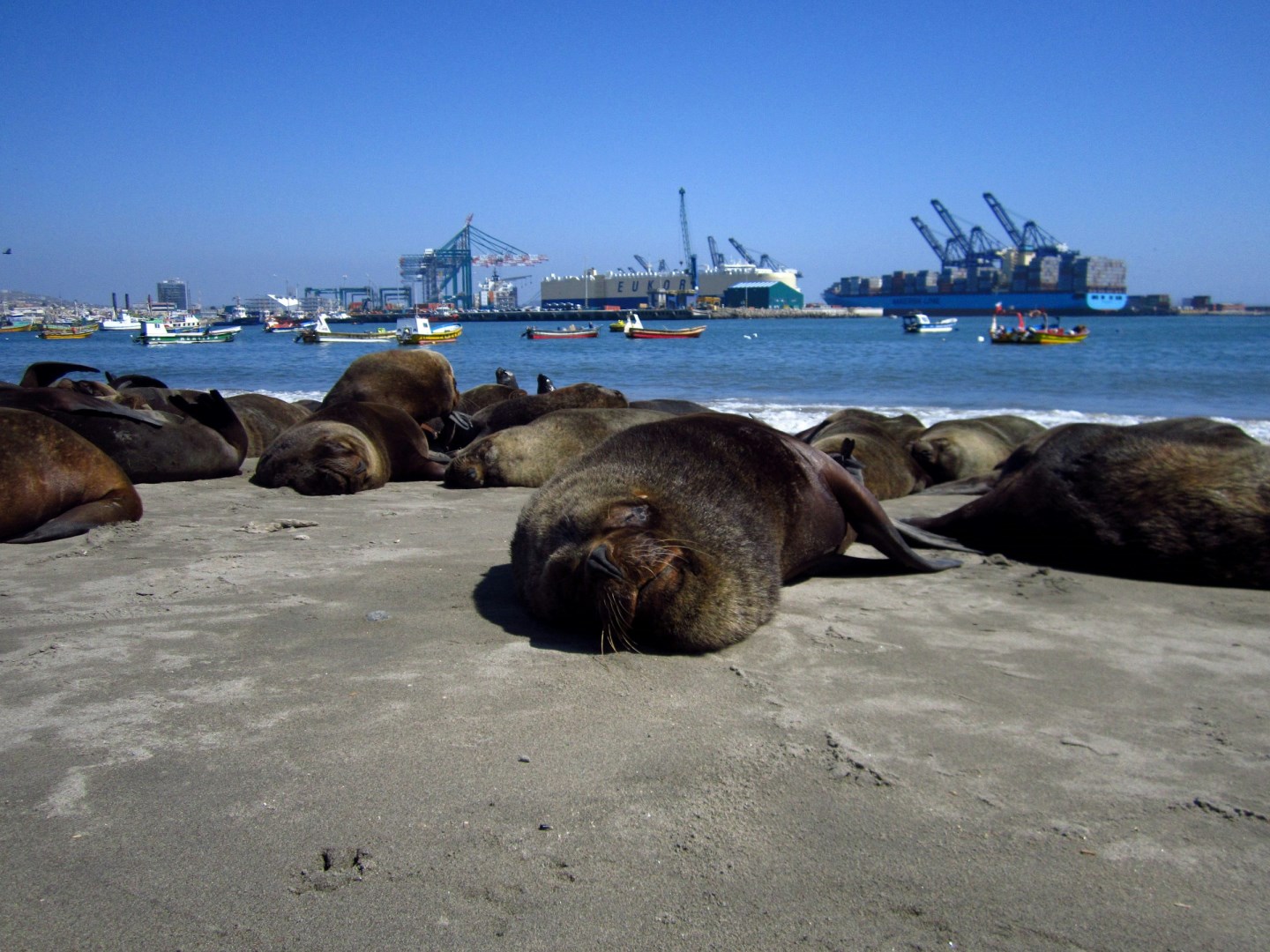
San Antonio, a coastal city in central Chile, offers a delightful blend of maritime charm and cultural vibrancy. Known for its bustling port and picturesque waterfront, San Antonio provides a gateway to the scenic beauty of the Chilean coast. The city's port is one of the most important in the country, making it a hub of activity and a key spot for experiencing Chile's maritime heritage
Bhaktapur
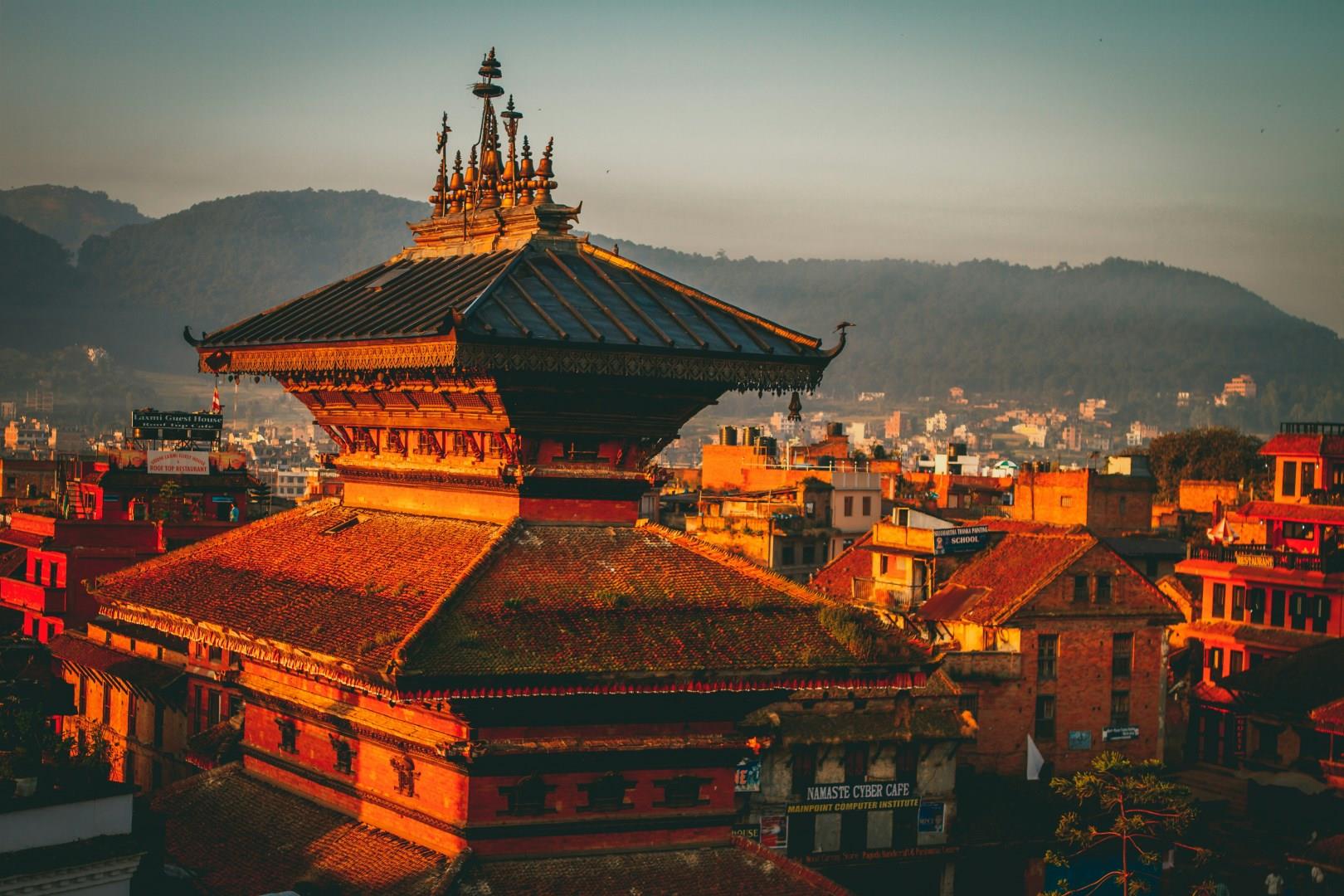
Bhaktapur, located just east of Kathmandu in Nepal, is a city where time seems to slow. Famous for its well-preserved medieval architecture, it is often called a “living museum” due to its abundance of temples, palaces, and courtyards.
Genovesa Island
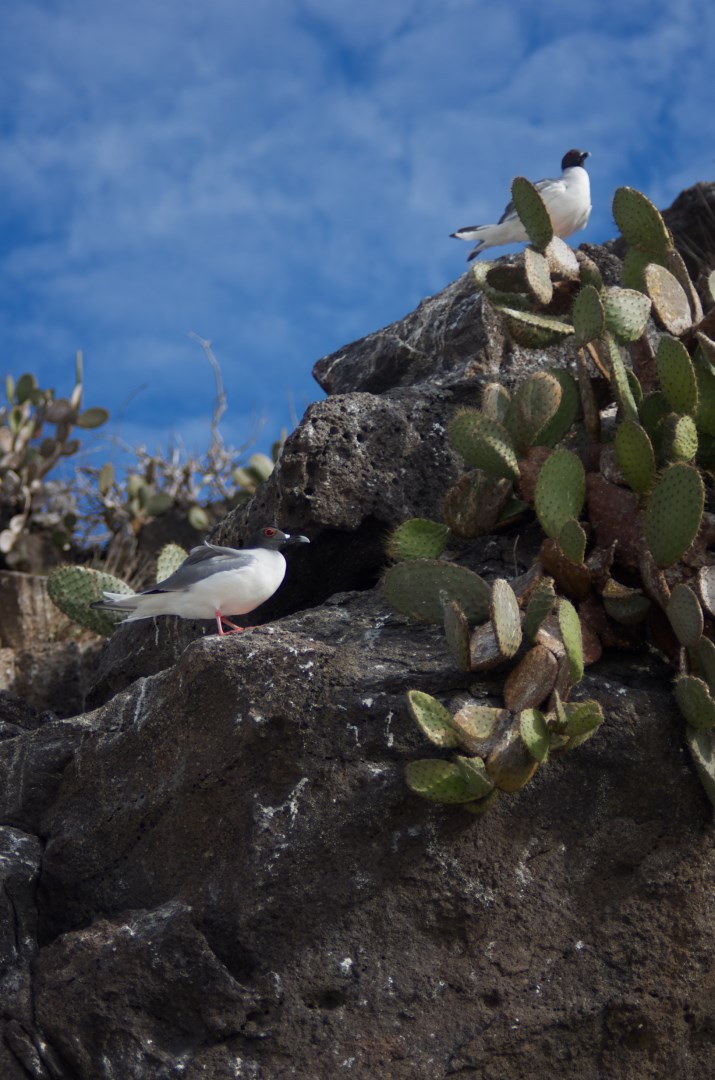
Named after the Italian city of Genoa, Genovesa Island is a dormant volcano in the Galápagos Islands. Its nickname, Bird Island, stems from the large and diverse bird population including storm petrels, red-footed boobies, swallow-tailed gulls and more.
