
Lausanne
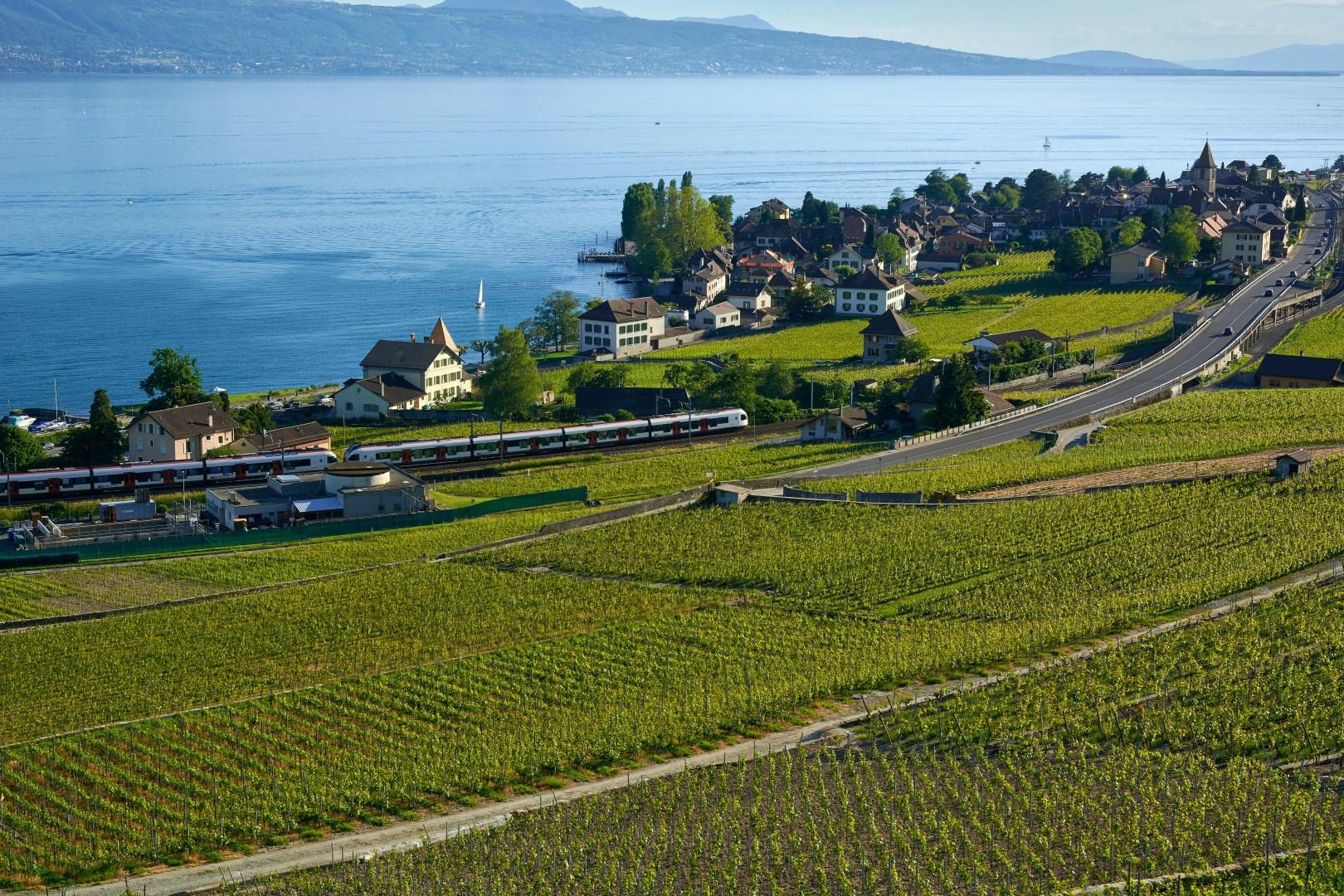
Perched on the northern shore of Lake Geneva, Lausanne is a city that blends centuries of history with a strong cultural identity. It served as a Roman military camp called Lousanna before evolving into a key medieval settlement. Today, visitors can still climb the tower of Lausanne Cathedral, widely regarded as the most impressive Gothic structure in Switzerland. From the top, the view stretches over the rooftops of the Old Town to the vineyards of Lavaux and across the lake to the French Alps.

Fairbanks
Fairbanks is the largest city in Alaska’s Interior and a major center for the region’s communities, education, transportation, and commerce. Located along the Chena River, it lies north of Denali National Park and south of the Arctic Circle. The city is known for dramatic seasonal changes, including long summer days and extended winter darkness.
Khongoriin Els
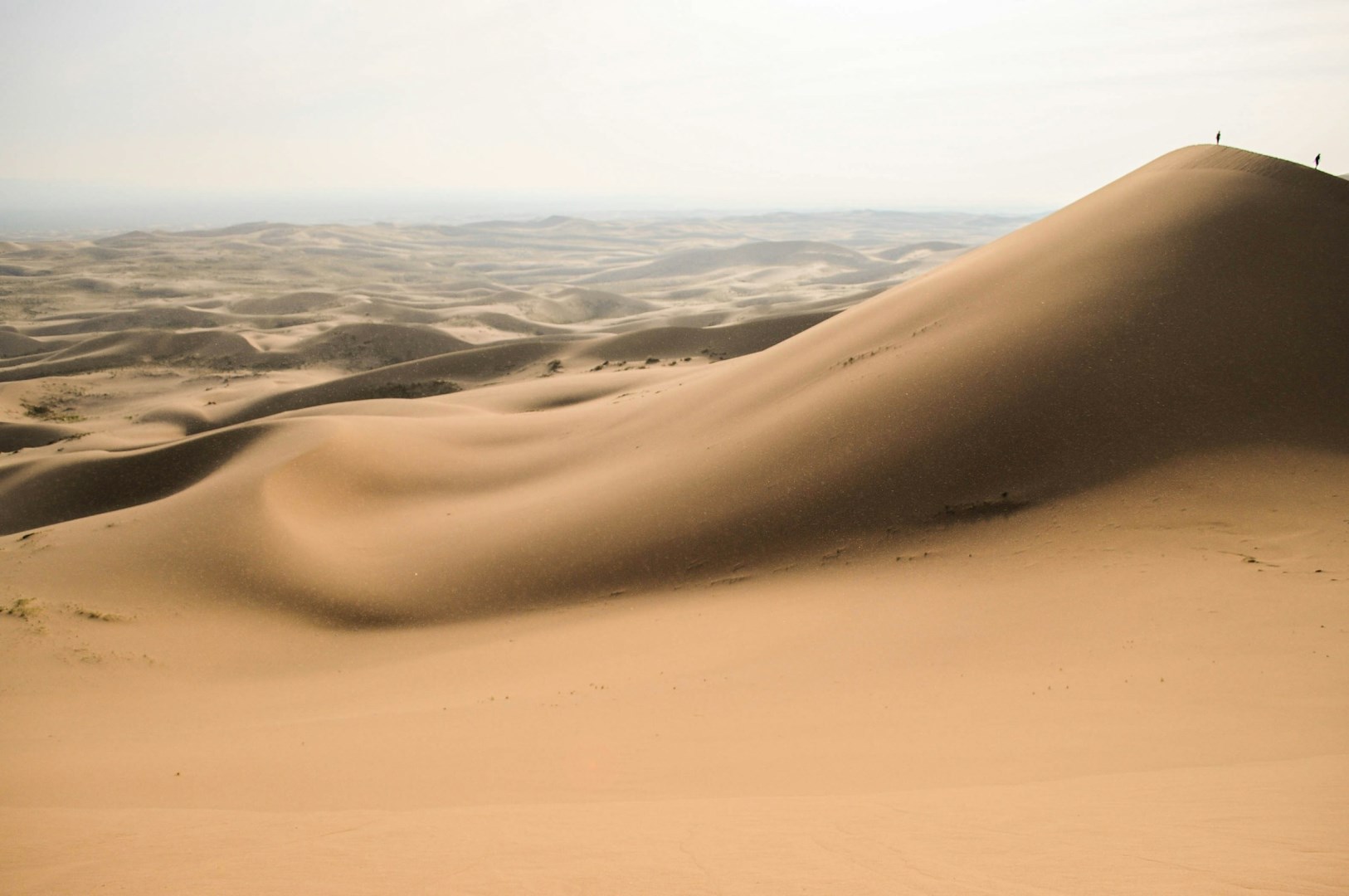
Khongoriin Els is one of the largest sand dune systems in Mongolia's Gobi Desert, located within Gobi Gurvansaikhan National Park in Ömnögovi Province. The dunes extend across a broad desert landscape between rocky mountains and dry plains, with some ridges rising more than 200 meters above the surrounding ground. Wind continually reshapes the sand, creating long lines and shifting slopes across the desert.
Izamal
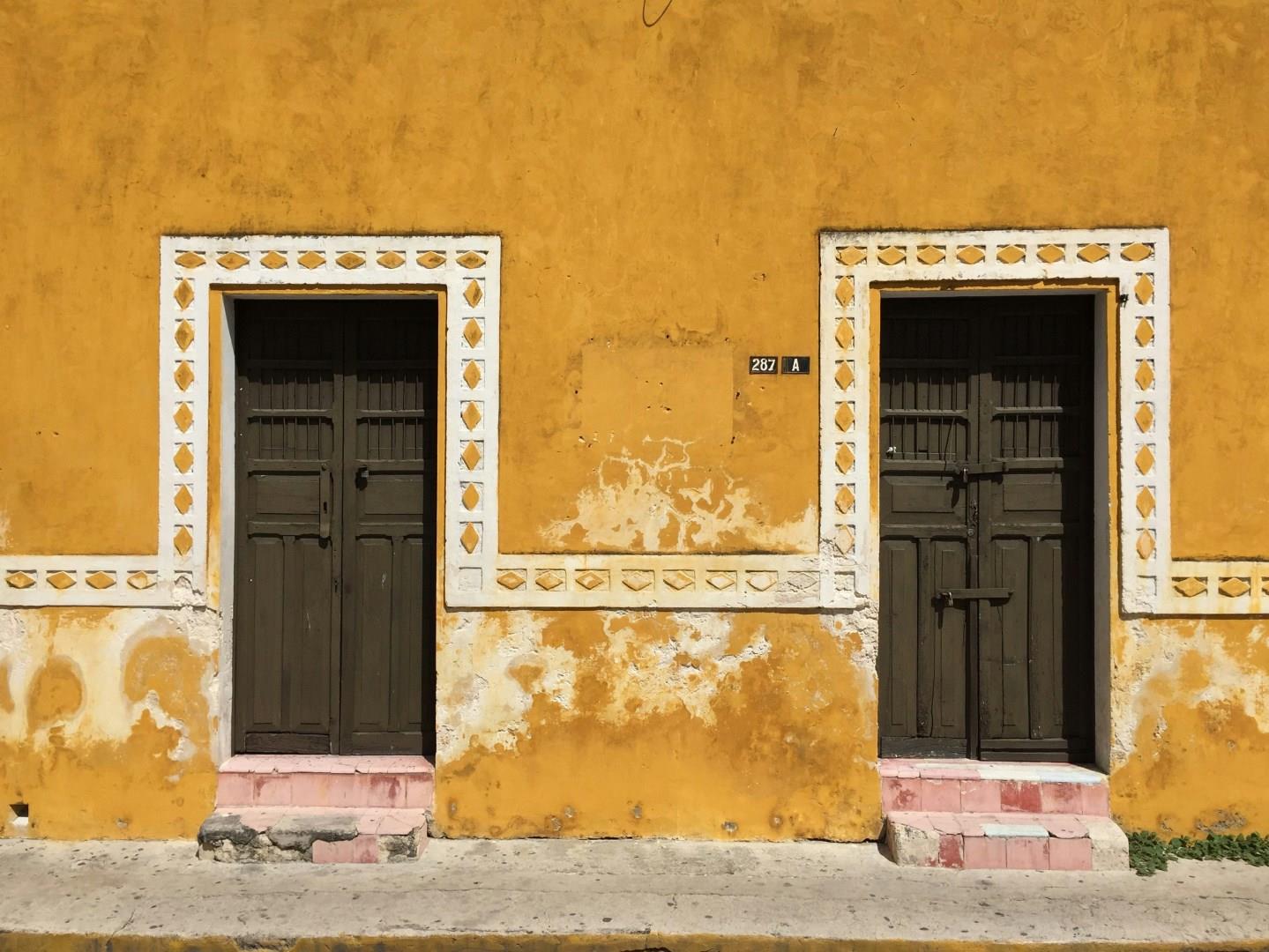
Izamal, located in the heart of Yucatán, stands out as a city where centuries of history are layered in plain sight. Known as the “City of Three Cultures,” it combines ancient Maya ruins, Spanish colonial architecture, and modern-day Yucatecan life. One of the most striking features of Izamal is its golden-yellow buildings, painted this distinctive color in honor of Pope John Paul II’s visit in 1993.
Mkuze
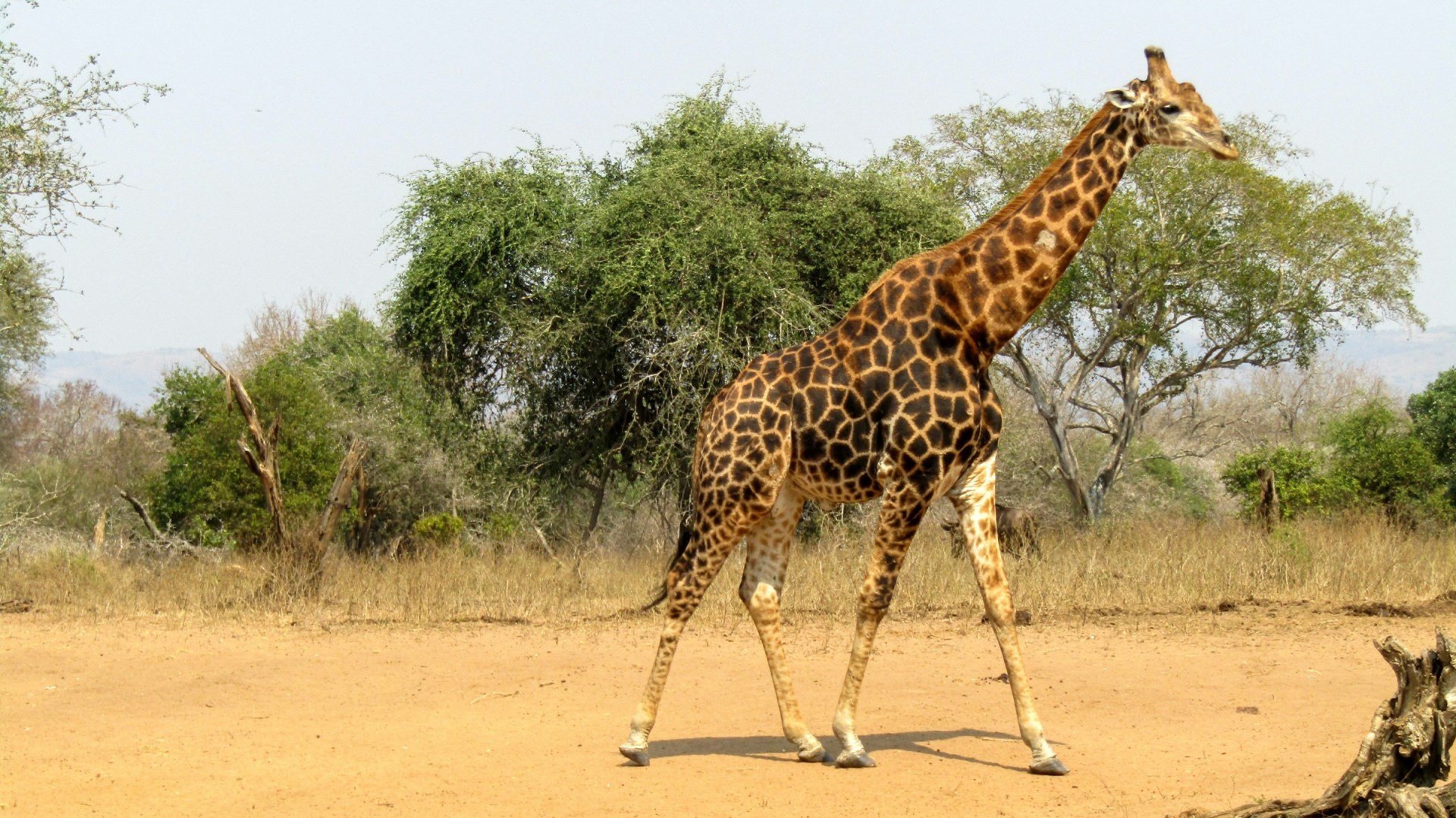
Mkuze is a small town in northern KwaZulu-Natal, situated within the uMkhanyakude District near the Lebombo Mountains and the eastern edge of the Pongola River system. It serves as a regional centre for the surrounding rural communities and provides access to some of the province’s important wildlife areas.
