
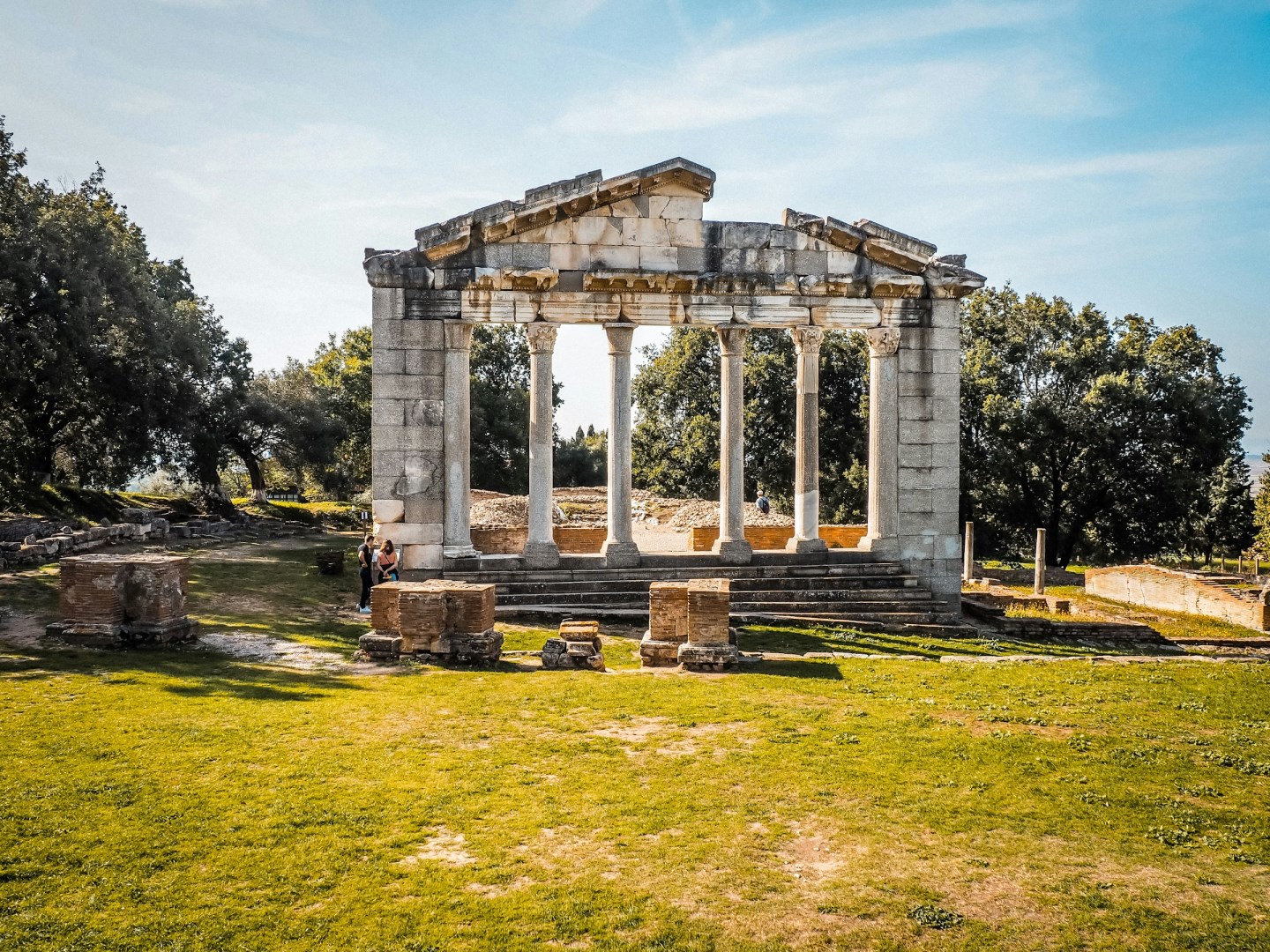
Apolonia
Apolonia, an ancient Roman city is famous for its exceptional ruins. See the city walls, the Bouletherion, the Odeon and the library.

Heimaey
Heimaey, the largest island in Iceland’s Vestmannaeyjar archipelago, is a captivating destination renowned for its dramatic landscapes and volcanic history. A visit to Heimaey offers a unique blend of natural beauty and cultural heritage.
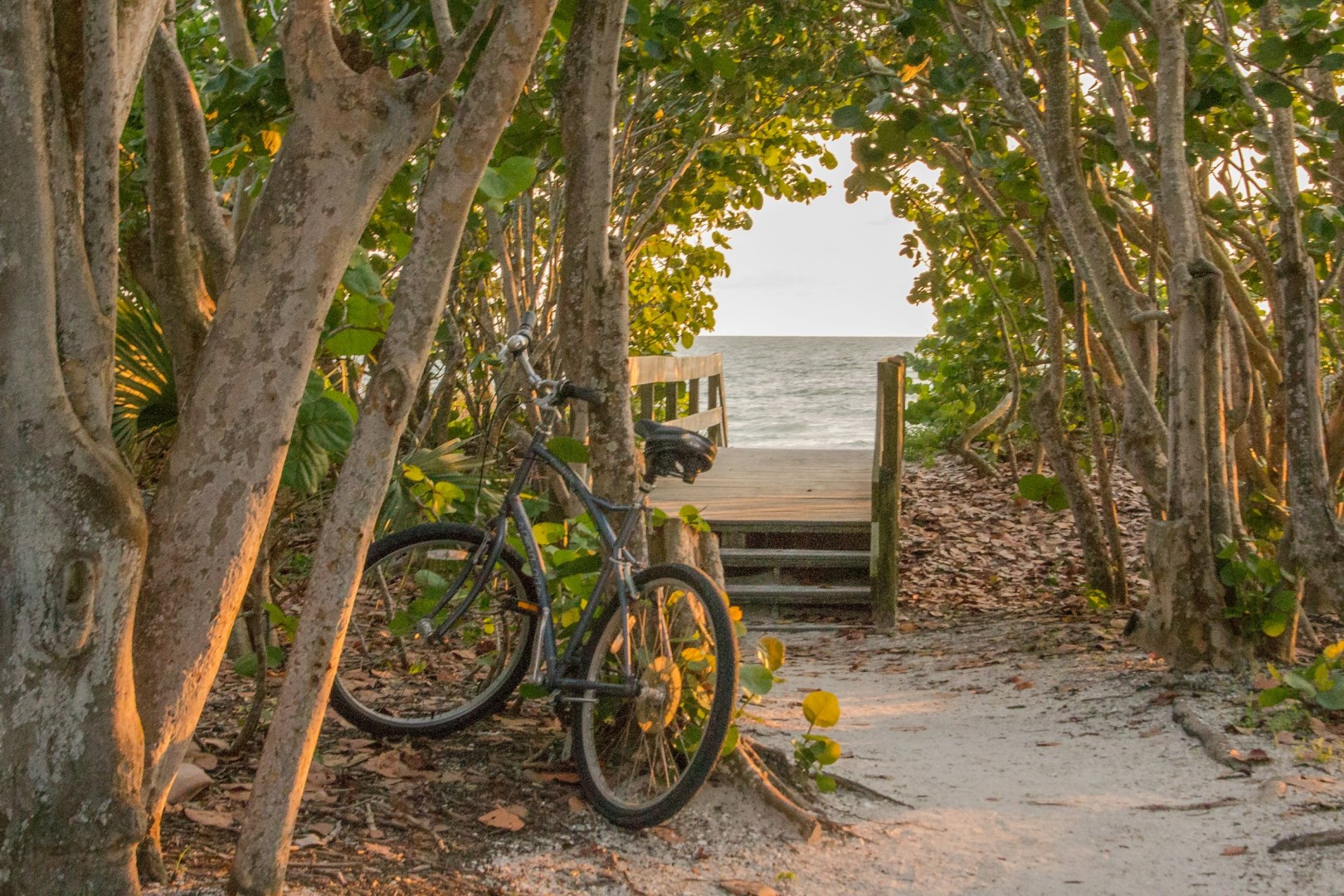
Sanibel Island
Half of the land on Sanibel island is designated as natural areas with two preserves protecting the island ecology and wildlife, while the other half offers resort and glistening beaches.
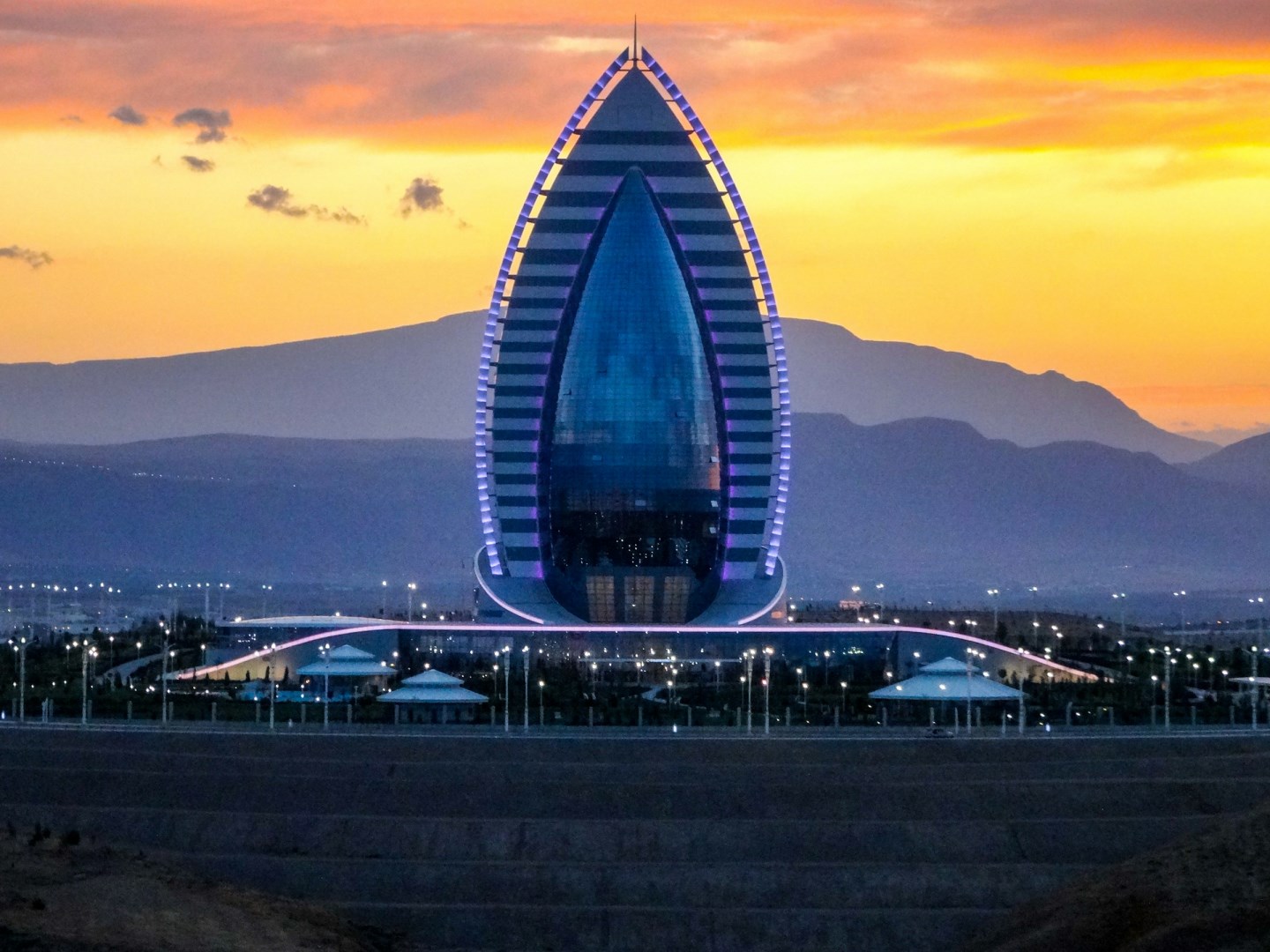
Ashgabat
Ashgabat (formerly Ashkhabad) is the capital and the largest city of Turkmenistan. In Persian, the name means "city of love." Notable attractions include the Karakum Canal, the Trans-Caspian railway, and numerous monuments and museums to explore.

Durban
Durban is a big subtropical city in the north-eastern province of KwaZulu/Natal. It has been a major port since the 1850s and is home to the largest concentration of Indian-descended people in the country - Mohandas Gandhi arrived here as an indentured labourer in 1893. Today the city is better known as a holiday-makers' fun parlour with a happening nightlife.
