

Guernsey
Guernsey, the second-largest of the Channel Islands, blends coastal landscapes with a deep-rooted history shaped by centuries of outside influence. Though located closer to France than to mainland Britain, Guernsey is a British Crown Dependency with its own government and a distinct identity. The capital, St Peter Port, is a hillside town overlooking a natural harbor, where visitors can explore narrow lanes, stone stairways, and 18th-century buildings.
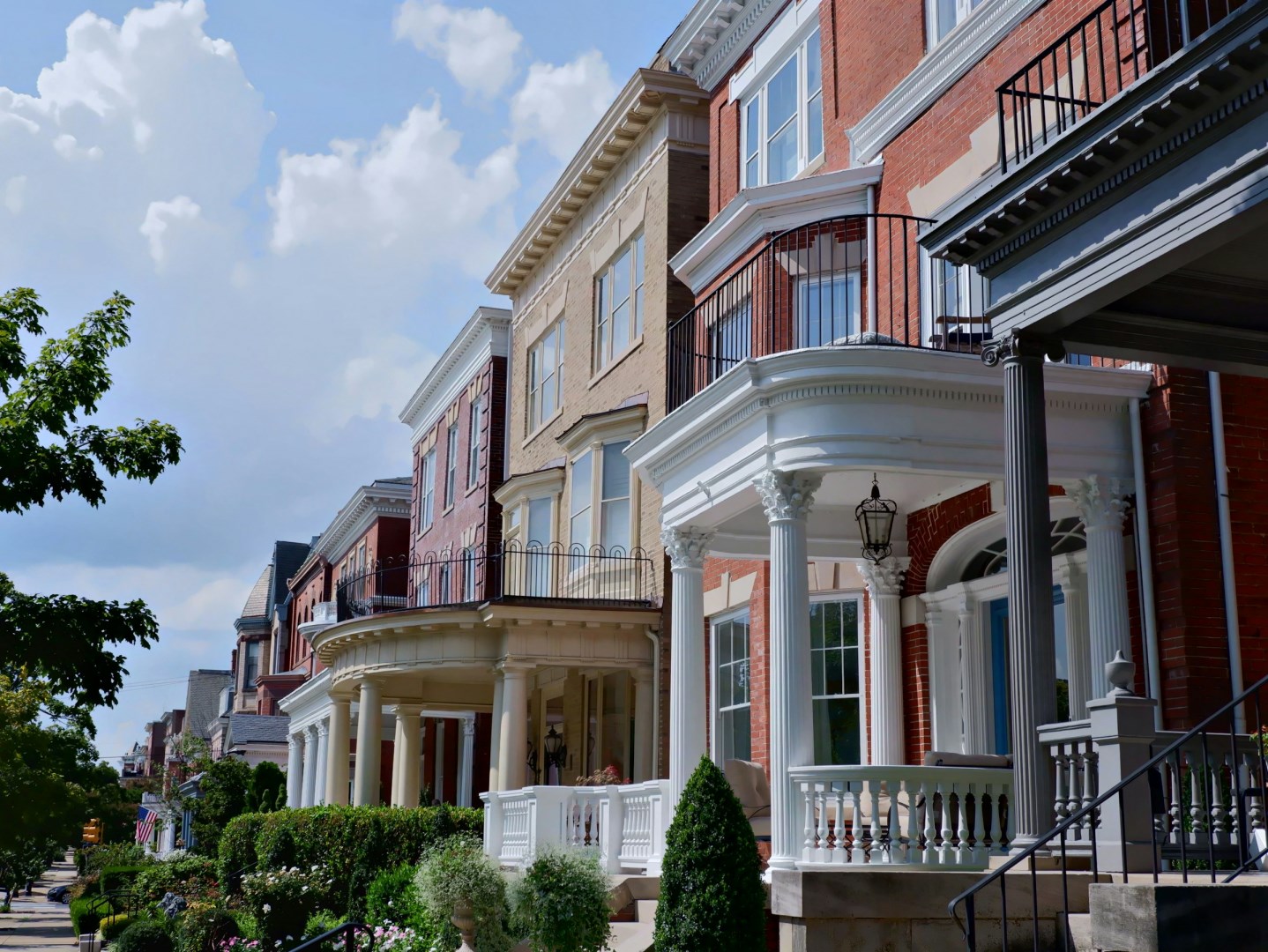
Richmond
Located along the James River, Richmond offers historic areas dealing with the early years of America.

Phnom Penh
Phnom Penh, the capital of Cambodia, is a city where history, culture, and riverside life intersect. Situated at the confluence of the Mekong and Tonle Sap rivers, the city has a lively riverfront that serves as both a social gathering place and a hub for commerce.
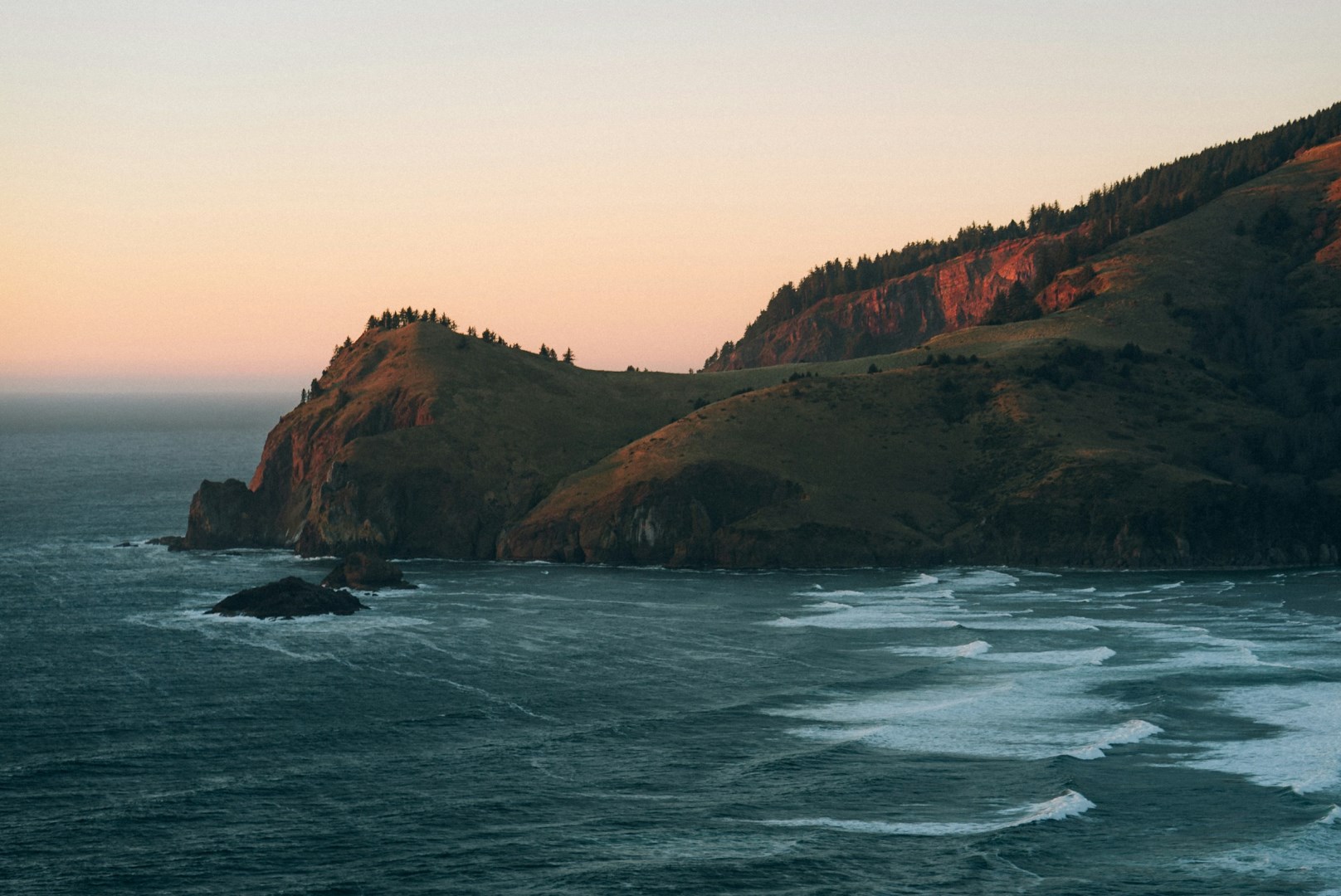
Lincoln City
On the Oregon Coast, Lincoln City is more a collection of beach towns strung along 7.5 miles of ocean, than a city....Fans of sports or nature walks find pieces of heaven. River, lake or ocean, fishers can take their pick. The boutiques, shops, galleries and national brand factory outlets say that you've found a place where shopping really is a day at the beach.

Akron
Akron is the headquarters for the country's largest rubber companies, including Firestone, Goodyear, and General Tire. Akron is also home to the Goodyear Aerospace Corporation Air Dock, headquarters for the Goodyear blimp.
