
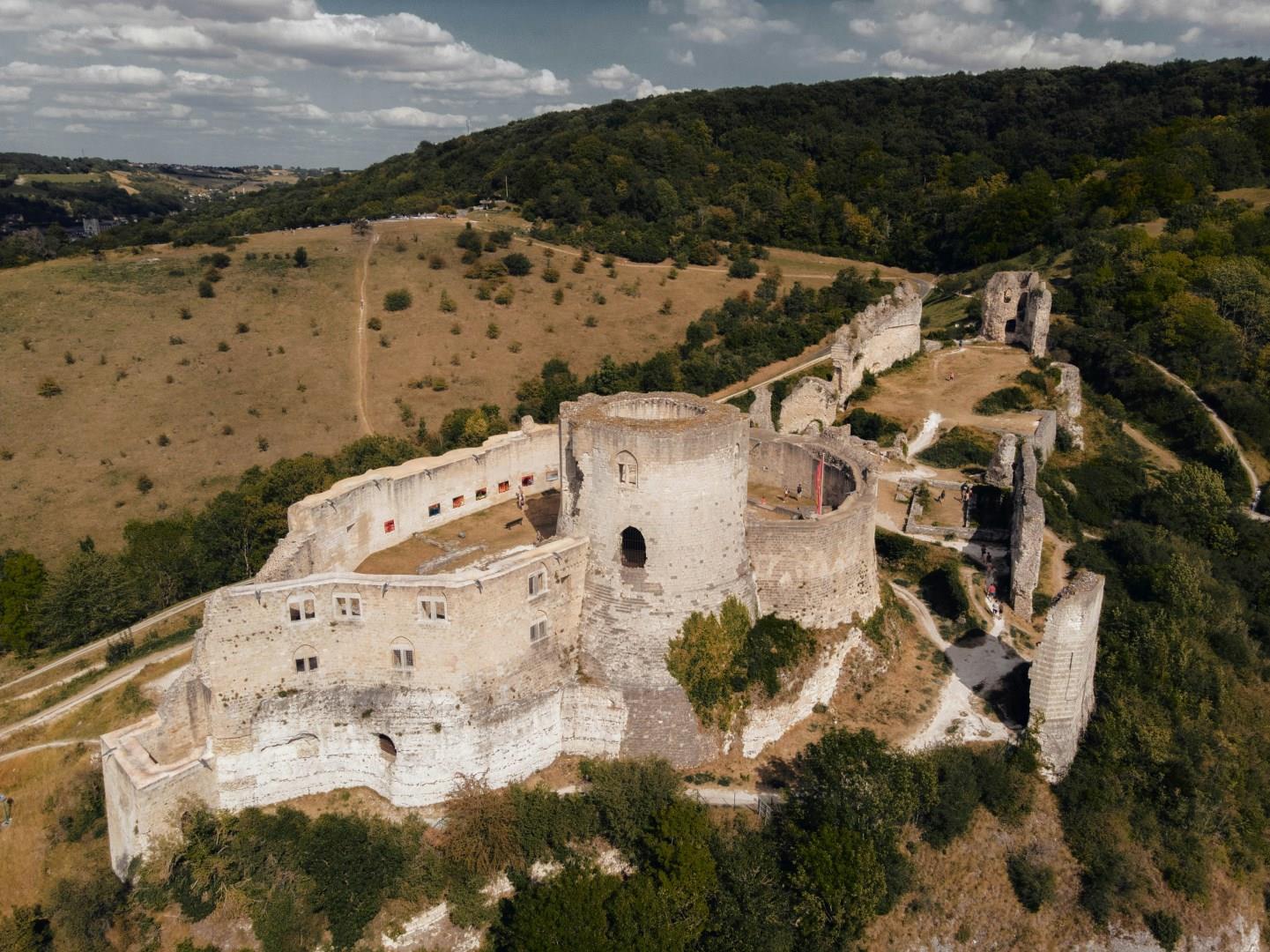
Les Andelys
Les Andelys, a picturesque town on the banks of the Seine in Normandy, France, is best known for its dramatic setting beneath the ruins of Château Gaillard. This medieval fortress, built in the 12th century by Richard the Lionheart, stands high on a chalk cliff overlooking the river, a reminder of the region’s turbulent past during the wars between England and France.
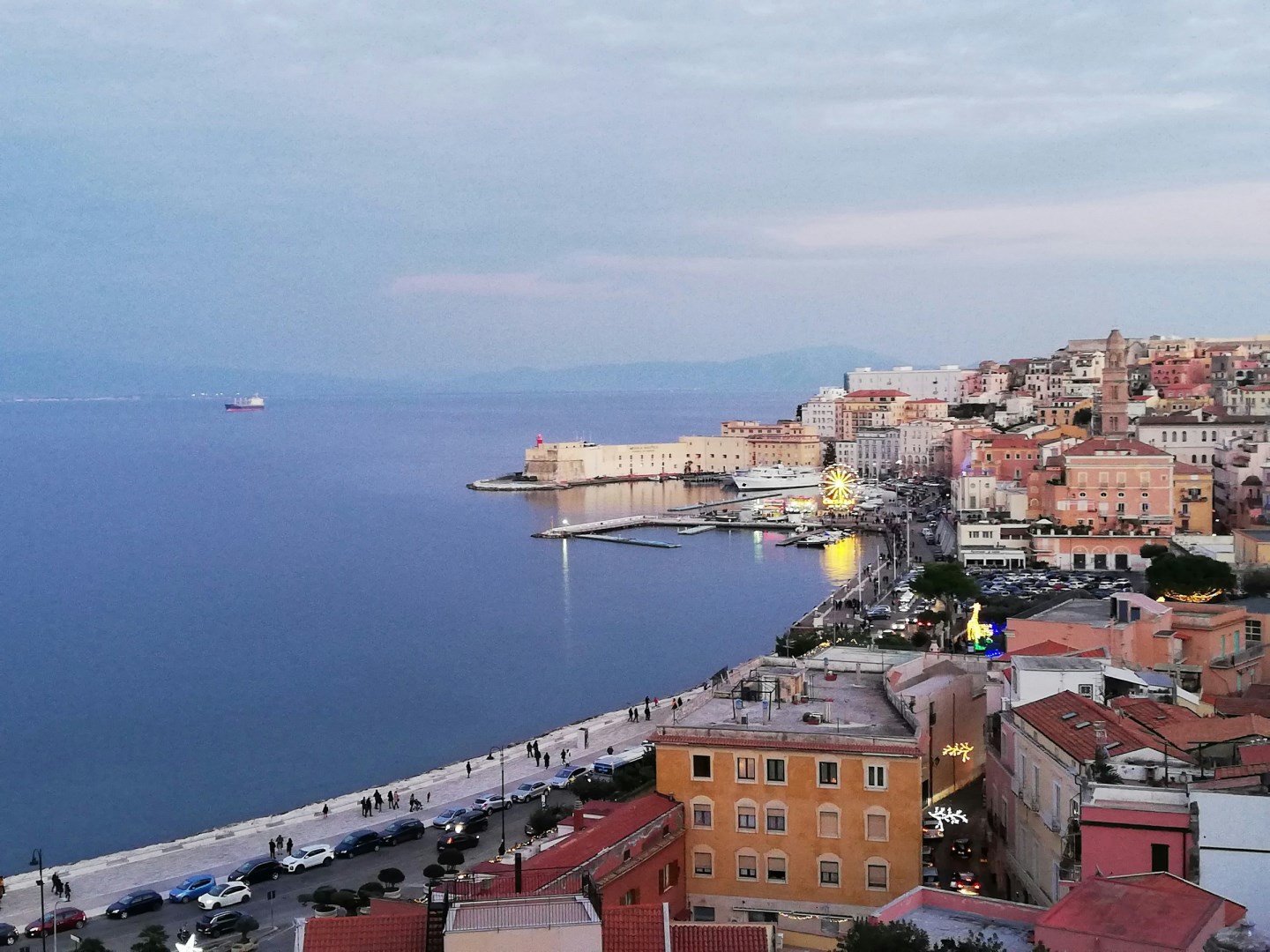
Gaeta
A fishing port and seaside resort in a picturesque location. The old town is dominated by a castle (7th century). The cathedral (1279) is notable for its admirable sculptures and paintings as well as its Arab-Norman bell tower. The mausoleum of Lucius Munatius Plancus, an impressive Roman monument, is cylindrical in shape and 13 meters high. The sanctuary of Montagna Spaccata is at Punta della Trinità, where you can see a chasm which is traditionally said to have opened up on the death of Jesus.

La Digue
La Digue, the fourth-largest island in the Seychelles, offers a quintessential tropical paradise experience. Known for its idyllic beaches and charming laid-back atmosphere, La Digue is a haven for nature lovers and those seeking a serene escape. The island’s most iconic beach, Anse Source d'Argent, is renowned for its stunning granite boulders and crystal-clear waters, making it one of the most photographed beaches in the world.
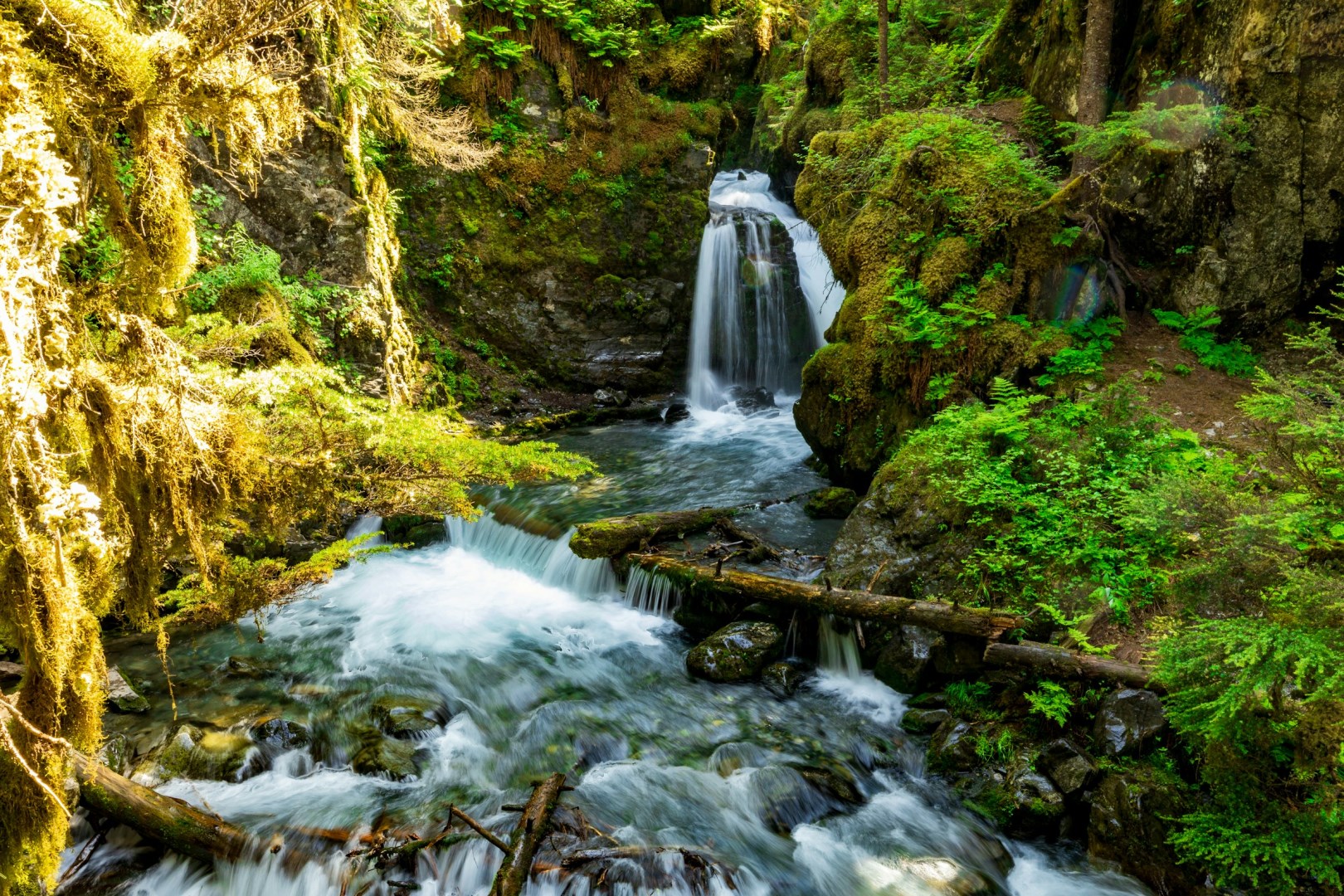
Girdwood
Girdwood is a small community in south-central Alaska, located within the Municipality of Anchorage between the Chugach Mountains and Turnagain Arm. The valley is surrounded by steep mountains, glaciers, temperate rainforest, and open wetlands, creating a landscape that changes noticeably with the seasons.
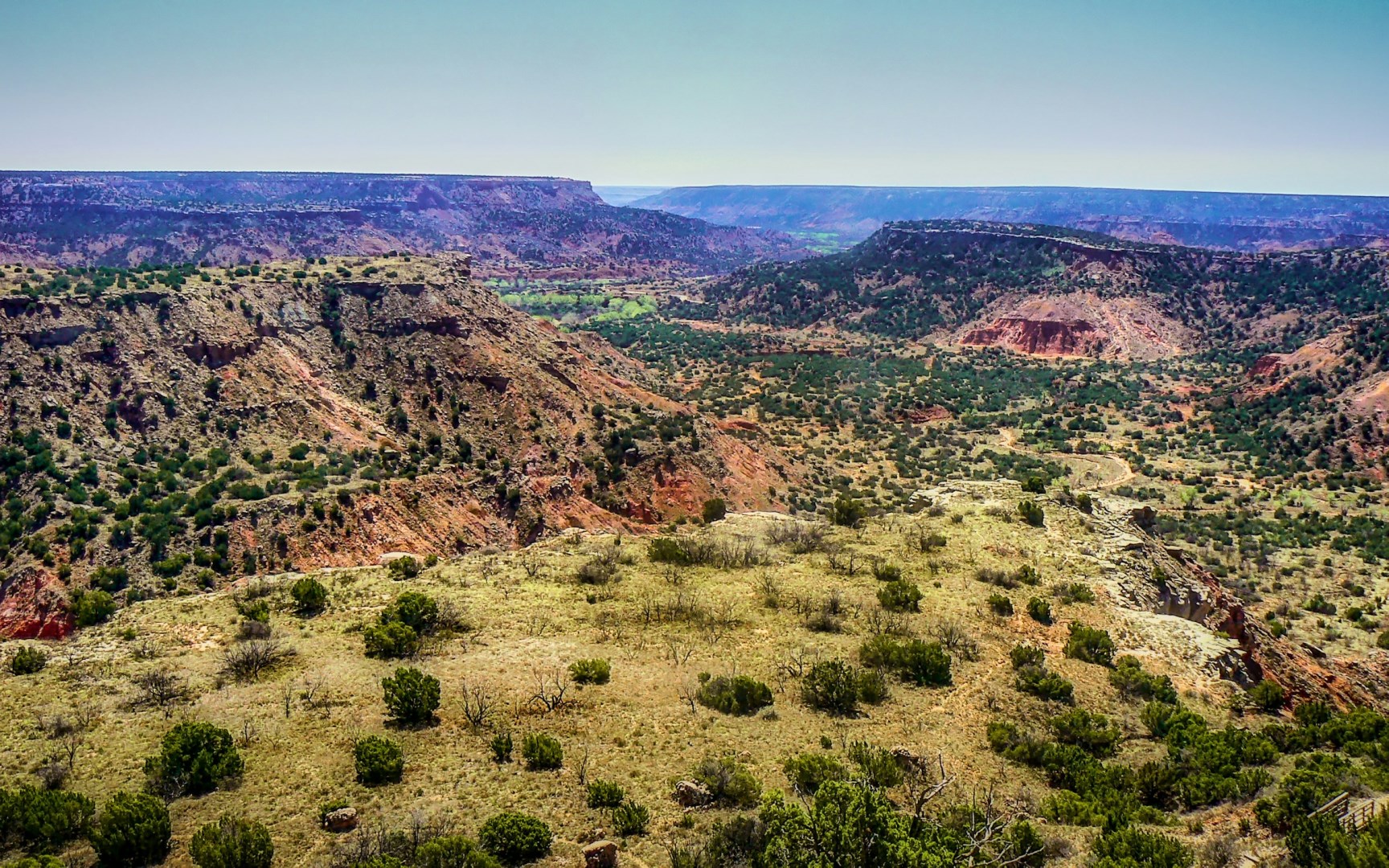
Palo Duro Canyon State Park
Palo Duro Canyon State Park lies in the Texas Panhandle near Canyon, protecting a section of Palo Duro Canyon, often called the “Grand Canyon of Texas.” The canyon stretches through the surrounding High Plains, with layered rock walls, mesas, buttes, and dry grasslands creating a landscape distinct from most of Texas.
