

Bulgaria
Bulgaria is a republic in southeastern Europe. The capital and largest city is Sofiya. Bulgarian culture has been influenced successively by Byzantine, Greek, Russian, and Western cultures.
Girdwood
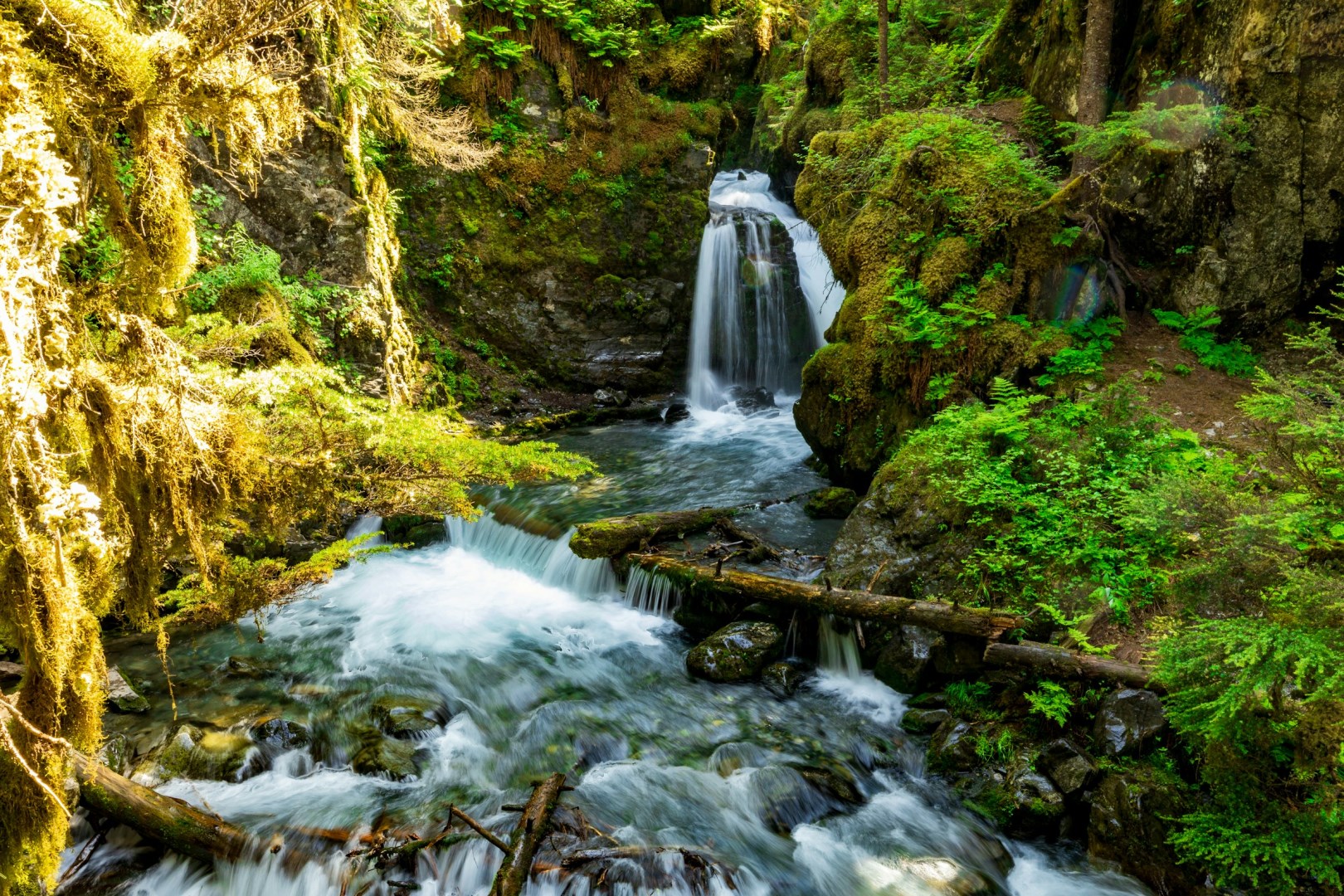
Girdwood is a small community in south-central Alaska, located within the Municipality of Anchorage between the Chugach Mountains and Turnagain Arm. The valley is surrounded by steep mountains, glaciers, temperate rainforest, and open wetlands, creating a landscape that changes noticeably with the seasons.
Visegrád
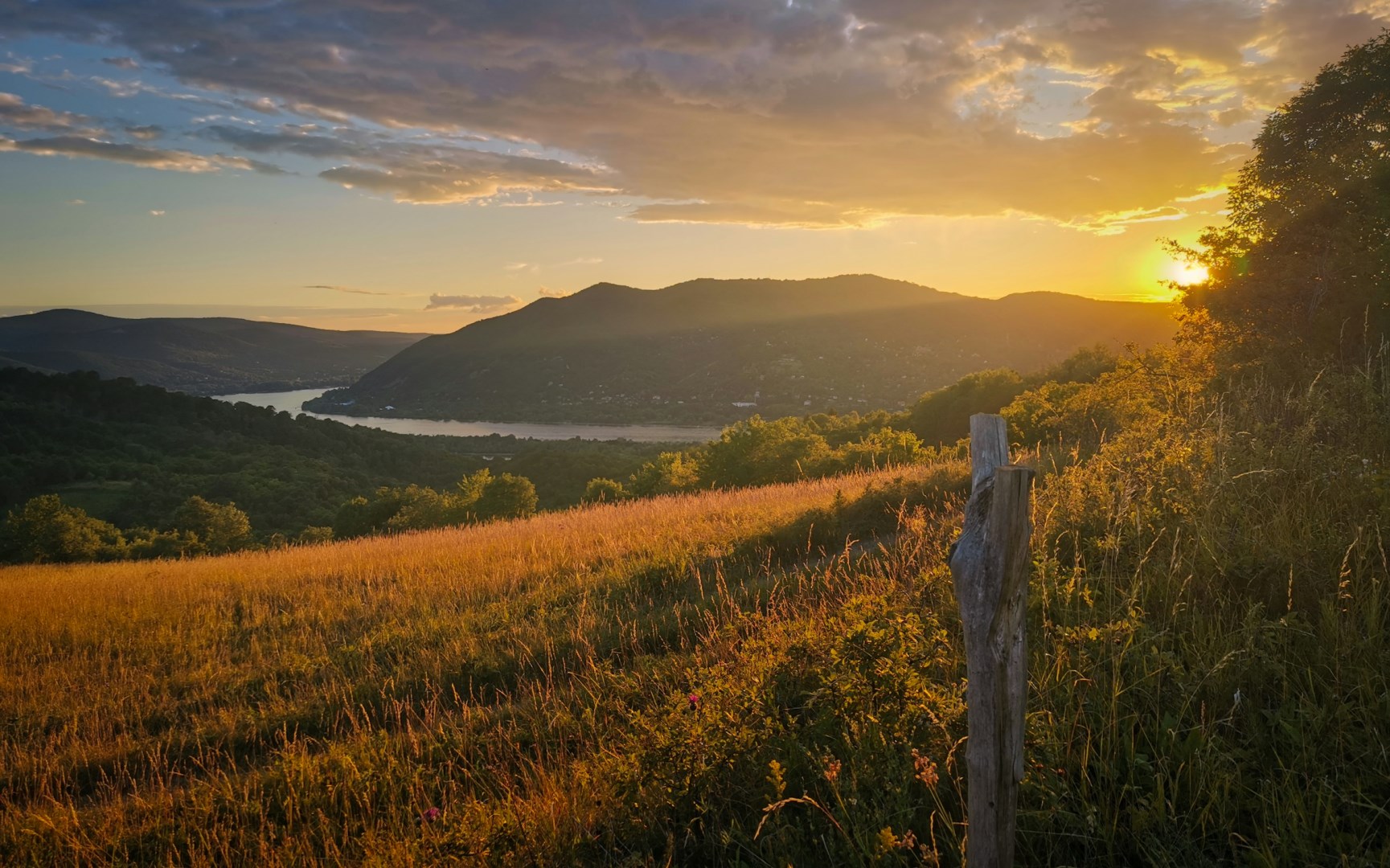
A resort town with a 14th century castle that has a magnificent view of the Danube Bend and the Borzsony Mountains.
Lagoa do Fogo
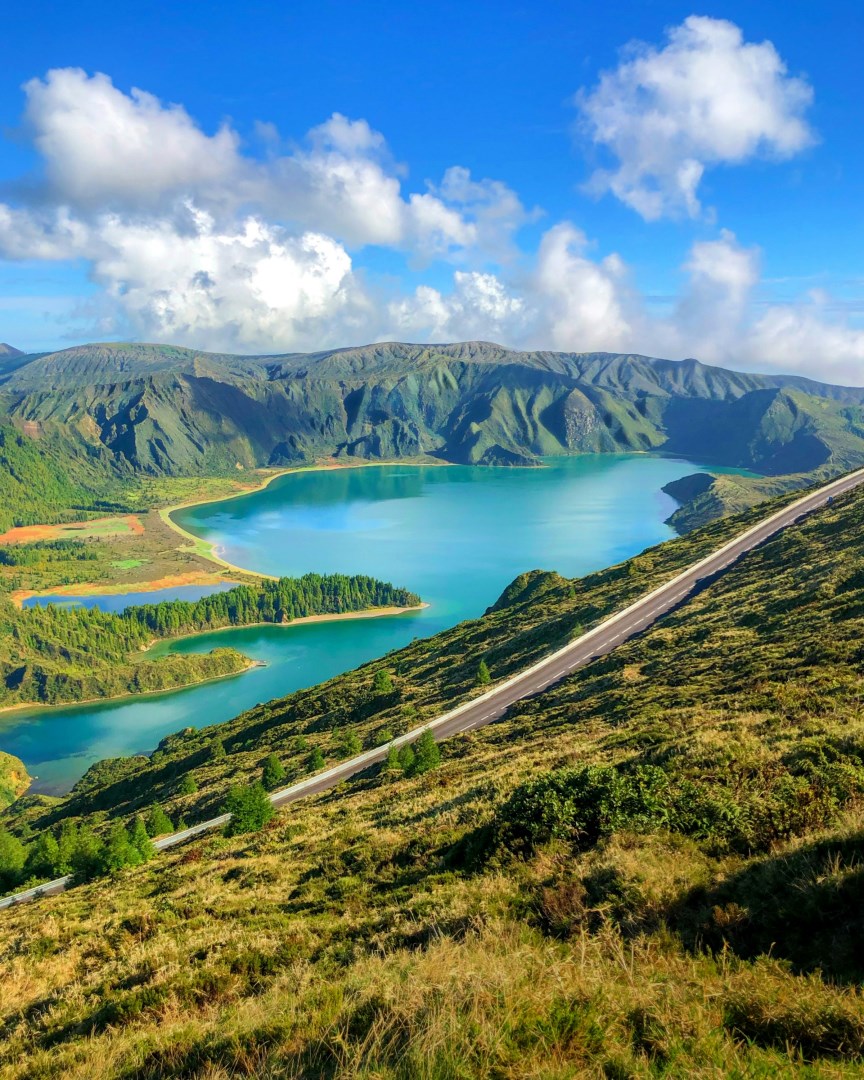
Lagoa do Fogo is a volcanic crater lake on São Miguel Island in Portugal’s Azores archipelago. Set within a protected landscape in the island’s central highlands, the lake occupies a large caldera surrounded by steep slopes covered with native vegetation. Its remote setting and undeveloped shoreline distinguish it from the more settled areas of São Miguel.
Baja California
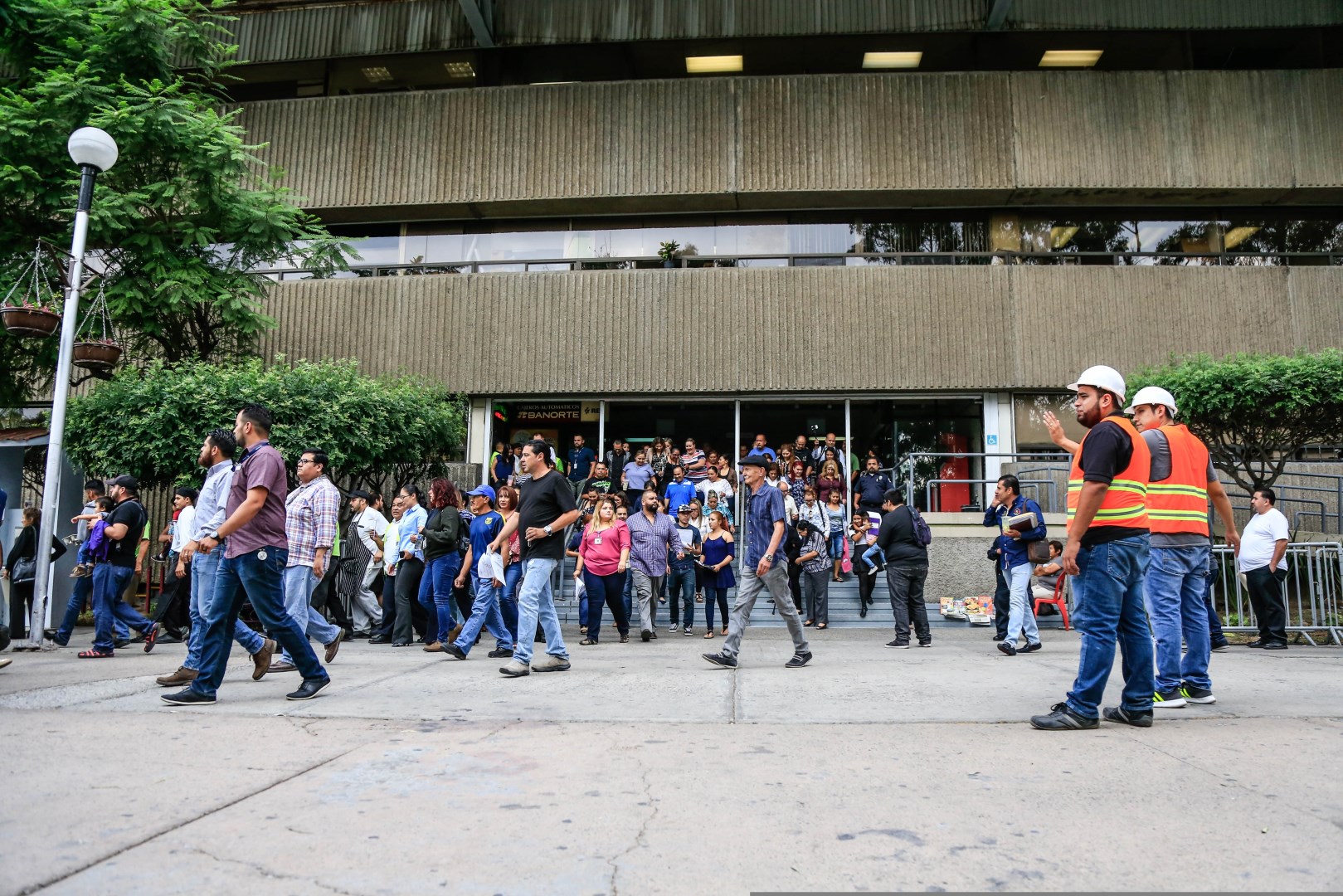
Nestled between the Pacific Ocean and the Sea of Cortez, Baja California is a haven for travelers seeking stunning natural landscapes, vibrant culture, and adventure.
