
Podgorica
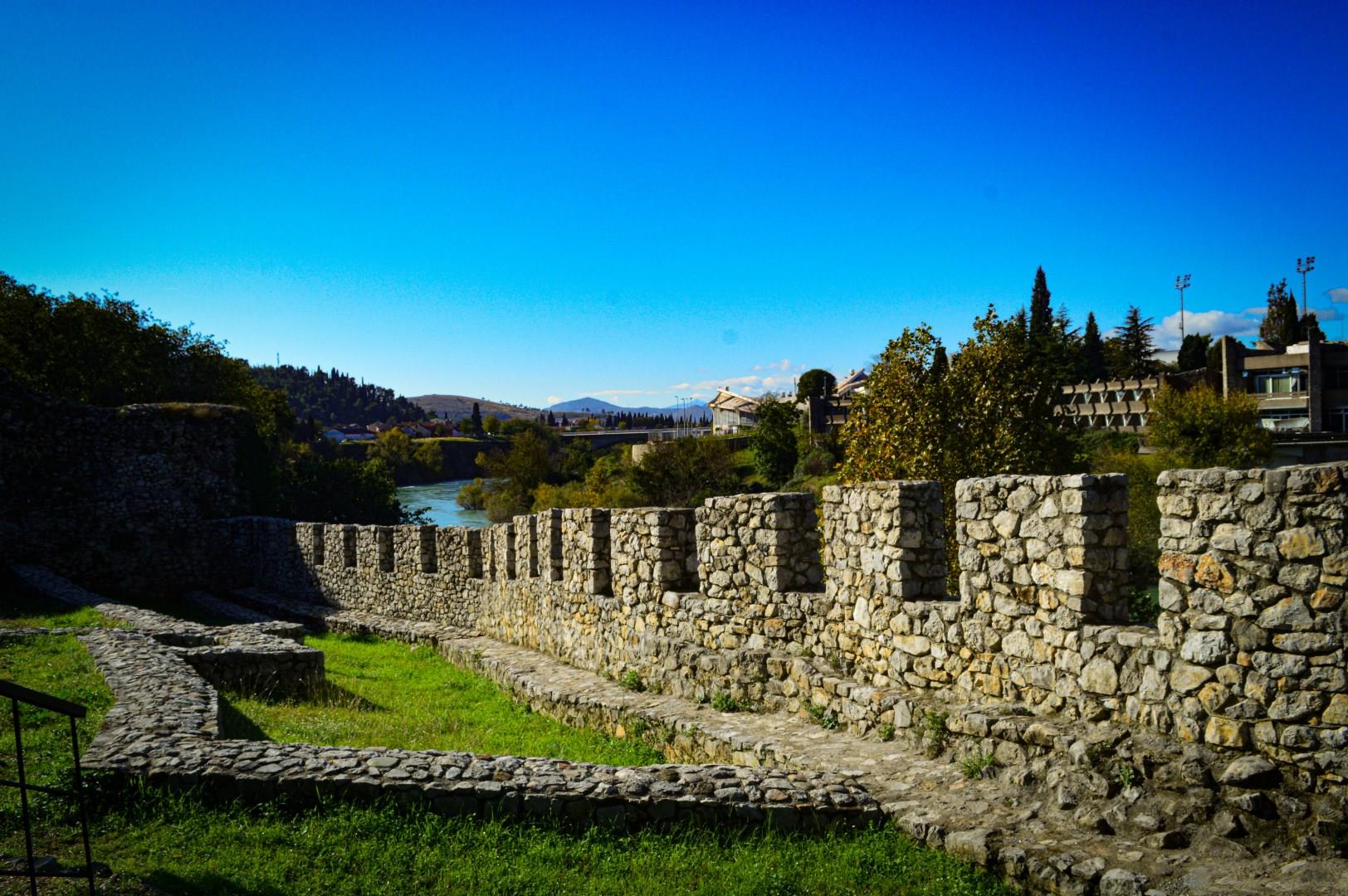
Podgorica, the capital of Montenegro, showcases the country’s contrasting landscapes and deep-rooted history. Although much of the city was rebuilt after World War II, traces of its Roman and Ottoman past still remain. Visitors can explore the ruins of Doclea, a Roman settlement just outside the city, where surviving columns and mosaics give a glimpse into life nearly two millennia ago.

Arequipa
Arequipa, known as the "White City," is built from sillar, a pale volcanic stone that glows in the sunlight. This architectural detail gives the historic center its striking appearance and has earned it recognition as a UNESCO World Heritage Site. Towering above the city is the perfectly symmetrical Misti Volcano, which, along with two neighboring peaks, forms a dramatic backdrop.
Aveiro
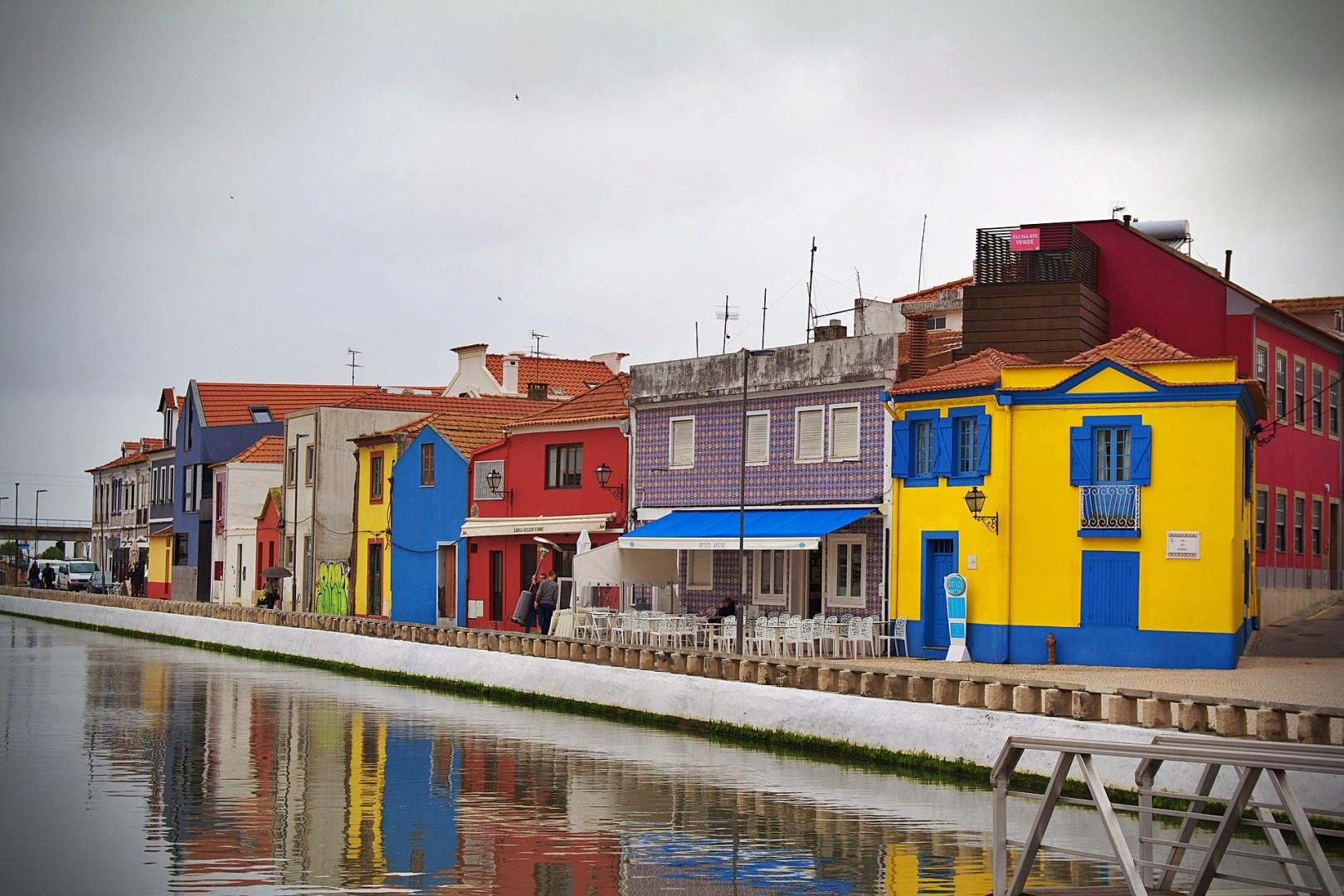
Aveiro, often called the "Venice of Portugal," enchants visitors with its picturesque canals, brightly painted boats called moliceiros, and Art Nouveau architecture. Located on the northern coast of Portugal, Aveiro offers a charming blend of history, culture, and natural beauty. Glide along its tranquil waterways on a moliceiro ride, once used to harvest seaweed but now a peaceful way to admire the city’s colorful façades and iconic architecture. These boats, decorated with vibrant, humorous pa

Veere
Once a big, bustling sea port for the Scottish wool trade and known as Kampvere, Veere is now a small village whose economy mainly relies on tourism. A major point of interest for visitors is the Campveerse Toren (Campvere Tower), built as part of the city defenses around 1500 and now serving as one of the oldest inns in the Netherlands

Katakolo
Katakolon, also known as Katakolo, is a charmingly small port and fishing town on the coast of Greece. A primary entryway to the nearby ancient ruins of Archaia Olympia, Katakolon is a popular stop on many Mediterranean cruises. Before heading to Olympia, be sure to unwind on the warm Grecian sands of Paralia Katakolo or savor a bite of fresh seafood at one of Katakolon’s quaint cafés.
