
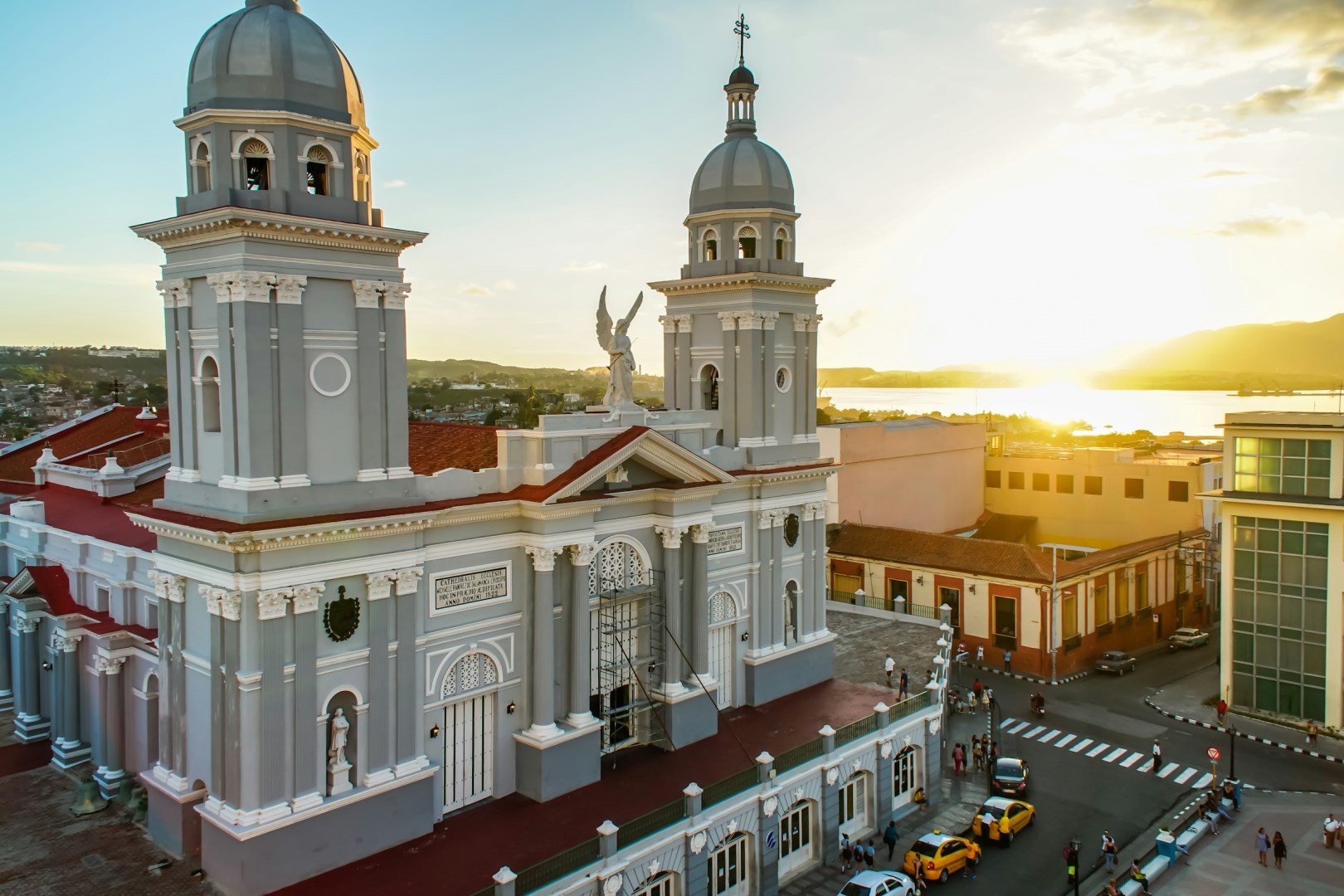
Santiago de Cuba
Santiago, the cultural capital of Cuba, is a passionate, unique destination, second in size and importance only to Havana, the governmental capital of the island. Some of Cuba's most famous musicians were born here, as well as the Bacardi brand of spirits, and the UNESCO World Heritage describes the local citadel of San Pedro de la Roca as "the most complete, best-preserved example of Spanish-American military architecture."
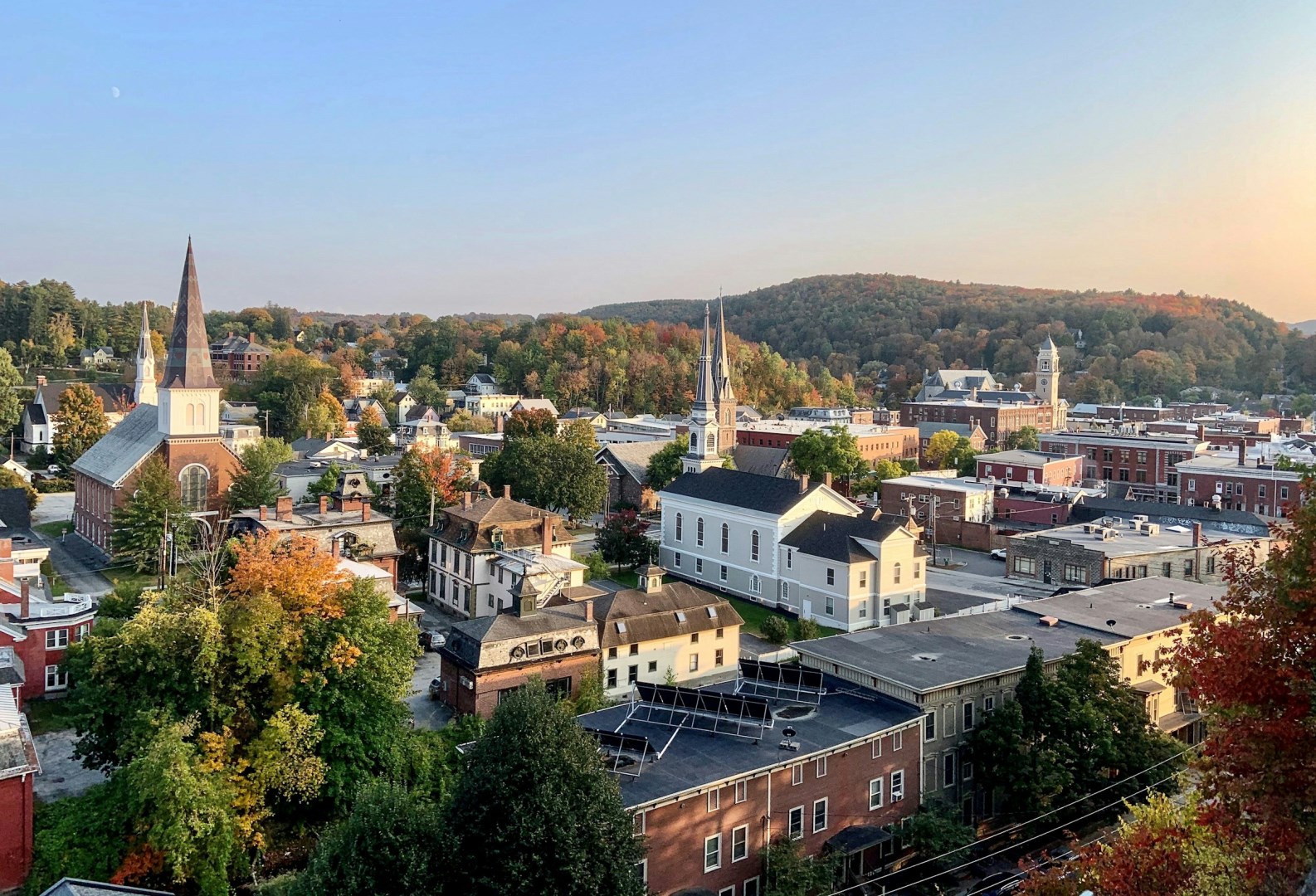
Montpelier
Founded in 1781, it is the capital of Vermont. With a population just over 8,000, it is one of the smallest state capitals.

Egypt
Egypt is a land of timeless wonders, where ancient history meets modern vibrancy. The Great Pyramids of Giza, the Sphinx, and the Temple of Karnak are just a few of the awe-inspiring monuments that attract millions of tourists each year.

Jackson
Known as "The City with Soul," Jackson is a popular hub for a variety of music genres, including jazz, gospel, and blues music. Highlights include the Jackson Zoo, the Mississippi Museum of Art, and the Mississippi Civil Rights Museum.
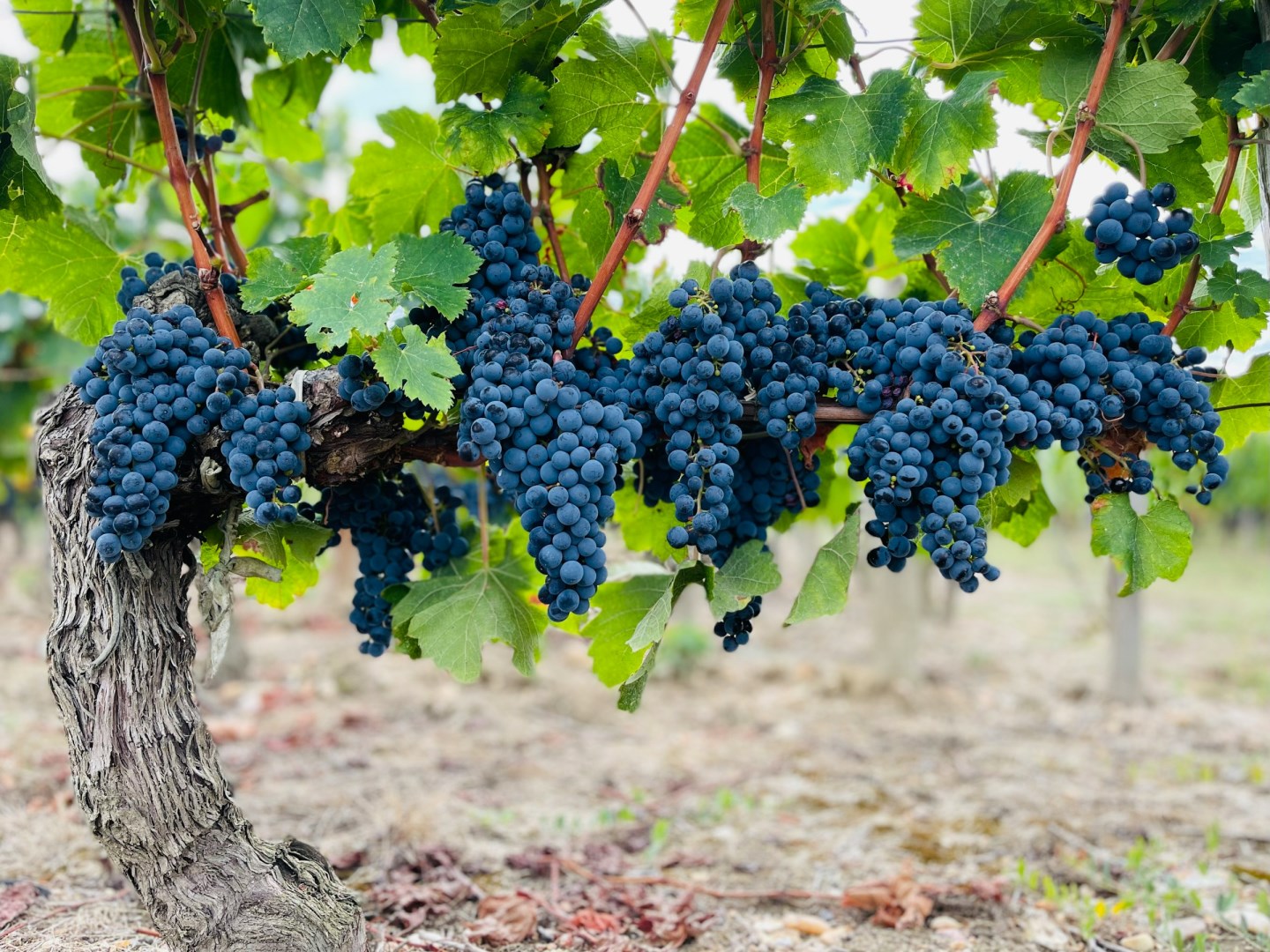
Bordeaux
Bordeaux is ready for its close-up! After years of improvements, modern public transportation is in place and the city is gleaming after a wave of restorations. When visiting this lovely destination, be sure to walk across the Garonne River-spanning Stone Bridge (17 arches in all!) and see Place des Quinconces, France's grandest public square.
