
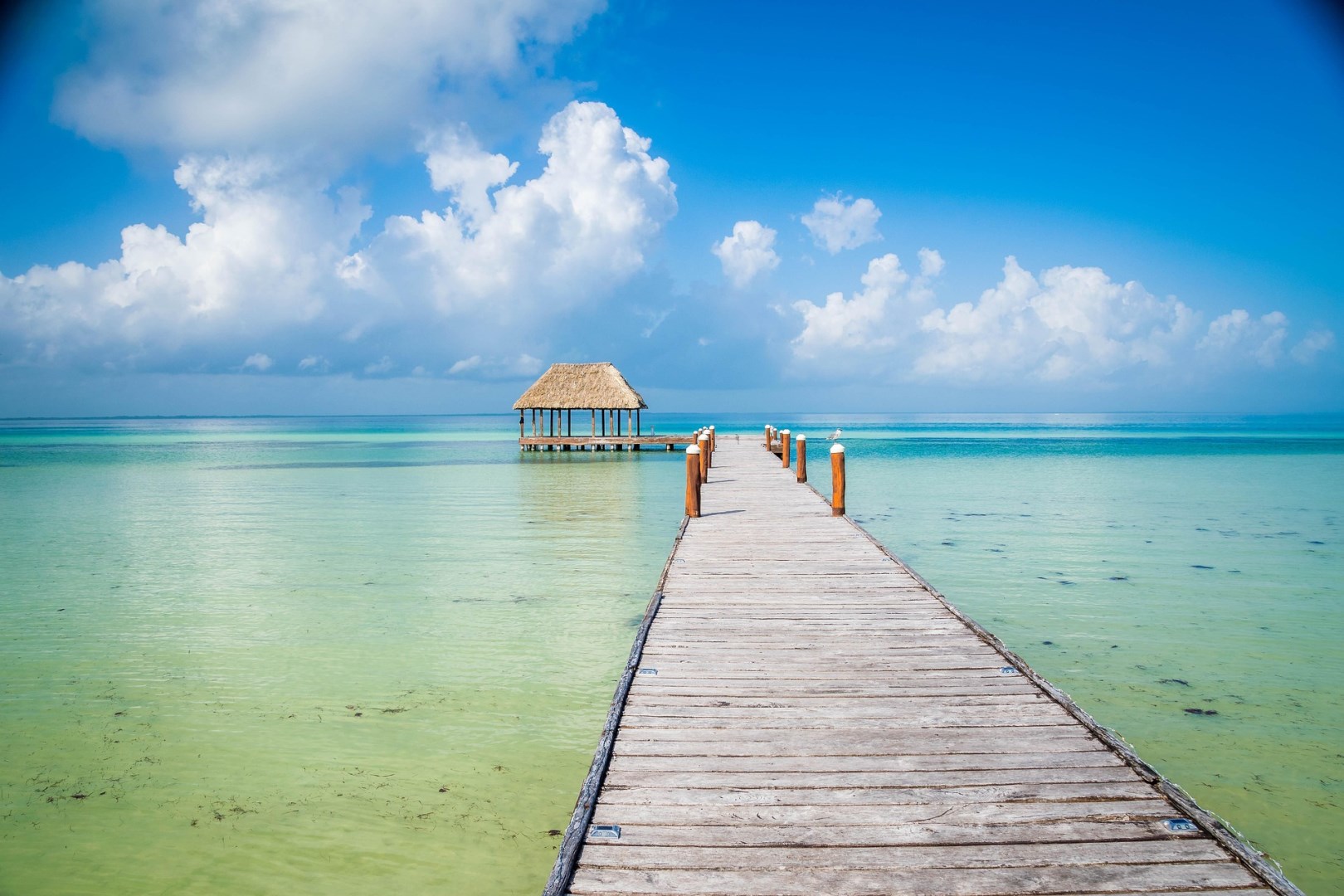
Isla Holbox
Holbox is known for sandy streets, laid-back beach bars, and calm turquoise water. It is a place where shoes are optional and bikes are the preferred way to roam. Perfect for travelers who want to unwind and slow everything down.

Puno
Situated on the shore of Lake Titicaca, Puno is referred to as the folkloric capital of Peru due to its artistic and cultural expressions, particularly dance. Notable landmarks include the Andean baroque-style Puno Cathedral and the Yavari, a 19th-century steamship. Products created from alpaca, llama, or sheep wool are a signature of the area, as well as musical instruments like the siku.

Beijing
Beijing, the capital of China, is a city where history and modern life intersect on a grand scale. Ancient landmarks like the Forbidden City, Tiananmen Square, and the Temple of Heaven reflect centuries of imperial heritage, while the Great Wall lies just outside the city, offering views of one of the most famous engineering feats in the world.

Belém
Belém do Pará sits at the edge of the Amazon, where river and bay meet in a landscape with activity and color. The Ver-o-Peso Market spreads along Guajará Bay, welcoming early morning boats laden with fresh fish, herbs, fruits, and Amazonian goods. Recognized by UNESCO as a Creative City of Gastronomy, the local cuisine marries Indigenous, Portuguese, and African traditions to create dishes found nowhere else.
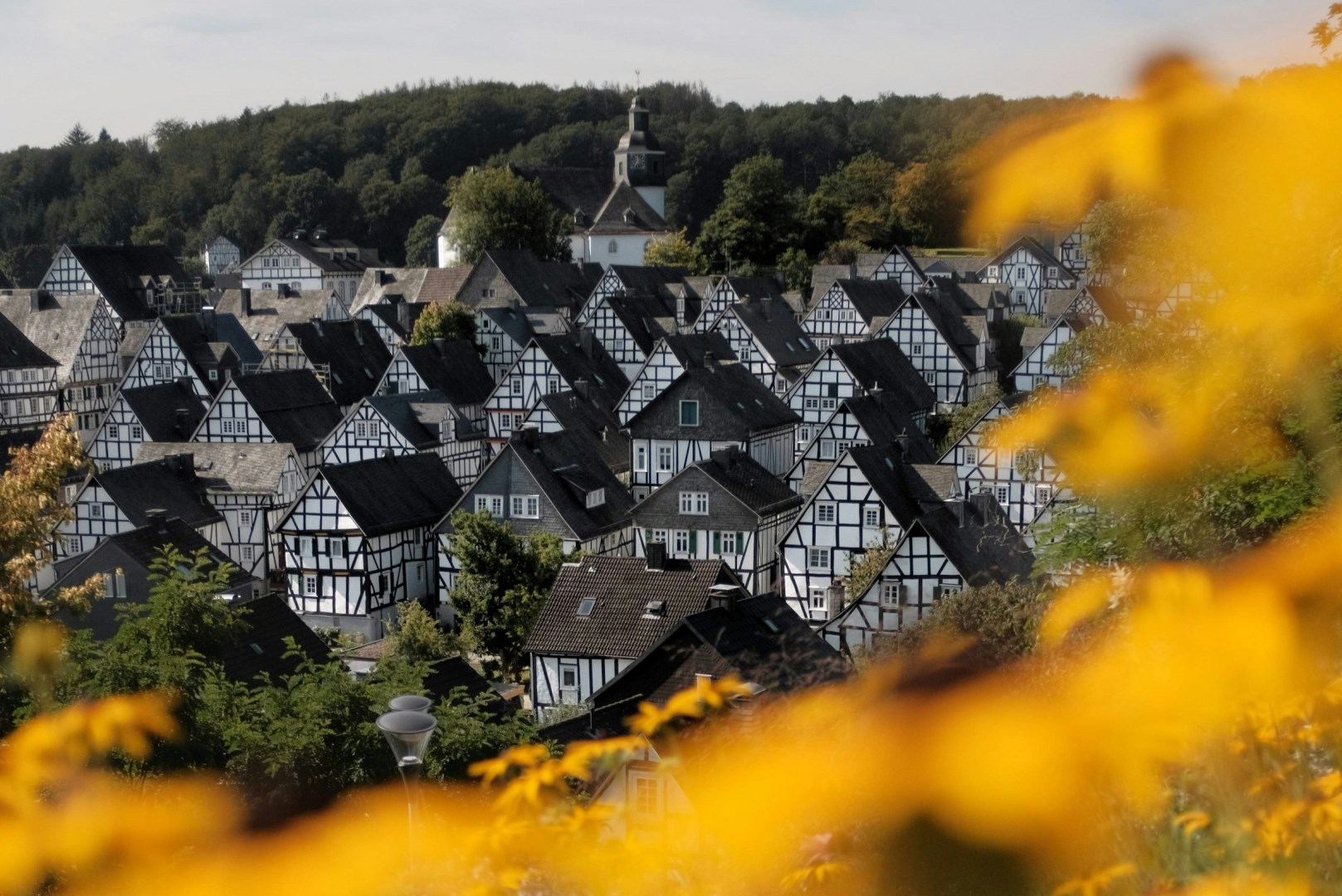
Freudenberg
Freudenberg is a small medieval town in Germany. The "Alter Flecken" is Freudenberg's downtown area, built wholly of half-timbered houses that give the town a fairytale appearance. An open-air stage with roofed grandstand, the town museum housing a 1904 steam engine, and annual Oktoberfest celebrations are the town's most popular attractions.
