
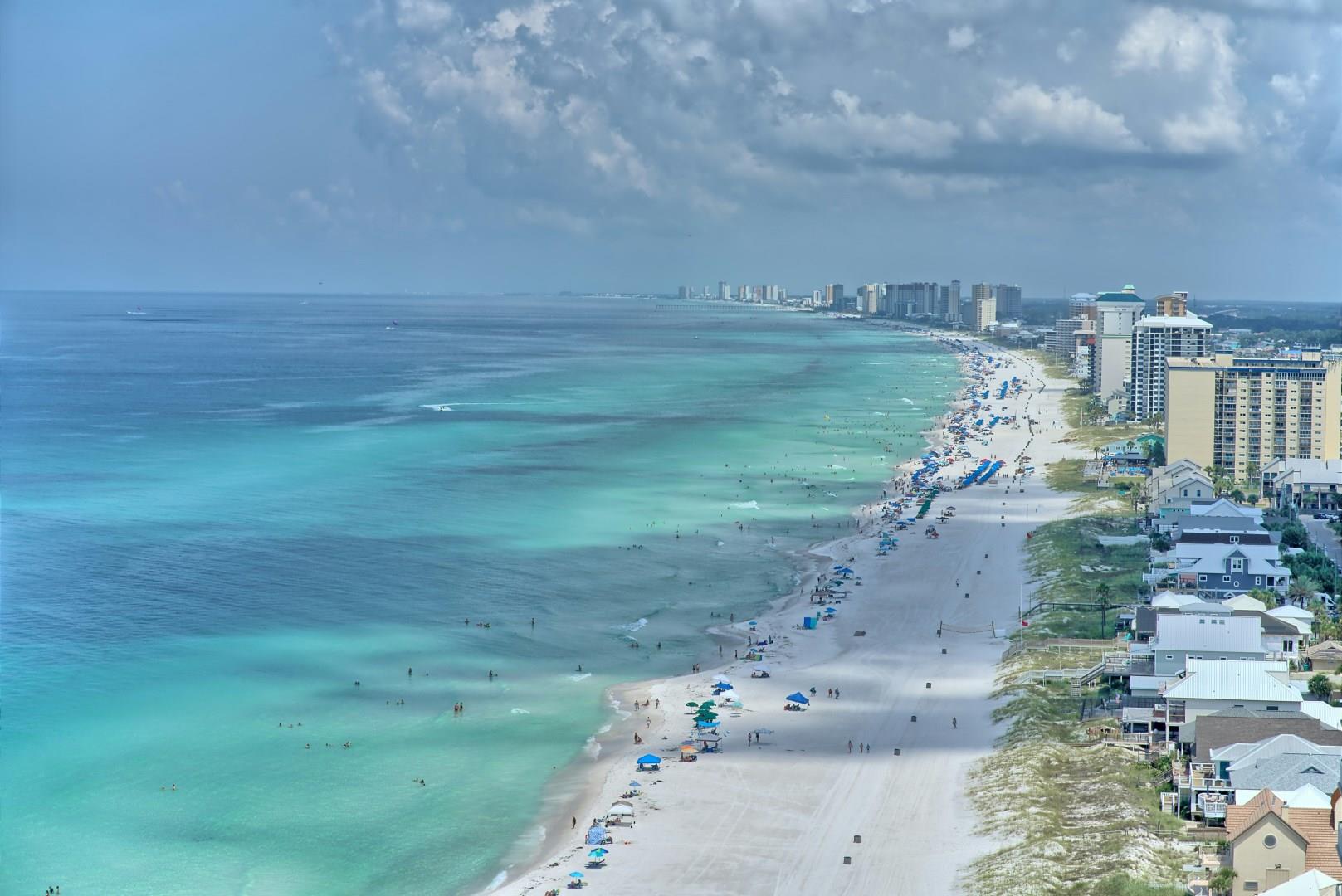
Panama City
Panama City, Florida, sits along the Gulf Coast where maritime history and modern beach culture intersect. Originally tied to shipbuilding and fishing, the city developed around St. Andrews Bay, which still anchors local identity through working marinas and long-established neighborhoods.
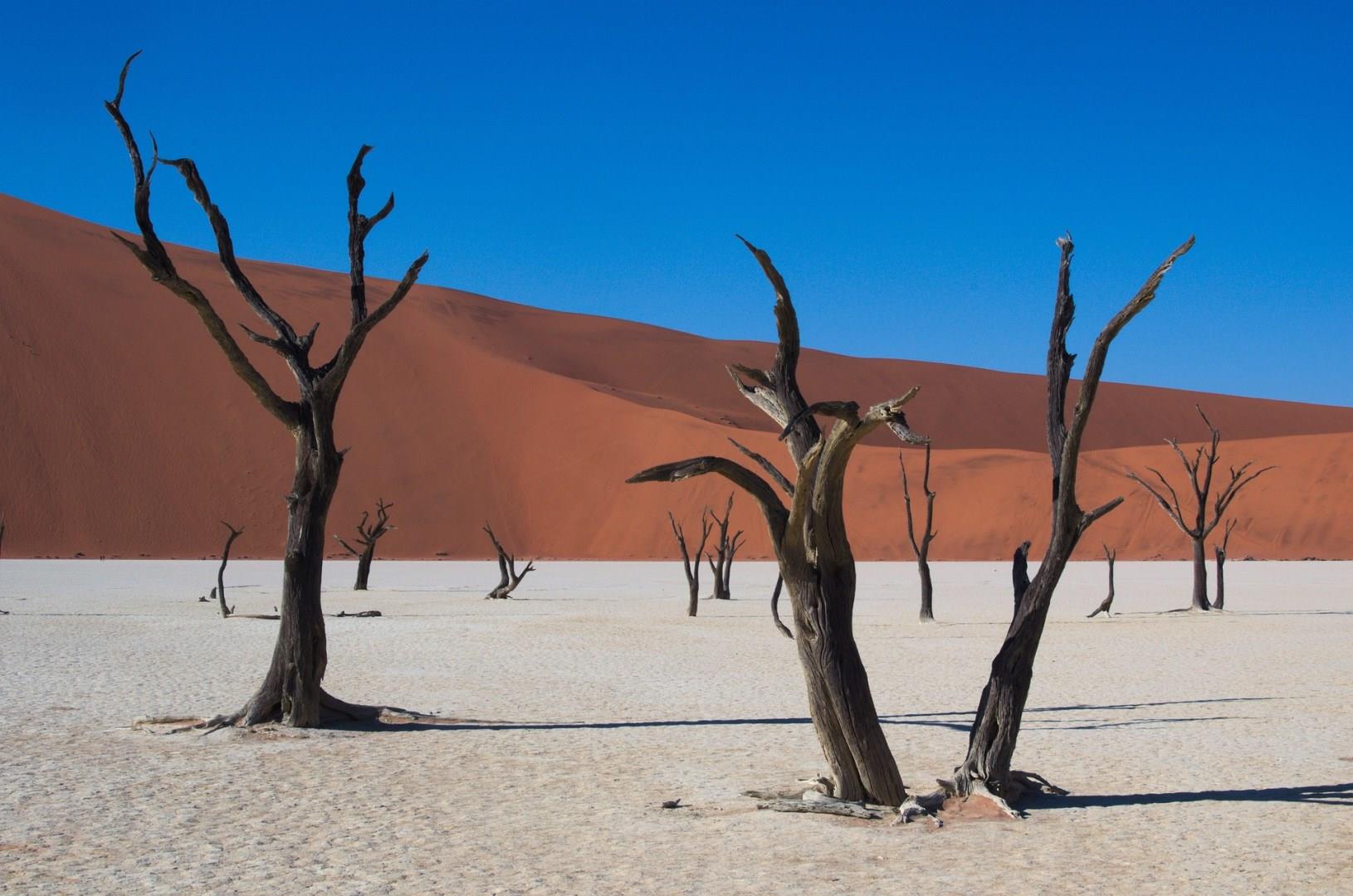
Deadvlei
Dramatic and otherworldly, Deadvlei in Namibia is one of the most surreal landscapes on the planet. Located within the Namib-Naukluft National Park, Deadvlei is a white clay pan that was once an oasis filled with acacia trees. Over 900 years ago, a shift in climate and the encroachment of the towering red sand dunes cut off the river that fed the pan, leaving behind a hauntingly beautiful scene of dead trees that have been perfectly preserved in the arid environment.
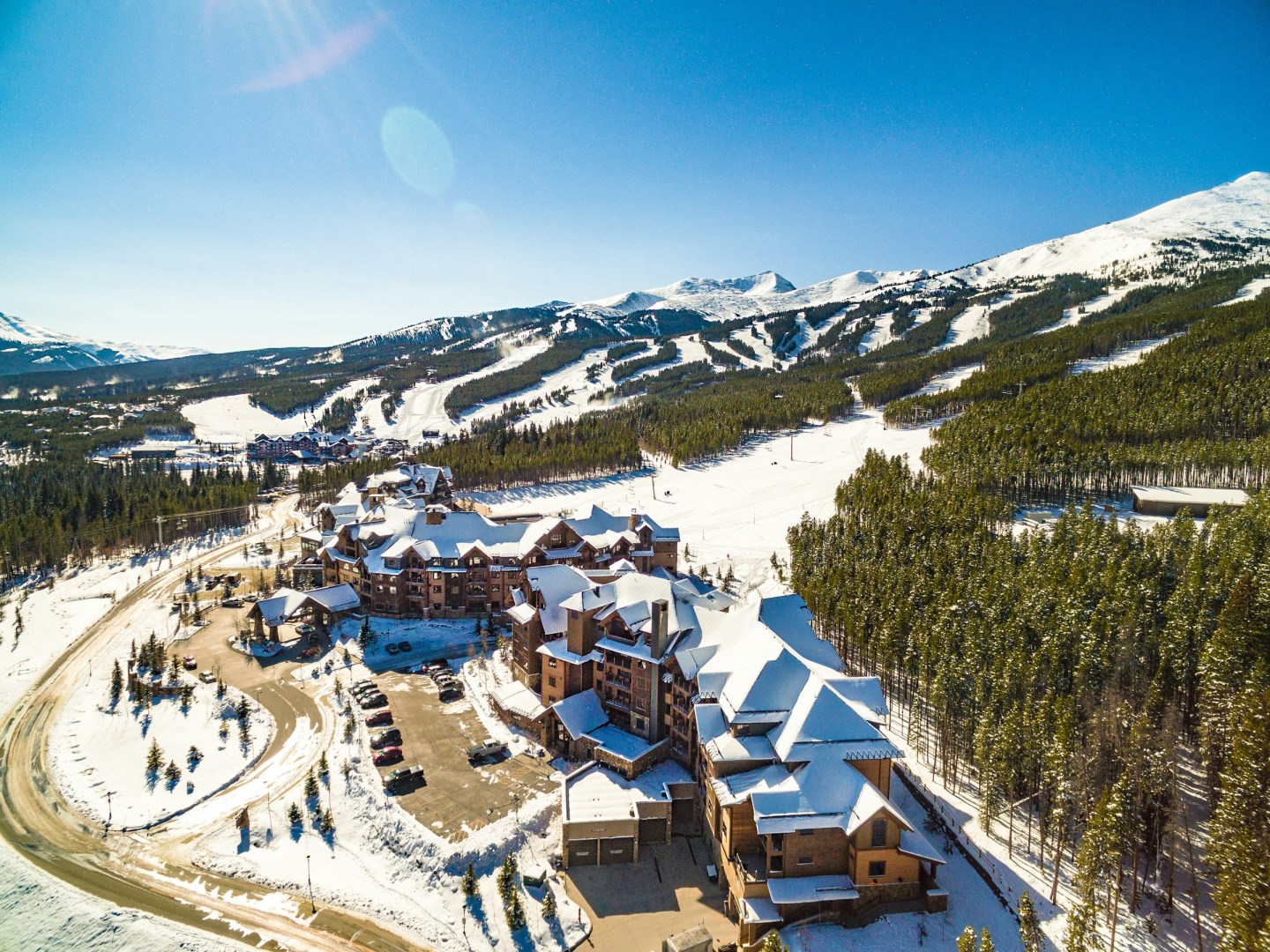
Breckenridge
Enjoy Charming Breckridge, Colorado where Summer activities include: Alpine Slide, Rafting, Horseback Riding, Hiking, Fishing; while Winter activities include: Great Downhill Skiing, Snowmobiling, Cross Country Skiing, Heli-Skiing, Ice Skating and more.
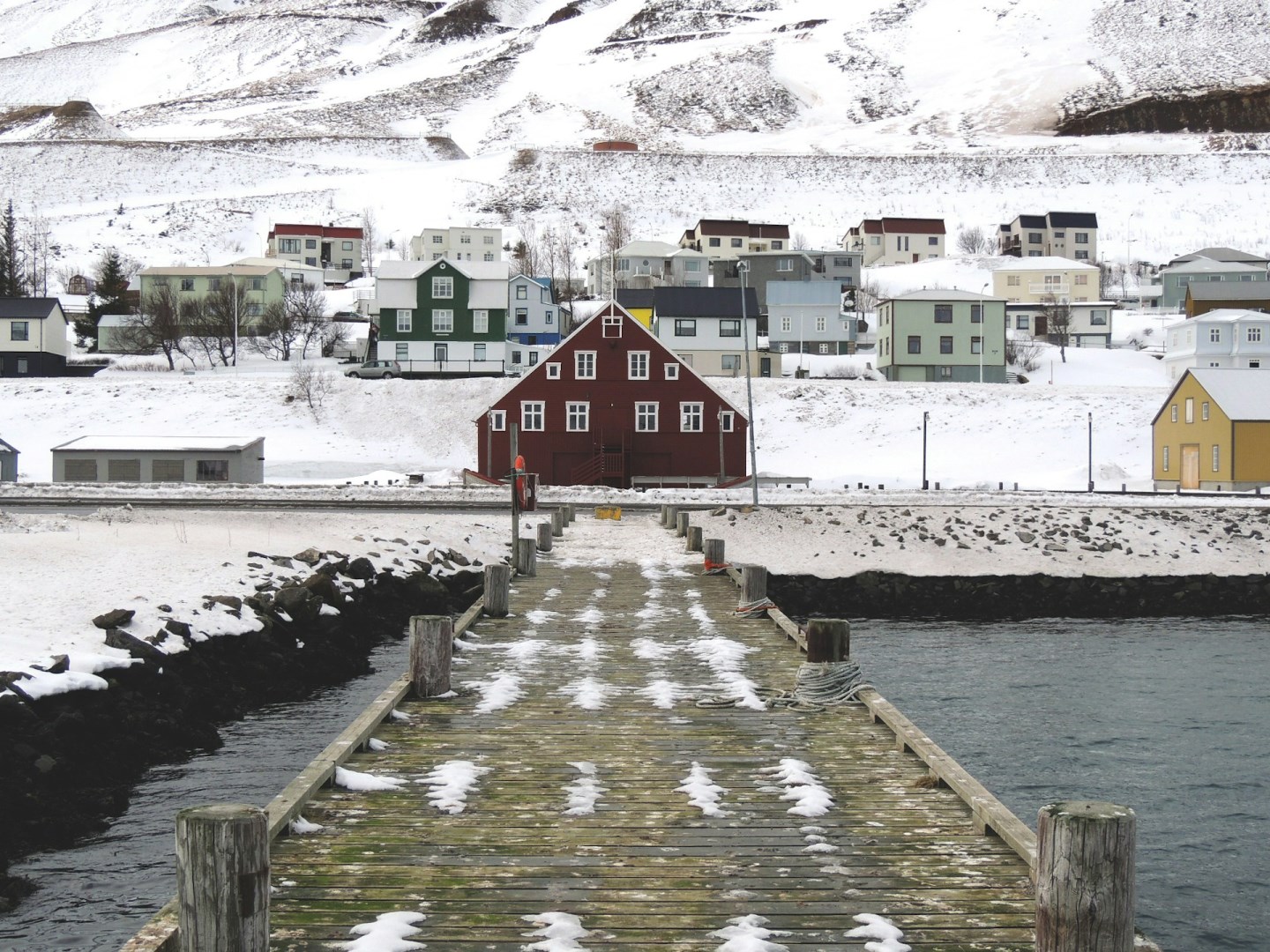
Siglufjörður
Siglufjörður is Iceland’s northernmost mainland town, set at the head of a narrow fjord on the mountainous Trollaskagi Peninsula. Steep slopes rise closely around the harbor, giving the settlement a compact setting shaped by the sea and mountains. Fishing remains central to local life, while the harbor, small streets, cafés, galleries, and museums reflect the town’s role as a regional community.
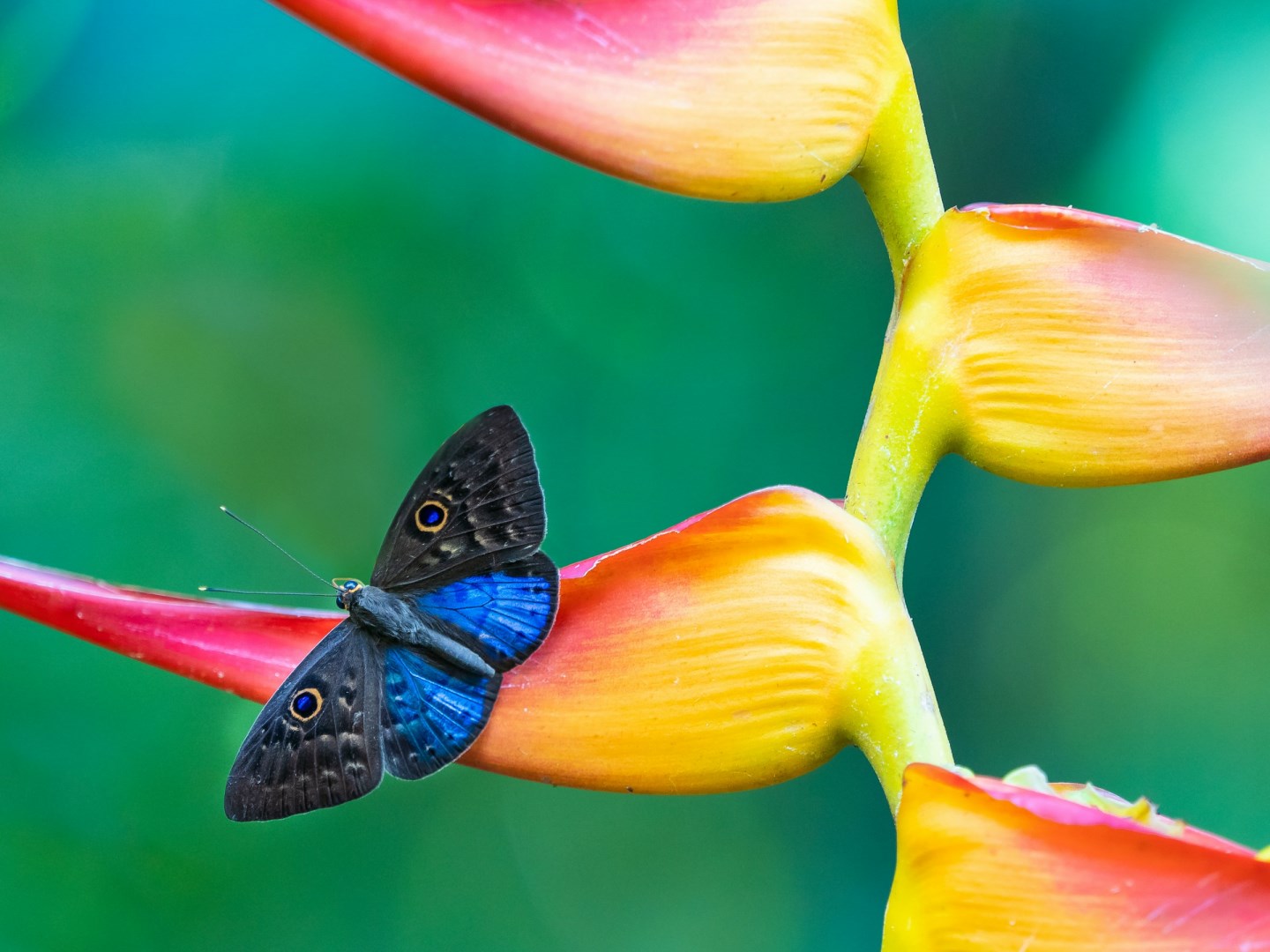
Quepos
Quepos is a coastal town in Puntarenas Province on Costa Rica's central Pacific coast, situated beside the Quepos River and a sheltered bay. The town serves as a regional center for fishing, agriculture, tourism, and transportation, with a marina and waterfront areas overlooking the Pacific. Quepos is also one of the main gateways to Manuel Antonio National Park, located a short distance south of town.
