

Granada
Granada, nestled at the foot of the Sierra Nevada mountains in southern Spain, is a city where history and culture converge in a mesmerizing blend. The jewel of Granada is the Alhambra, a stunning palace and fortress complex that dates back to the 13th century. This UNESCO World Heritage Site is a testament to the city's Moorish past, showcasing intricate Islamic art and architecture.

Angkor Ban
A visit to Angkor Ban offers a unique opportunity to step back in time and witness a Cambodia that remains untouched by modern development. Whether admiring the historic wooden houses, visiting the temple, or engaging with friendly locals, travelers will find this riverside village a rewarding cultural experience.

Dresden
Dresden, the capital of Saxony, is a city where history, culture, and beauty seamlessly intertwine. Known as the "Florence on the Elbe," Dresden boasts a stunning array of baroque and rococo architecture that captivates visitors from around the world. Dresden hosts the world's oldest Christmas market, the Striezelmarkt, dating back to 1434.

Blaye
Blaye is a small town on the Gironde estuary in southwestern France, north of Bordeaux, known for its riverside setting, historic citadel, and connection with the vineyards of northern Gironde. The town rises gently from the estuary, with the fortified Citadel of Blaye occupying a prominent position above the water. Its old streets contain stone houses, cafés, and shops, while the waterfront provides views across the broad estuary toward the Médoc peninsula.
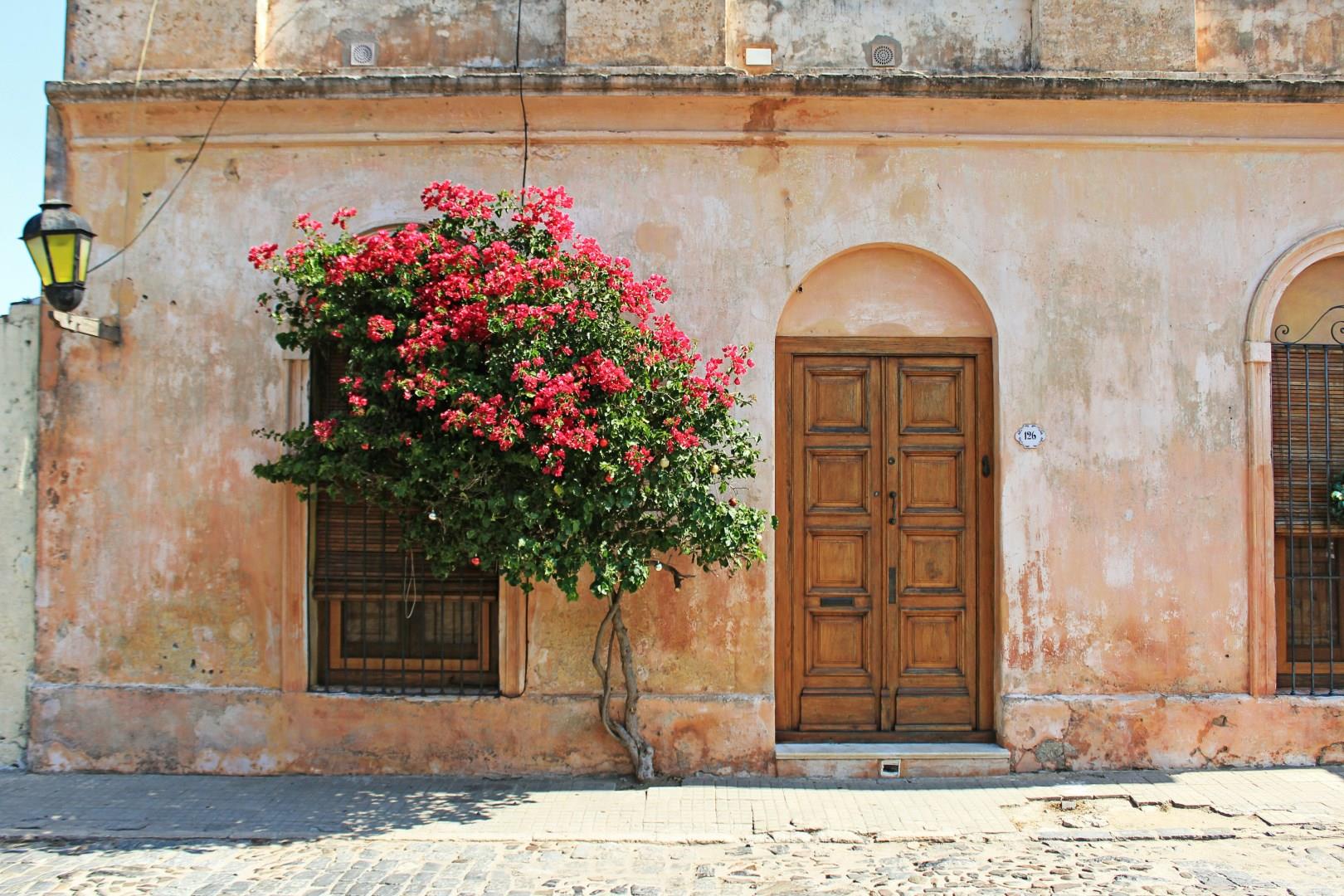
Colonia del Sacramento
Colonia del Sacramento is where time lingers. Founded in 1680 by the Portuguese and later contested by the Spanish, the town’s past is etched into its cobblestone streets and weathered facades. The Barrio Histórico, a UNESCO World Heritage Site, is compact enough to walk in an afternoon yet layered with centuries of stories. Visitors can explore remnants of the original city walls and climb the iconic lighthouse for sweeping views of the Río de la Plata.
