
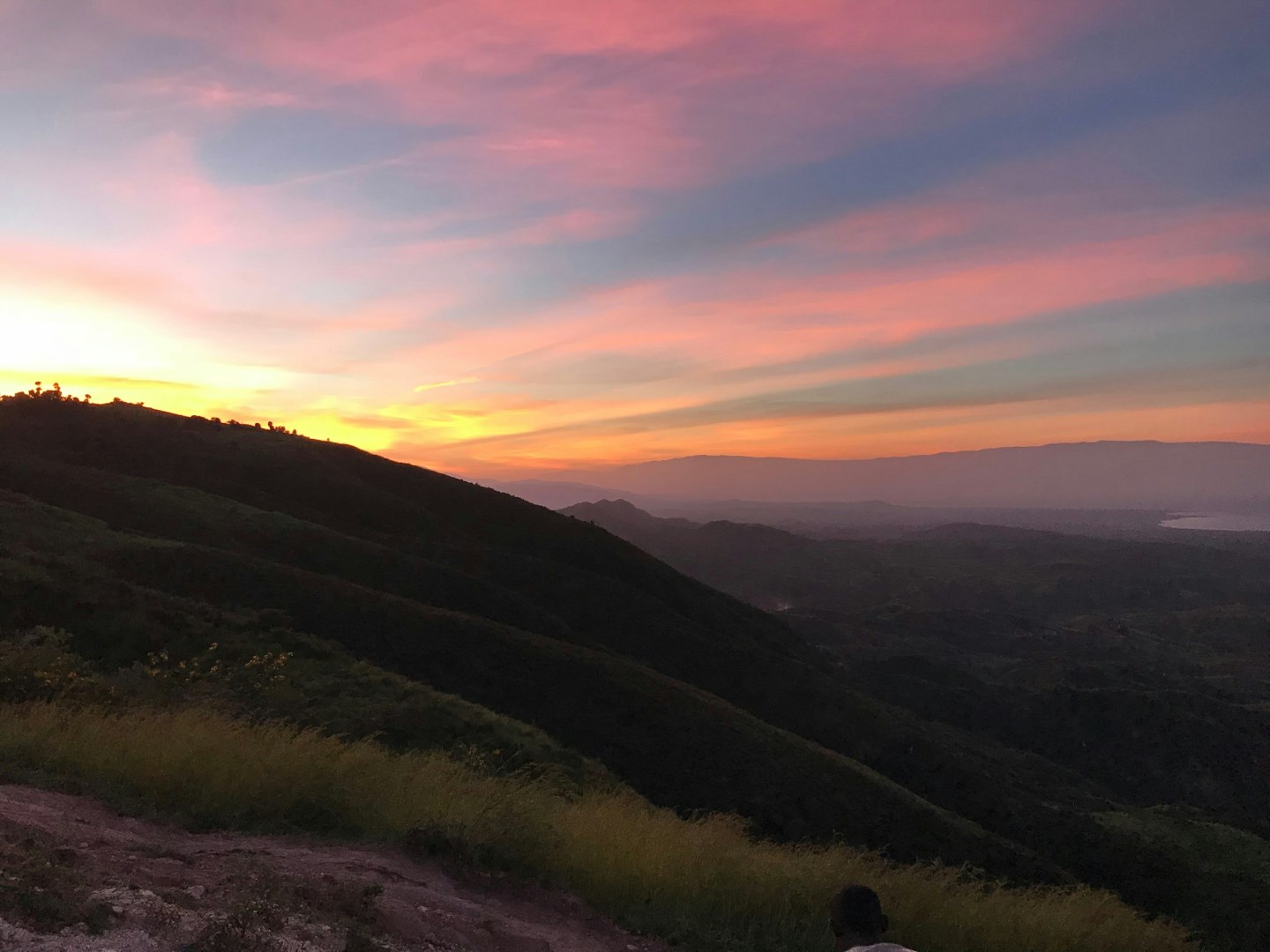
Port-au-Prince
Port-au-Prince in Southwest Haiti is the capital. The country's largest city, commercial center, and chief seaport, it is laid out like an amphitheater around a bay. Founded in 1749 by French sugar planters, it became the colonial capital in 1770, replacing Cap-Haïtien.

Amantani
Amantani is an island in Lake Titicaca, Peru, known for its high-altitude landscapes, agricultural terraces, and Quechua-speaking communities. Located in the lake’s Peruvian waters, the island is home to small settlements spread across hillsides that rise above the water. Unlike larger lakeside destinations, Amantani has few paved roads and no major commercial center, so daily life remains closely connected to farming, weaving, and community activities.
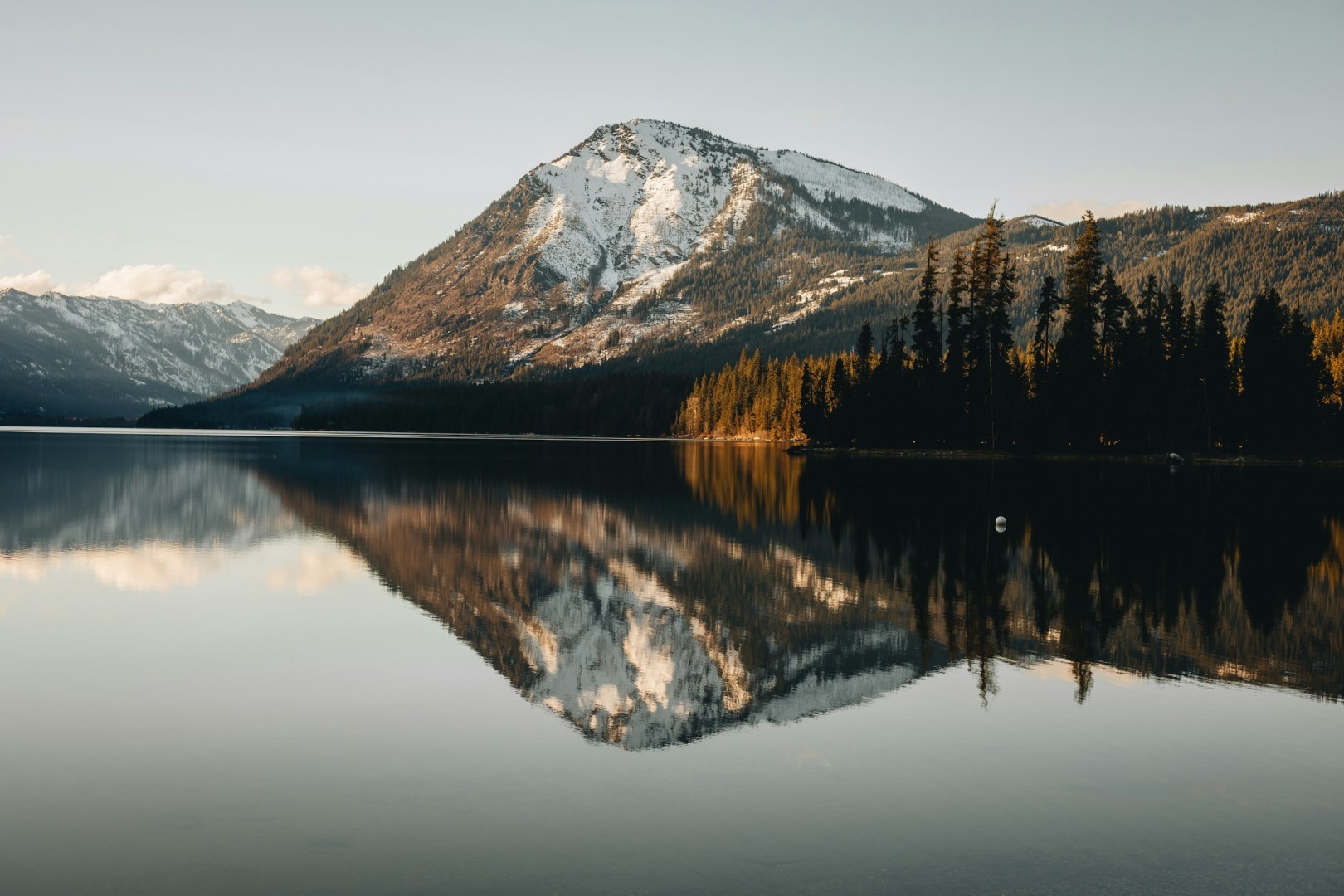
Wenatchee
Our mountains are high with lush forest and pristine alpine lakes hidden from the too casual viewer. Wildlife abound along the rippling streams that feed the wild waters of the Wenatchee River, finally merging with the mighty Columbia. King salmon fighting to return to their birthplace can be viewed from the Rocky Reach Dam. Nature is at its unspoiled best
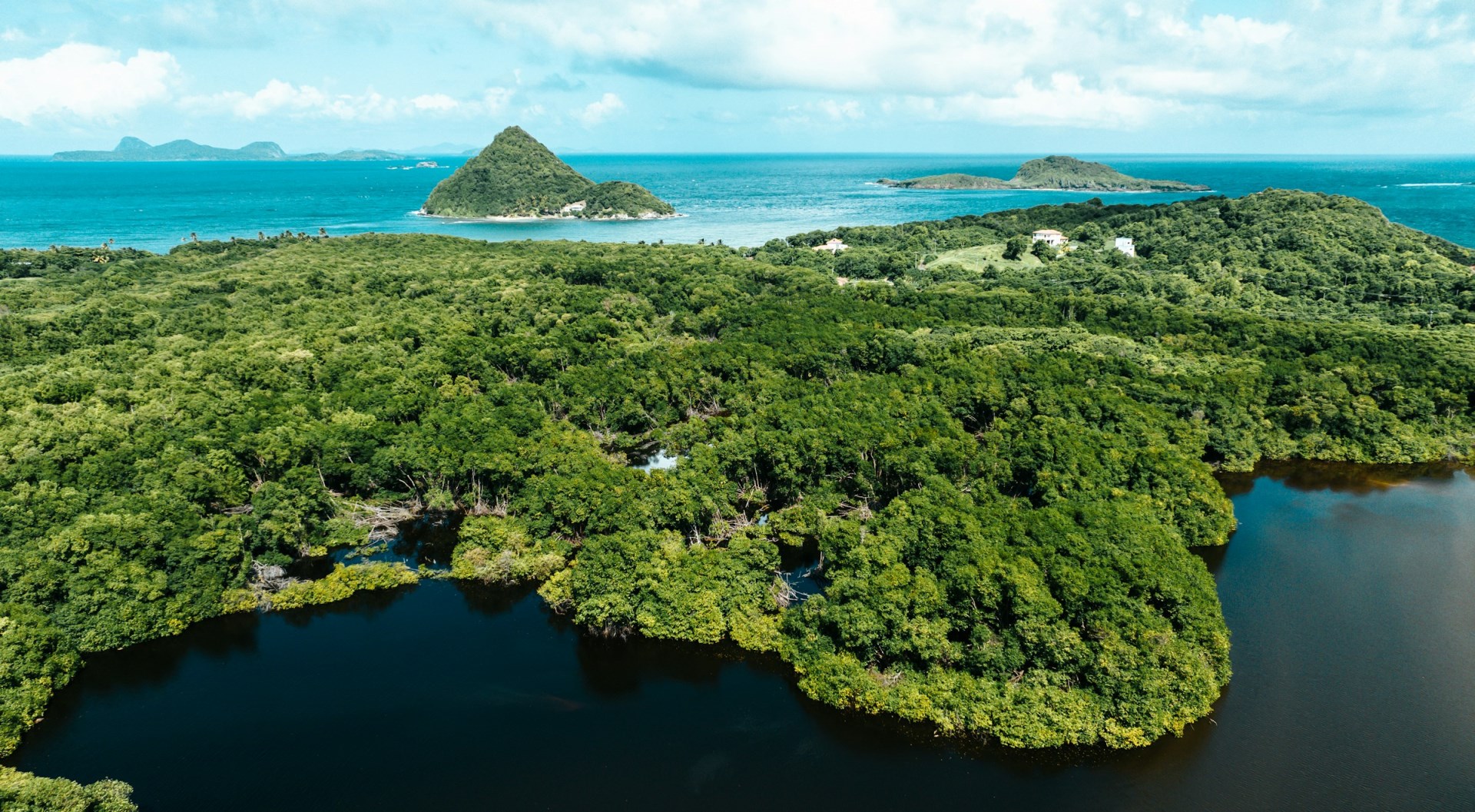
Levera Beach
Levera Beach lies on Grenada’s northeastern coast, near the village of Sauteurs, where the island meets the Atlantic Ocean. The beach is backed by low hills, coastal vegetation, and open land, with views toward the small islands of the Grenadines offshore. Unlike the developed beaches around the southwest coast, Levera has a more natural setting and is part of the wider Levera National Park landscape.
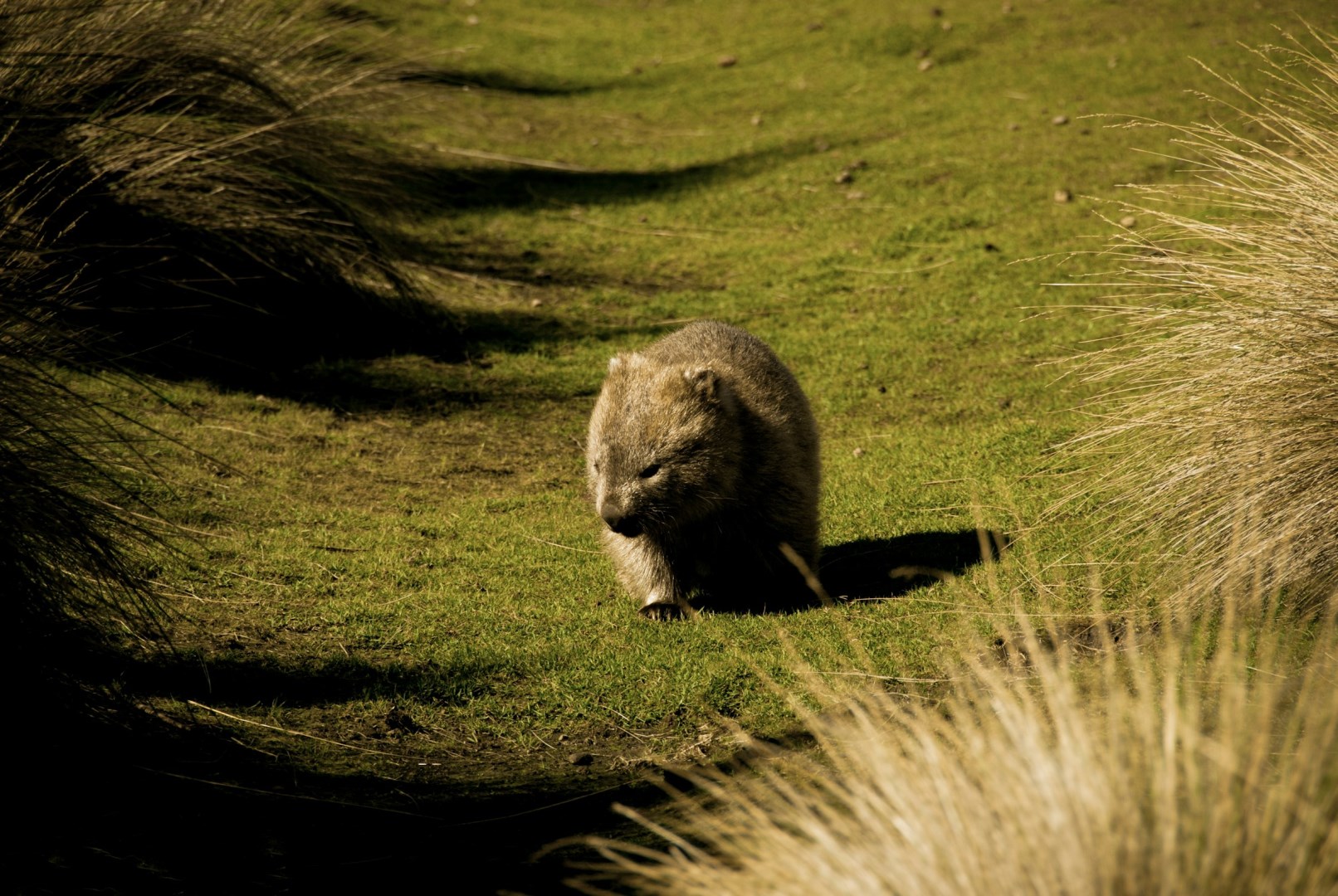
Flinders Island Tasmania
Flinders Island is the largest island in the Furneaux Group, located in Bass Strait between mainland Australia and Tasmania. Covering a landscape of rugged mountains, rolling farmland, white-sand beaches, and granite headlands, it is known for its remote character and rich natural environment.
