
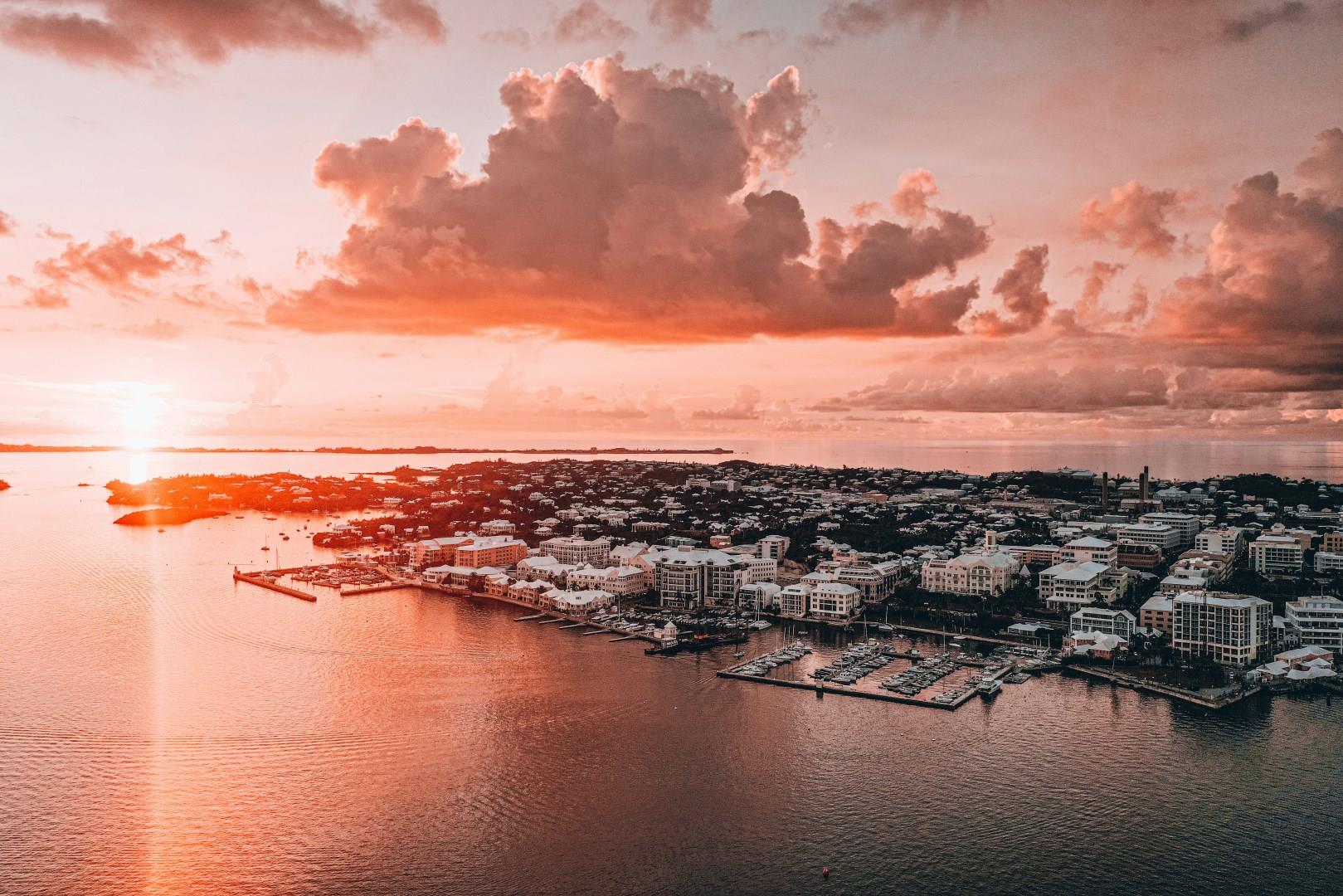
Hamilton
Hamilton, the capital of Bermuda, is the island’s lively cultural and commercial heart. Established in 1793, the city blends colonial charm with a modern island vibe, framed by pastel buildings and a picturesque harbor.
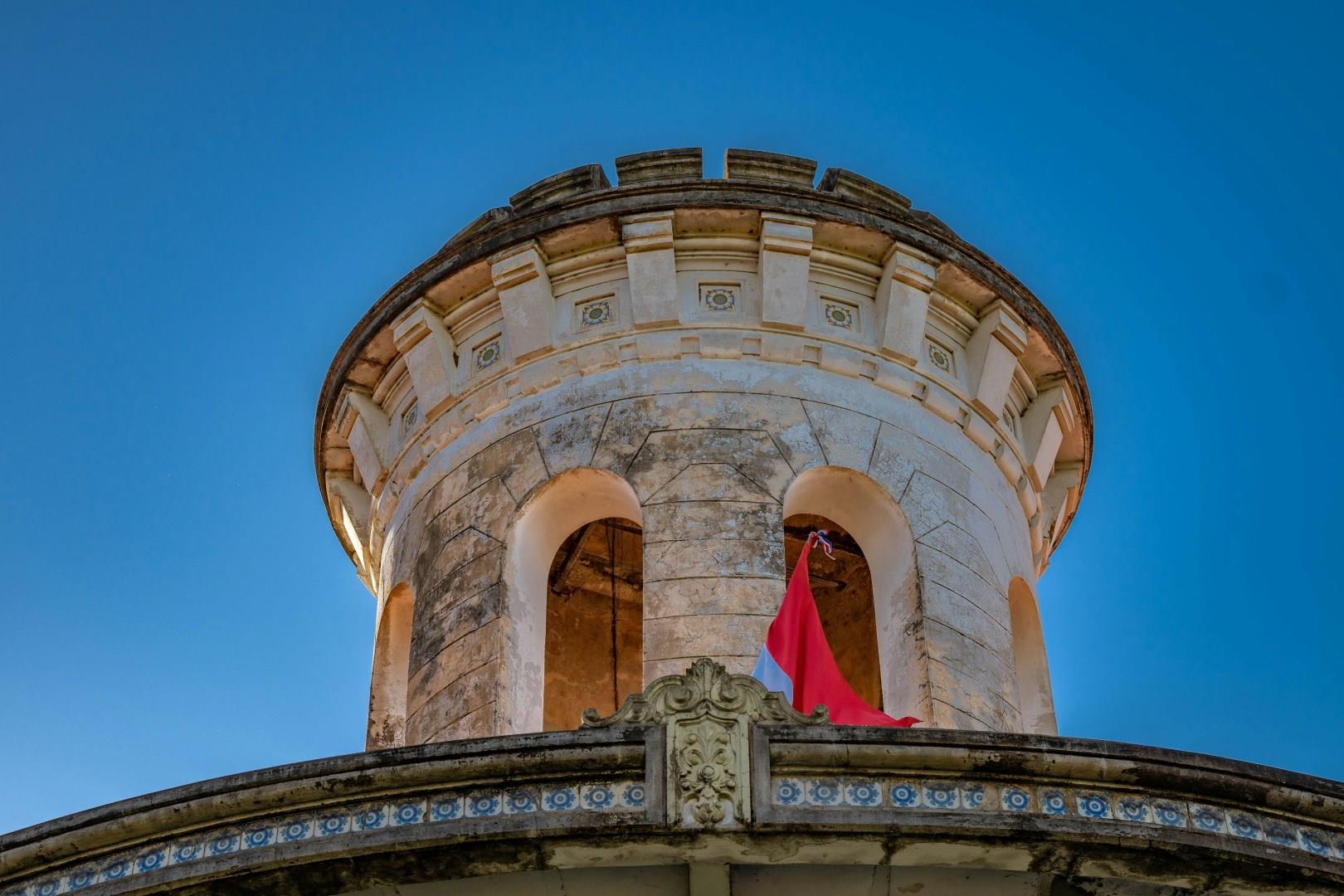
Areguá
Just 30 kilometers from Asunción, Areguá welcomes visitors with cobbled streets, colonial facades, and a creative energy that has earned it the title of Paraguay’s “City of Arts.” Known for its thriving artist community and traditional crafts, Areguá is perched on the edge of Lake Ypacaraí and framed by rolling hills and red clay cliffs. Whether you're arriving for the annual strawberry fair or simply passing through on a weekend escape, Areguá invites slow walks, open studios, and conversation.
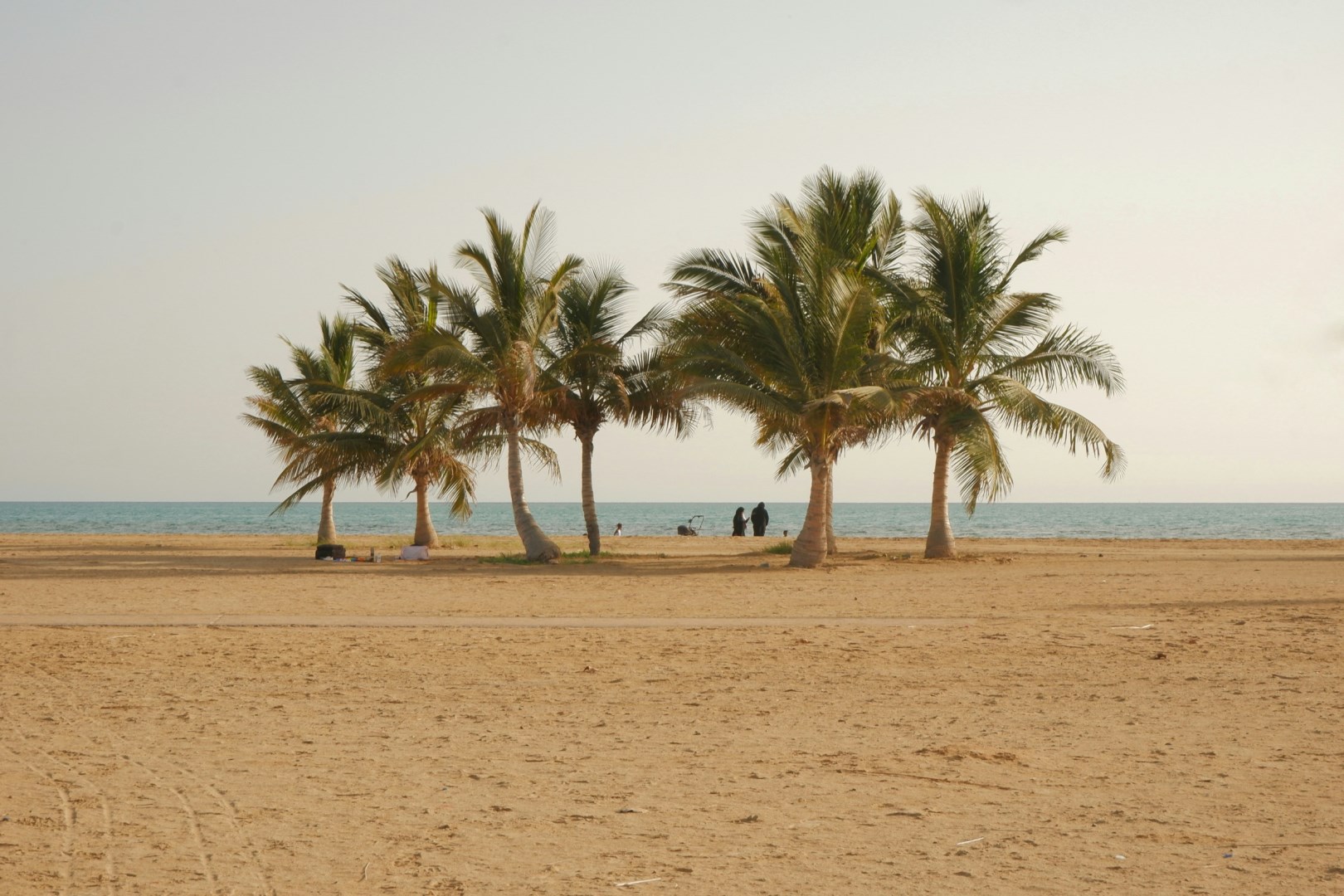
Yanbu
Yanbu, located on the Red Sea coast of Saudi Arabia, is a city where ancient history meets modern allure. As one of Saudi Arabia’s oldest port cities, Yanbu has a rich maritime heritage that is evident in its well-preserved historical sites. A visit to the Yanbu Historic Area reveals charming traditional architecture and the vibrant local culture.
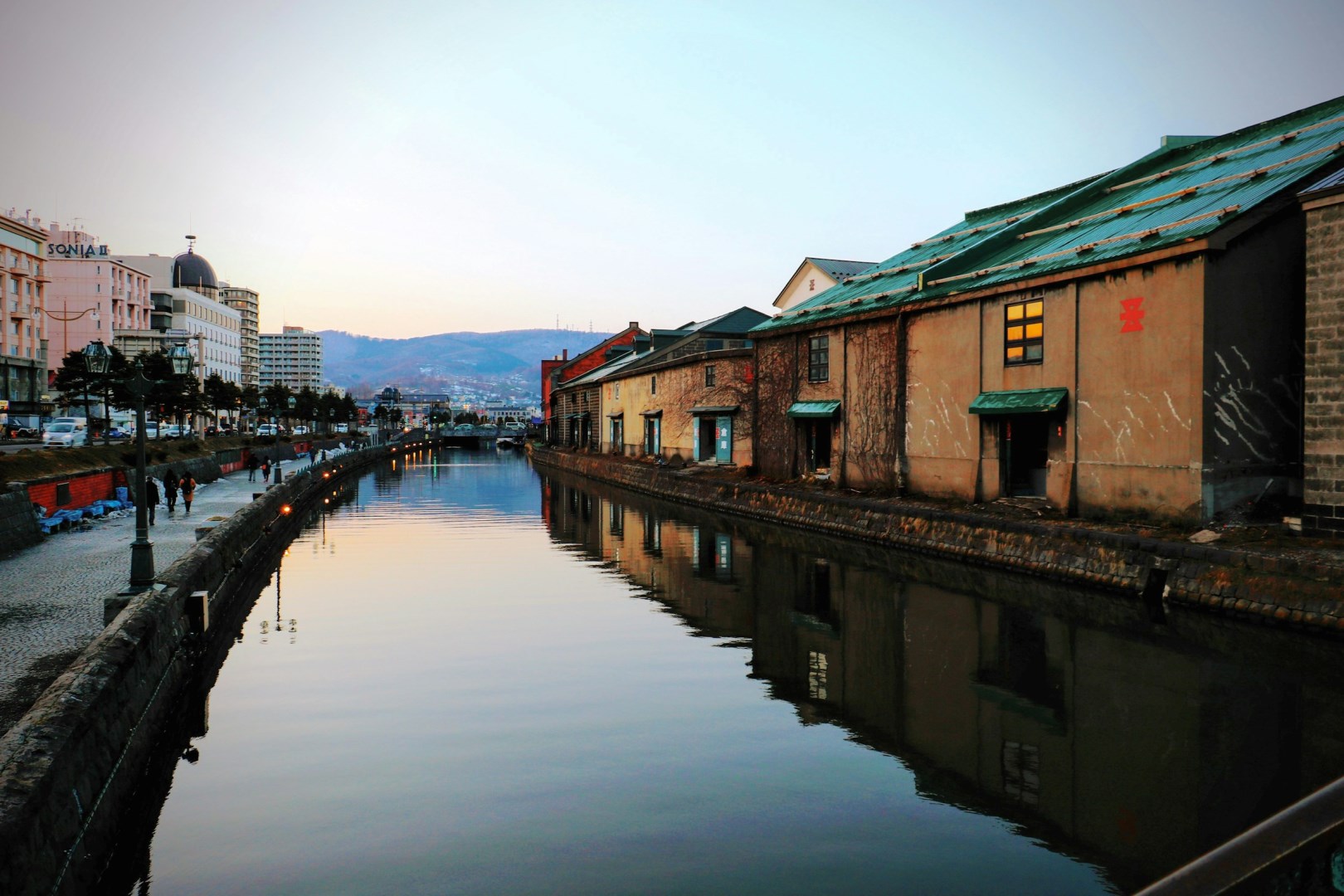
Otaru
Otaru, a charming port city on Japan's northern island of Hokkaido, offers a delightful blend of historic allure and scenic beauty. Known for its well-preserved canal area lined with old warehouses and beautifully restored buildings, Otaru provides a picturesque setting reminiscent of its bustling past as a major trade center during the Meiji and Taisho eras.
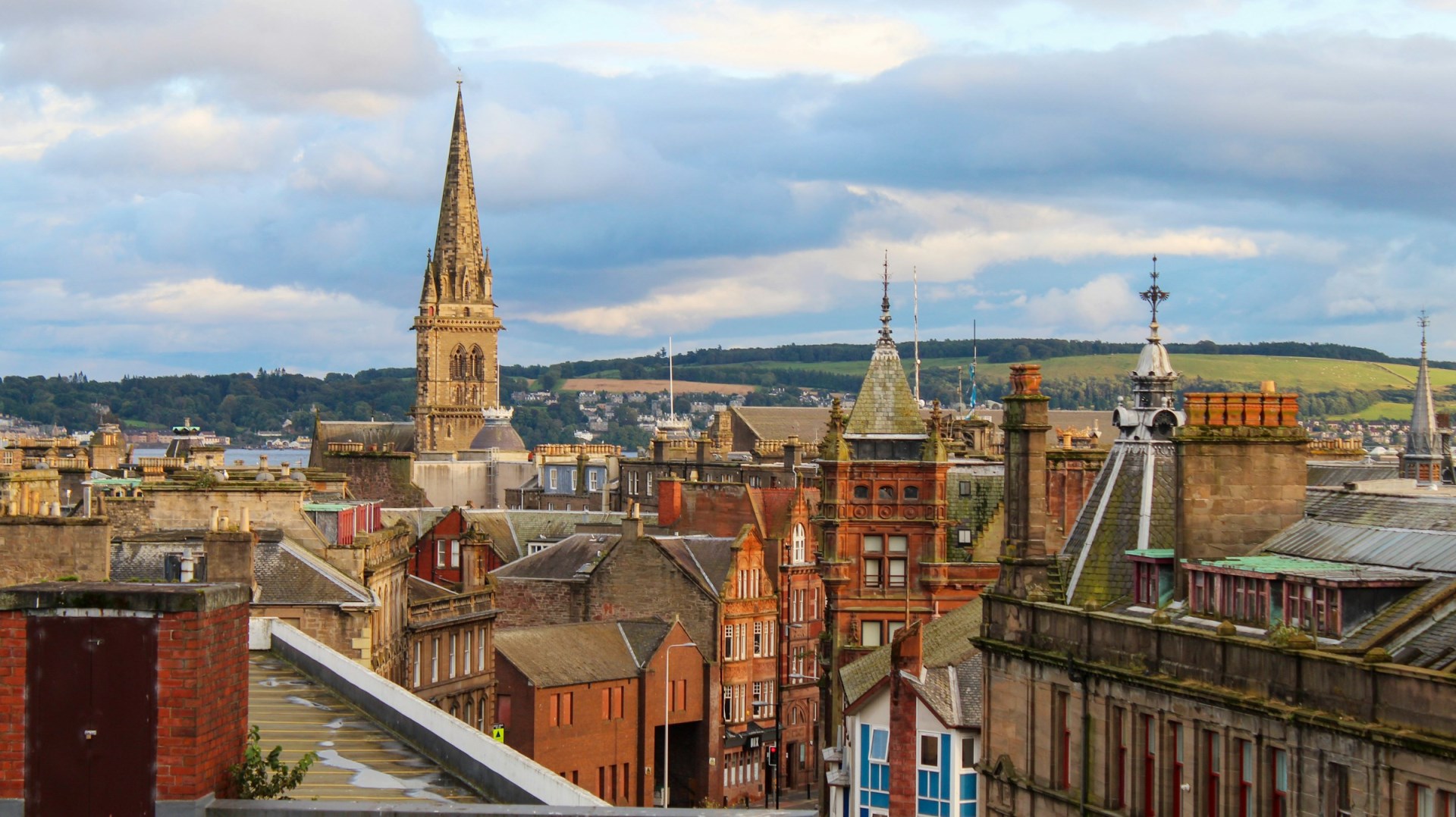
Dundee
Ancient port and ship building center north of Edinburgh, it is now an important industrial center for Scotland.
