
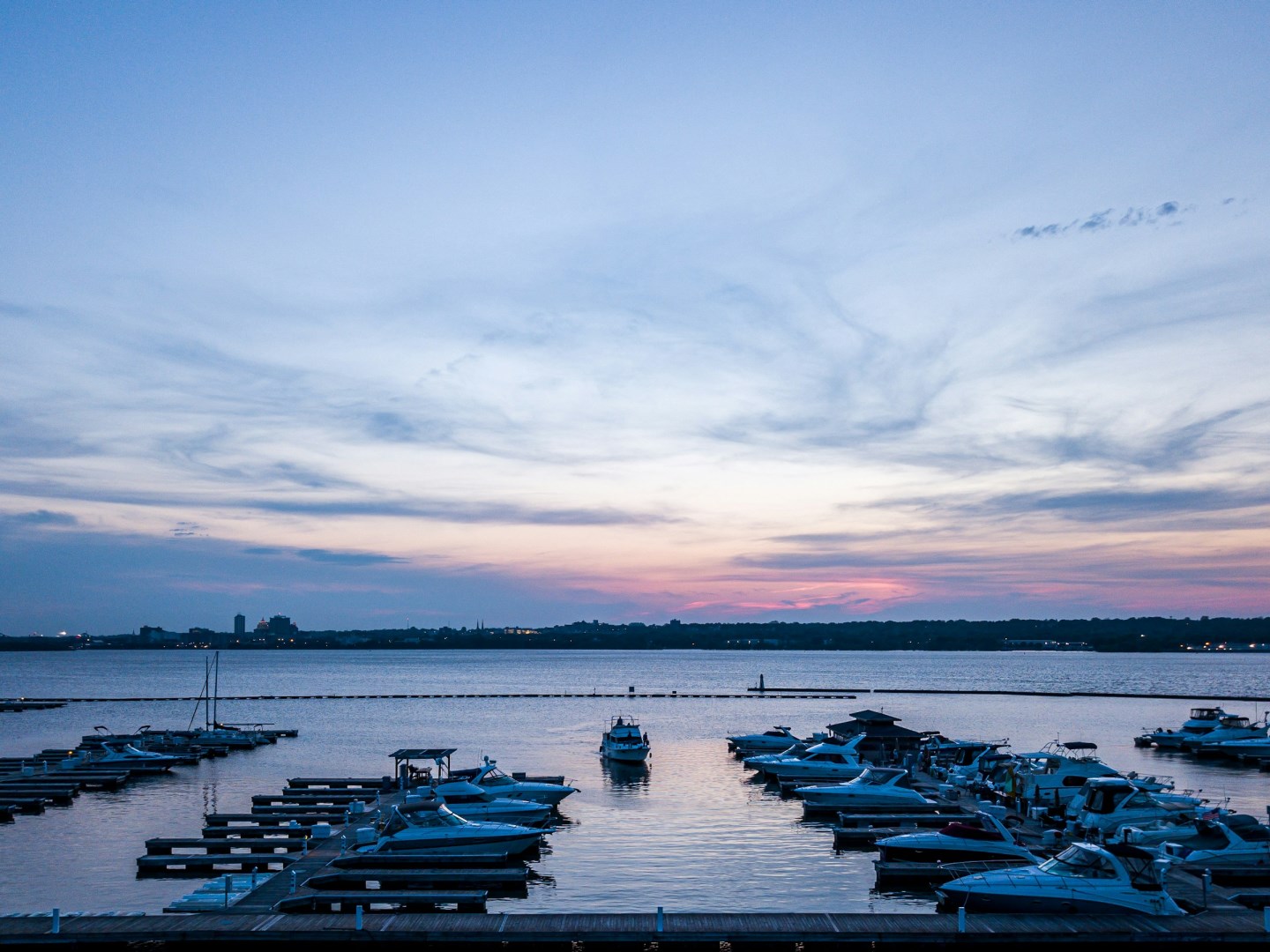
Peoria
Peoria is a city in central Illinois situated along the Illinois River, where wooded bluffs rise above a broad river valley. The river has long influenced the city’s economy, transportation, and recreation, while the surrounding landscape includes parks, forests, farmland, and rolling terrain. Downtown Peoria extends toward the riverfront and contains museums, restaurants, theaters, and public spaces. The city is also closely associated with Caterpillar, whose deep roots in the Peoria area have
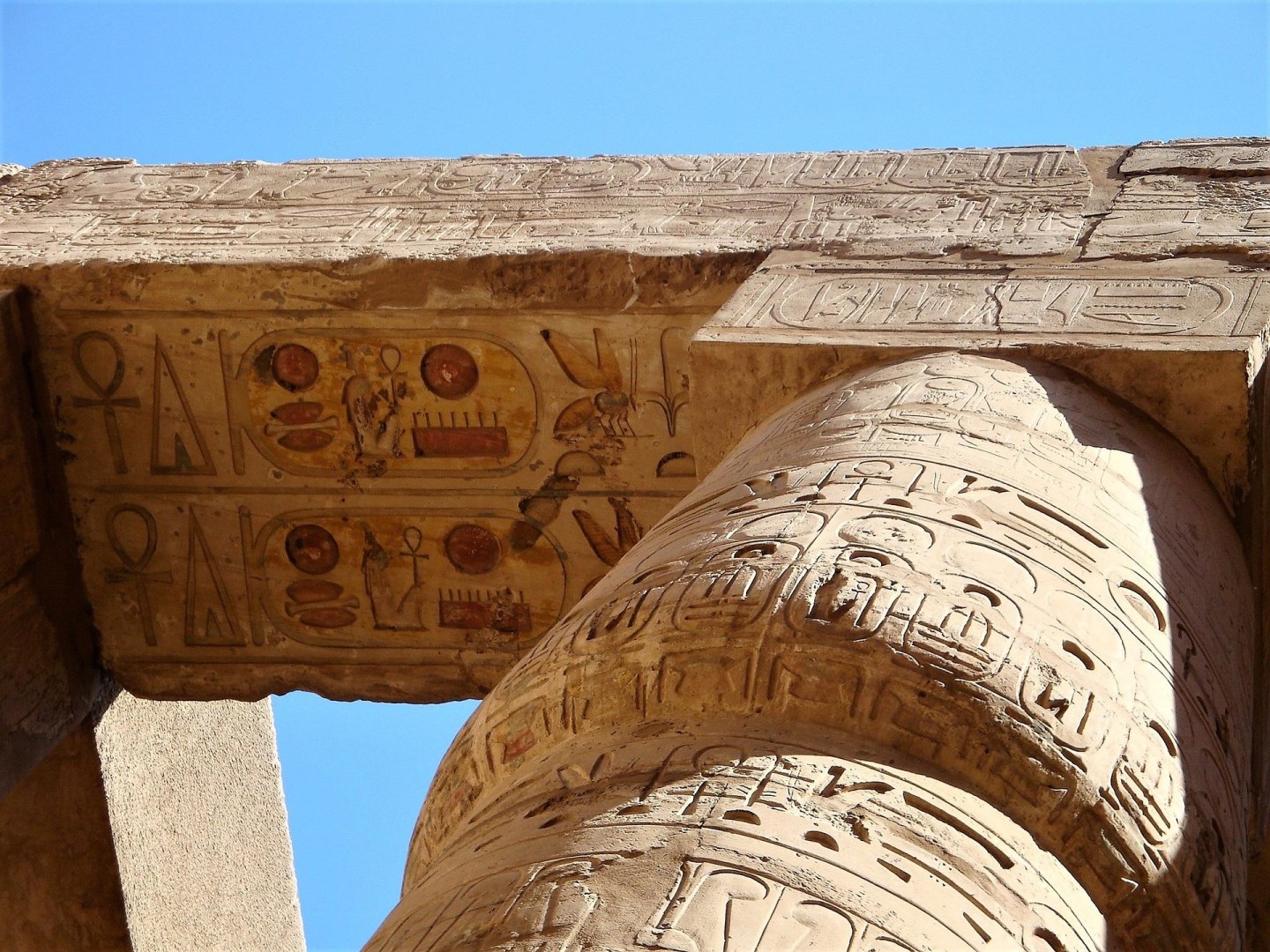
Karnak
Karnak Temple is a huge, open air complex and, after the Giza Pyramids, the second most visited historical place in Egypt. The largest religious building ever constructed, it sits on 200 acres—a true wonder of the world. Decayed pylons, chapels and temples make up this unmissable historical attraction near Luxor.

Osaka
Osaka is a city that thrives on contrasts with centuries-old castles sit just blocks from neon-lit arcades and high-speed trains. Once known as “Japan’s kitchen” during the Edo period, Osaka played a key role in rice trading and food distribution across the country. Today, visitors can walk the grounds of Osaka Castle, originally built in the 16th century by Toyotomi Hideyoshi, and take in panoramic city views from the top floor of its museum.
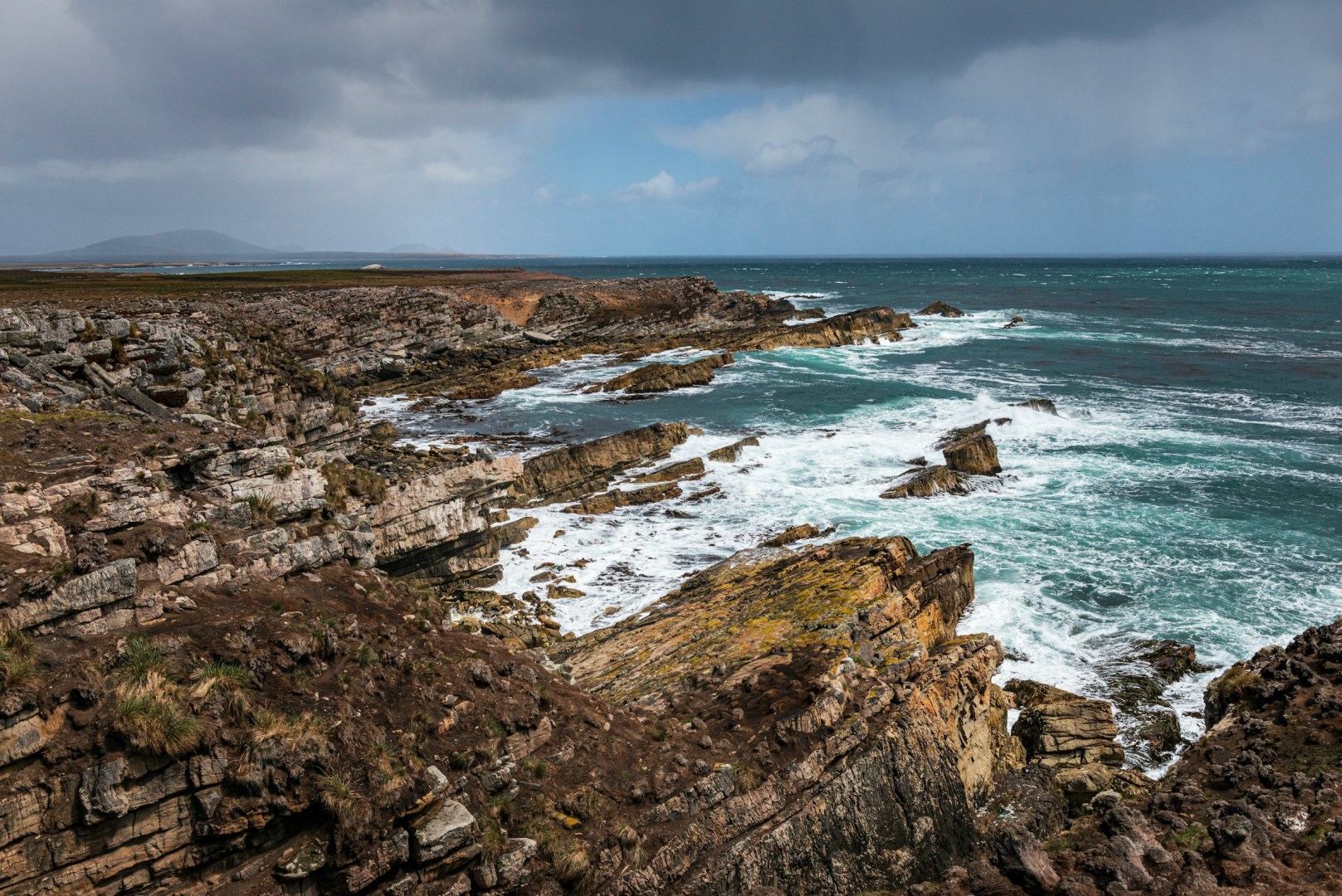
Pebble Island
Pebble Island is one of the larger islands in the northern part of the Falkland Islands, known for its open landscapes, long beaches, rocky shores, and low hills. The island stretches across a varied terrain of grassland, peat, freshwater ponds, and coastal cliffs, with several bays providing sheltered areas for wildlife. A small settlement serves as the island’s main community, while much of the surrounding land remains open and lightly developed.
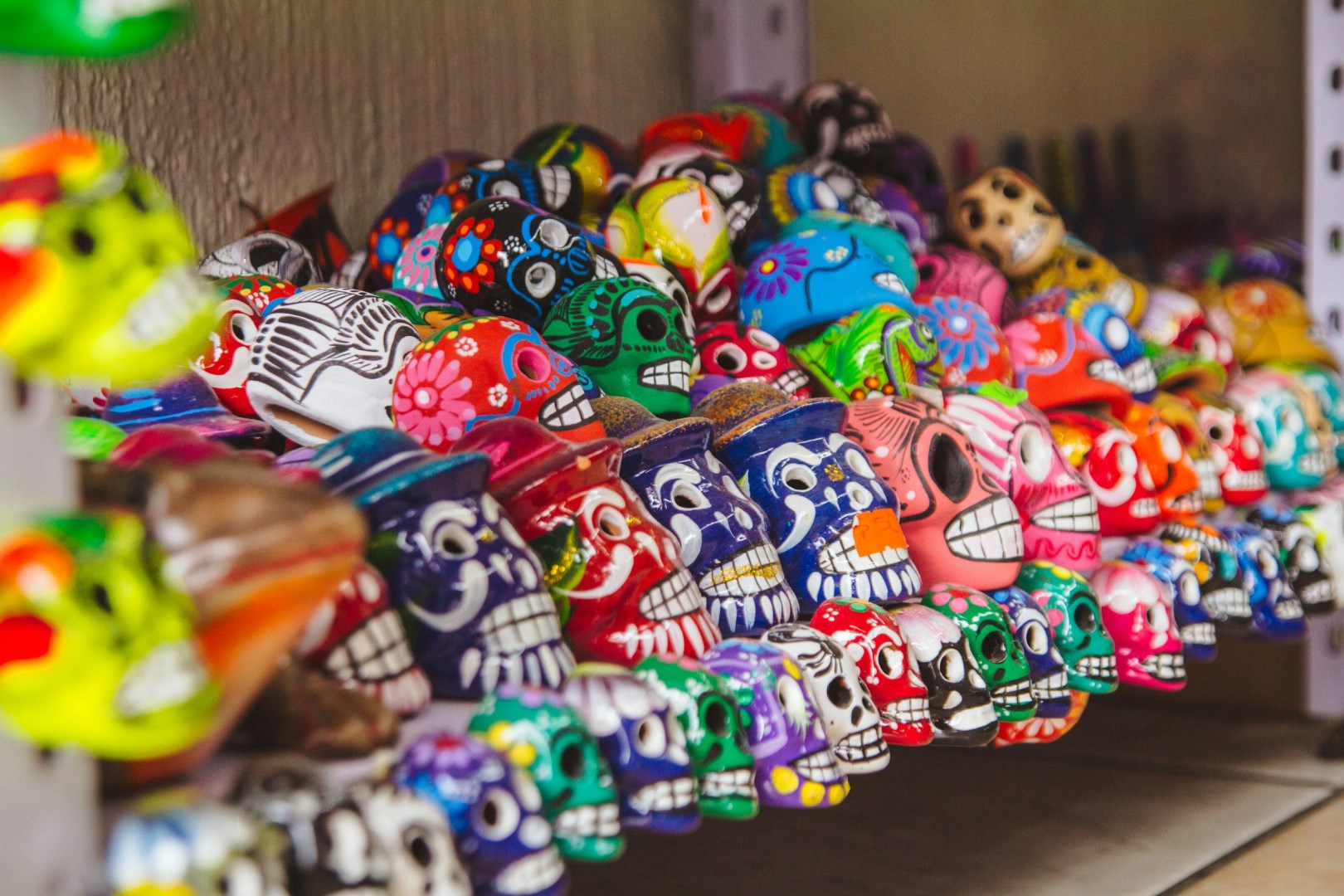
Guanajuanto
Guanajuato is situated between the dry north of the country and the more verdant south, and geographically belongs to the Trans-Mexican Volcanic Belt, the Mexican Plateau.
