

Marmaris
Marmaris sits on the turquoise waters of Turkey’s Aegean coast and greets visitors with a lively harbor, wide beaches and a story that spans thousands of years. Its protected bay has been a safe anchorage for ships since ancient times, and today the marina, one of the largest on the Turkish Riviera, is bright with yachts and fishing boats alike.

Spitzkoppe
Spitzkoppe, often referred to as the "Matterhorn of Namibia," is a stunning granite peak rising majestically from the desert floor, offering some of the most dramatic landscapes in the country. Located between Usakos and Swakopmund, this isolated mountain range, with its highest point standing at 1,728 meters, is a paradise for hikers, climbers, and nature lovers. The area is also rich in ancient San rock art, providing visitors with a glimpse into Namibia's prehistoric past.

Warsaw
Warsaw stands as one of Europe’s most resilient cities, having rebuilt itself almost entirely after World War II. The Old Town, meticulously reconstructed using paintings by Italian artist Bernardo Bellotto, feels centuries old but is, in fact, less than a hundred years in its current form. Behind the medieval facades lie stories of uprisings, resistance, and quiet defiance. Visitors walking through Castle Square can enter the Royal Castle, where Poland’s Constitution of May 3, 1791 was adopted.
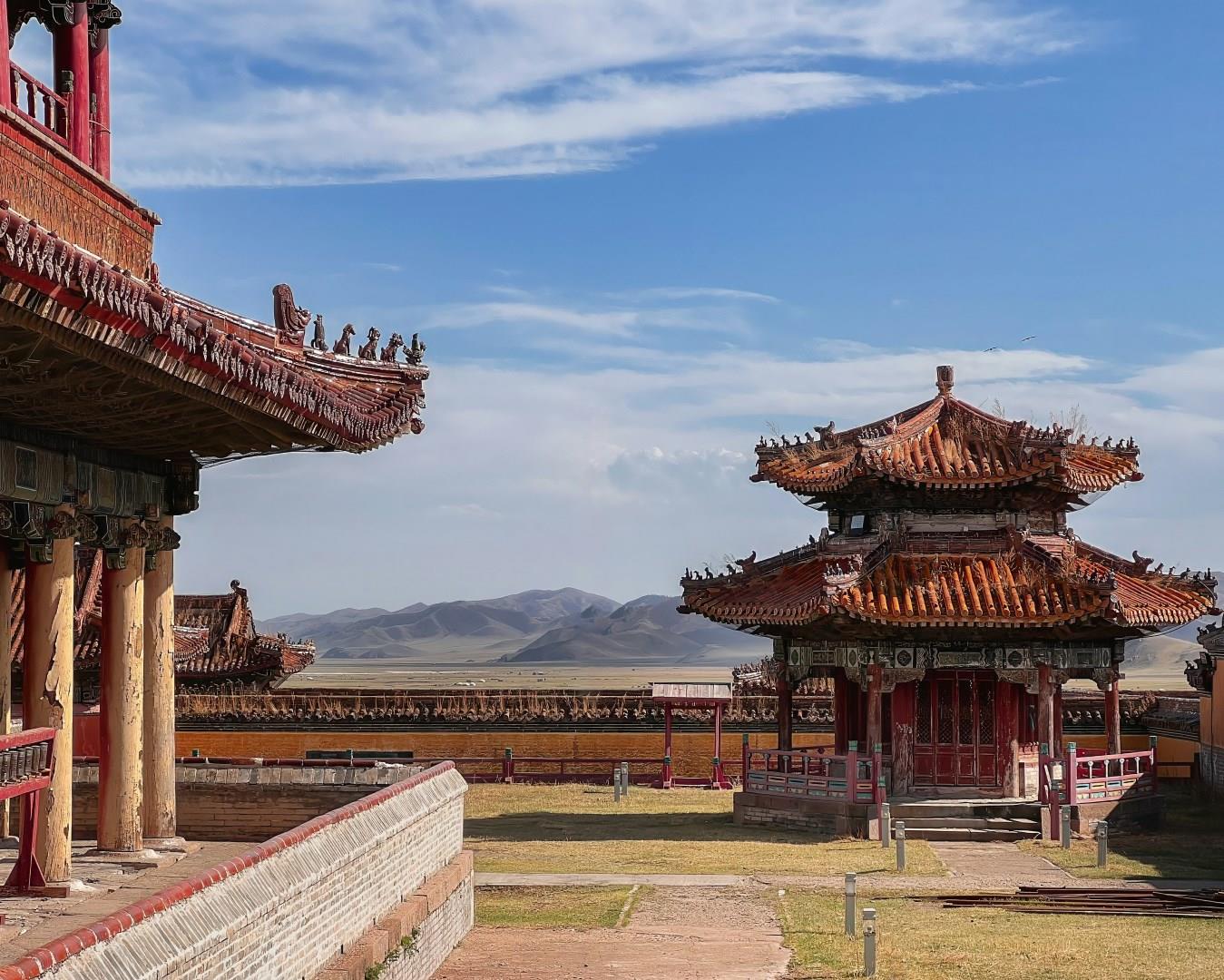
Baruunburen
Baruunbüren is a small town in northern Mongolia, set within the forest-steppe landscapes of Selenge Province near the Russian border.
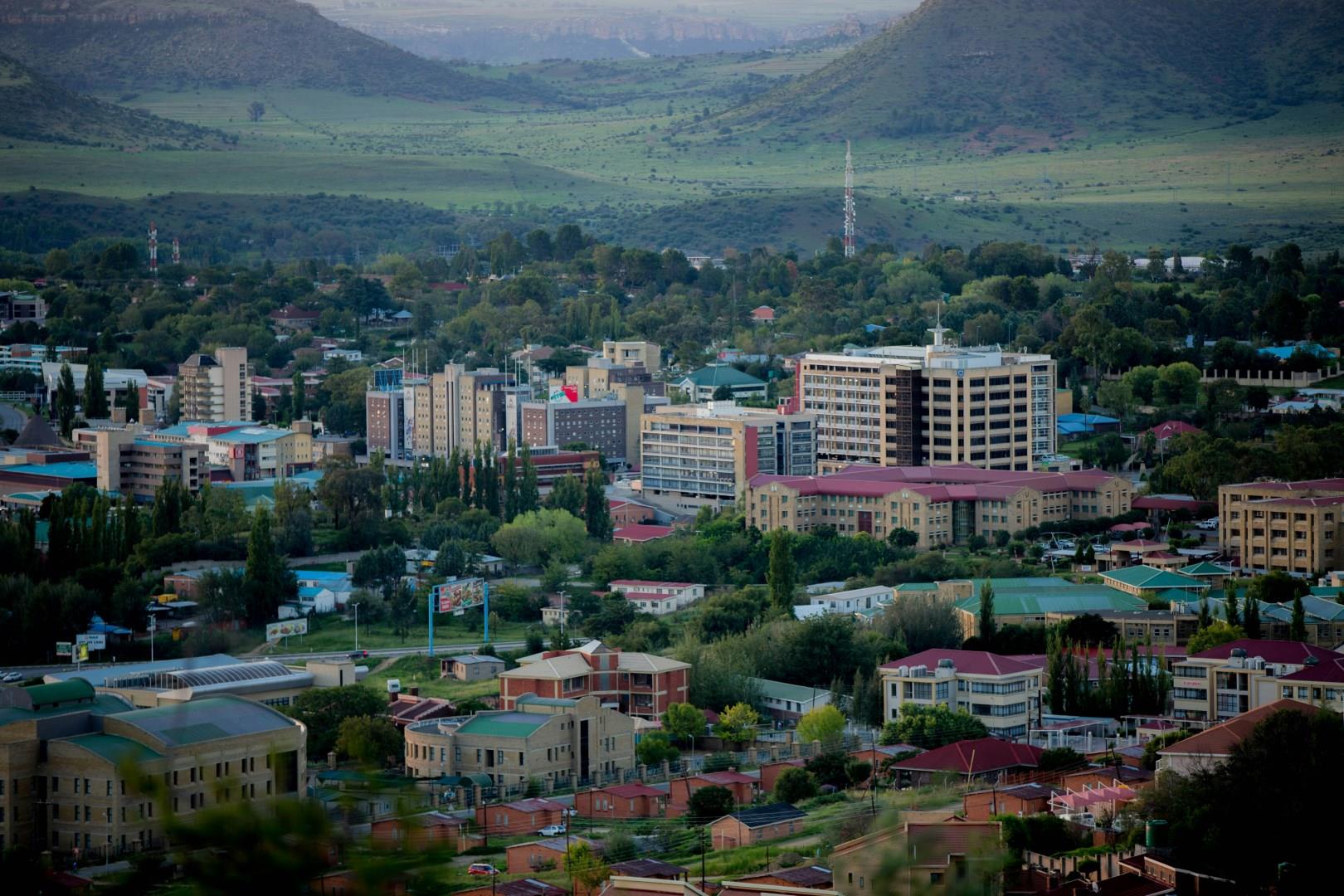
Maseru
Maseru, the capital of Lesotho, sits along the banks of the Caledon River near the border with South Africa. As the political and economic center of the country, it offers a mix of modern amenities, government offices, and bustling markets.
