
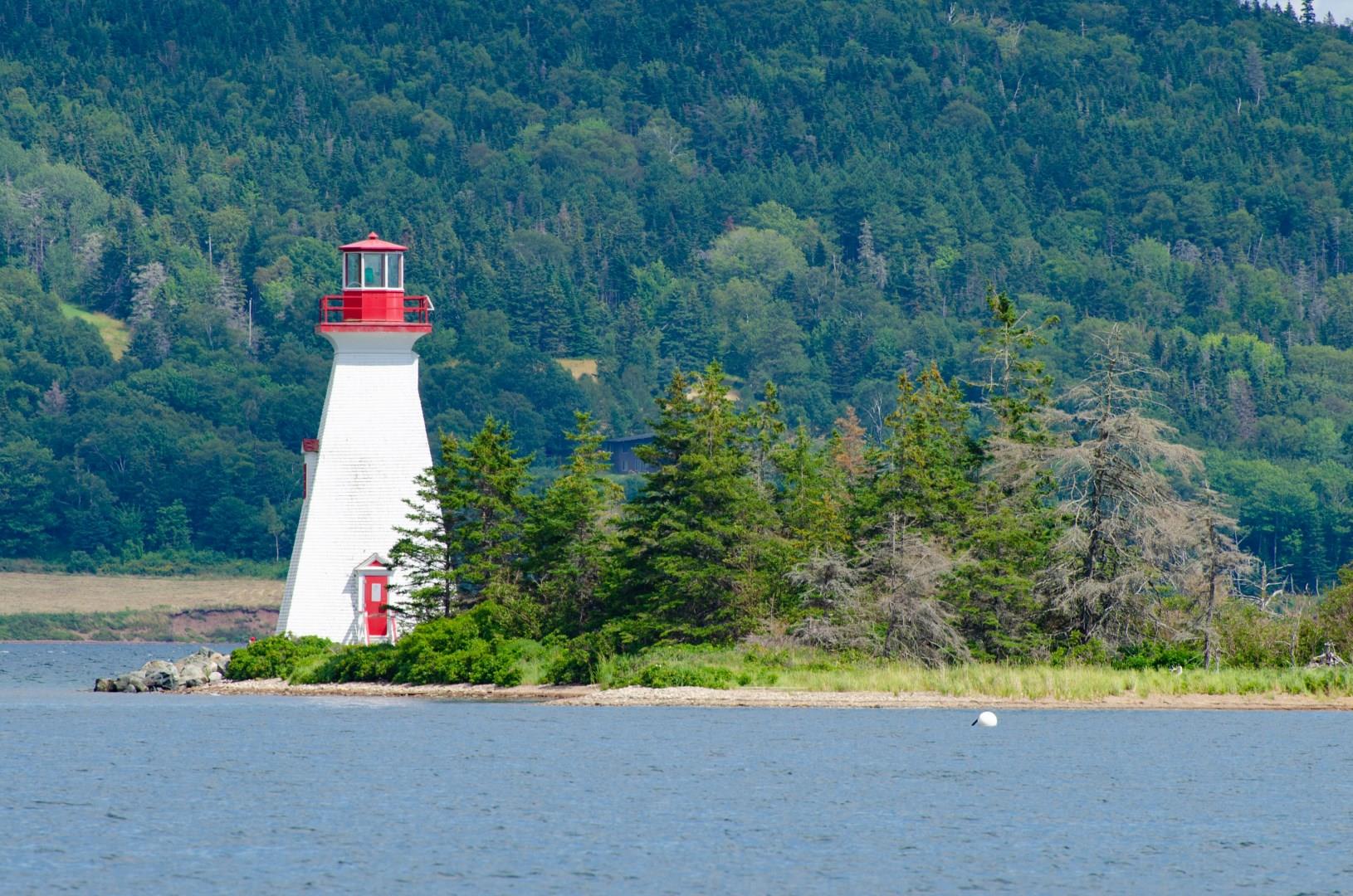
Baddeck, Cape Breton Island
Baddeck sits along the calm waters of the Bras d’Or Lake on Cape Breton Island in Nova Scotia, a village with deep roots and stories to tell. Its name comes from an Indigenous word thought to mean “place with an island near,” a nod to nearby Kidston Island and the long history of the Mi’kmaq people in the area. A highlight for many visitors is the Alexander Graham Bell National Historic Site, where the legacy of one of history’s most inventive minds comes alive.

St. Lawrence River
From its natural wonders to its historic charm, the St. Lawrence River invites visitors to explore its endless possibilities. Whether by land or water, this iconic river promises a journey filled with discovery and unforgettable moments.

Bocas Del Toro
Bocas del Toro, an enchanting archipelago on Panama’s Caribbean coast, is a paradise where vibrant culture meets unspoiled natural beauty. Renowned for its stunning islands, turquoise waters, and lively atmosphere, Bocas del Toro offers an adventure for every type of traveler. The archipelago’s main hub, Bocas Town, is located on Isla Colón and is the perfect starting point to explore the area’s many delights, from world-class surfing at Bluff Beach to snorkeling and diving in the kaleidoscopic
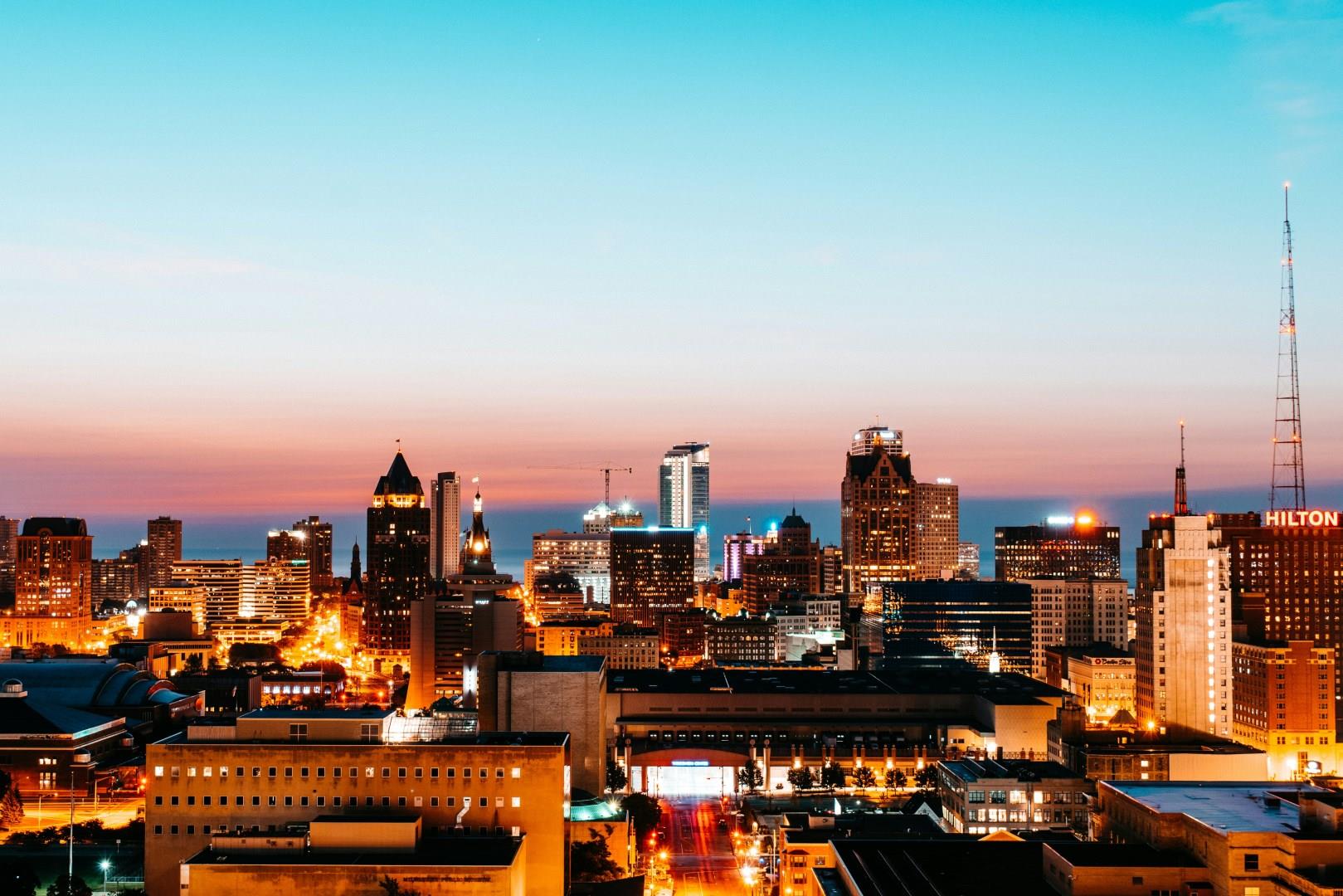
Milwaukee
Milwaukee is a city where the echoes of its brewing past mingle with vibrant arts and cultural scenes today. Known worldwide for its beer heritage, visitors can explore the Harley-Davidson Museum and then head to the historic breweries that shaped the city’s identity. The Milwaukee Public Market offers a lively food hall experience with fresh local fare, from artisanal cheeses to inventive craft beers, capturing the city’s deep-rooted love for bold flavors and innovation.
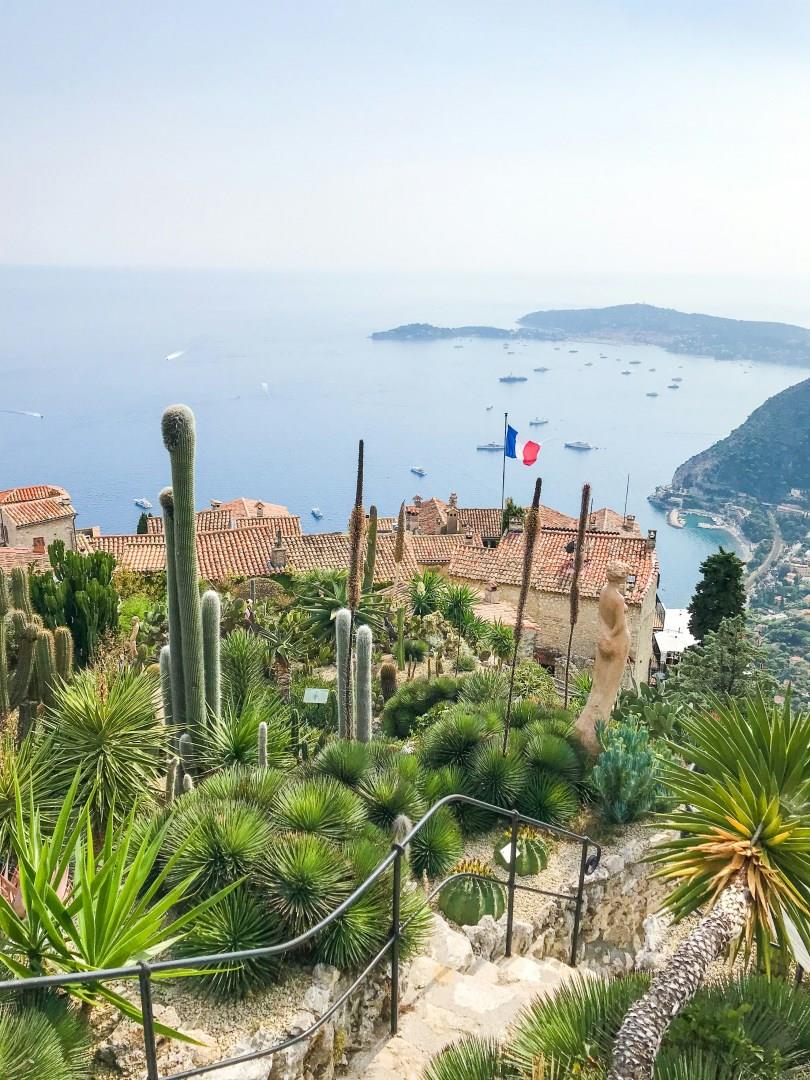
Èze
Eze is a hilltop village perched high above the Mediterranean on France’s Côte d’Azur, where stone houses and narrow lanes cling to a steep rocky outcrop between Nice and Monaco.
