

Brazil
Brazil is a country that moves to its own rhythm whether it be samba, bossa nova, the roar of waterfalls or the quiet of the rainforest. Stretching from the Amazon Basin to the Atlantic coastline, Brazil offers both iconic cityscapes and vast natural frontiers. In Rio de Janeiro, visitors can ride a cable car up to Sugarloaf Mountain, watch the sunset from Arpoador, or join a drumbeat-filled bloco during Carnival, where the streets turn into one massive celebration of music, movement, and color.

Isla del Sol
Isla del Sol, or Island of the Sun, is one of the best-known islands in Lake Titicaca, Bolivia, located in the lake’s southern section near Copacabana. The island is shaped by steep hills, stone terraces, small farming communities, and broad views across the high-altitude lake toward the Andes. At about 3,810 meters above sea level, Lake Titicaca creates a distinctive setting where cultivated slopes meet deep blue water and distant mountain peaks.
Gokyo
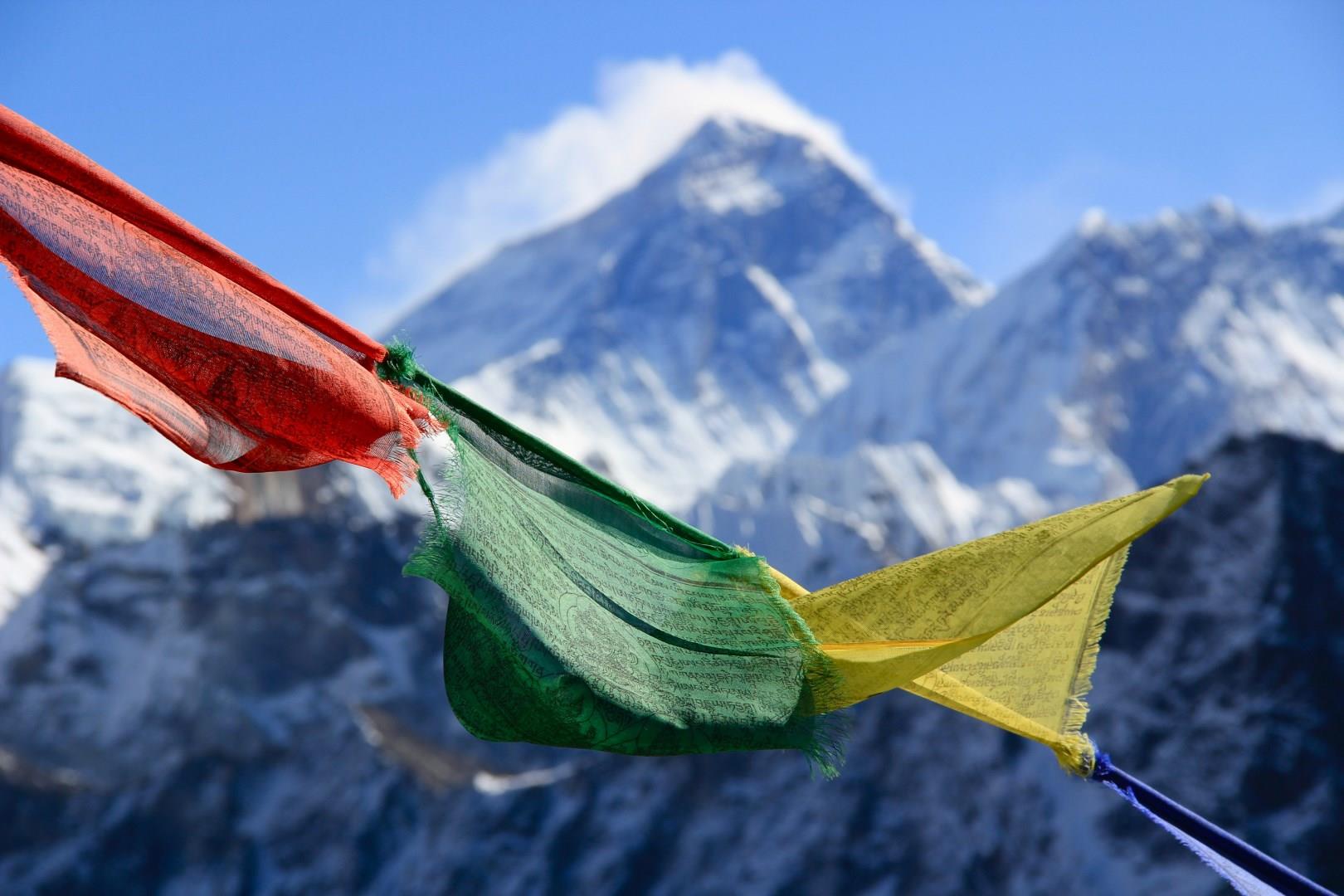
Gokyo is a small settlement high in Nepal’s Khumbu region, set beside a chain of turquoise glacial lakes beneath the Himalaya. Its significance is closely tied to trans-Himalayan trade routes and to Sherpa culture, which has adapted over generations to life at extreme altitude.

Astoria
Astoria, Oregon is the state's oldest city. Located on the Columbia River near the Pacific Ocean, Astoria is rich in history, including fishing, canning and the Lewis and Clark Expedition.
Lillehammer
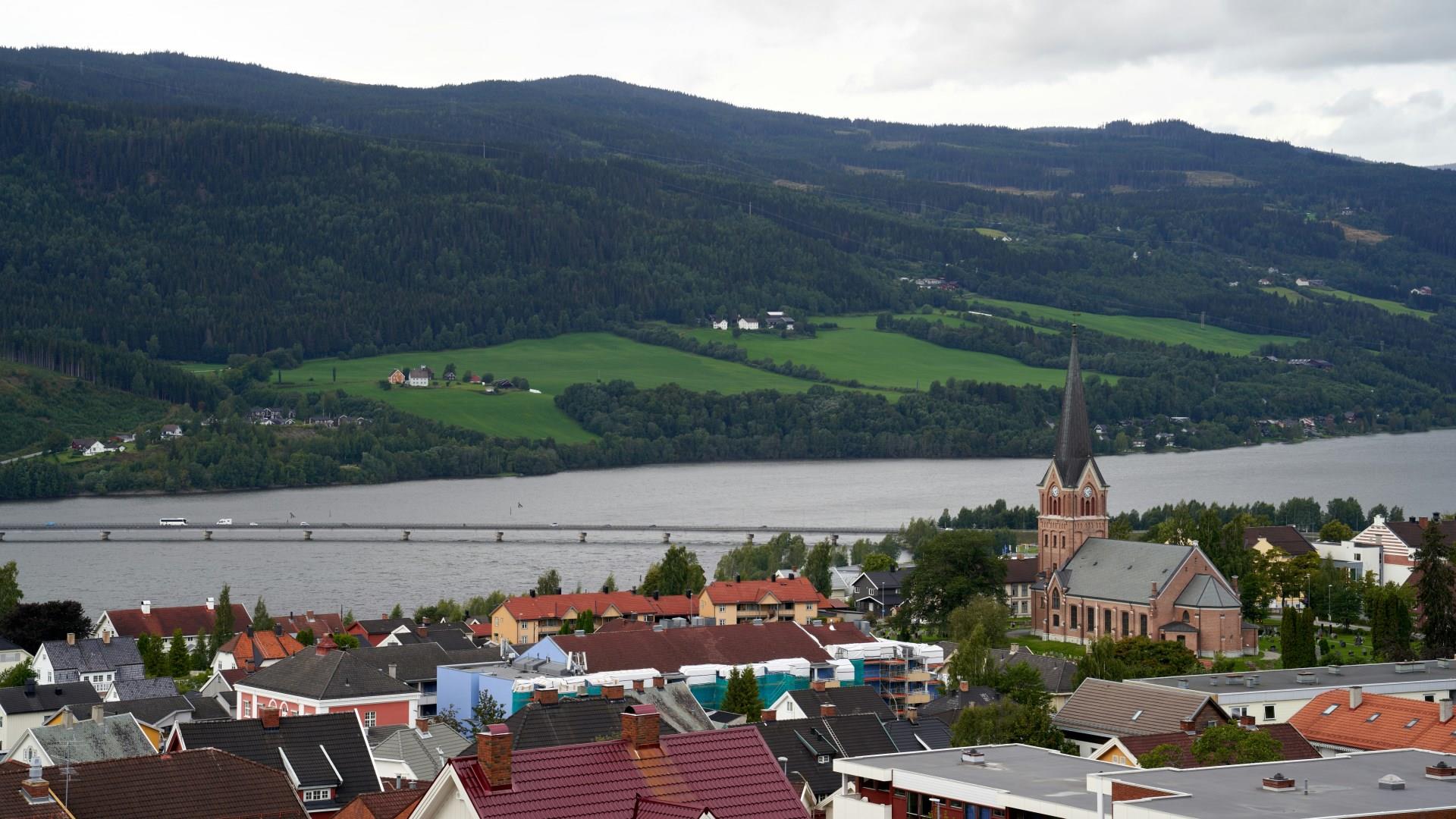
Lillehammer, nestled along the northern shores of Norway’s Lake Mjøsa and framed by pine-covered hills, is a town that blends natural beauty with cultural richness. Famous for hosting the 1994 Winter Olympics, Lillehammer has leveraged its global spotlight to cultivate attractions that celebrate both its sporting legacy and artistic heritage.
