
Potosi
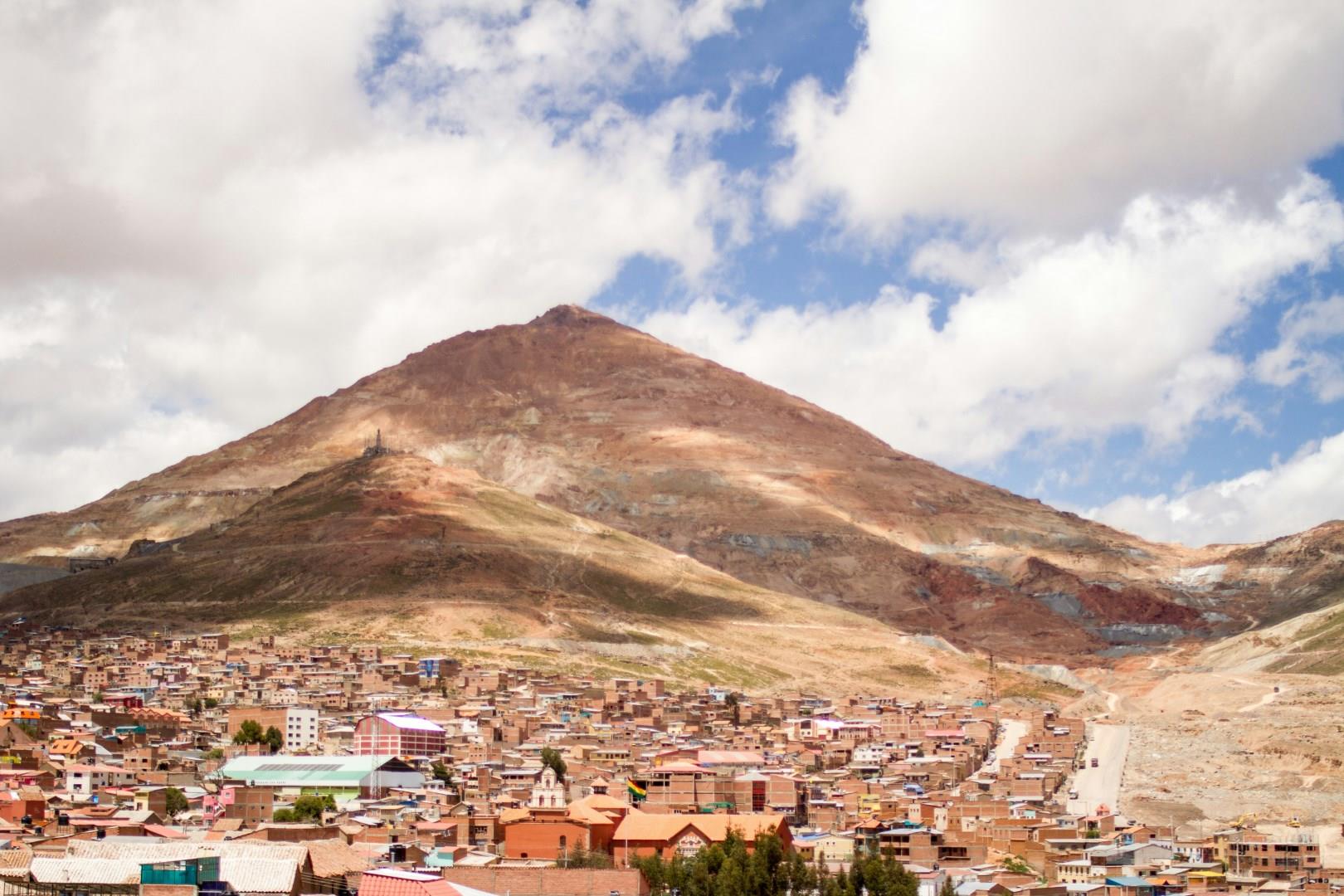
Potosí rises on the Altiplano of southern Bolivia and for centuries it was one of the richest cities in the world because of what lies just beyond its streets. At the foot of Cerro Rico (“Rich Mountain”), silver was discovered in the mid-1500s, and within a few decades the city became a center of mining and wealth that shaped global trade and economies.
Bradford
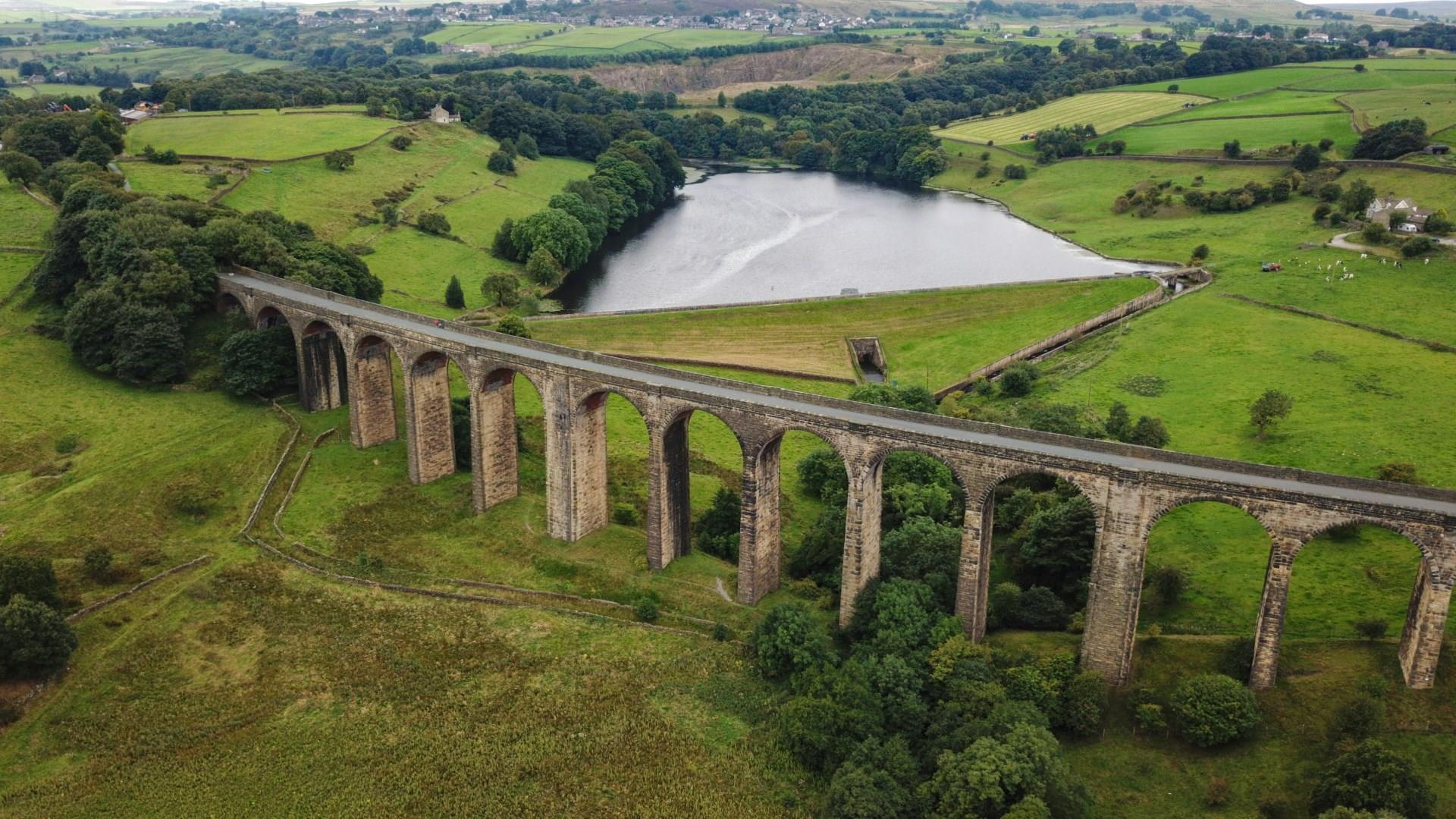
Bradford, set against the backdrop of the South Pennines in West Yorkshire, is a city built on textiles, innovation, and resilience. As the world’s first UNESCO City of Film, Bradford blends cinema history with modern creativity. The National Science and Media Museum sits in the heart of the city, offering hands-on exhibits about photography, television, gaming, and animation. It’s also home to one of the UK's only IMAX cinemas.

Tenerife Island
Tenerife is the largest isle of the Canary Islands archipelago. Famous for its black and yellow sand beaches as well as Mt. Teide, the dormant volcano that looms over the island.

Russia
Russia attracts thousands of tourists each year who have a taste for cathedrals and monasteries, fine art, theater, museums, and the Russian culture in general.
Rabat
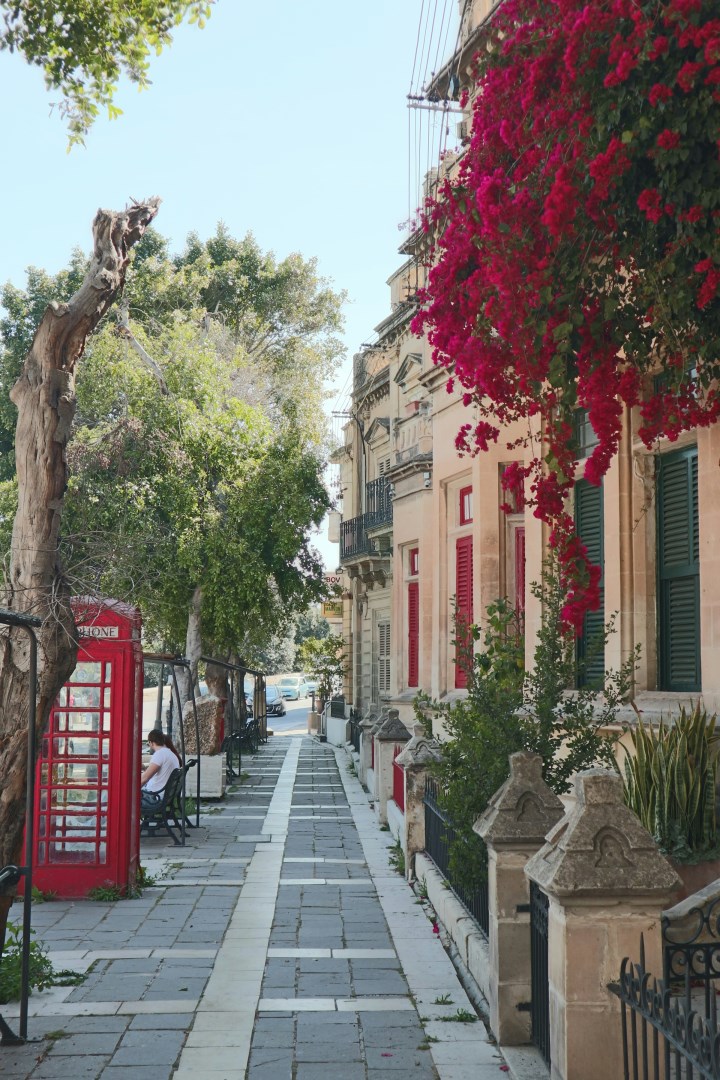
Rabat is a historic town in central Malta, adjoining the fortified city of Mdina and extending across a landscape shaped by limestone, fields, and ancient settlements. Its name means “suburb,” reflecting its position outside the walls of the former capital. The town has a distinctly local character, with narrow streets, traditional limestone buildings, small squares, and churches interspersed with archaeological sites.
