
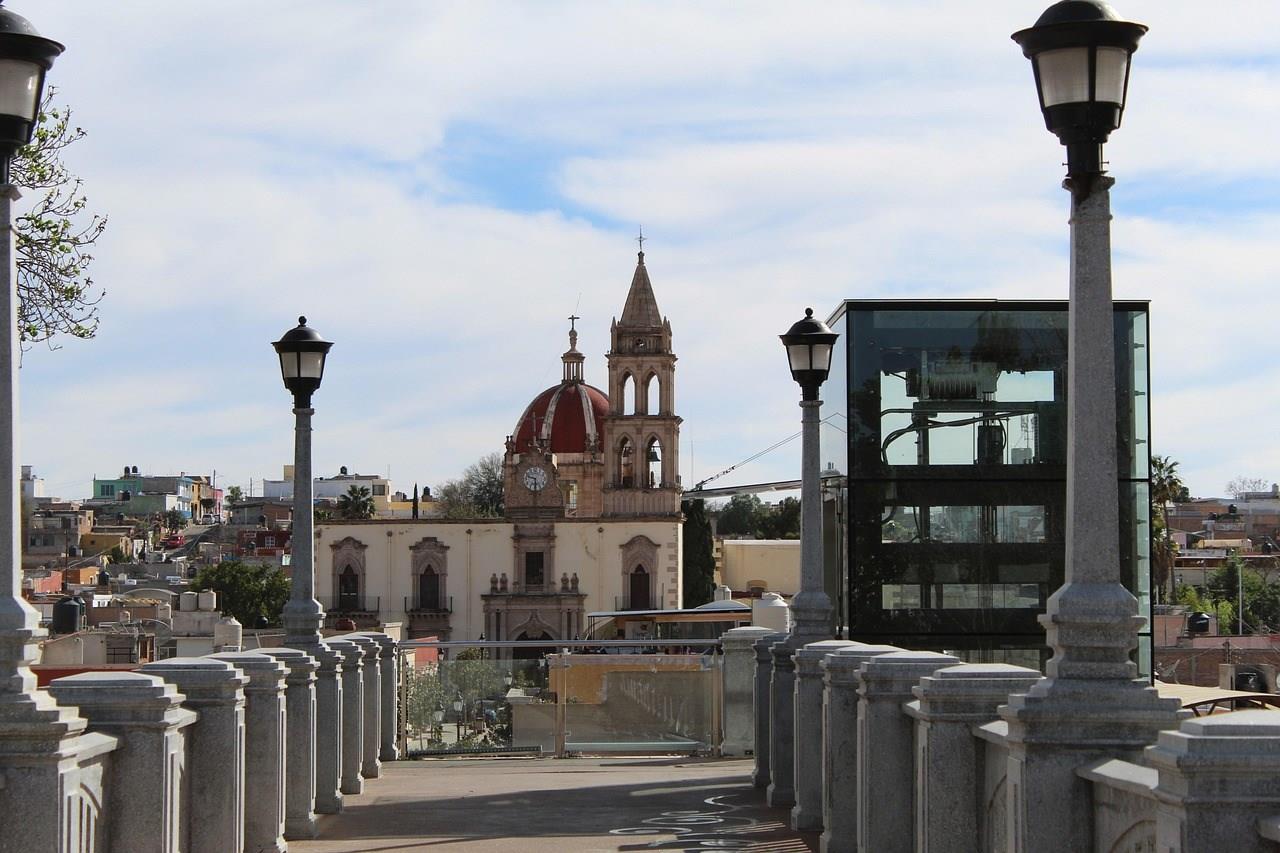
Durango
Victoria de Durango rises on a high plateau Mexico’s Sierra Madre Occidental, founded in 1563 by Francisco de Ibarra. Its streets trace layers of history: the historic center holds the most listed buildings in northern Mexico and remains a notable stop on the Camino Real de Tierra Adentro, now a UNESCO World Heritage route.
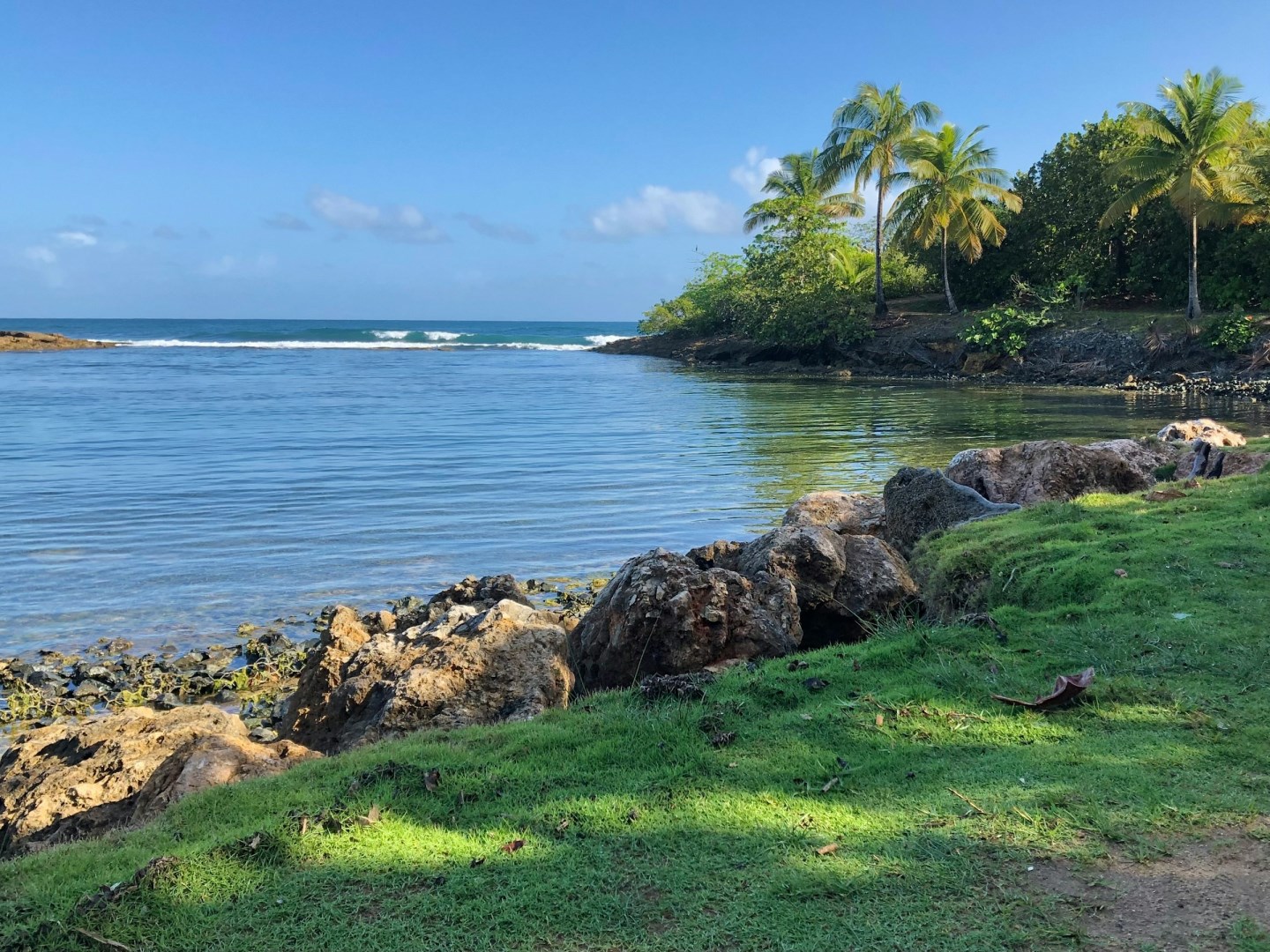
Dorado
Dorado is a coastal municipality on the north coast of Puerto Rico, west of San Juan and facing the Atlantic Ocean. Its landscape combines sandy beaches, rocky shorelines, low hills, wetlands, and developed residential areas. Dorado is known for its beaches and golf courses, while the town and surrounding communities retain a strong connection to Puerto Rican coastal and agricultural traditions.
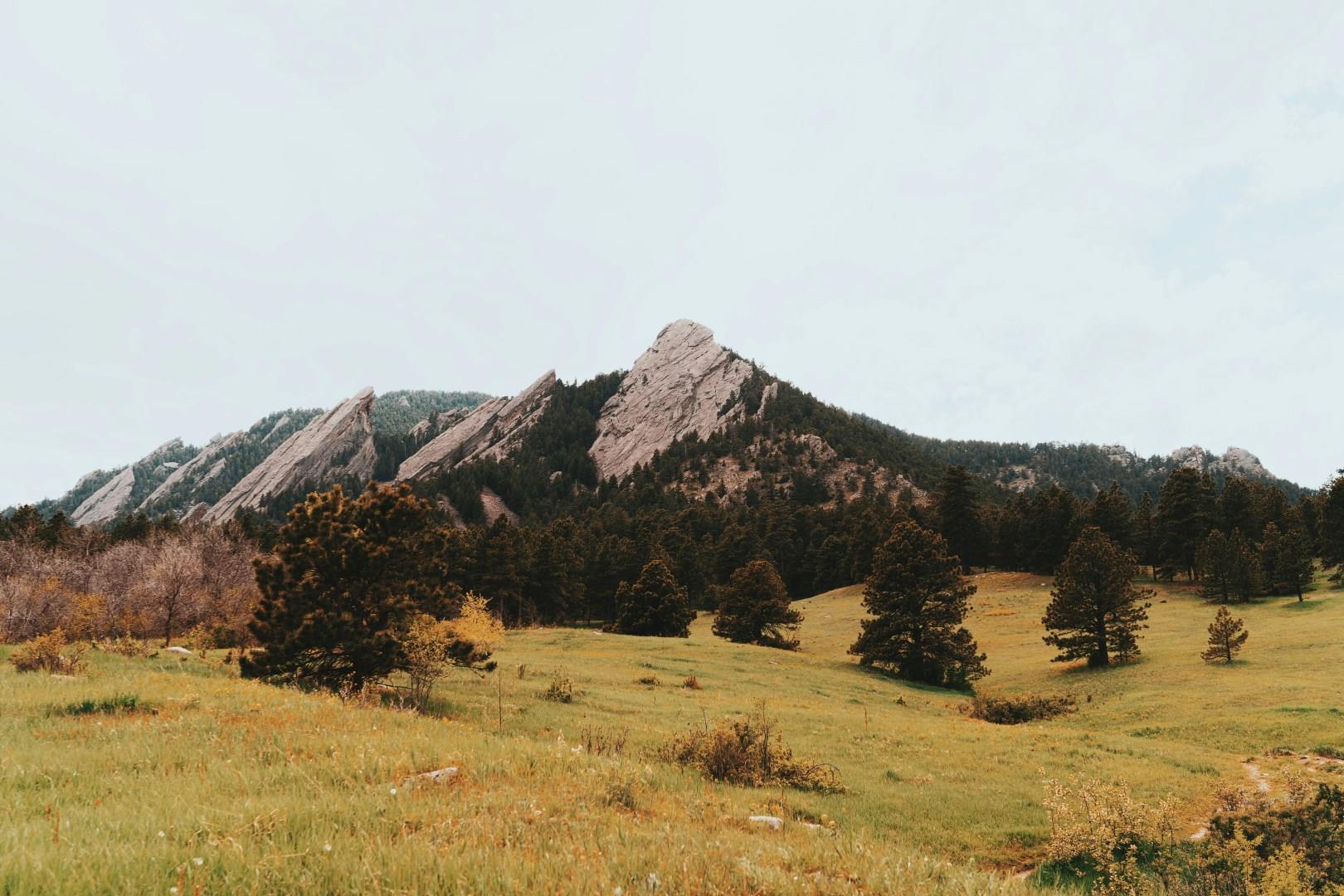
Boulder
Boulder, a beautiful 2,500 foot high oasis of green lawns and clean trees-shaded streets where the sun shines over 320 days a year, overlooks the Lake Mead National Recreation Area. Recognized as truly a family oriented and community minded city, one only has to visit for a short time to confirm this reputation.

South Carolina
South Carolina draws travelers in with its layers of history, distinctive regional flavors, and landscapes that range from quiet marshes to mountain trails. In Charleston, cobblestone streets wind past antebellum homes and hidden courtyards. Beaufort, tucked along the Intracoastal Waterway, charms visitors with moss-draped oaks, shrimp boats, and preserved architecture that has earned it comparisons to a living movie set and was indeed, where several films, including *Forrest Gump*, were filmed.

Yucatán
Yucatán, a Mexican state, is popular for its Gulf of Mexico beach areas and spectacular Mayan ruins. It is bordered by the states of Campeche and Quintana Roo. Mexico’s Yucatán Peninsula is also home to mystical cenotes—natural sinkholes filled with crystal-clear water.
