
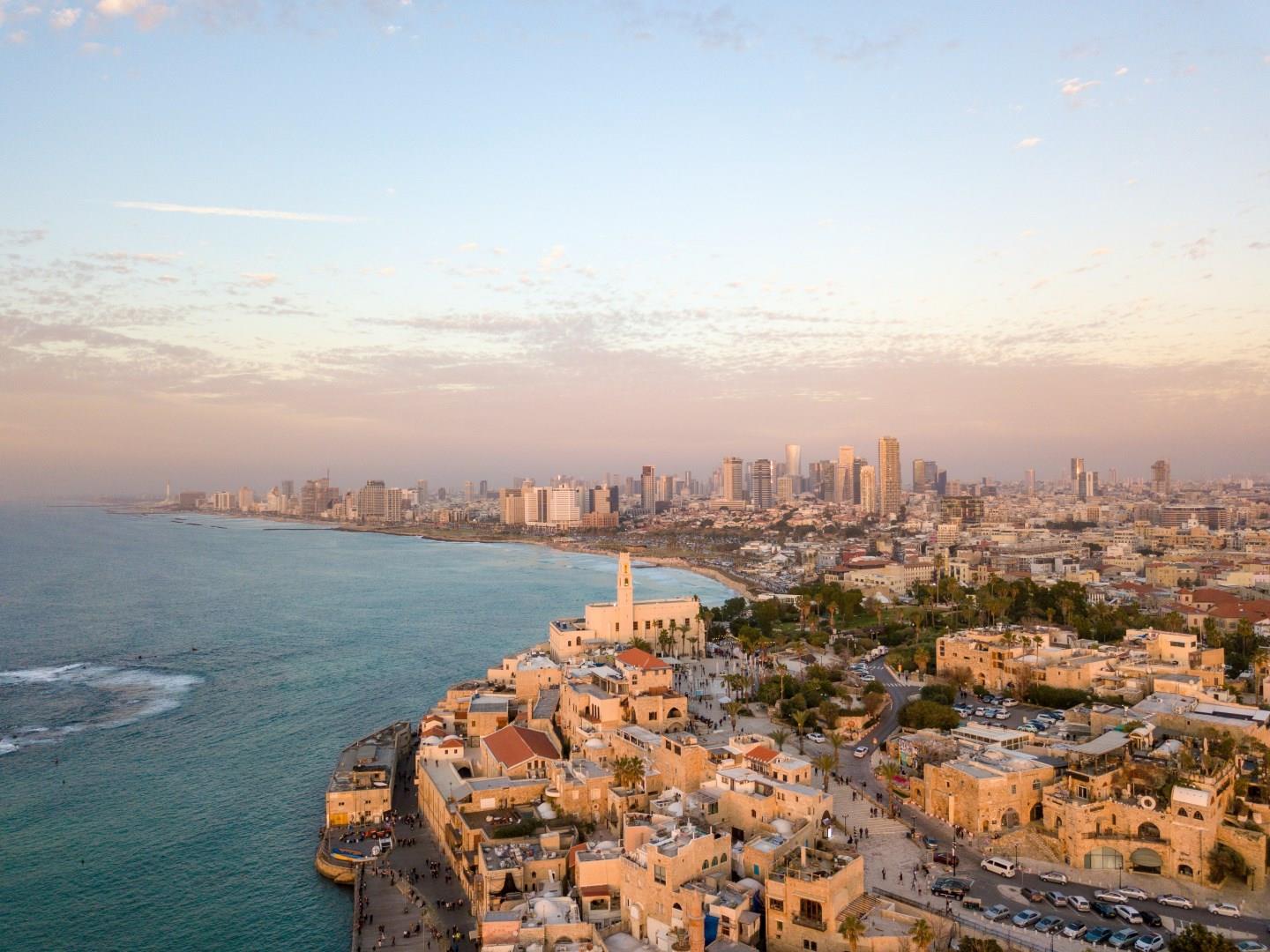
Tel Aviv
Tel Aviv began in 1909 as a new neighborhood beside the ancient port of Jaffa. The city is now home to the largest cluster of Bauhaus-style buildings in the world which earned UNESCO recognition for its early 20th-century urban planning. Visitors can explore those structures on guided architectural walks through streets like Rothschild or Dizengoff.
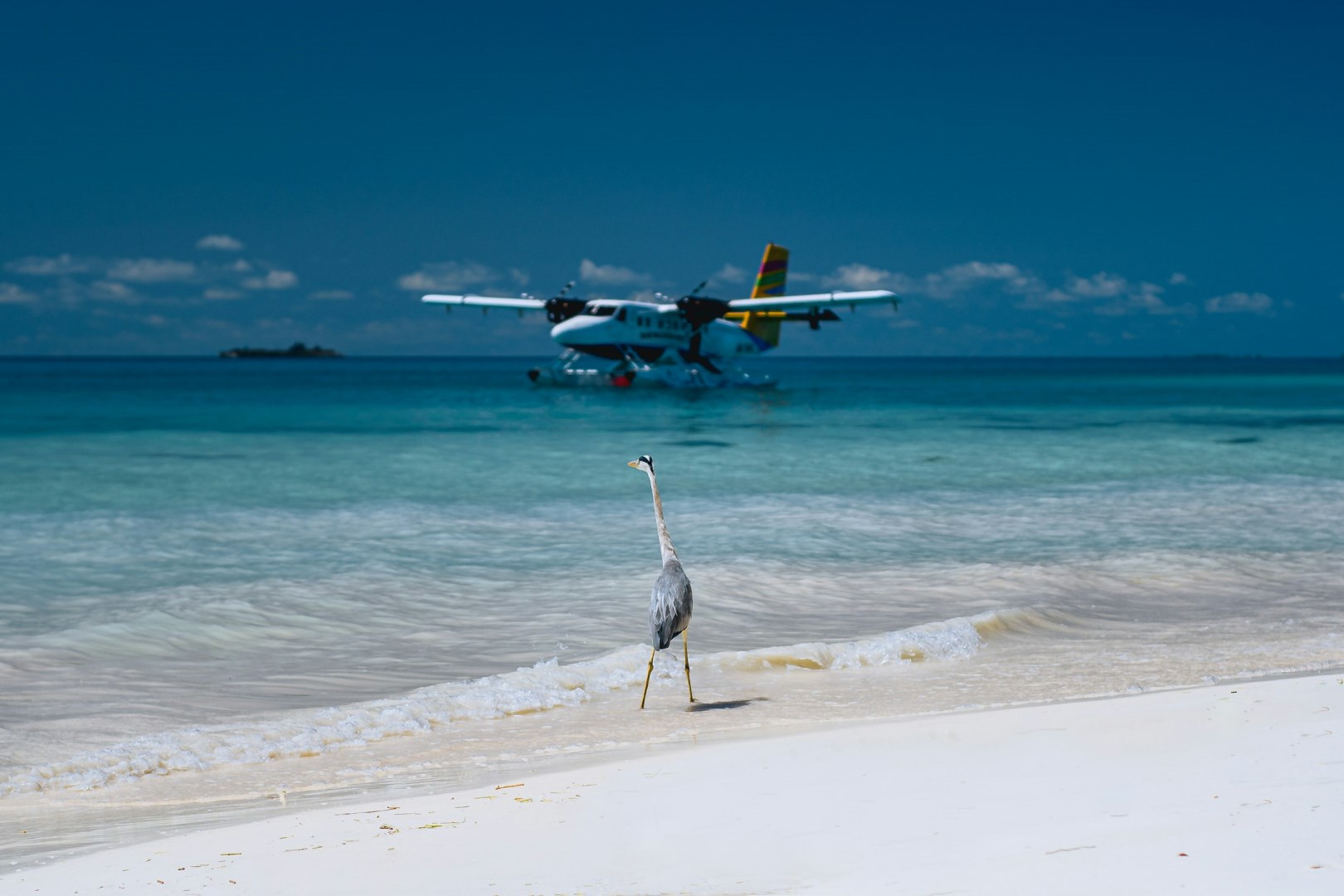
Alifu Dhaalu Atoll
Alifu Dhaalu Atoll, also known as South Ari Atoll, lies southwest of Malé in the central Maldives and includes a mixture of inhabited islands, uninhabited islets, sandbanks, and resort islands. The atoll is surrounded by coral reefs and clear lagoon waters, while many of its inhabited islands retain compact communities shaped by fishing and maritime traditions. Mahibadhoo serves as the administrative capital, with Dhangethi, Dhigurah, Omadhoo, and Mandhoo among the better-known local islands.
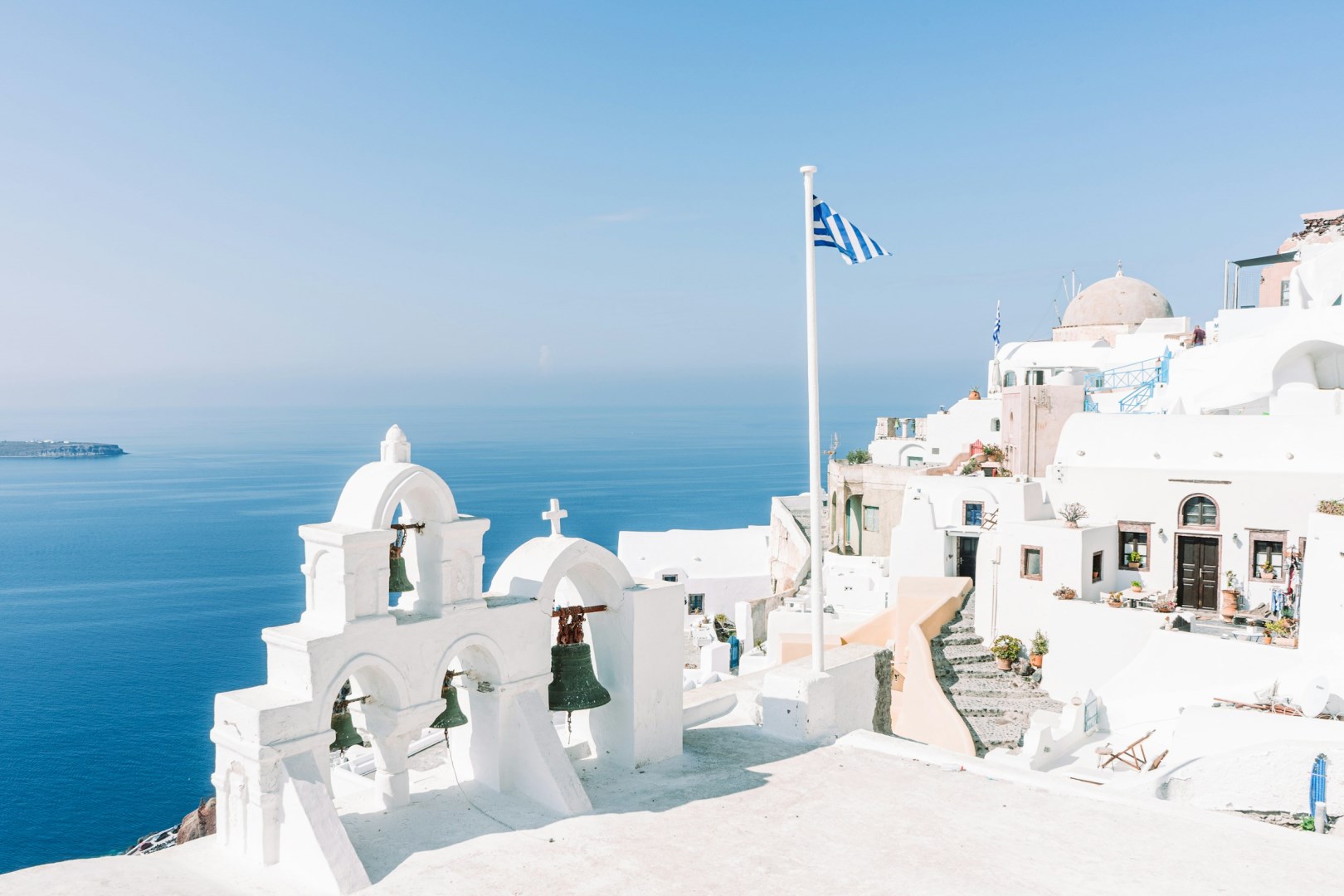
Oia
Oia is a historic village on the northern tip of Santorini, built along the steep rim of the island’s volcanic caldera. Its whitewashed houses, cave dwellings, blue-domed churches, and narrow pedestrian lanes follow the contours of the cliffs above the Aegean Sea. The village developed a strong maritime identity through its captains’ houses and seafaring families, many of which are preserved among its traditional buildings.

Nuremberg
Nuremberg is Bavaria’s second-largest city and for centuries was the undeclared capital of the Holy Roman Empire. There is plenty to do and see, starting with picturesque charm of the Old Town, situated at the foot of the Kaiserburg.
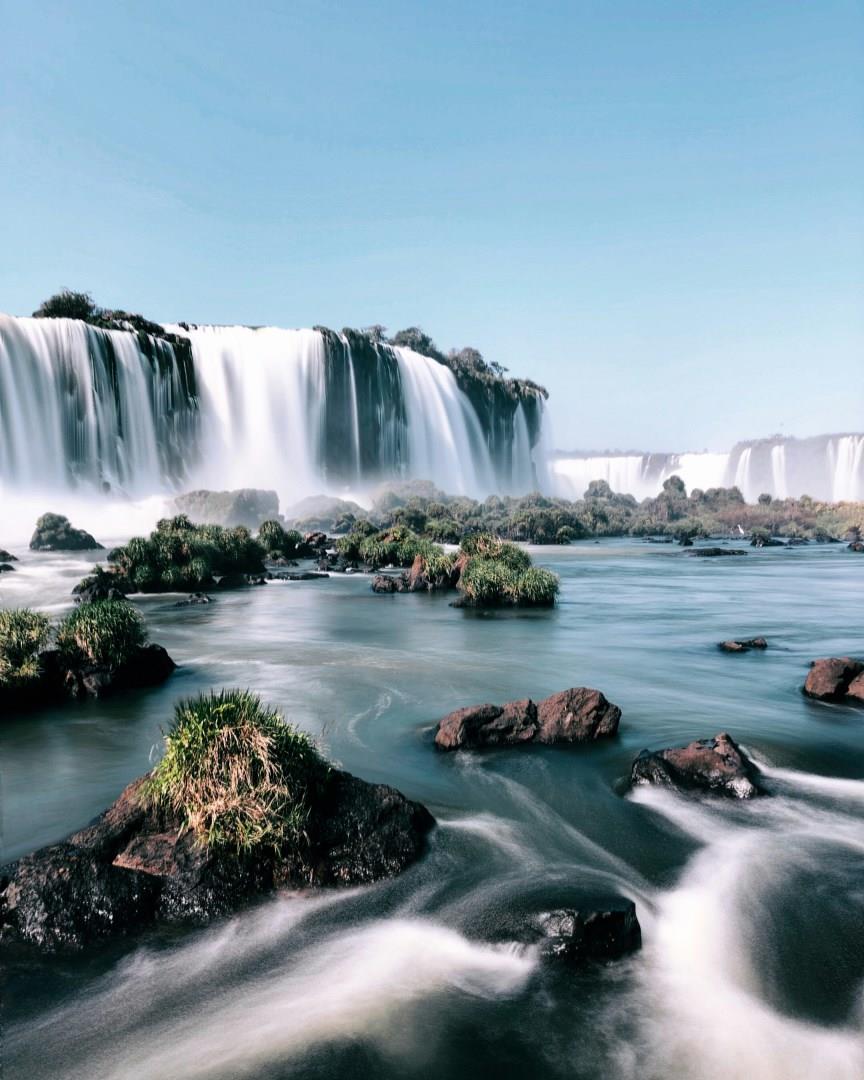
Foz do Iguaçu
Set at the meeting point of Brazil and Argentina, Foz do Iguaçu is defined by the sheer scale of the Iguaçu Falls. Nearly 275 individual waterfalls stretch across close to three kilometers, sending mist into the air and sound echoing through the surrounding forest. Visitors follow raised walkways that bring them face to face with this moving wall of water, culminating at the dramatic Devil’s Throat, a deep, curved drop where the river seems to vanish into the earth.
