

Trinidad & Tobago
Trinidad and Tobago is a nation of contrasts, where vibrant cultural traditions meet diverse natural landscapes. Together, the two islands balance energy and relaxation, heritage and nature.
Kerak
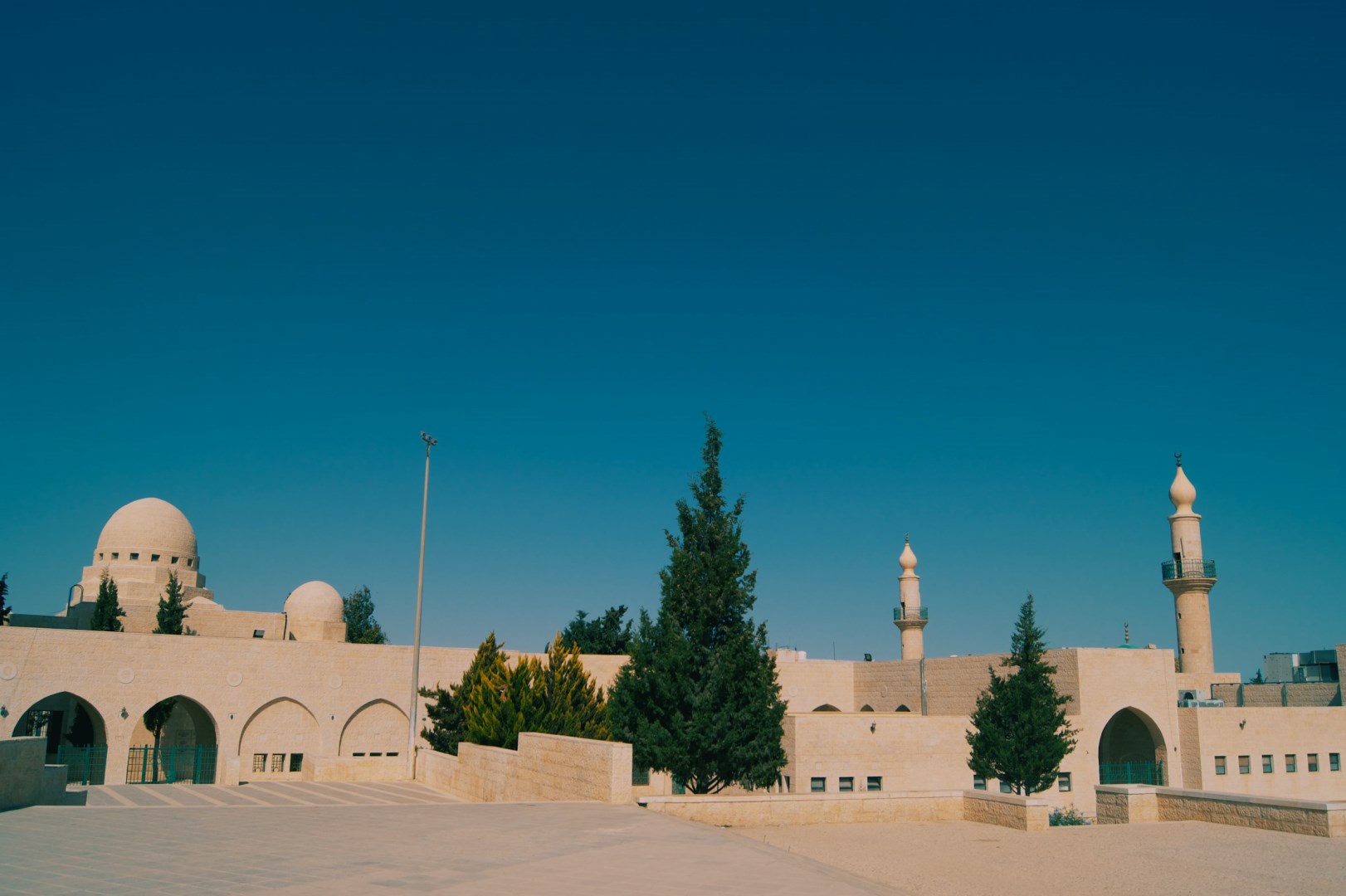
Kerak is a fortress town 75 miles (120km) from Amman, and contains one of the two major Crusader castles in the Kingdom. The castle, built to protect the approach to Jerusalem, stands on a craggy plateau 4,300ft above sea level. It was built in the early part of the 12th century and held for 50 years by the Crusaders until they were defeated by Salah al Din (Saladin) in 1189.

Floreana Island
Located off the coast of Ecuador, Floreana Island is one of the Galápagos Islands and a popular stop for gazing at a variety of wildlife, including Galápagos tortoises and flamingoes. Post Office Bay is home to the island chain's first post office site, originally established by visiting whalers in the 18th century. Though one of the smallest islands in the Galápagos, Floreana is well worth the trip!
Guam
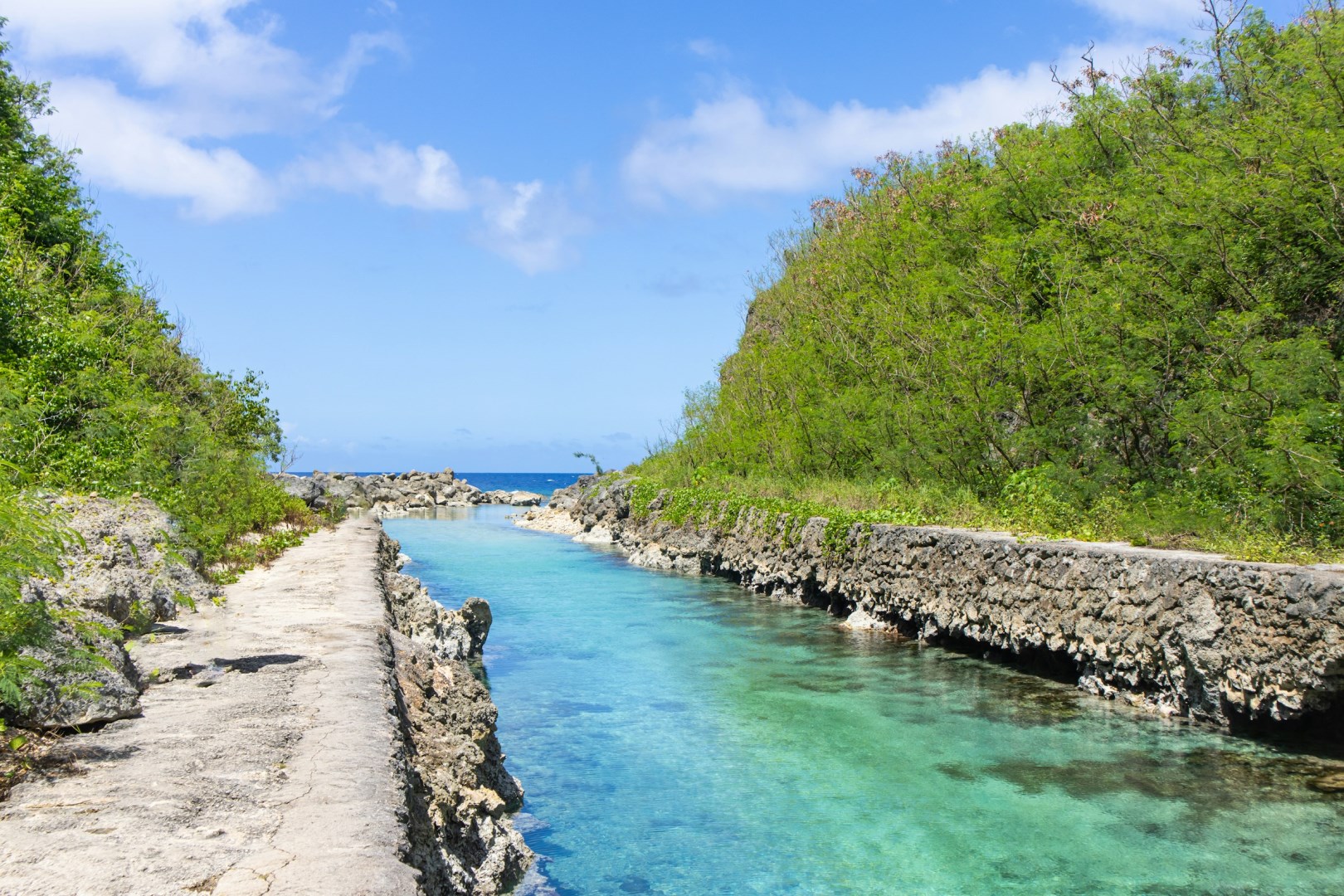
Guam, a vibrant island territory in the Western Pacific, offers travelers more than just sandy beaches and turquoise water. As the largest island in Micronesia, Guam has a dynamic past that’s shaped its present. Evidence of ancient Chamorro settlements can be found at sites like Latte Stone Park, where limestone pillars dating back over a thousand years stand tall.
Key Biscayne
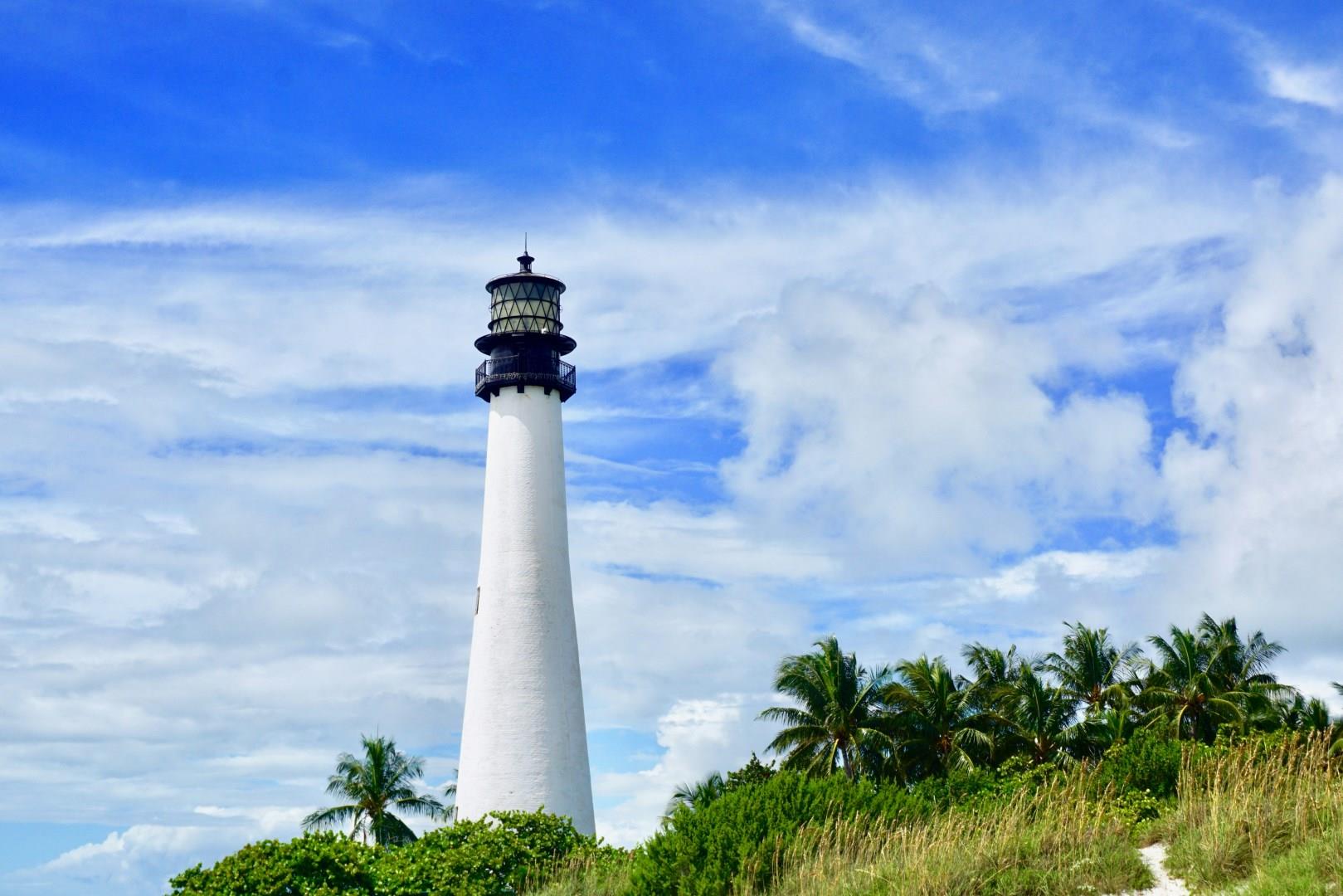
Key Biscayne is a tropical island paradise located just six miles off the coast of Miami. This world-class resort community is a place where you can lie back in a hammock and listen to the rustle of palm fronds in the ocean breeze or stroll along the calm sandy Atlantic shore.
