

Stockholm
As a city located in a Baltic Sea archipelago, it's not surprising that Stockholm has 50 bridges and sightseeing boats moving people between its 14 islands. This contemporary and welcoming capital of Sweden is nonetheless easily navigable by foot. Every district here has a distinct flavor, from the sophisticated Östermalm to the bustling downtown energy of Norrmalm to the delightful Old Town.
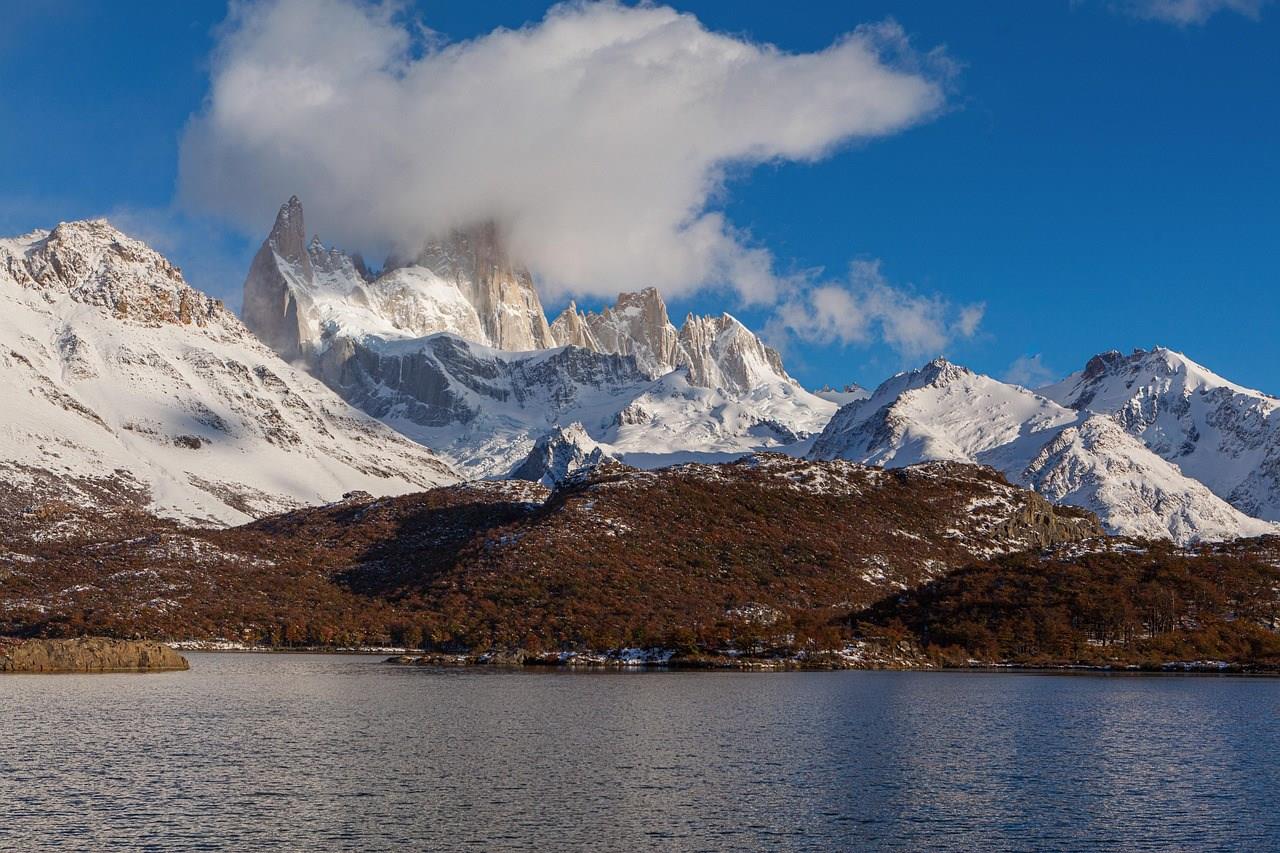
El Chaltén
El Chaltén sits at the edge of Los Glaciares National Park in Argentina’s Patagonia region, framed by the iconic peaks of Cerro Fitz Roy and Cerro Torre. Its remote location beside the Río de las Vueltas makes it a gateway to dramatic landscapes of granite spires, glacial streams and wide steppe plains.
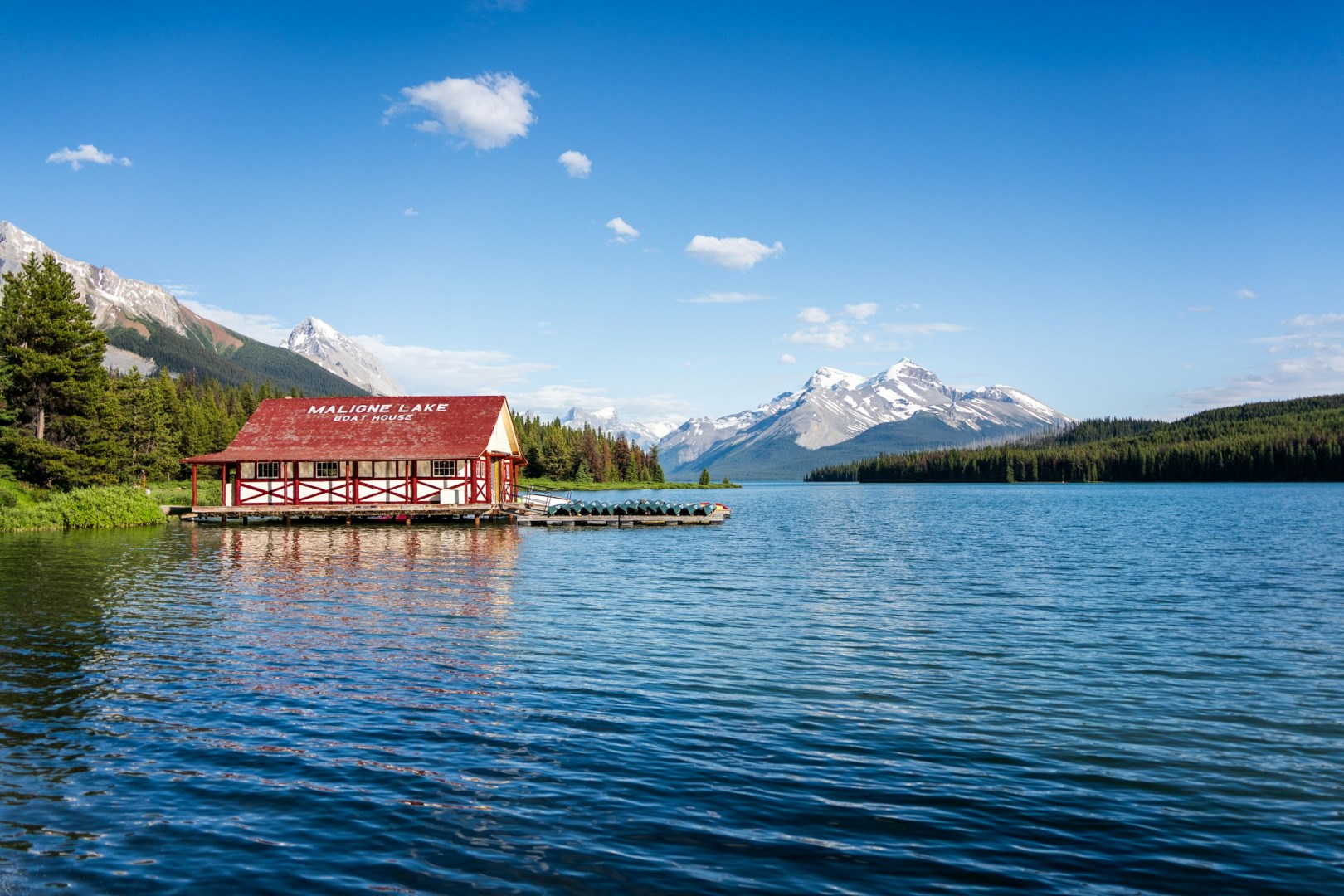
Maligne Lake
Maligne Lake is a long, glacially fed lake in Jasper National Park in Alberta’s Canadian Rockies. Surrounded by steep mountain peaks, forests, and alpine terrain, it is one of the largest lakes in the park and an important part of the Maligne Valley. The lake extends deep into the mountains, with several smaller islands and sheltered bays along its shoreline.
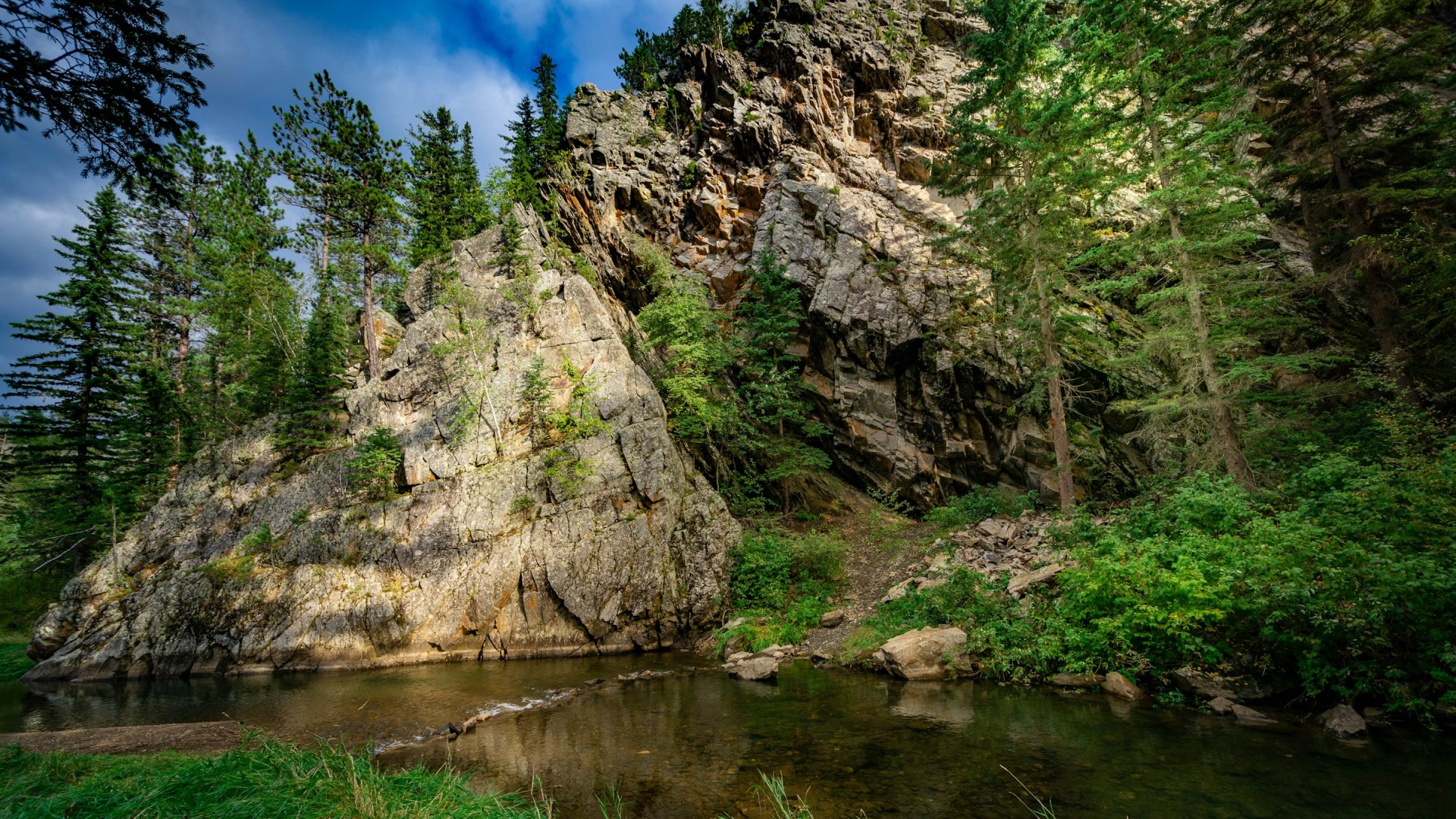
Black Hills National Forest
Black Hills National Forest covers a mountainous island of forests in western South Dakota, surrounded by the open plains of the Great Plains. The landscape includes granite peaks, narrow canyons, ponderosa pine forests, lakes, streams, and rolling grasslands. The forest stretches across a large portion of the Black Hills and contains some of the highest elevations in the region.
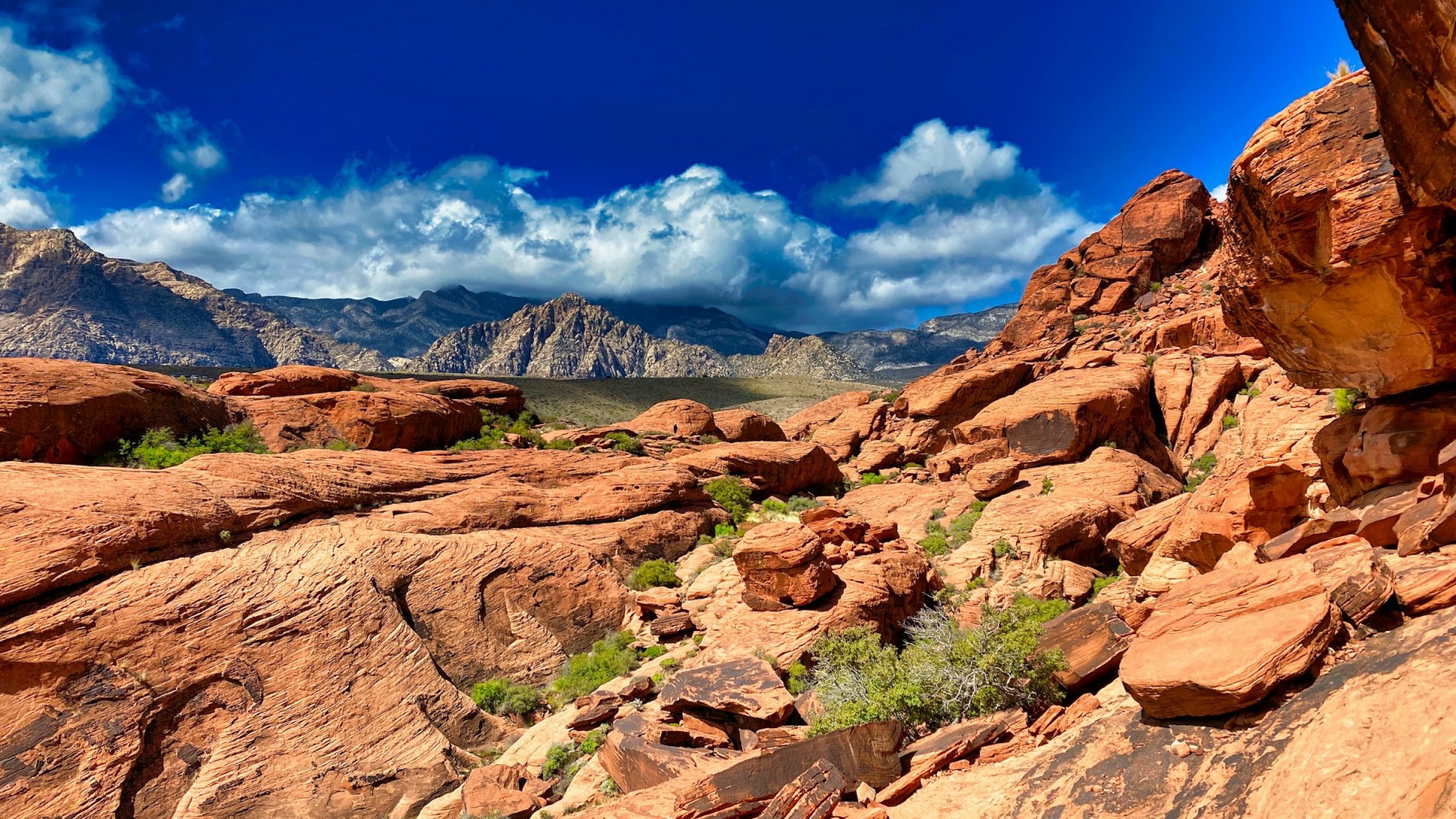
Red Rock Canyon National Conservation Area
Red Rock Canyon National Conservation Area lies about 17 miles west of the Las Vegas Strip, where the Mojave Desert rises into sandstone cliffs, rugged mountains, and broad desert valleys. Nevada’s first National Conservation Area, it covers nearly 198,000 acres and provides a sharp contrast to the developed landscape of Las Vegas. The area is best known for its red and cream-colored rock formations, especially the Calico Hills and the Red Rock escarpment.
