
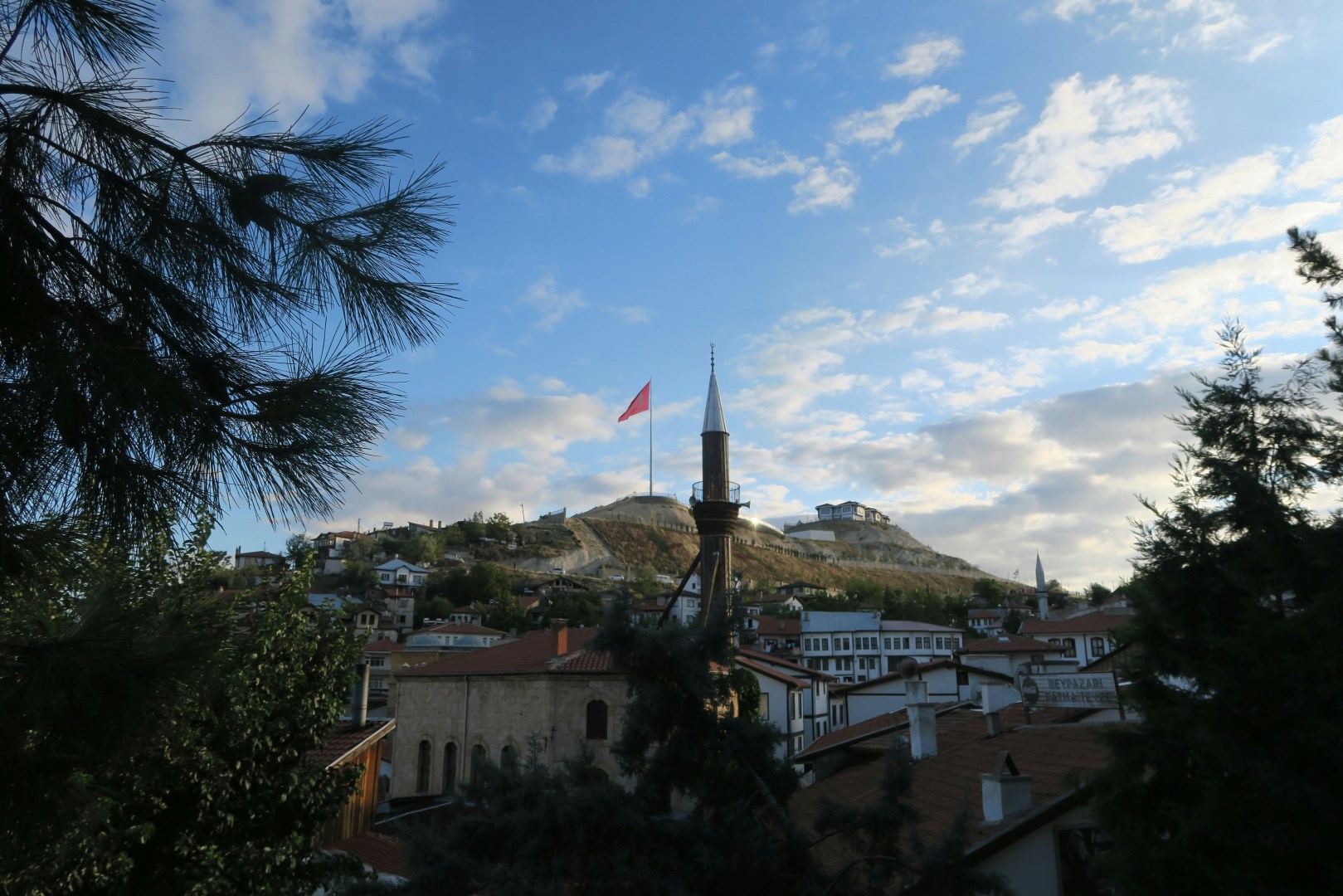
Beypazari
Beypazarı is a historic town in Ankara Province, Turkey, situated on the edge of the Central Anatolian plateau. It is recognized for its well-preserved Ottoman-era houses, narrow streets, and strong connection to traditional crafts. The town serves as both a residential center and a cultural destination, where restored buildings now function as museums, guesthouses, and workshops.

AlUla
AlUla is an oasis region in northwestern Saudi Arabia, surrounded by sandstone mountains, desert valleys, and cultivated palm groves. Its landscape has been shaped by the presence of water, with the AlUla oasis supporting date palms, citrus trees, and other crops within an otherwise arid setting. The area is particularly known for its combination of archaeological sites and unusual rock formations.
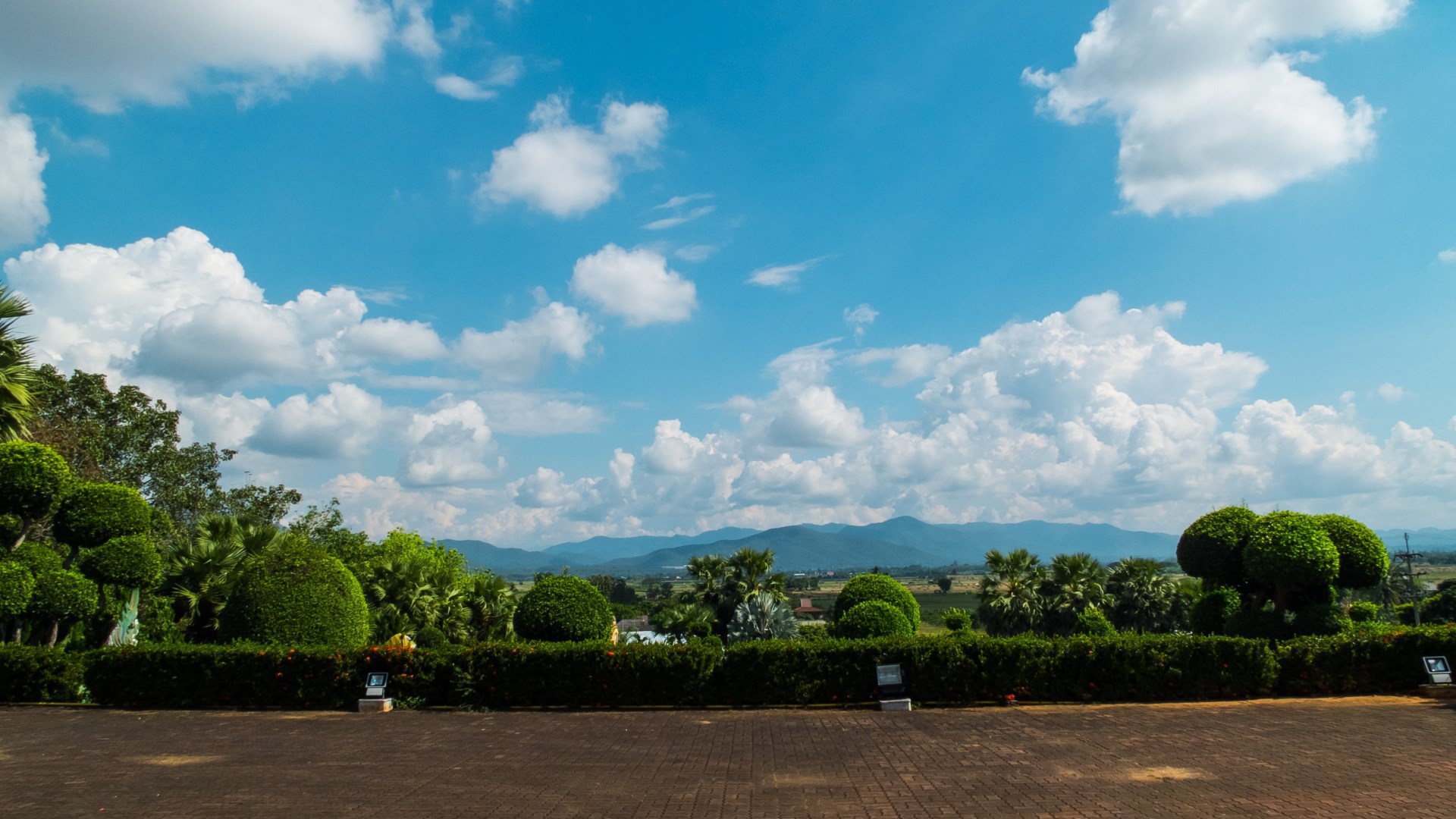
Mae Taeng
Set in the lush northern hills of Mae Taeng, Chiang Mai Province, Thailand, this district offers a quieter gateway into Thailand’s countryside. Just beyond the bustle of Chiang Mai, the landscape shifts into rolling mountains, dense forests, and winding rivers. The Mae Taeng River flows steadily through the valley, shaping both the scenery and daily life.

La Spezia
La Spezia, a bustling port city in the Liguria region of Italy, is often seen as the gateway to the famous Cinque Terre, bur this vibrant city has much to offer. Visitors can explore the historic center, visit local markets, and partake in a variety of restaurants serving delicious Italian cuisine.
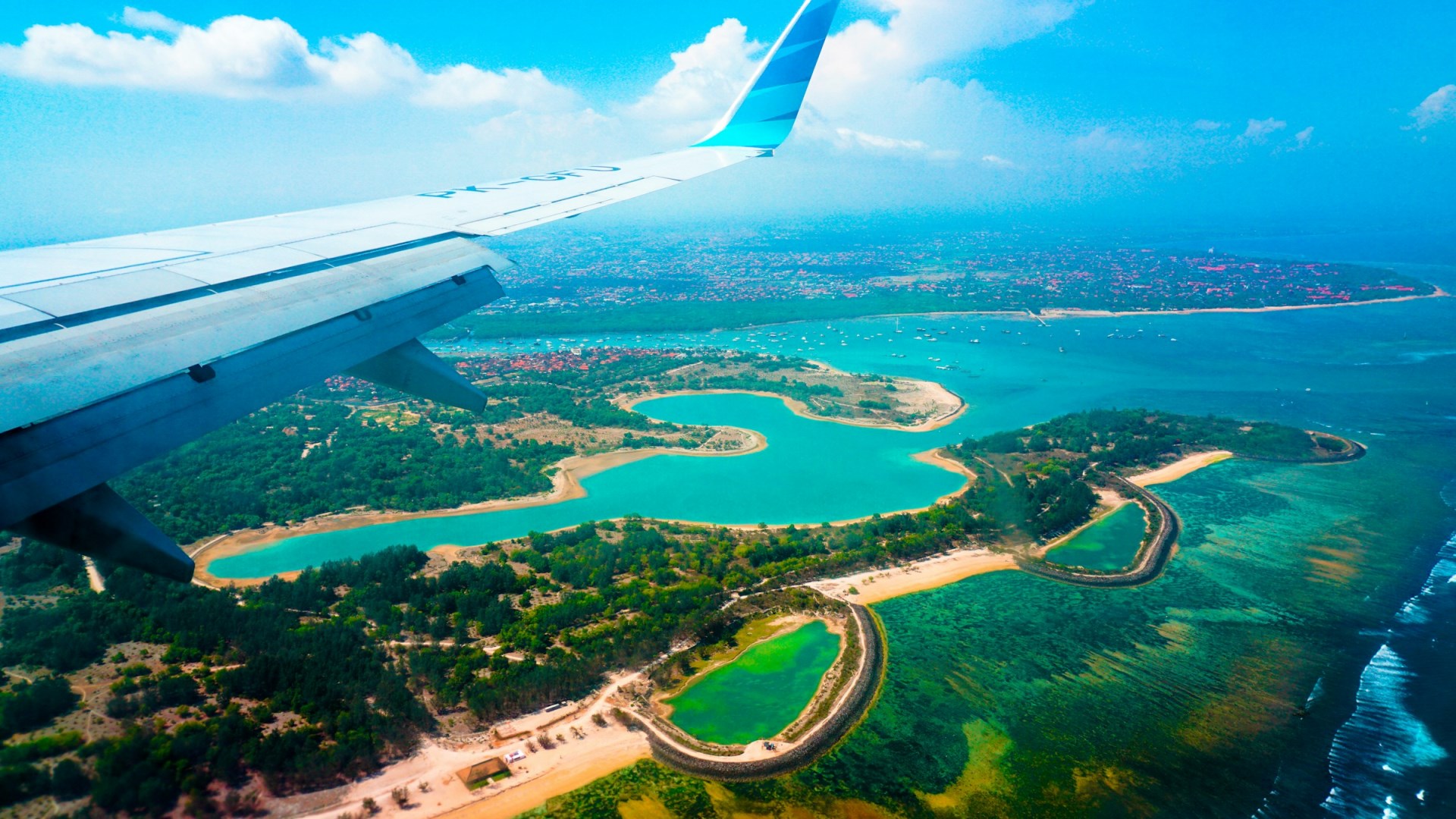
Denpasar Bali
Denpasar is the capital of Bali and the island's largest urban community, often lending a drab, overcast ambiance to an otherwise delightful and interesting trip. Tour the Kumbasari Market for exotic Asian fruits while transvestites dance for handouts from local merchants. Visit the temples of Pura Jagatnata and the Museum Bali, for a taste of Balinese art from prehistoric to modern times. Check with the tourist center for a list of upcoming festivals on the island. And don't forget the Denpasar
