

Dominica
Dominica, known as the “Nature Island of the Caribbean,” is a haven for eco-tourists and adventure seekers. Nestled between the French islands of Guadeloupe and Martinique, this lush island boasts a remarkable landscape of volcanic mountains, dense rainforests, and stunning waterfalls. Dominica’s most iconic natural wonder is the Boiling Lake, the second-largest hot spring in the world.

Brussels
Brussels, the vibrant capital of Belgium, offers a perfect blend of medieval charm and modern sophistication. At its heart lies the iconic Grand Place, a UNESCO World Heritage Site known for its stunning Gothic and Baroque guildhalls.
Podgorica
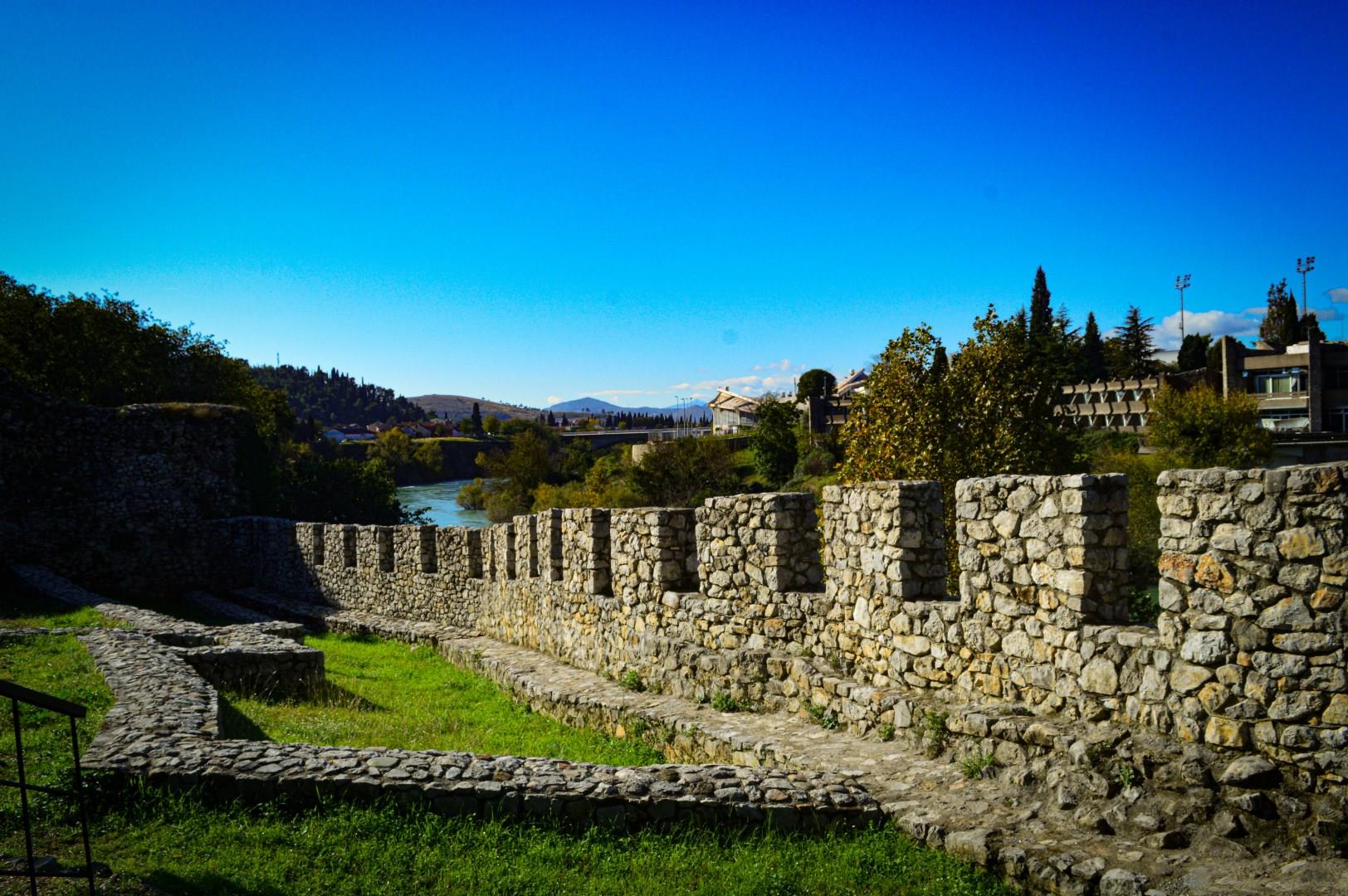
Podgorica, the capital of Montenegro, showcases the country’s contrasting landscapes and deep-rooted history. Although much of the city was rebuilt after World War II, traces of its Roman and Ottoman past still remain. Visitors can explore the ruins of Doclea, a Roman settlement just outside the city, where surviving columns and mosaics give a glimpse into life nearly two millennia ago.
Lobuje
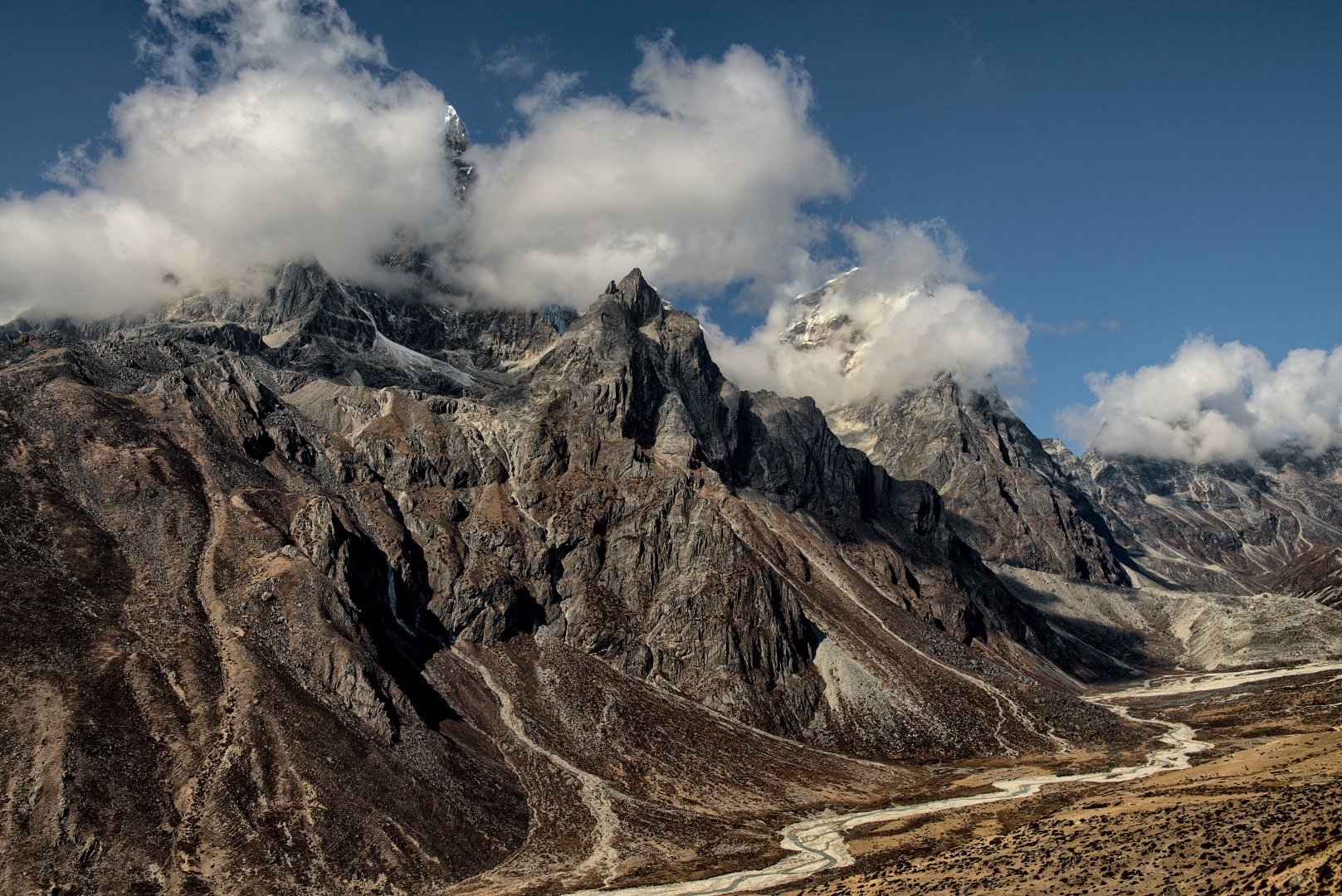
High in the Khumbu region, Lobuche sits in a stark alpine setting along the trail toward Mount Everest. Surrounded by rocky terrain and glacial formations, the village stands close to the Khumbu Glacier, where the landscape shifts into shades of gray, white, and deep blue. The air here is thin and crisp, and the silence is often broken only by the wind moving across the valley.

Terre-de-haut
Terre-de-Haut is an island off the coast of Guadeloupe and replete with a variety of stunning viewpoints to gaze out at the sparkling waters of the Caribbean Sea.
