

Dominica
Dominica, known as the “Nature Island of the Caribbean,” is a haven for eco-tourists and adventure seekers. Nestled between the French islands of Guadeloupe and Martinique, this lush island boasts a remarkable landscape of volcanic mountains, dense rainforests, and stunning waterfalls. Dominica’s most iconic natural wonder is the Boiling Lake, the second-largest hot spring in the world.
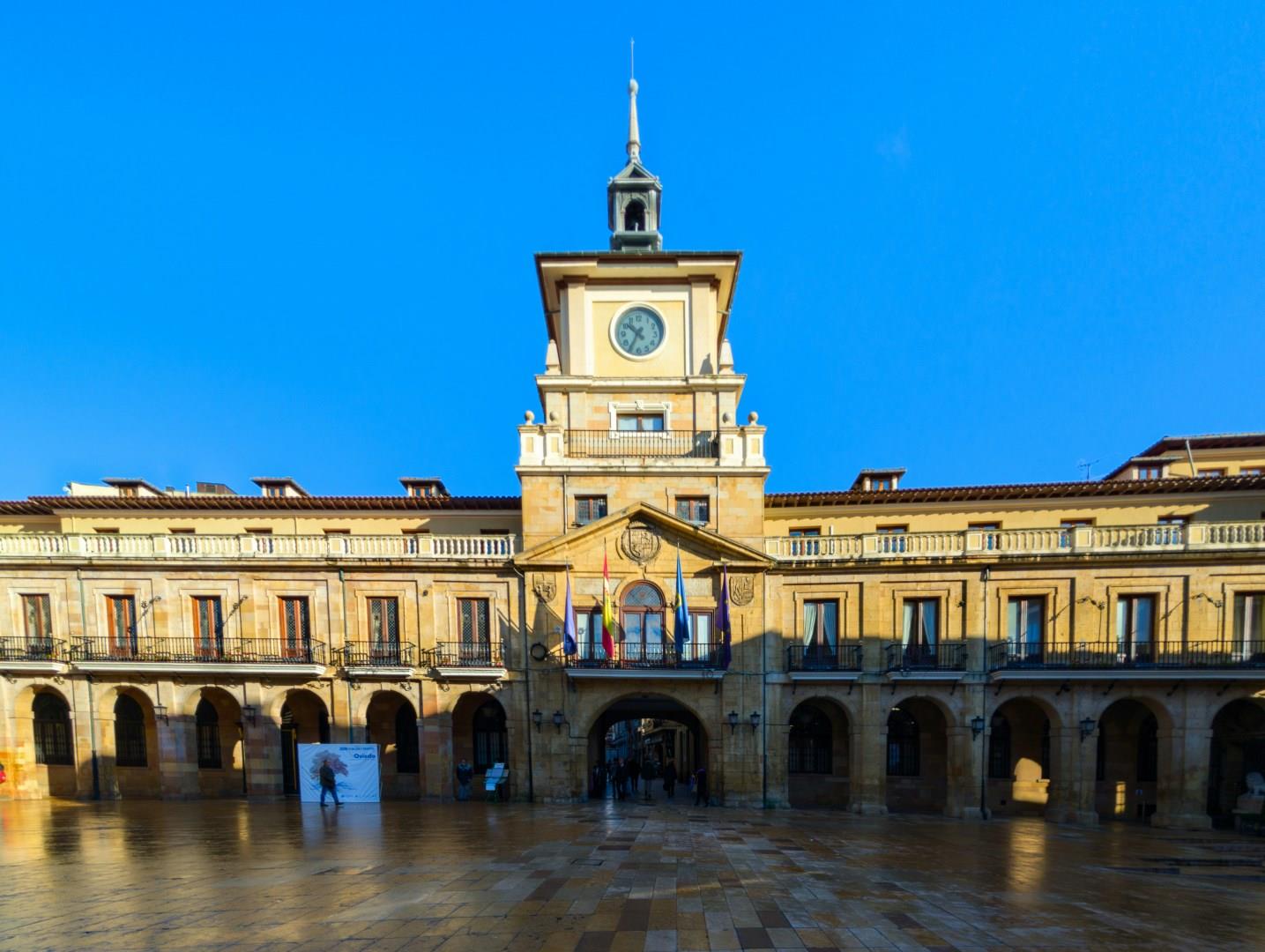
Oviedo
Oviedo, the capital of Asturias in northern Spain, offers a rare mix of medieval heritage and everyday life that feels rooted rather than staged. The city’s historic center is home to some of the oldest pre-Romanesque buildings in Europe, including the UNESCO-listed Santa María del Naranco and San Miguel de Lillo. Cider, not wine, defines the local table. Oviedo is surrounded by apple orchards, and the traditional drink, sidra natural, is poured from a height by skilled escanciadores.
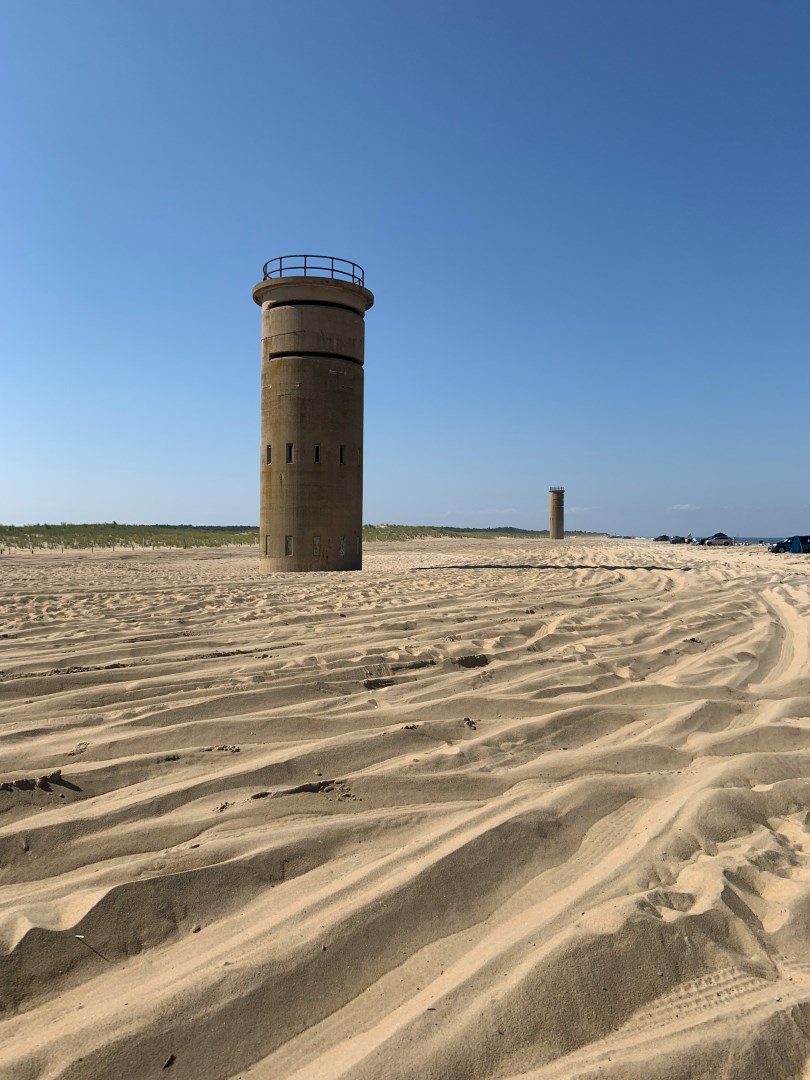
Delaware
Delaware, often called the "First State" for being the first to ratify the U.S. Constitution, offers visitors a unique blend of historical charm, natural beauty, and coastal allure. In Wilmington, history enthusiasts can explore Old New Castle, a preserved colonial town featuring cobblestone streets and beautifully maintained 17th-century buildings.
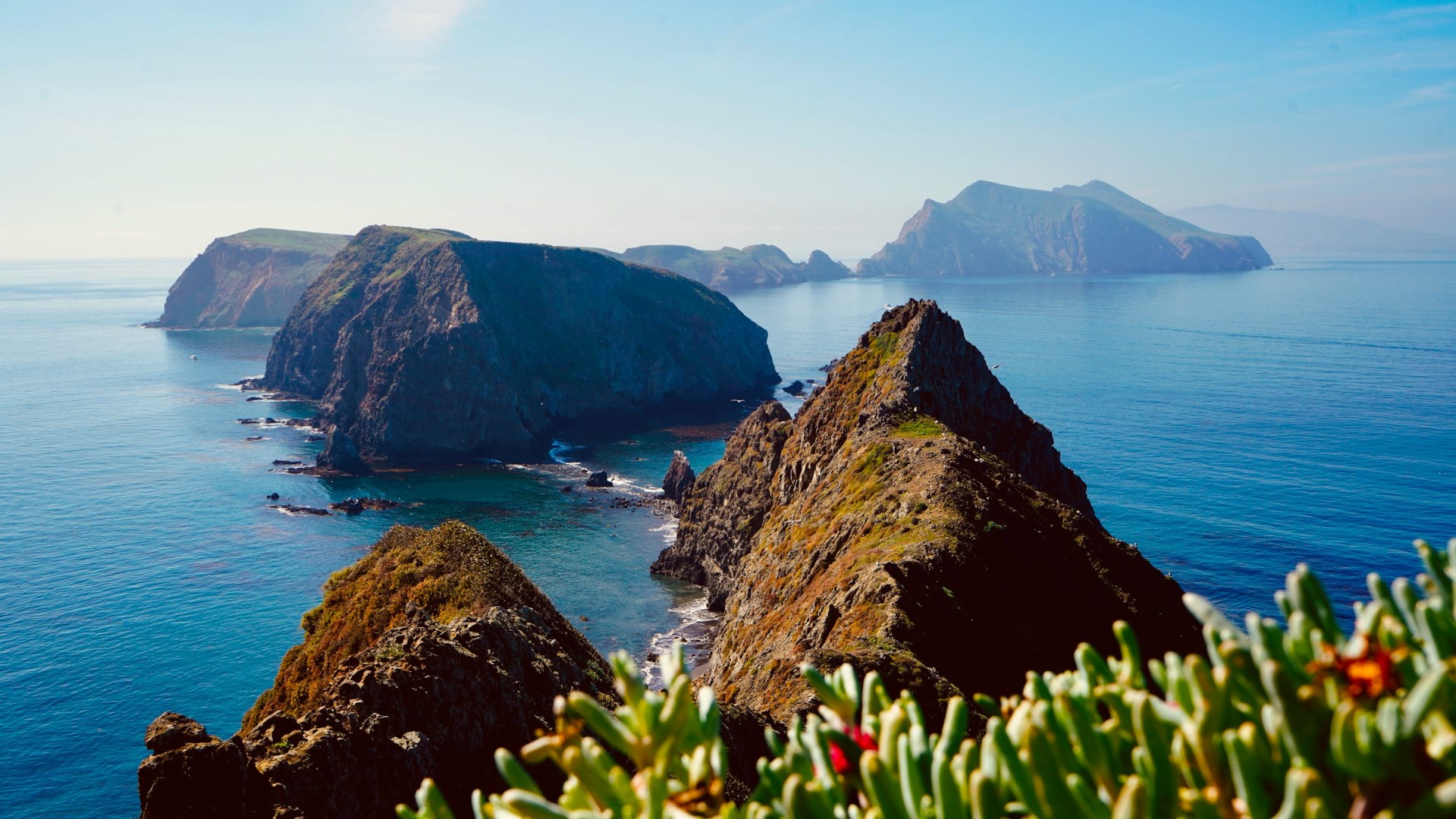
Channel Islands National Park
Channel Islands National Park protects five islands and the surrounding waters off the coast of Southern California: Anacapa, Santa Cruz, Santa Rosa, San Miguel, and Santa Barbara Island. Separated from the mainland by the Santa Barbara Channel, the islands contain steep cliffs, sea caves, beaches, grasslands, and rugged hills shaped by wind and ocean conditions.

Slovenia
>Slovenia, tucked between the Alps and the Adriatic Sea, is a small country with a strong sense of identity and an impressive variety of landscapes. Its capital, Ljubljana, is known for its walkable center and mix of Baroque, Secessionist, and modern architecture. The Ljubljanica River runs through the city and is lined with open-air cafés and artisan shops.
