
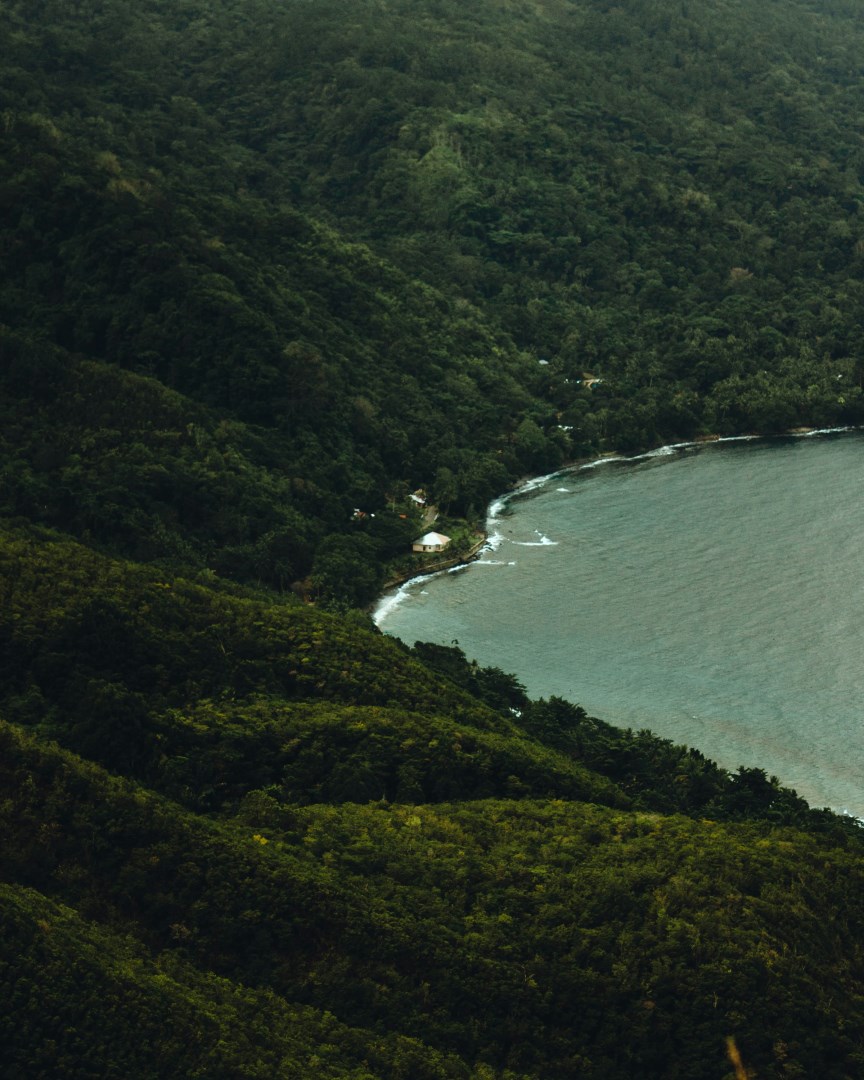
Ambon
Ambon is the capital of the archipelago of Maluku. The city was founded around the late 1500's due largely to the famed Spice Trade route. Ambon is diverse with the rich culture of many different nationalities.
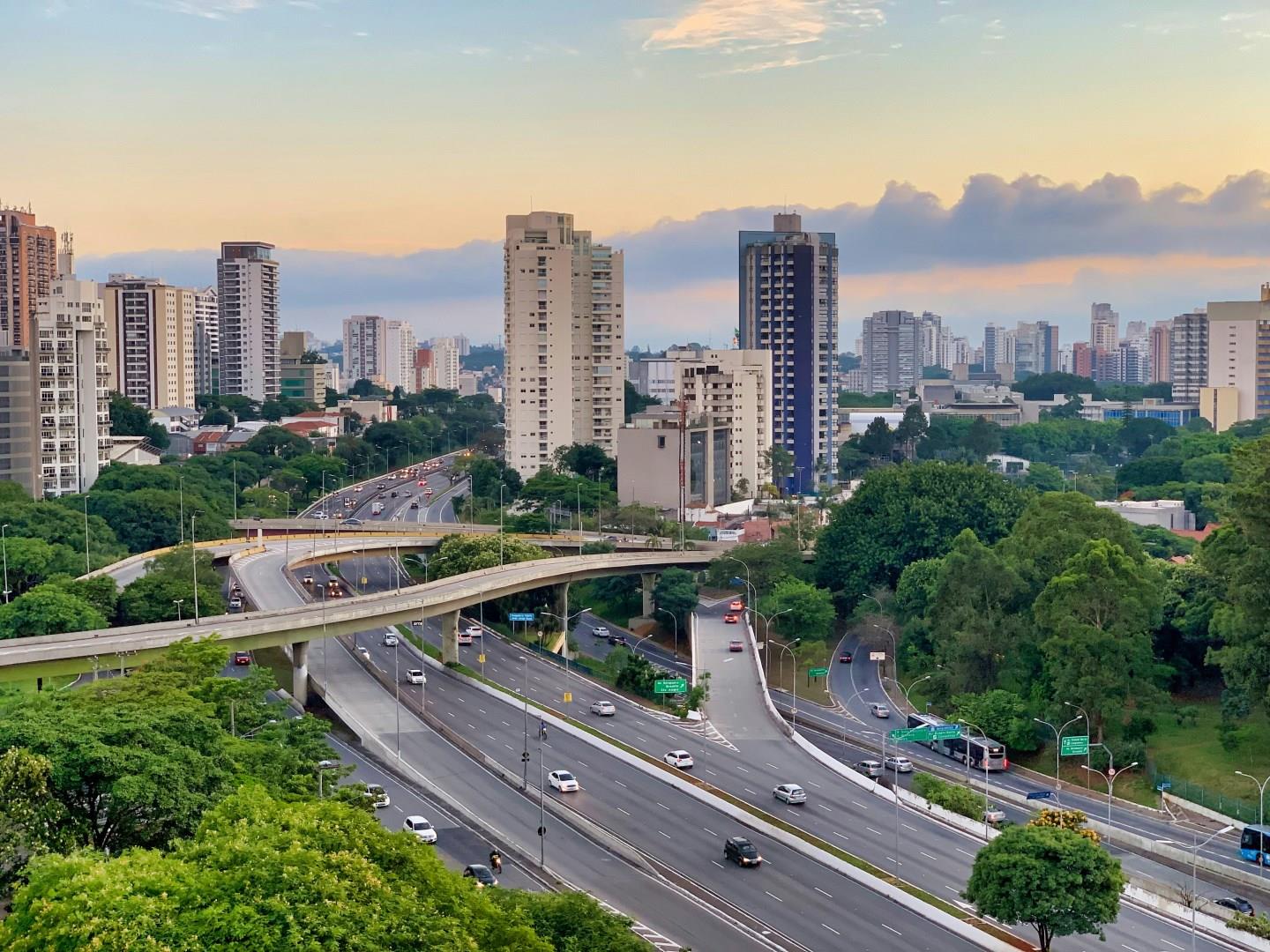
São Paulo
Sao Paulo is Brazil’s largest city and its economic engine, shaped by waves of migration that began in the late 19th century and never truly slowed. Italians, Japanese, Lebanese, and migrants from across Brazil all left visible marks on the city’s neighborhoods, food, and cultural life.
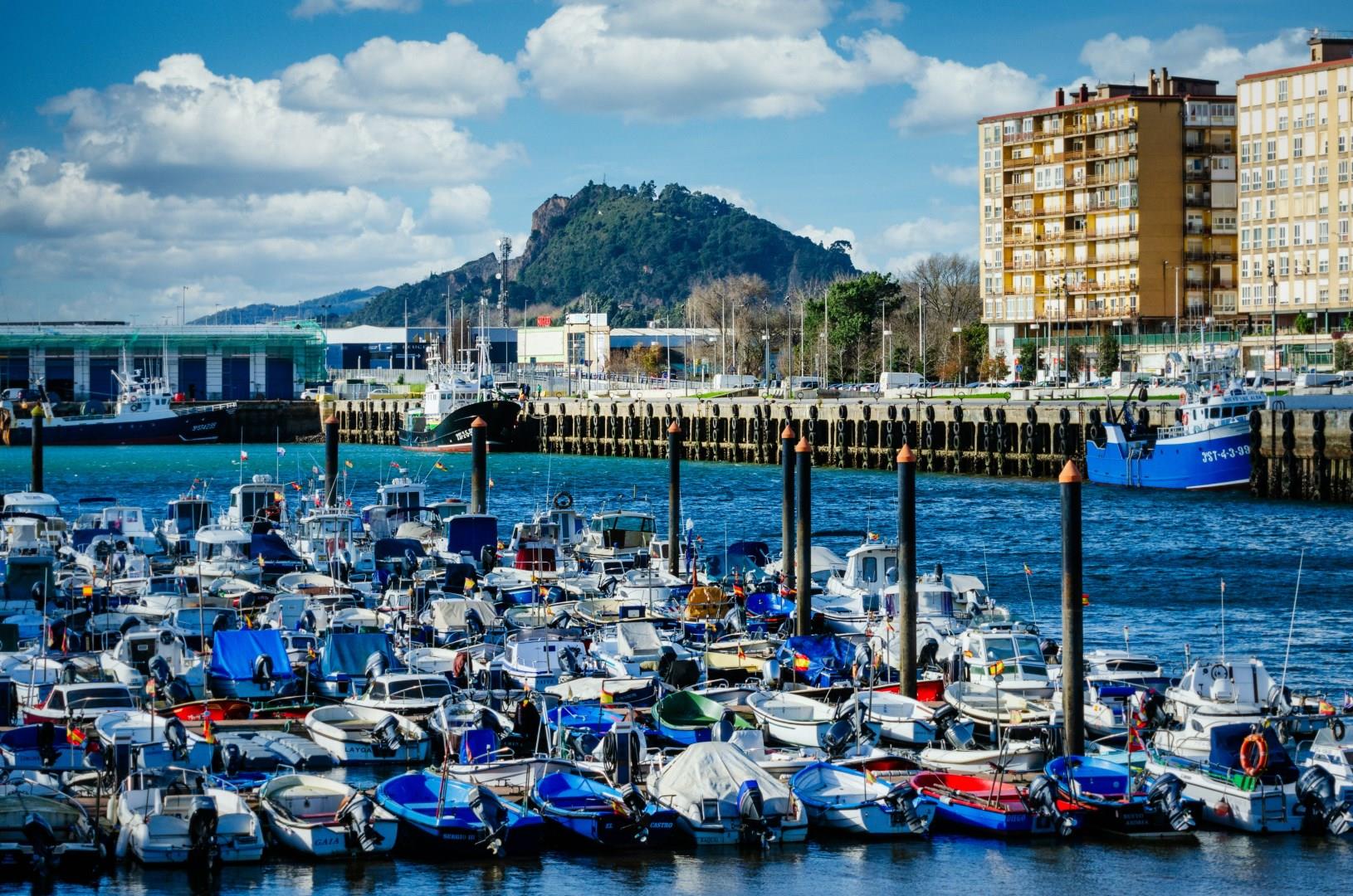
Santander
Santander, the capital of Spain’s Cantabria region, sits along the Bay of Biscay and offers travelers a mix of coastline, culture, and history shaped by centuries of maritime life. Once a bustling port for Castilian exports, Santander saw its golden age in the 19th century when Spanish royalty turned it into a summer retreat. The legacy of that era remains visible at the Palacio de la Magdalena, perched on a peninsula with views of the sea and home to royal stables, a mini zoo, and guided tours.
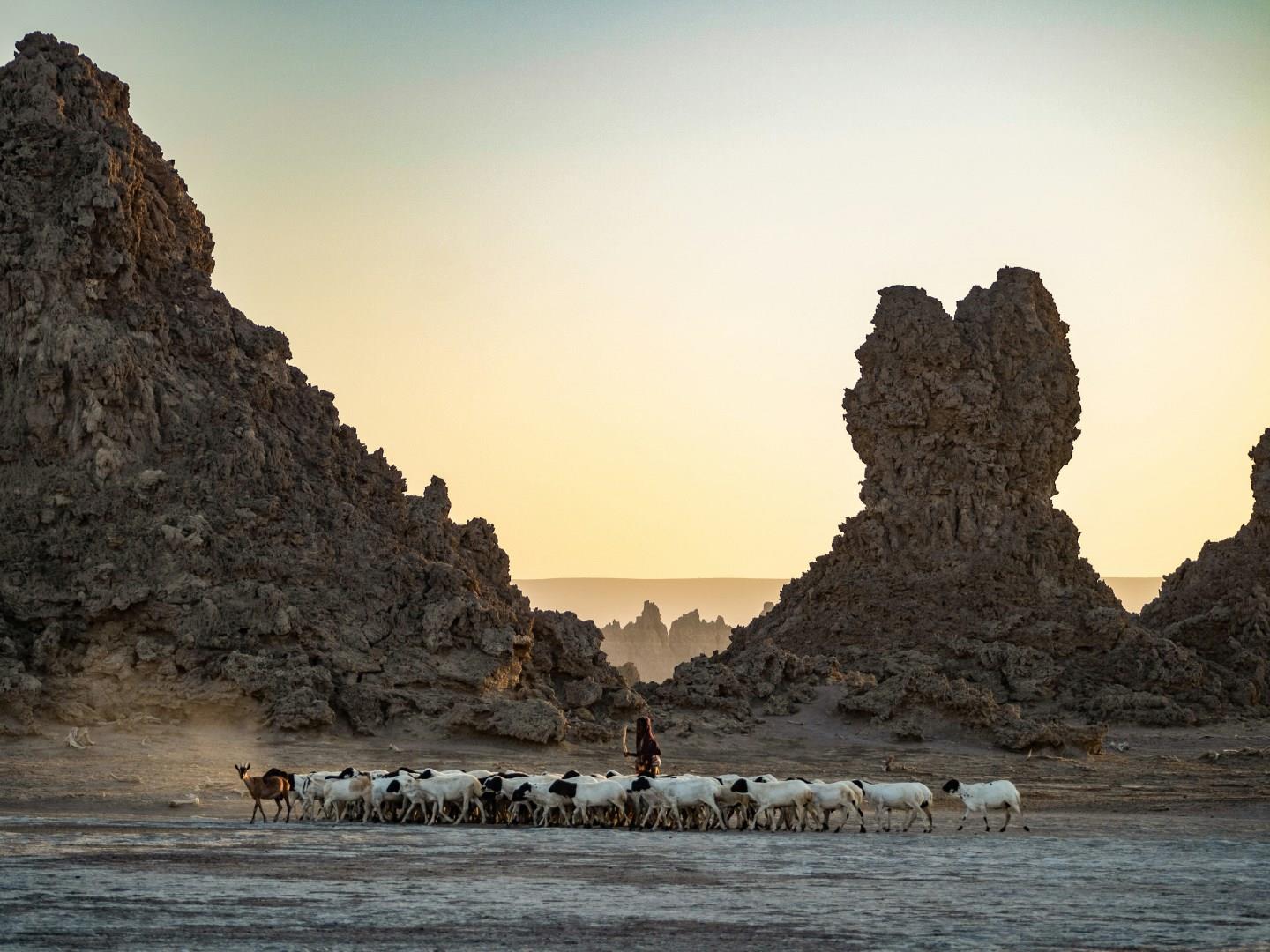
Lac Abbe
Lac Abbe, straddling the border between Djibouti and Ethiopia, is one of East Africa’s most otherworldly landscapes.
Suva
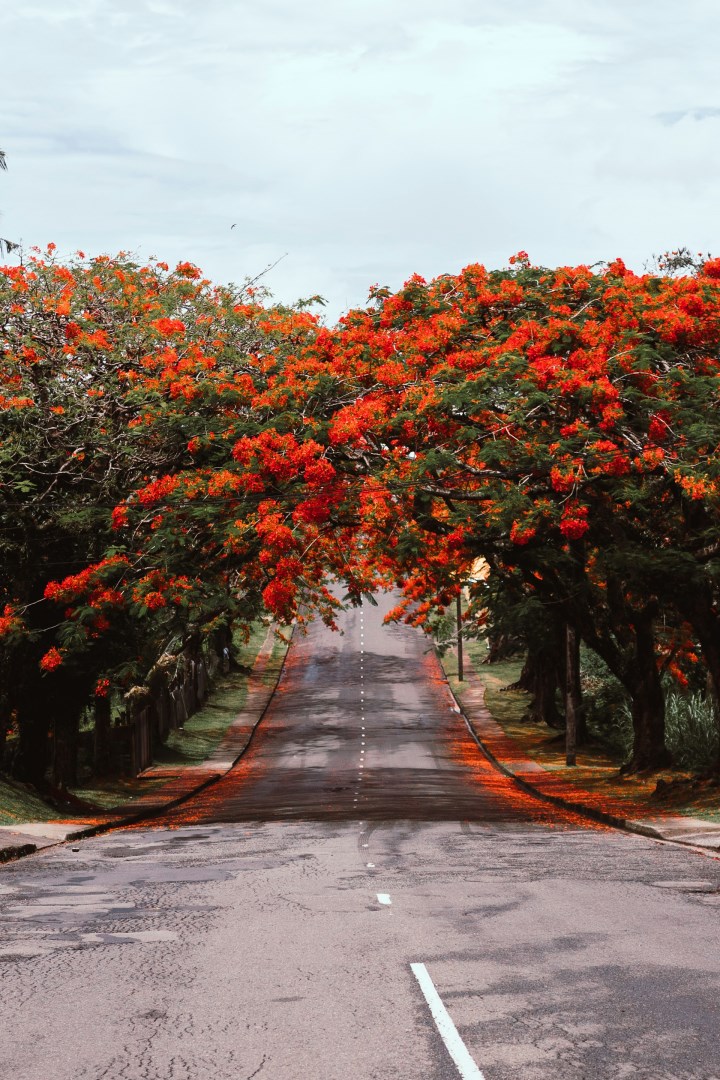
Suva is the capital of Fiji and a popular island destination in the South Pacific. Highlights of this tropical city include Fiji Museum, Thurston Park, Mount Korobaba, and Colo-I-Suva Forest Park.
