

Roseau
Roseau, the lively capital of Dominica, is a city where history and nature coexist in striking harmony. Established on the site of an ancient Kalinago settlement, the town reflects its colonial past through French-inspired architecture, colorful buildings, and historic churches.

Sacred Valley
The Sacred Valley, located in the Andes and divided by Urubamba River, was part of the larger Inca Empire, along with Machu Picchu and the closeby town of Cusco. Tourists will see green agricultural landscapes and Spanish hamlets like Ollantaytambo and Pisac, the latter featuring a Sunday market.
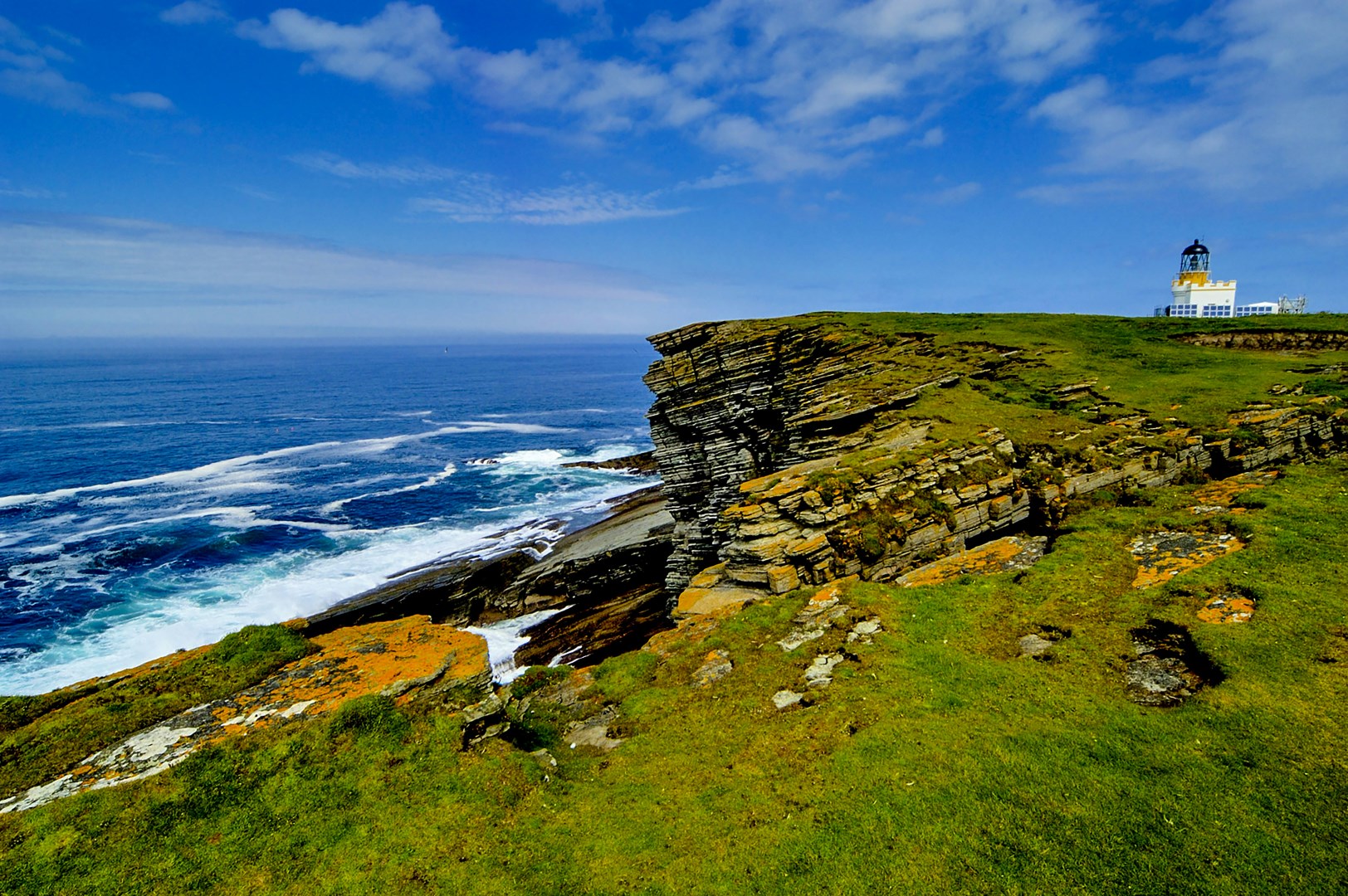
Orkney Island
The Orkney Islands sit just off the northern coast of Scotland. This group of around seventy islands offers wide horizons, quiet roads, and coastlines shaped by wind and waves where visitors often arrive expecting rugged scenery and leave talking about the sense of space from the long beaches to the steep cliffs and sea stacks rising straight from the water. One striking example is the Old Man of Hoy, a tall sea stack that draws photographers and climbers alike.
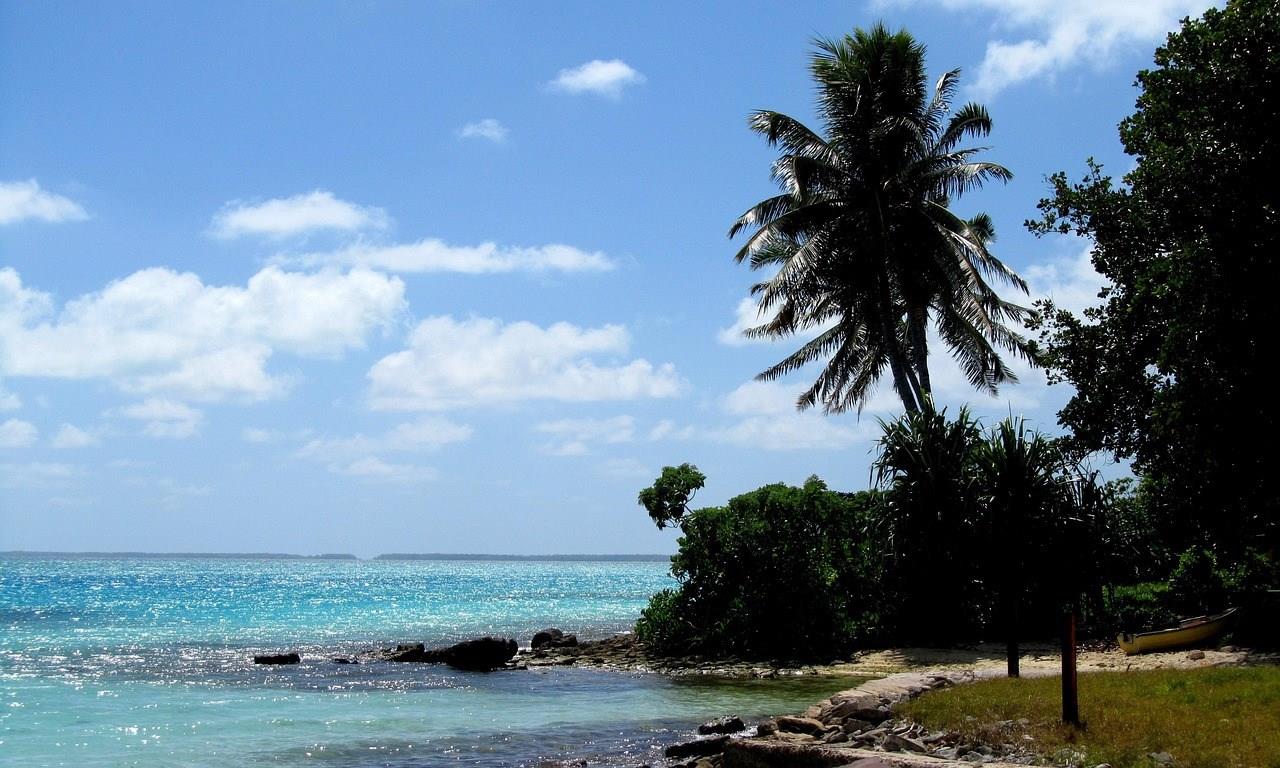
Fanning Island
Fanning Island, also known as Tabuaeran, is one of the Line Islands in the Republic of Kiribati. Sitting just four degrees north of the equator, this remote atoll is a rare find for travelers seeking raw, untouched Pacific beauty. With no large hotels or chain resorts, visitors often arrive by cruise or private yacht and are welcomed with coconut-leaf garlands and traditional songs.

Graz
Graz, Austria's second-largest city, is a hidden gem that offers a perfect blend of history, culture, and modernity. Its well-preserved medieval old town, a UNESCO World Heritage Site, invites visitors to stroll through cobblestone streets lined with Renaissance courtyards and Baroque façades. At the heart of the city is the Schlossberg, a forested hill crowned by the iconic clock tower, Uhrturm.
