
Kitakyūshū
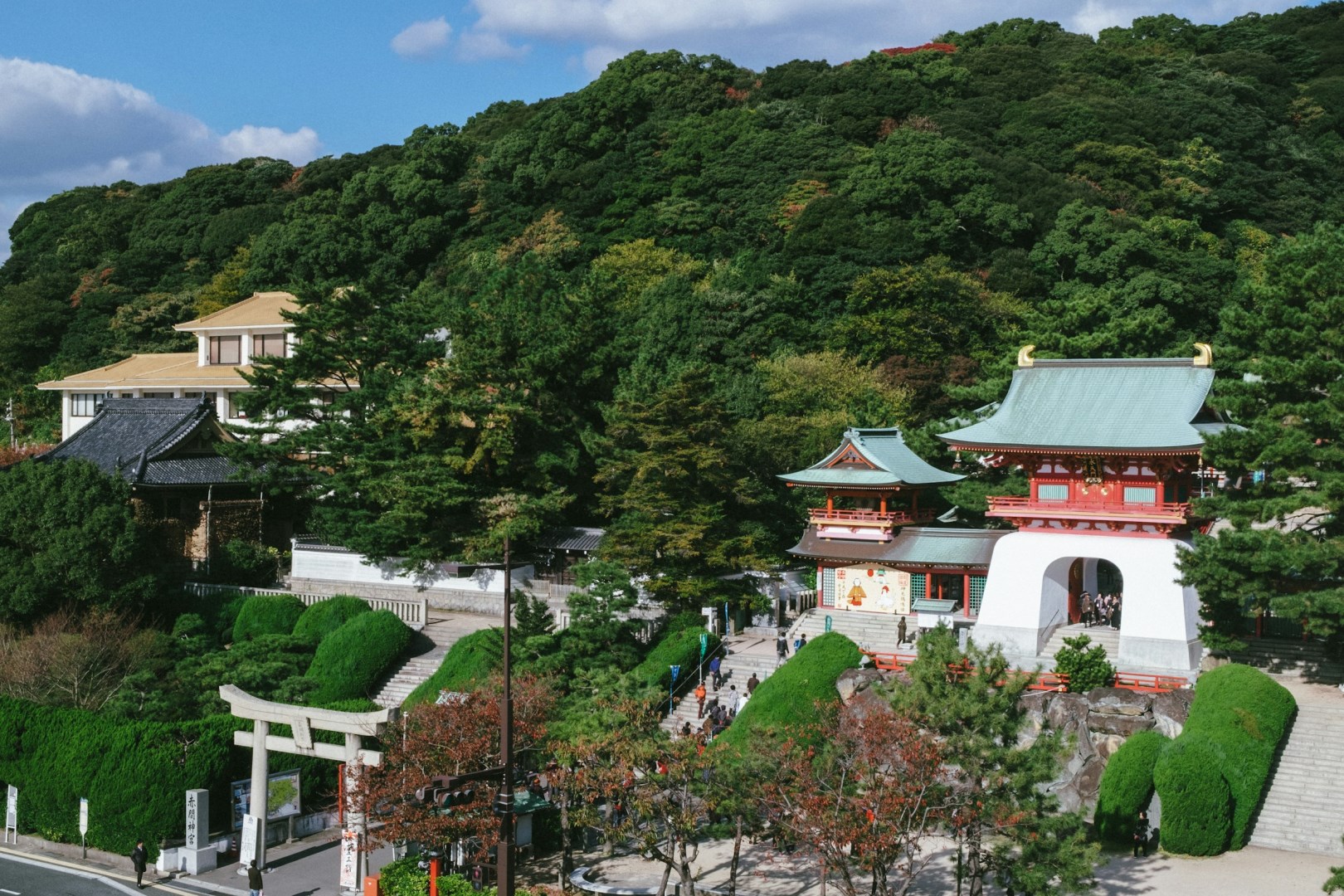
Kitakyushu, located in northern Kyushu, Japan, is a city that seamlessly combines industrial prowess with cultural and natural attractions. Formed from the merger of five cities in 1963, Kitakyushu has a strong industrial history, particularly in steel production, while also investing heavily in environmental sustainability and urban revitalization.

Willemstad
Willemstad, the capital of Curaçao, is unlike any other city in the Caribbean. With its pastel-colored buildings lining the waterfront and a layout shaped by Dutch colonial planning, the city blends European design with Caribbean culture. Its historic center, divided by Sint Anna Bay into Punda and Otrobanda, has been recognized as a UNESCO World Heritage Site.
Lewa Wildlife Conservancy
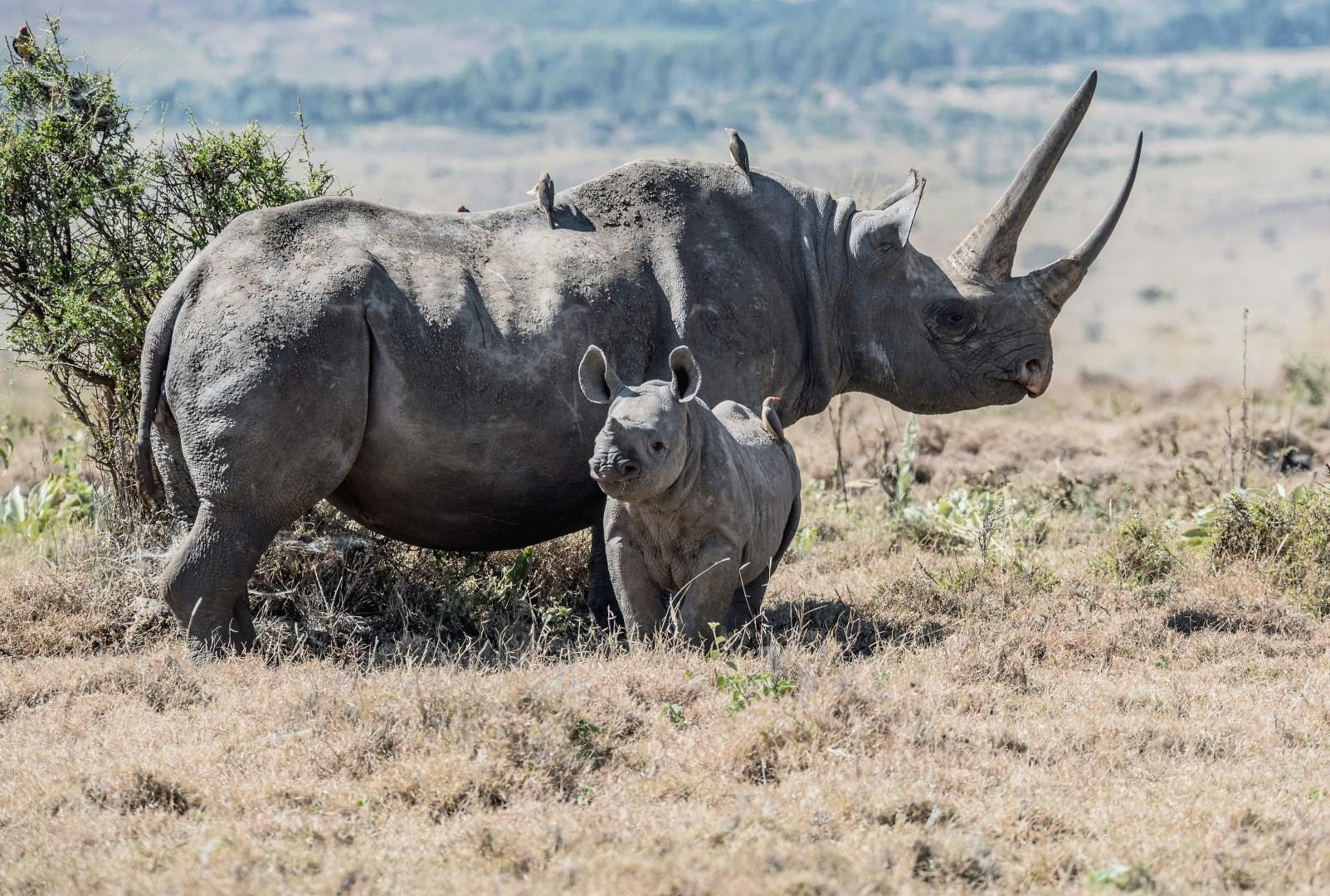
Lewa Wildlife Conservancy lies in northern Kenya at the foothills of Mount Kenya, where open savannah, wooded hills, and seasonal rivers create a varied and striking landscape.
Hot Springs
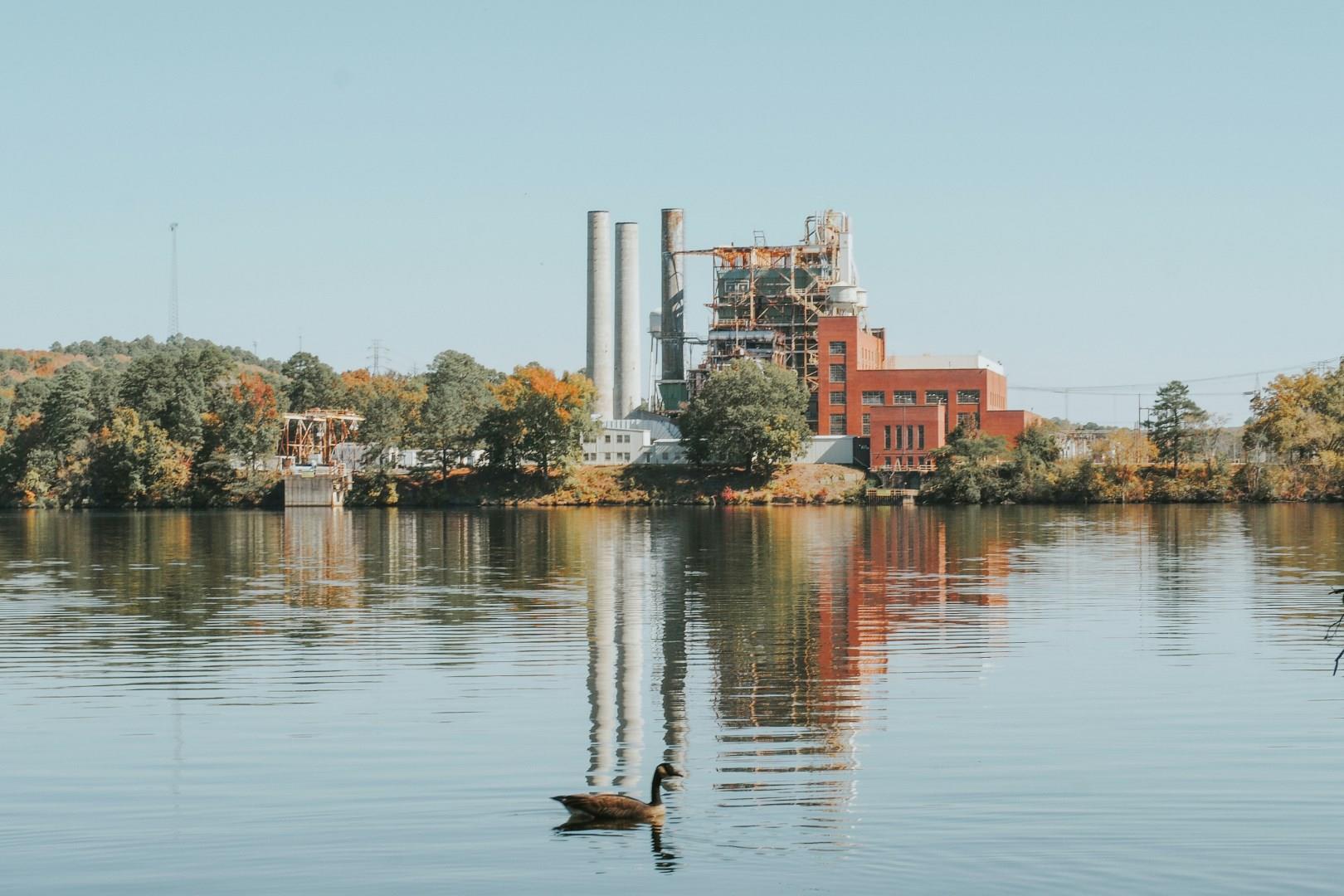
Hot Springs, Arkansas has been drawing visitors for centuries, and it all starts with the water. The city sits atop a natural thermal spring system that produces nearly a million gallons of 143-degree water each day. These springs gave rise to Bathhouse Row, a stretch of eight historic bathhouses within Hot Springs National Park. Some, like the Fordyce Bathhouse, now serve as museums, while others still offer traditional thermal soaks.
Mpumalanga
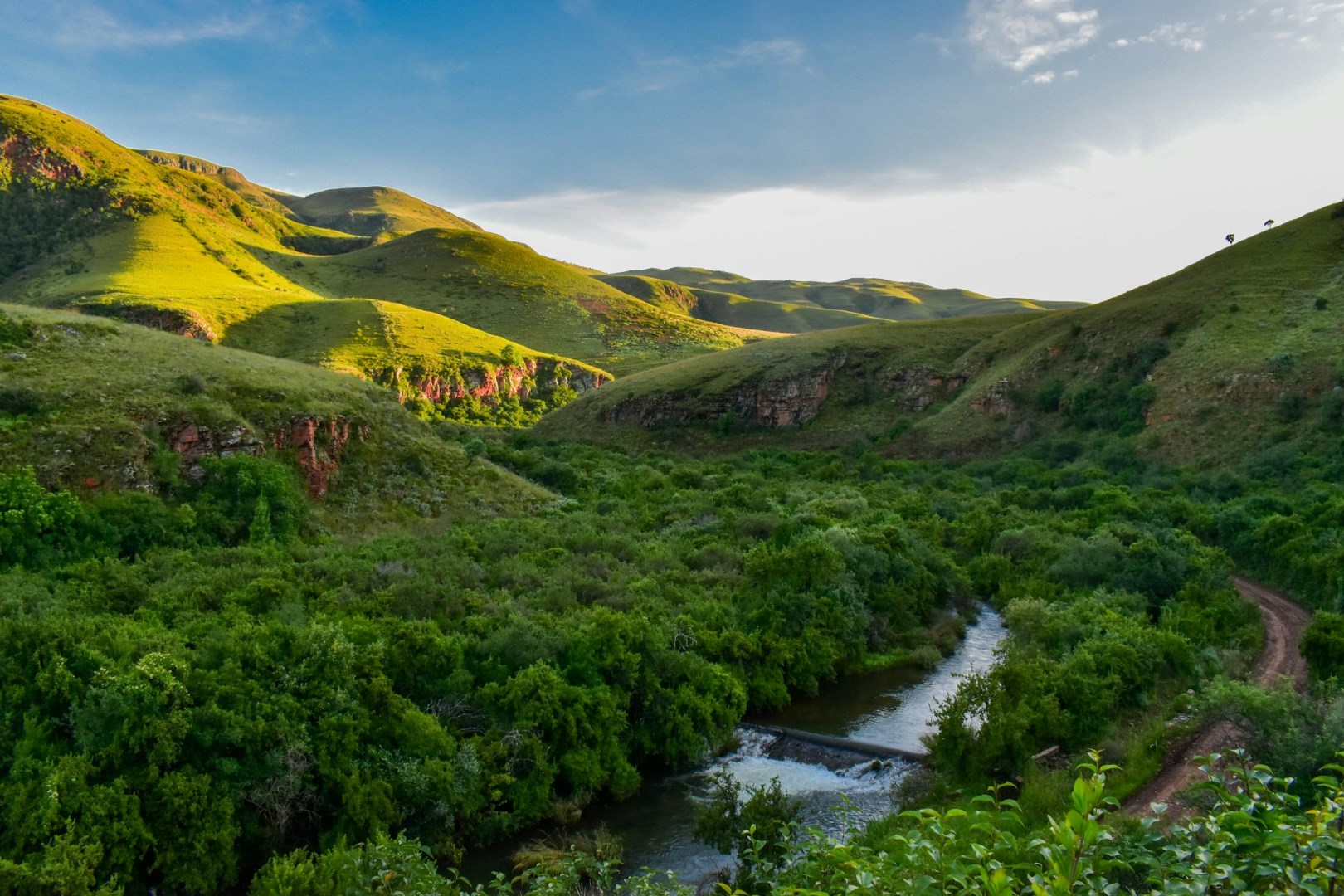
Mpumalanga is a province in northeastern South Africa, stretching from the grass-covered Highveld to the subtropical Lowveld along the border with Mozambique and Eswatini. Its name means “place where the sun rises” in siSwati. The province is known for contrasting landscapes, including the escarpment, mountain forests, rolling grasslands, citrus farms, and wildlife-rich bushveld.
