
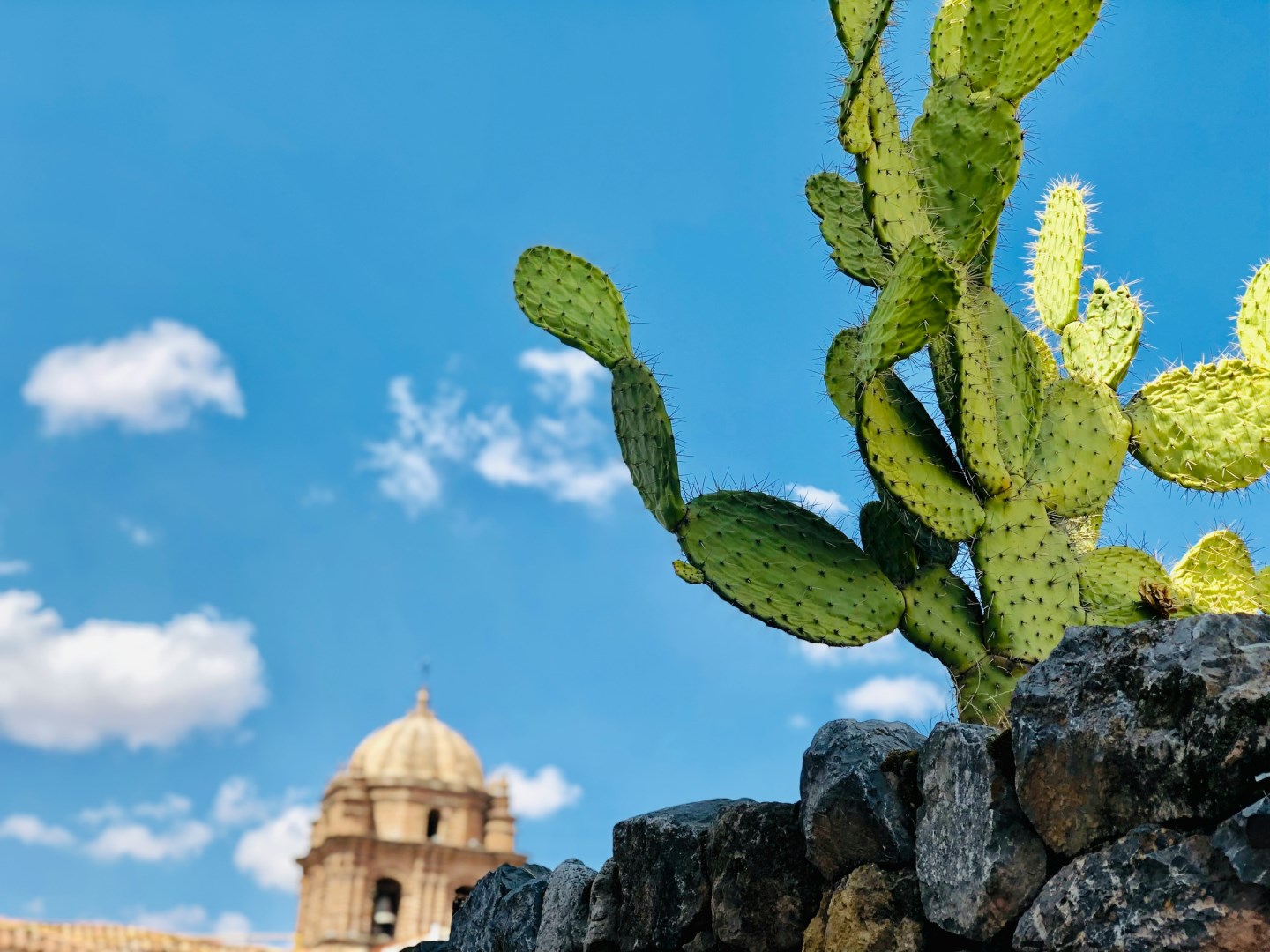
Cusco
Cusco once served as the heart of the Inca Empire, and that legacy still shapes every corner of the city even as it serves as a gateway to Machu Picchu. Outside the historic center, the ruins of Sacsayhuamán overlook the city from a nearby hilltop. This ceremonial complex is best known for its massive zigzag stone walls, some weighing over 100 tons. During the Inti Raymi festival in June, thousands gather here to reenact ancient Andean rituals.
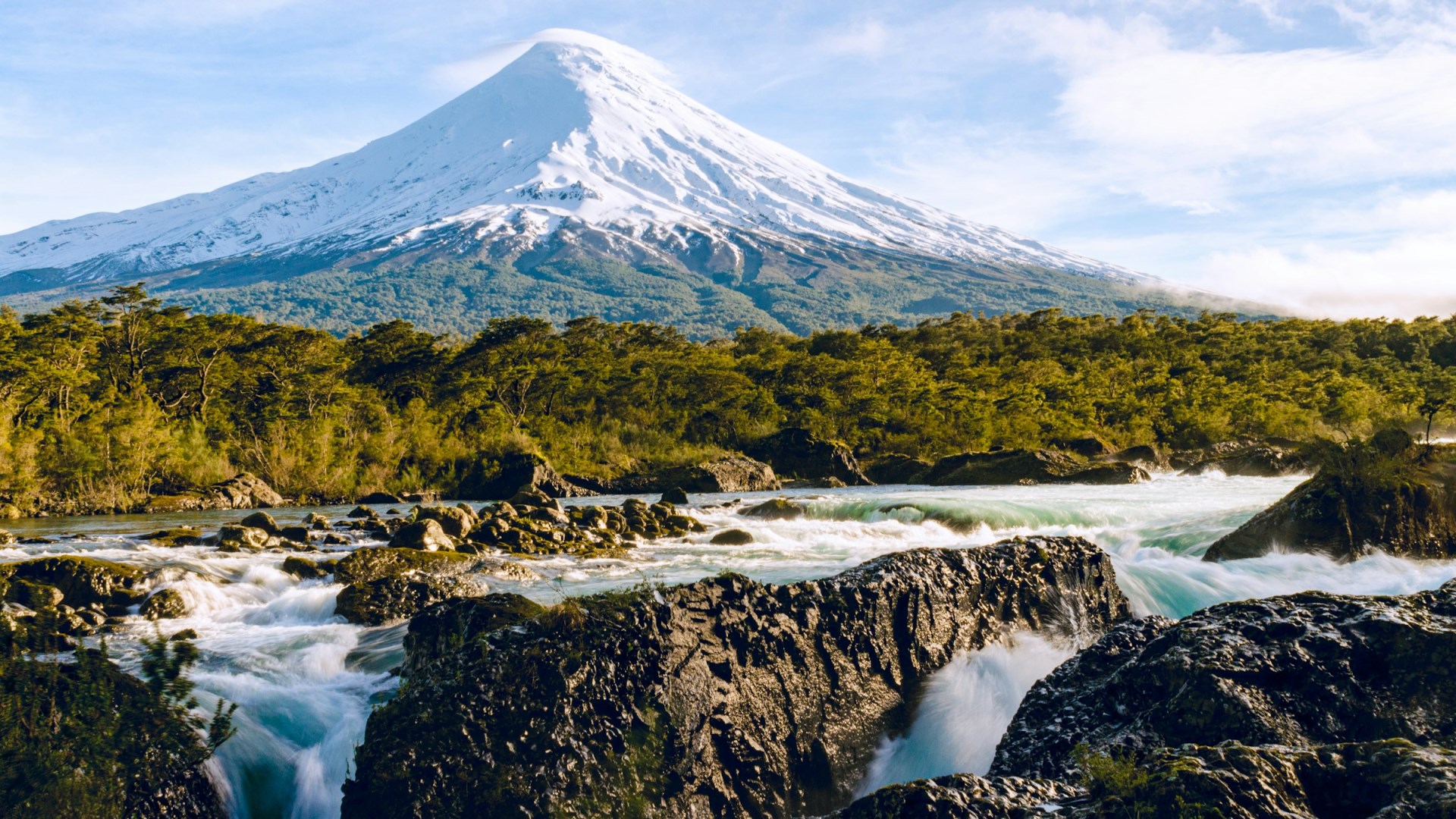
Puerto Varas
Puerto Varas is a lakeside city in Chile’s Los Lagos Region, set on the southern shore of Lake Llanquihue with views toward the volcanoes Osorno, Calbuco, Puntiagudo, and Tronador. The waterfront, with its promenade and gardens, forms the center of the city’s relationship with the lake, while wooded hills and agricultural land extend beyond the urban area.

Dominica
Dominica, known as the “Nature Island of the Caribbean,” is a haven for eco-tourists and adventure seekers. Nestled between the French islands of Guadeloupe and Martinique, this lush island boasts a remarkable landscape of volcanic mountains, dense rainforests, and stunning waterfalls. Dominica’s most iconic natural wonder is the Boiling Lake, the second-largest hot spring in the world.
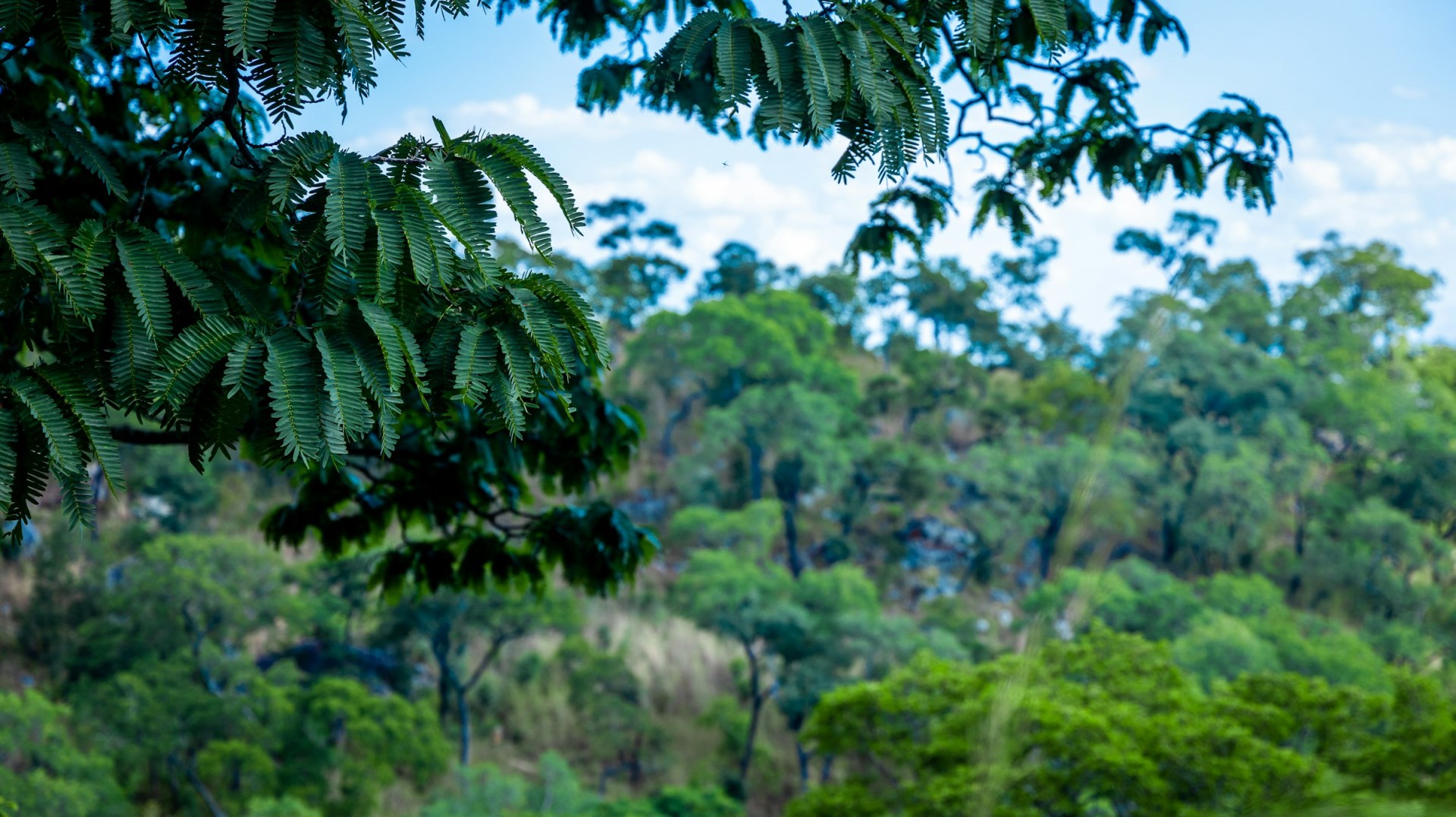
Mulanje
Mulanje is a town in southern Malawi at the foot of Mount Mulanje, a large isolated massif that rises sharply above the surrounding tea-growing plains. The mountain is known locally as Mulanje Mountain and includes a series of granite peaks, forested slopes, valleys, streams, and waterfalls. Sapitwa, the highest summit, reaches about 3,002 meters and is the highest point in Malawi.

Can Tho
Can Tho is the largest city in Vietnam's Mekong Delta and an important commercial center in the region. It lies along the Hau River, one of the Mekong's major distributaries, and is surrounded by canals, rice fields, fruit orchards, and low-lying farmland. Waterways remain closely connected to daily life, with boats carrying people and goods between communities.
