

Dominica
Dominica, known as the “Nature Island of the Caribbean,” is a haven for eco-tourists and adventure seekers. Nestled between the French islands of Guadeloupe and Martinique, this lush island boasts a remarkable landscape of volcanic mountains, dense rainforests, and stunning waterfalls. Dominica’s most iconic natural wonder is the Boiling Lake, the second-largest hot spring in the world.
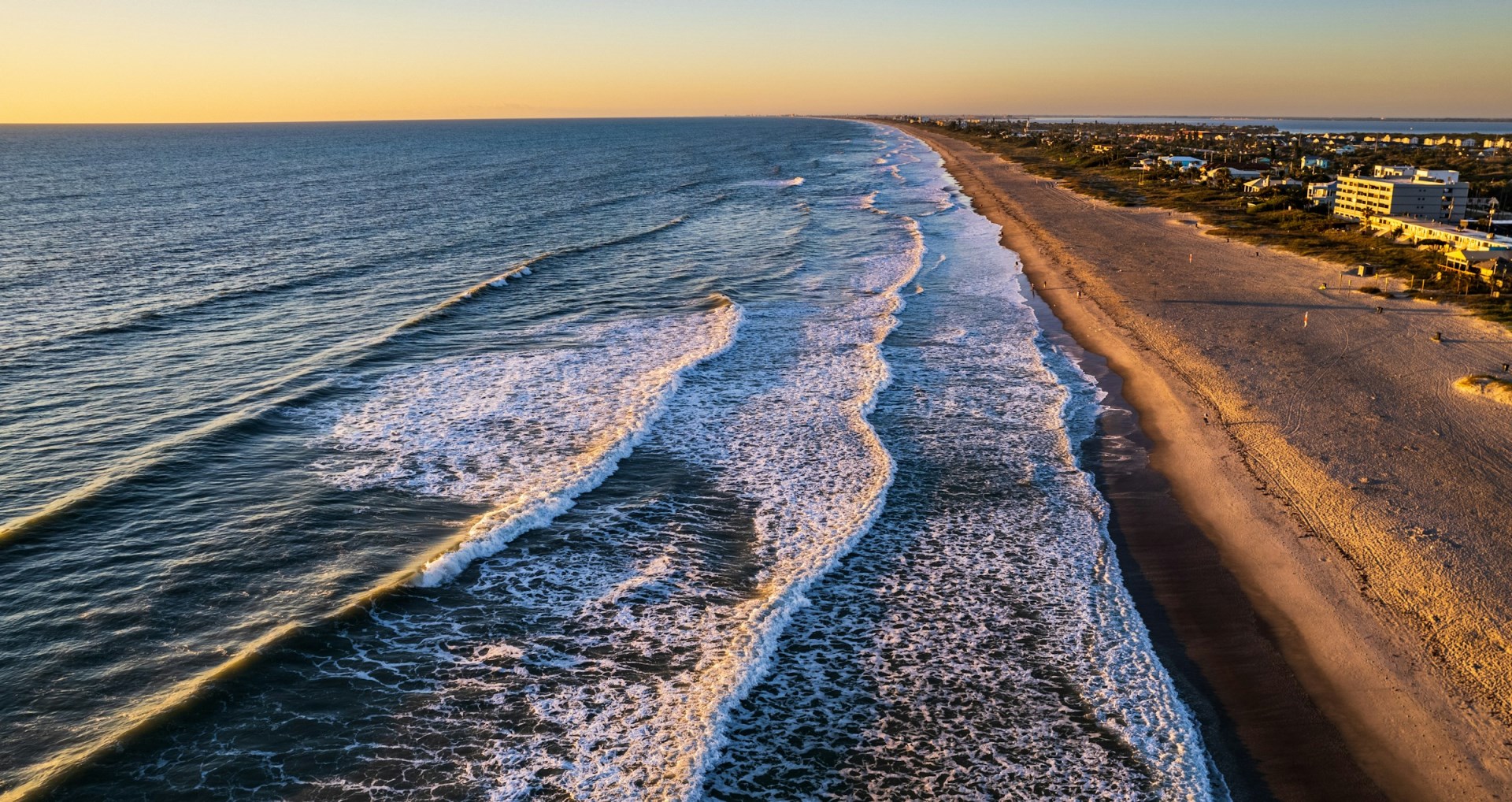
Cocoa Beach
Cocoa Beach is a barrier-island community on Florida’s central Atlantic coast, located east of the Indian River Lagoon and just south of Cape Canaveral. The city is closely associated with surfing, beach recreation, and the nearby Kennedy Space Center, while its compact streets lead quickly from residential areas and restaurants to the Atlantic shoreline. The beach itself stretches along a broad, sandy coast, and the city’s position between the ocean and lagoon provides opportunities for swimmin
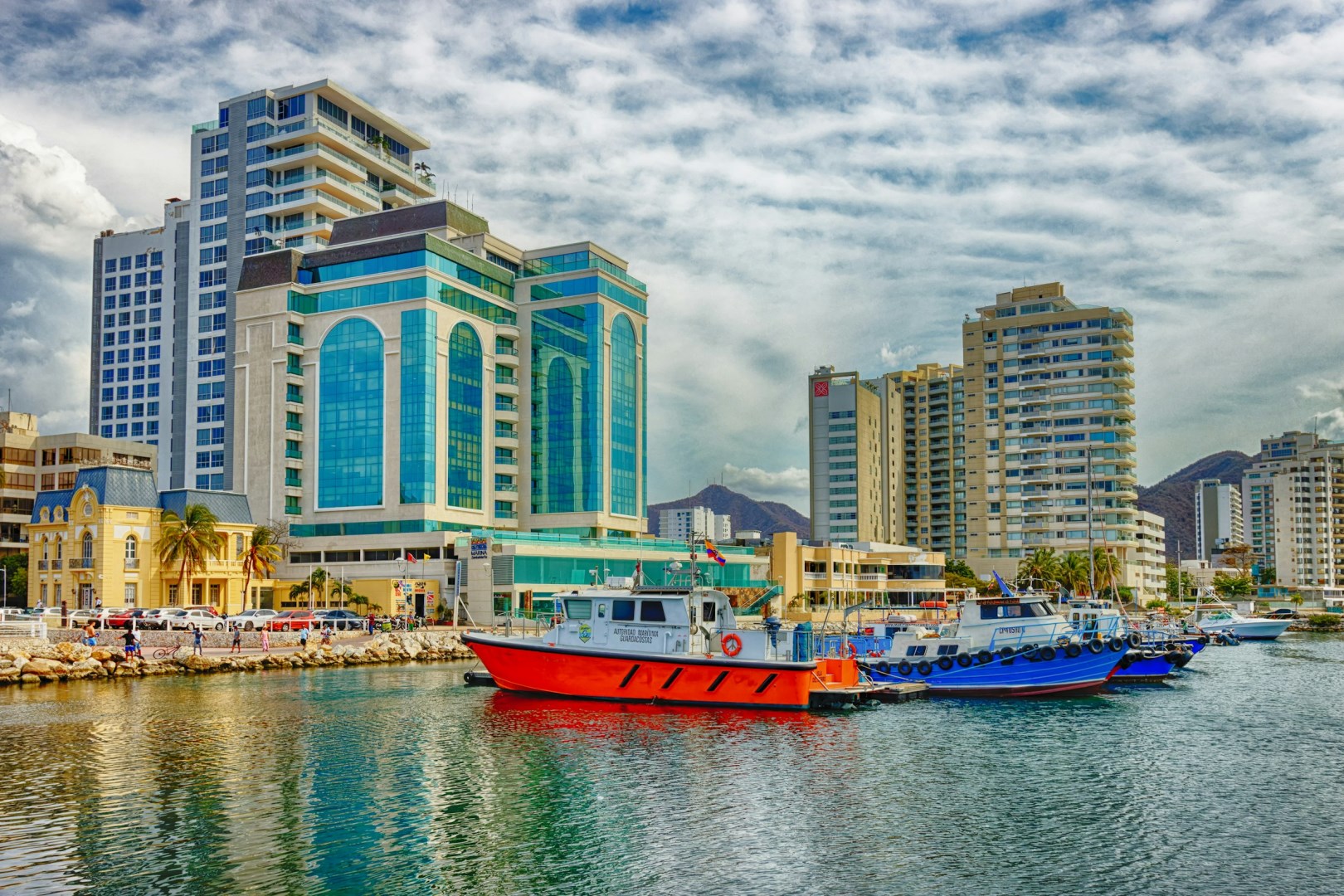
Santa Marta
Santa Marta, located on Colombia’s northern Caribbean coast, is one of the country’s oldest cities, founded in 1525. It has long served as a gateway between the coast and the Sierra Nevada de Santa Marta, the world’s highest coastal mountain range.
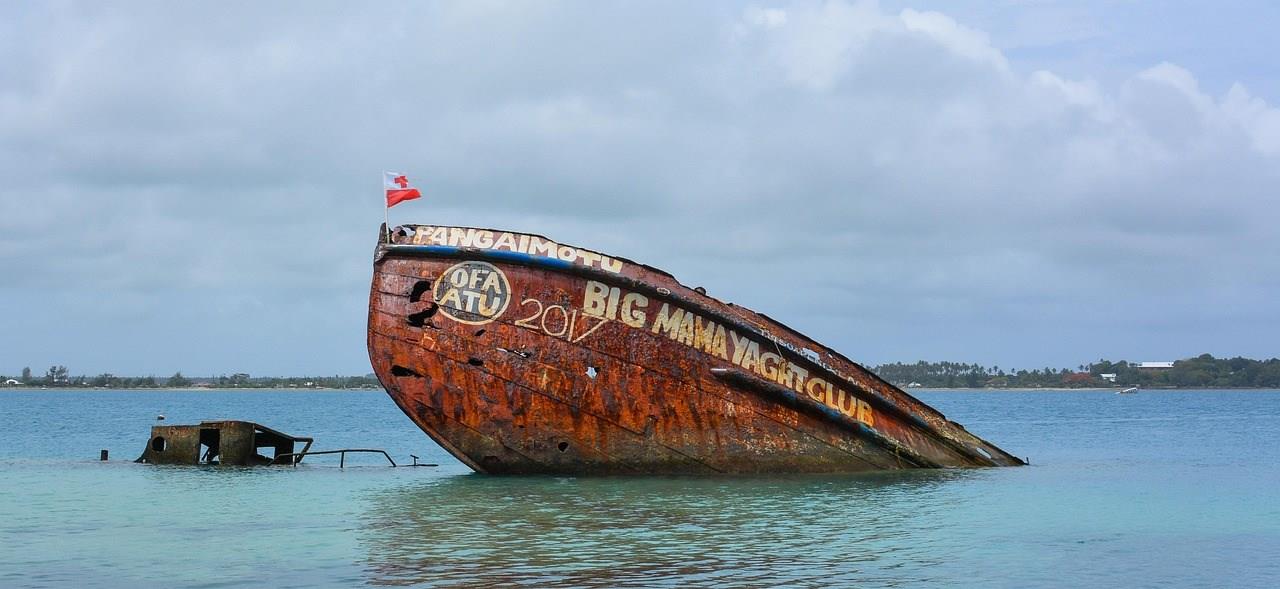
Tongatapu Island
Tongatapu, the main island of Tonga, is where tradition, history, and the South Pacific’s natural world intersect in quiet and unexpected ways. As the political and cultural center of the Kingdom of Tonga, it is home to the capital city, Nukuʻalofa, as well as ancient royal burial grounds, dramatic coastal blowholes, and friendly villages where daily life unfolds slowly.
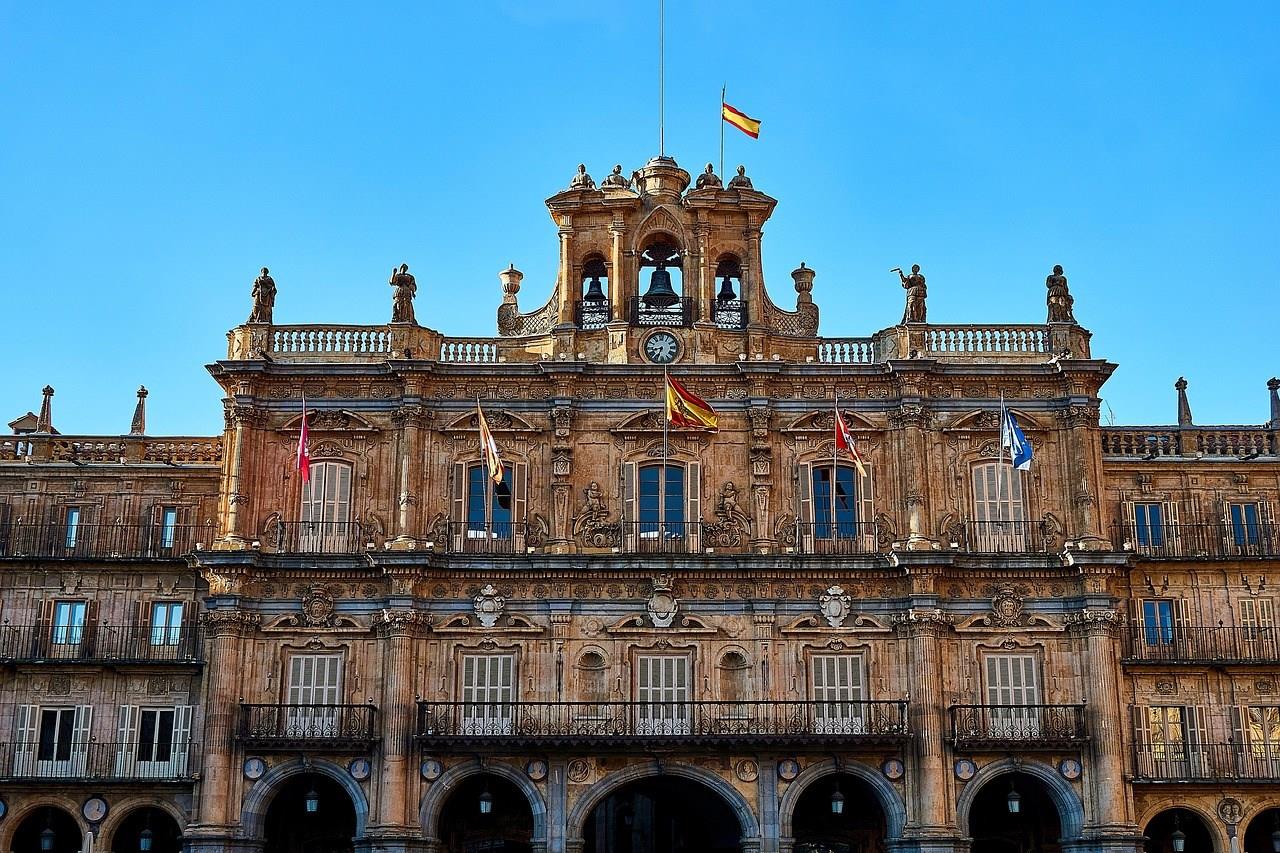
Salamanca
Salamanca, often called the “Golden City” for the warm glow of its sandstone buildings, is a place where centuries of stories are etched into every wall. Visit its historic center to wander through cobbled streets lined with architectural marvels. The University of Salamanca, founded in 1218, is one of the oldest in Europe and still buzzes with student life.
