
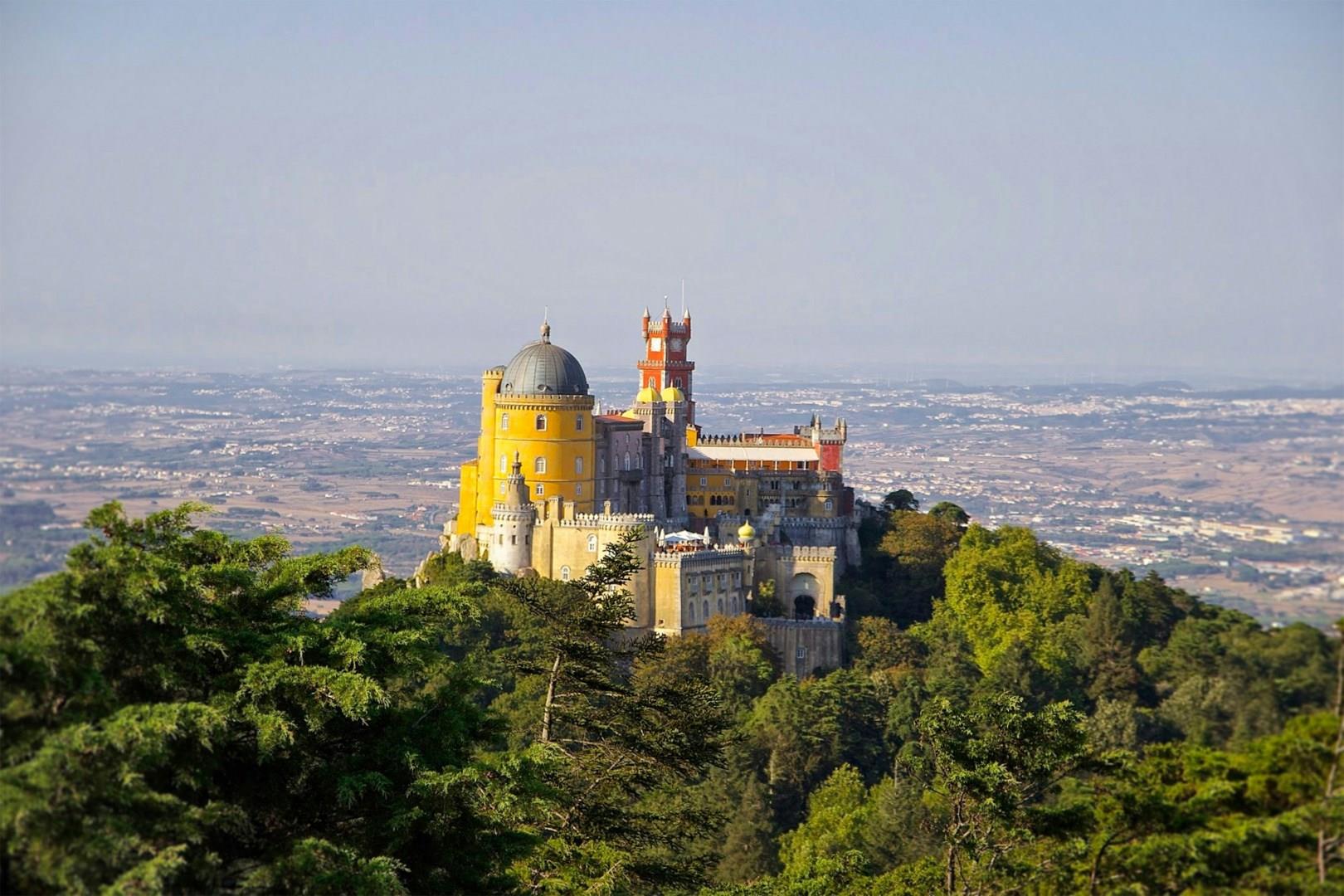
Sintra
Sintra, located just 40 minutes from Lisbon, feels like a world apart. Tucked into the hills of the Serra de Sintra, this town has drawn kings, poets, and explorers for centuries. It was once the summer retreat of Portuguese royalty, who left behind palaces and gardens that seem pulled from a storybook. The most famous, Palácio da Pena, is perched high above the town with bold red and yellow towers that blend Romanticism with Moorish and Gothic styles.

Avenue of the Baobabs
The Avenue of the Baobabs is a famous landscape in western Madagascar, located near Morondava in the Menabe region. A group of tall Grandidier's baobabs lines a dirt road across a broad, dry plain, creating one of the country's most recognizable natural scenes. These trees are endemic to Madagascar and can reach great heights, with thick trunks adapted to storing water during the dry season.
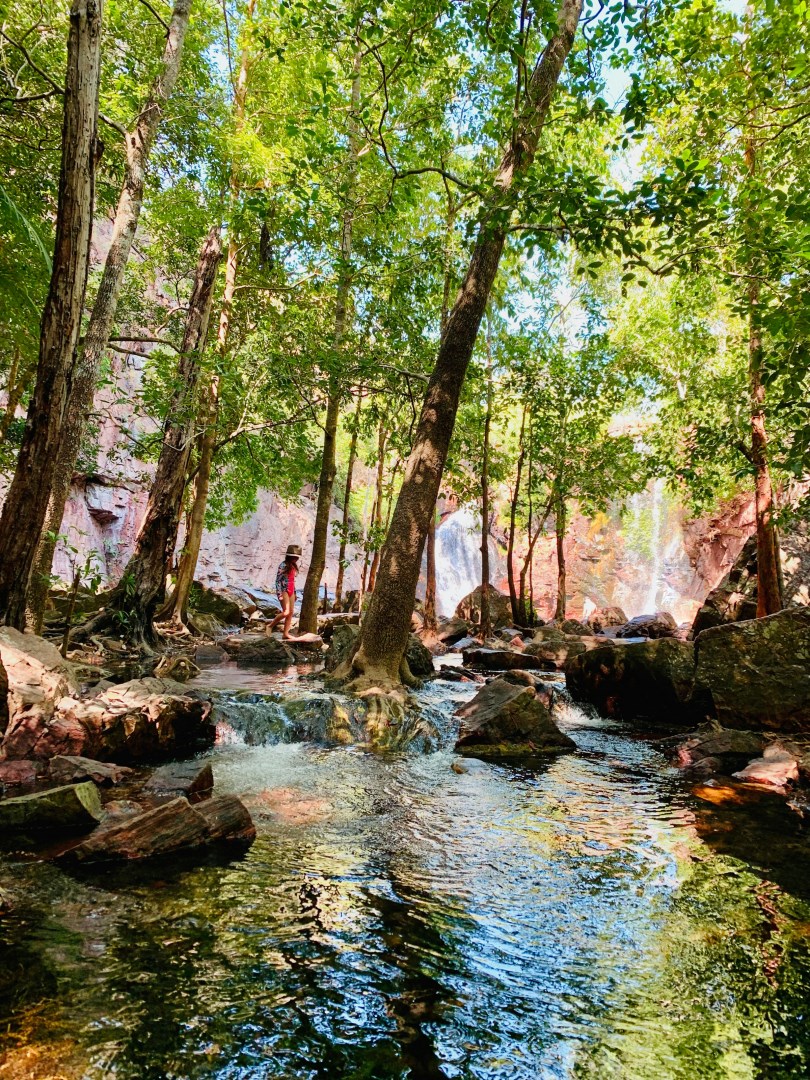
Litchfield National Park
With it's sandstone escarpments, patches of monsoon rainforest, permanent crystal clear waterholes, spectacular waterfalls and historic ruins, Litchfield National Park is a fantastic vacation destination.

Timbavati Private Nature Reserve
Timbavati Private Nature Reserve lies in South Africa’s northeastern Lowveld, directly alongside Kruger National Park. Covering about 556 square kilometres, it forms part of the larger Greater Kruger landscape, where fences between participating reserves and Kruger have been removed to allow wildlife to move freely. The reserve contains a mixture of savanna, woodland, seasonal rivers, and rocky areas shaped by ancient granite and gneiss formations.

Warsaw
Warsaw stands as one of Europe’s most resilient cities, having rebuilt itself almost entirely after World War II. The Old Town, meticulously reconstructed using paintings by Italian artist Bernardo Bellotto, feels centuries old but is, in fact, less than a hundred years in its current form. Behind the medieval facades lie stories of uprisings, resistance, and quiet defiance. Visitors walking through Castle Square can enter the Royal Castle, where Poland’s Constitution of May 3, 1791 was adopted.
