
La Rioja
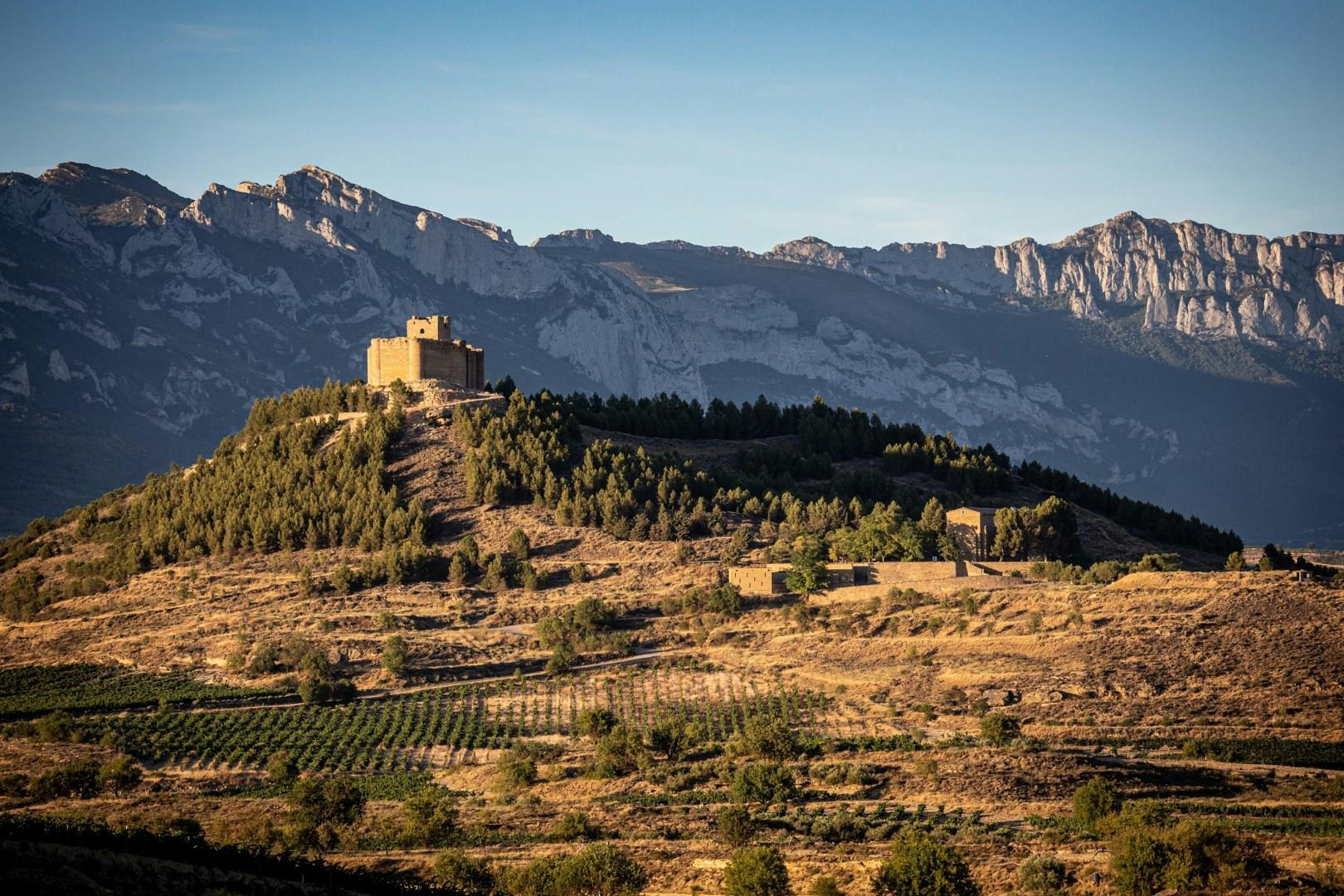
La Rioja, located in northern Spain, is best known for its wine, but the region offers much more than vineyard views. Its capital, Logroño, sits along the Camino de Santiago and has welcomed travelers for centuries. The city’s historic center is compact and lively, with narrow streets lined by centuries-old churches, pintxo bars, and quiet plazas.

Pongara National Park
Pongara National Park protects a broad coastal landscape on the southern side of Gabon’s Komo Estuary, across the water from Libreville. Covering more than 96,000 hectares, the park includes Atlantic beaches, mangrove forests, tidal mudflats, lagoons, freshwater swamps, riverine forest and grassy savanna.

Pula
Pula, a historic city located on the Istrian Peninsula in Croatia, is renowned for its impressive Roman heritage and vibrant cultural scene. The city's centerpiece is the Pula Arena, one of the best-preserved Roman amphitheaters in the world. This monumental structure, built in the 1st century AD, offers visitors a glimpse into ancient spectacles and gladiatorial contests. Today, it hosts various events, including concerts and film festivals.

Norway
Norway offers a landscape shaped by glaciers, framed by fjords, and steeped in Viking history. The country's coastline stretches for over 100,000 kilometers if you count every inlet and island, which makes it one of the longest in the world. Travelers can take a ferry through the Geirangerfjord or cruise along the Lofoten Islands, where steep mountain peaks rise dramatically from the sea. These routes aren’t just scenic; they’ve been lifelines for coastal communities for centuries.
Toledo
Toledo, seat of Lucas County, northwestern Ohio, a port on the Maumee River, at its mouth on Lake Erie; incorporated 1837. The city's extensive transportation facilities include its fine natural harbor, which is a port on the Great Lakes-Saint Lawrence Seaway and ranks among the world's leading soft-coal-shipping ports; an extensive network of railroads; and an air cargo terminal.
