
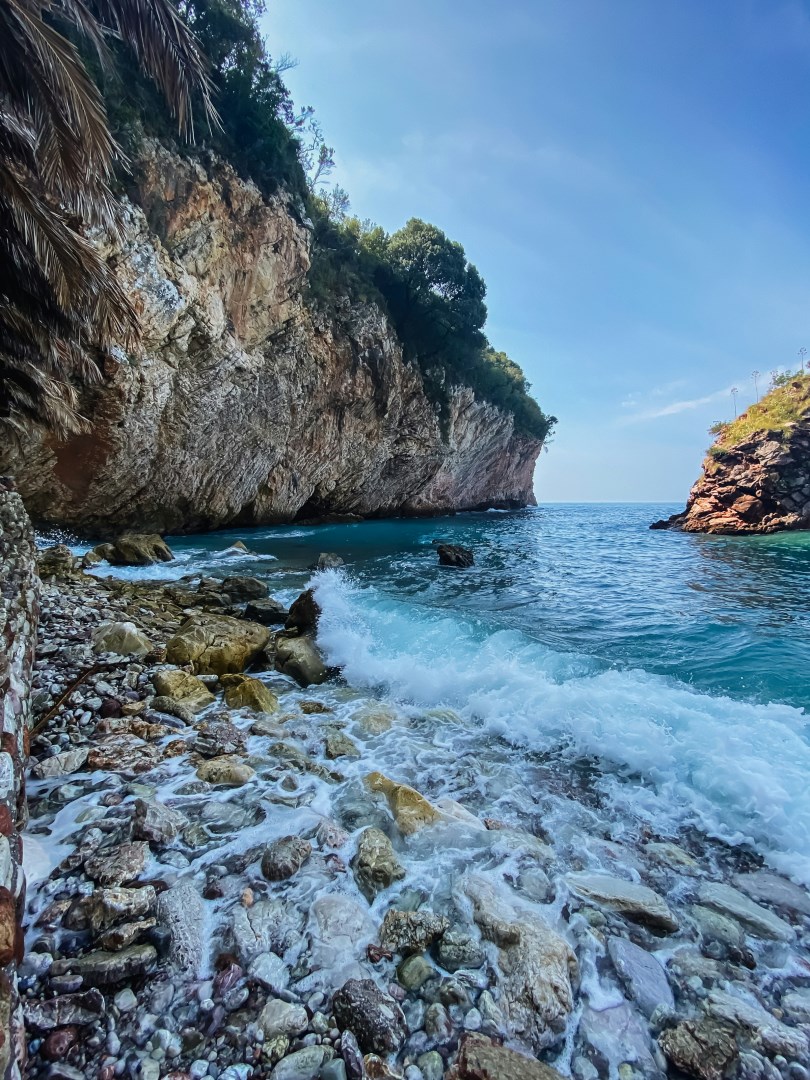
Adriatic Sea
The Adriatic Sea, a stunning crescent-shaped expanse of turquoise water between the Italian Peninsula and the Balkan Peninsula, offers a captivating destination for travelers seeking both natural beauty and rich history. Stretching from the Gulf of Trieste in the north to the Gulf of Kotor in the south, this Mediterranean gem is renowned for its crystal-clear waters, charming coastal towns, and diverse marine life. The pristine beaches of Croatia's Dalmatian Coast and Montenegro's Bay of Kotor p

Rotterdam
If you find yourself in Rotterdam, there's a strong chance you've arrived by water. This popular port city (the second largest in the Netherlands) has gone through an architectural renaissance since World War II, with daring, innovative structures dotting the city (cube houses!) and defining its skyline. Café culture is on the rise here, so grab yourself a table and a cup.

Eskisehir
Eskişehir, located in northwestern Turkey, is a city where old meets new in unexpected ways. Known for its youthful vibe due to its two major universities, the city is also deeply rooted in history. It sits along the Porsuk River, which winds through lively neighborhoods and parks. The riverfront, once mostly industrial, has been transformed into a place where gondolas pass under bridges and locals gather at riverside cafes.

Austin
The capital of Texas, Austin is located in the south-central area. It was named the capital of the Republic of Texas in 1839. The main campus of the University of Texas is located here, founded in 1881.
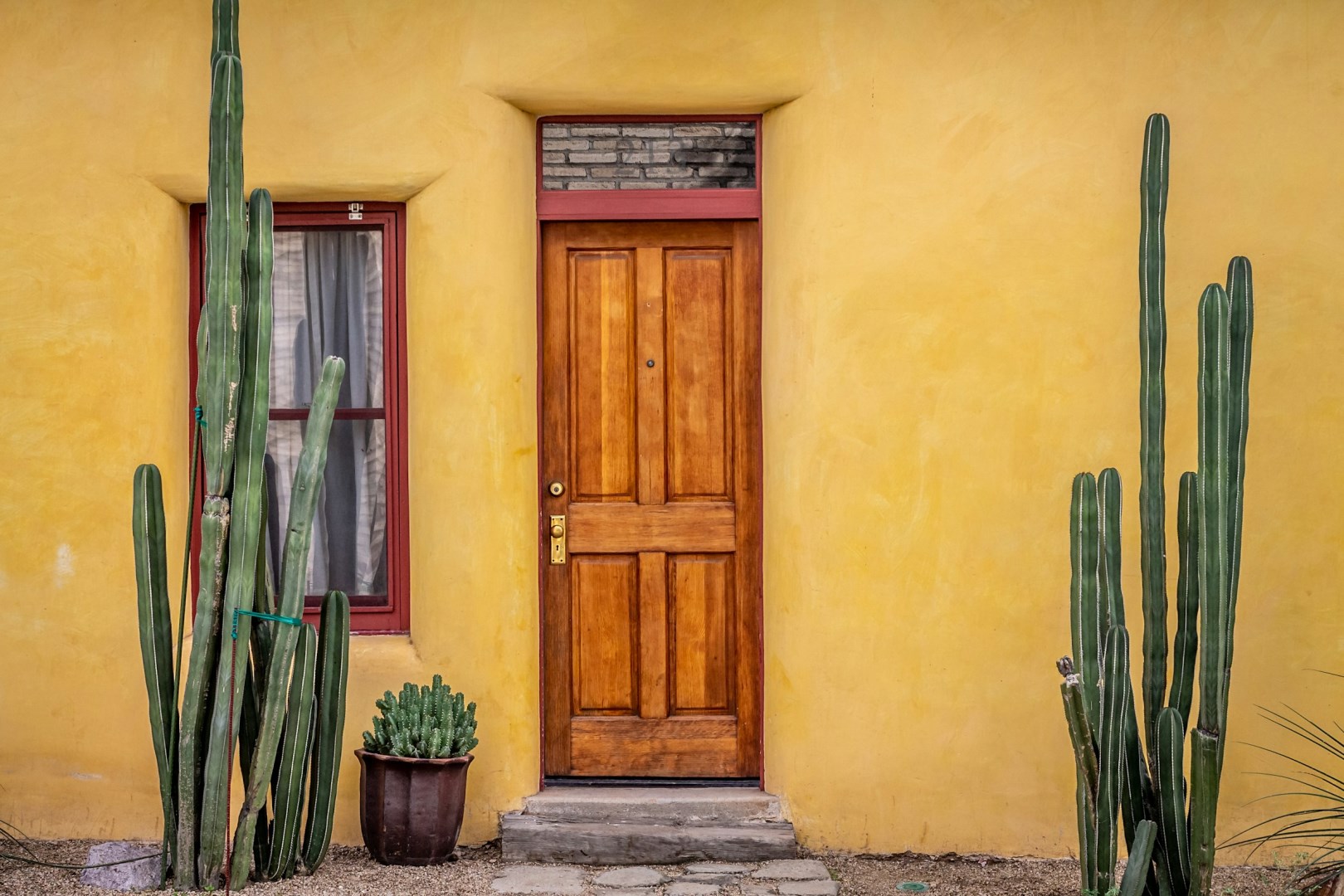
Tucson
Tucson is a city in southern Arizona surrounded by the Sonoran Desert and framed by several mountain ranges, including the Santa Catalina Mountains to the north. Its desert setting is defined by towering saguaro cacti, rugged hills, dry washes, and broad mountain views. Tucson combines a historic downtown with distinctive neighborhoods, museums, gardens, and outdoor spaces. The city is also part of a larger desert region where urban areas meet protected landscapes, giving Tucson a close connecti
