
Skiros
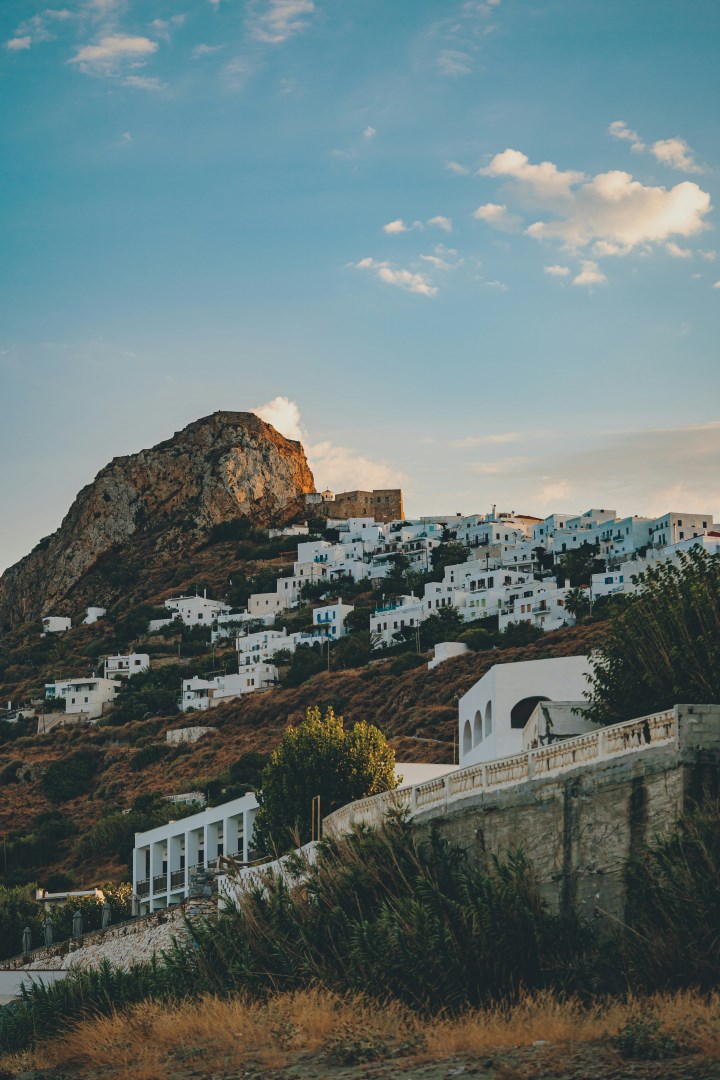
Set in the heart of the Aegean Sea, Skyros, Greek island, stands apart from its neighboring islands with a character shaped by both rugged landscapes and quiet coastal life. As part of the Sporades group, it offers a mix of pine-covered hills in the north and drier, open terrain in the south. The main town, Skyros Town, rises along a hillside crowned by a whitewashed monastery and a medieval-style castle, creating a striking view from the harbor below.
Vézelay
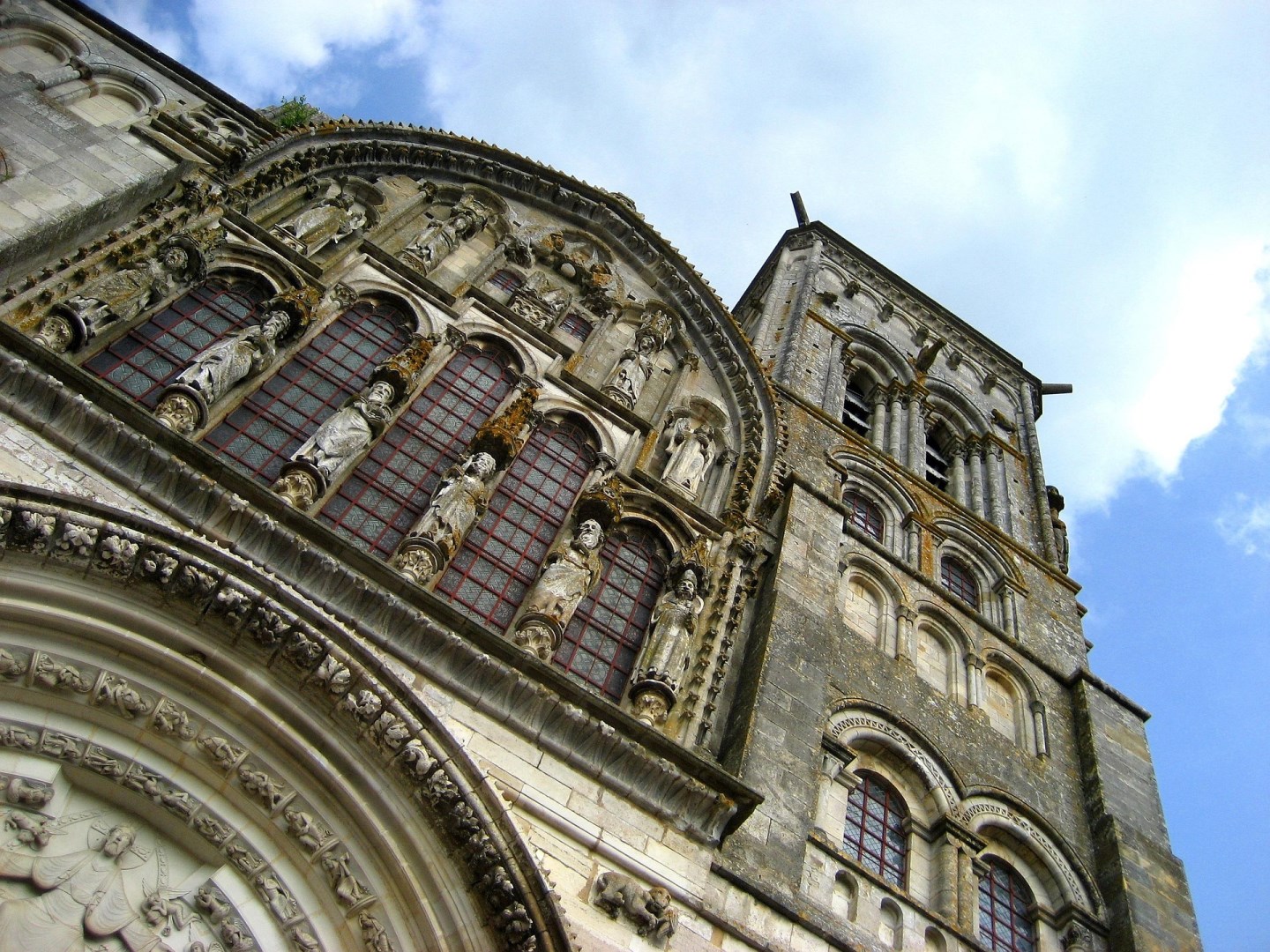
Perched high above Burgundy’s vineyards and fields, Vézelay is defined by its winding stone streets and the great Basilica of Sainte-Marie-Madeleine, a centuries-old destination for Christian pilgrims. Its Romanesque architecture, far-reaching countryside views, and enduring connection to the pilgrimage routes toward Santiago de Compostela give this small hilltop village an unusually rich sense of place.
Kassel
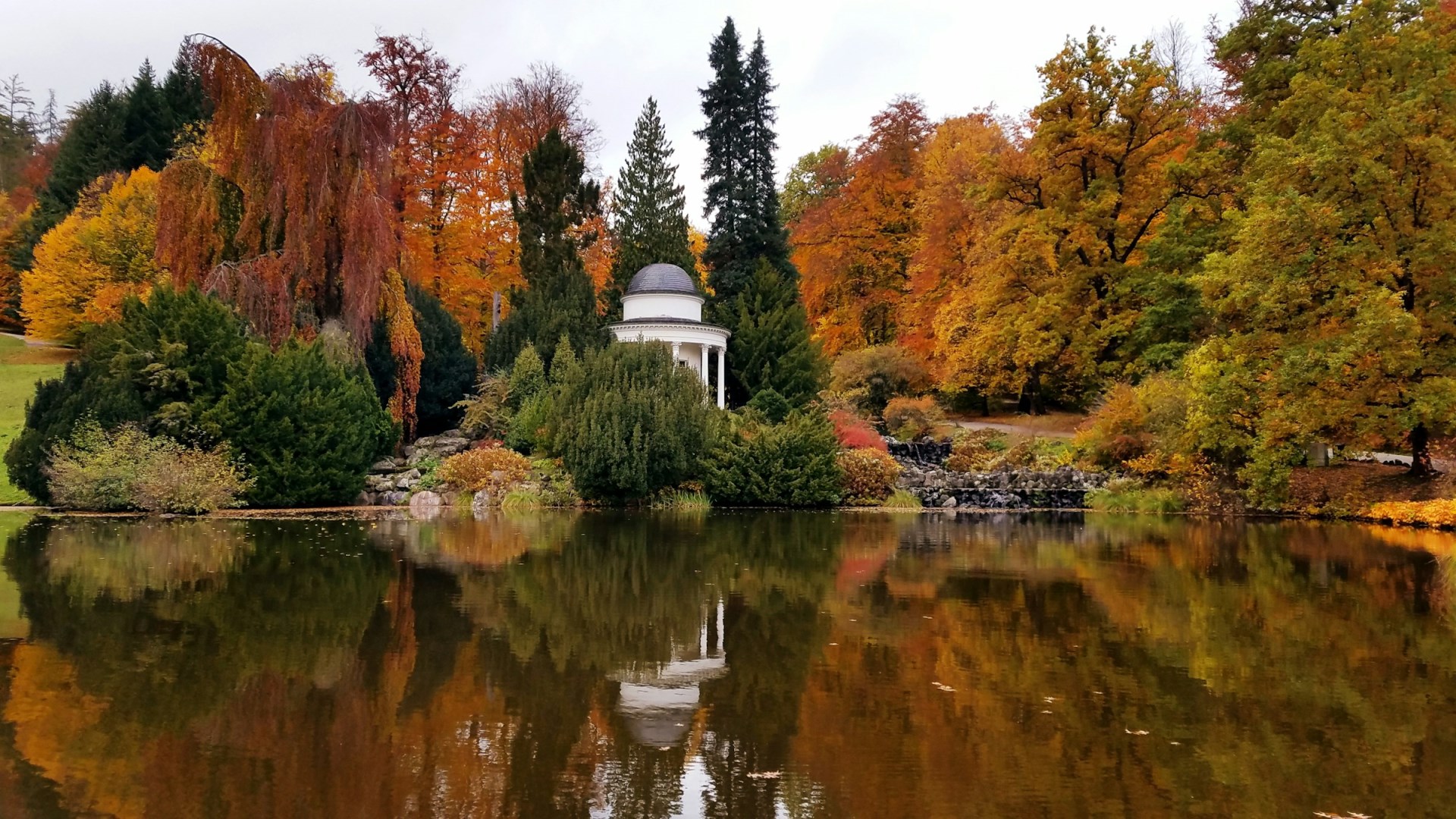
Nearly 80% of the city was destroyed in WWII. It is now known for its many museums, including the Museum of Tapestry, the Brothers Grimm Museum and Fredericianum Museum.

Alice Springs
Alice Springs, located in the heart of Australia’s Red Centre, is a town deeply connected to the desert landscapes and Aboriginal culture that define the region. Long an important meeting place for the Arrernte people, it remains a center of Indigenous art and traditions, with galleries and cultural institutions showcasing some of the world’s most renowned Aboriginal artworks and stories.

Prince Edward Island
Located in the Gulf of St. Lawrence in southeastern Canada, Prince Edward Island has been nicknamed "The Garden of the Gulf." It was founded in 1534 by French Explorer Jacques Cartier and is primarily a fishing center and summer tourist destination.
