
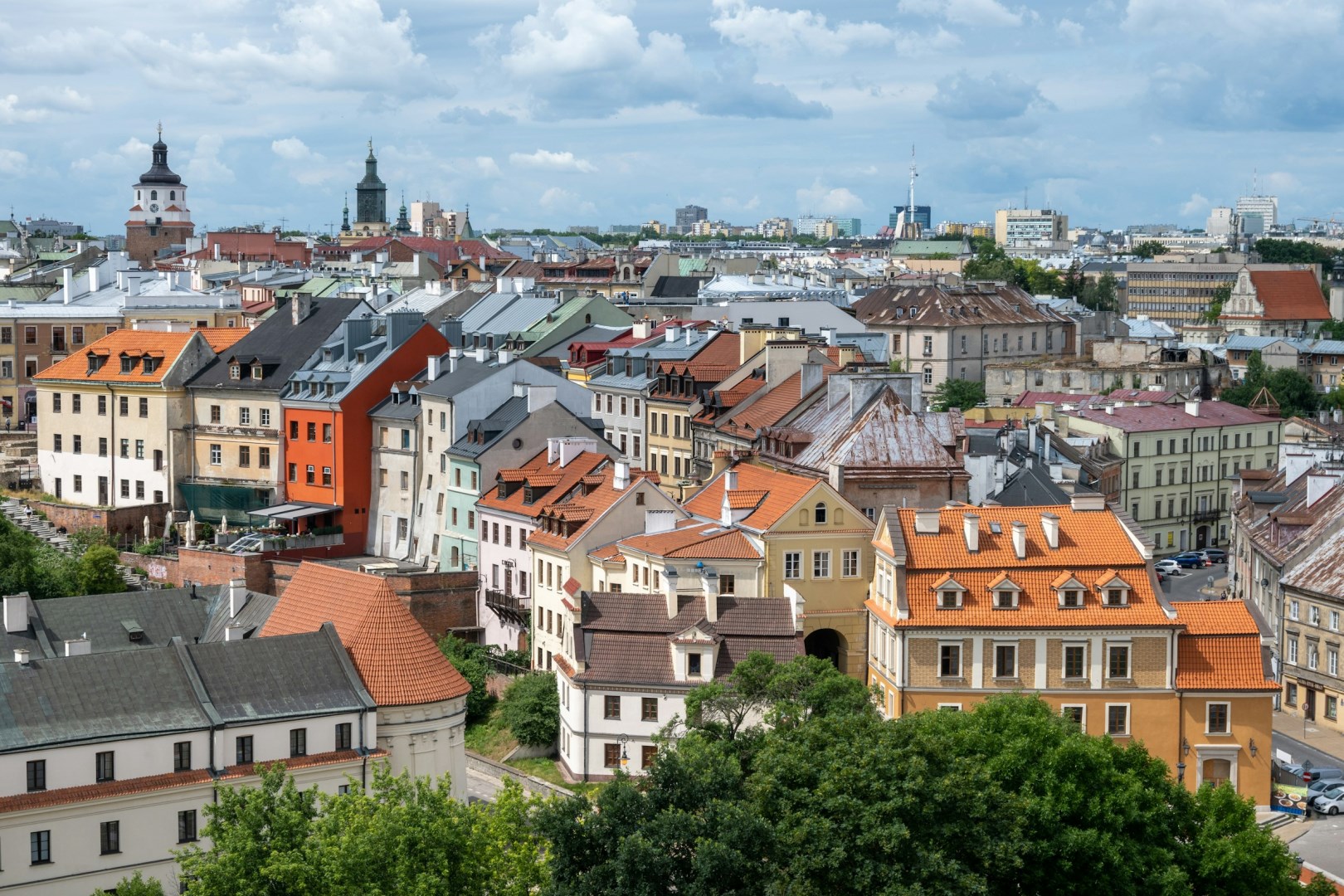
Lublin
Located on a trade route to Lithuania and Russia, Lublin was already an important center by the time it received its municipal charter in 1317. The city still remains relatively unknown to foreign tourists. From the original defense walls and the Krakow Gate, the remnant of Lublin's medieval wall system to the town hall and the Renaissance burgher houses in the Market Square, Lublin offers numerous visual delights.
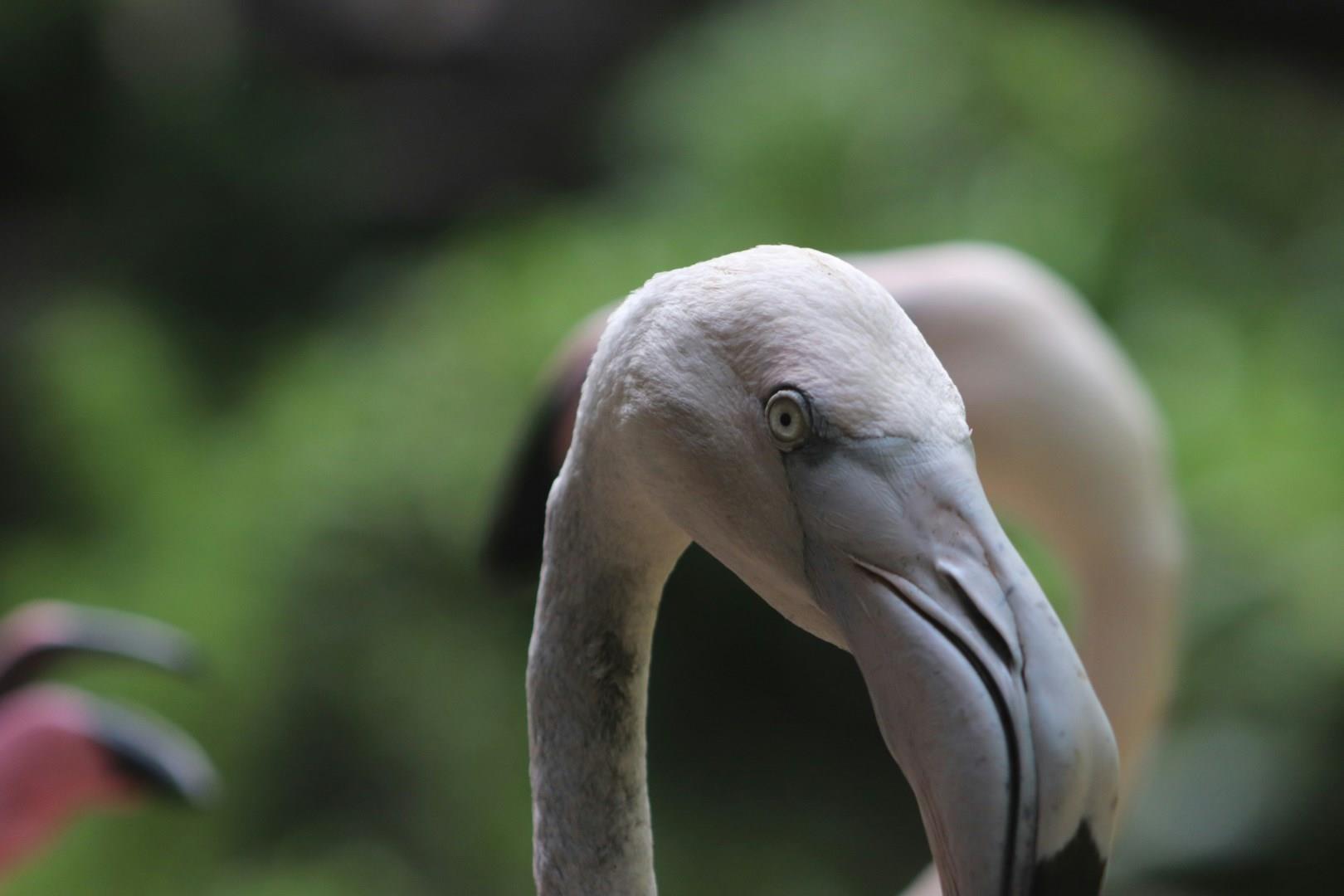
Kanchanaburi
Kanchanaburi, a province in western Thailand, is best known for its poignant history and lush landscapes. It was here that Allied prisoners of war and Asian laborers were forced to build the infamous Death Railway during World War II, including the Bridge over the River Kwai, which remains a powerful symbol of resilience.

Fukuoka
Fukuoka, Japan’s vibrant city on the island of Kyushu, offers a captivating blend of history, culture, and modern charm. Known for its welcoming atmosphere and rich heritage, Fukuoka is home to the impressive Fukuoka Castle, a historical site that offers a glimpse into the city’s feudal past.

New York
New York is more than a state, it’s a collection of vivid contrasts where small-town traditions meet global icons. Beyond the skyscrapers of Manhattan, visitors discover everything from glacier-carved lakes in the Finger Lakes region to quiet mountain villages in the Adirondacks. In upstate towns like Saratoga Springs and Hudson, restored main streets are lined with galleries, cafés, and antique shops, offering a slower pace steeped in local pride.
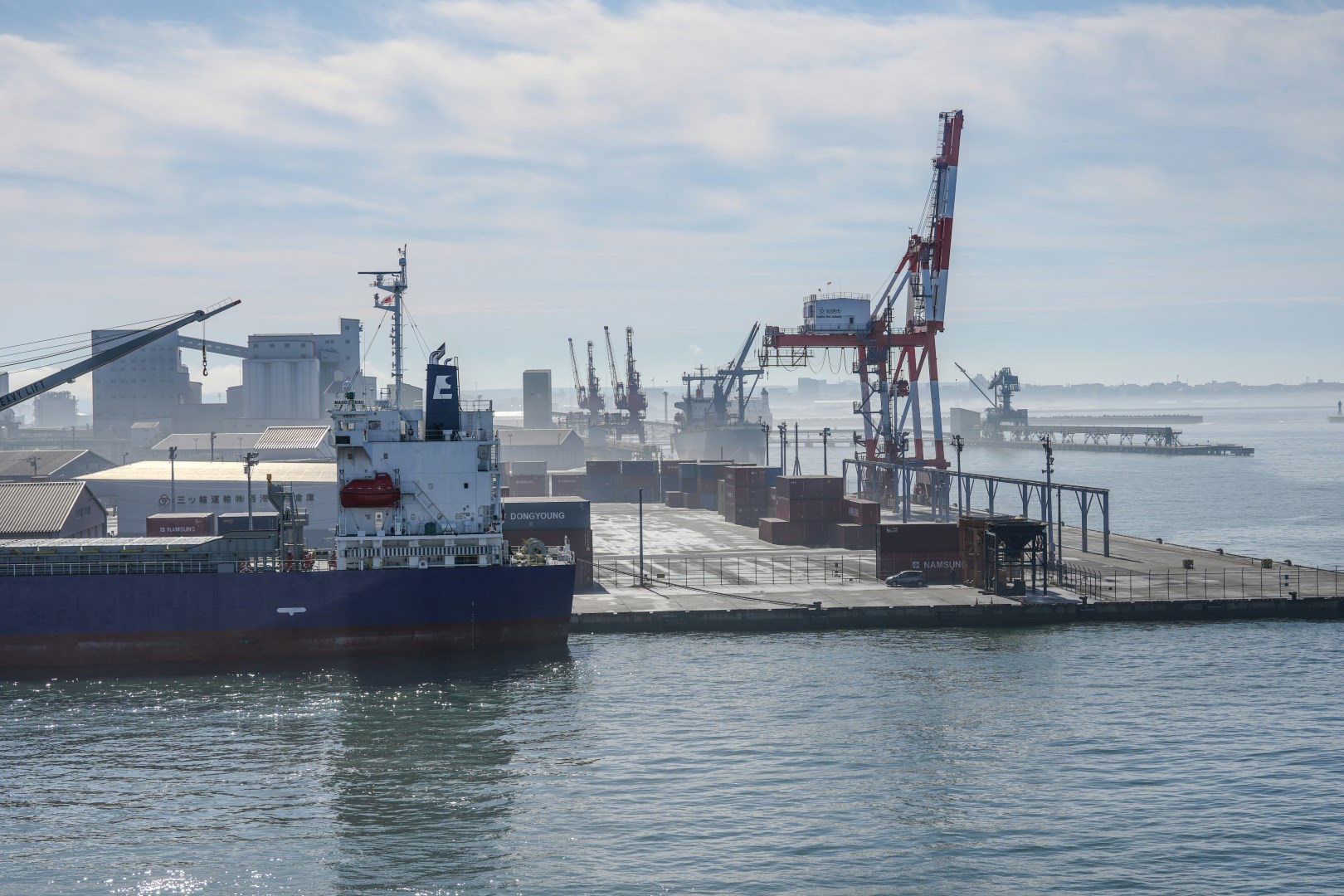
Kushiro
Kushiro is a port city on the eastern coast of Hokkaido, Japan’s northernmost main island. The city faces the Pacific Ocean and is known for its fishing industry, wetlands, and cool maritime climate. Fog drifting in from the sea is common during warmer months and has become one of Kushiro’s defining natural features.
