
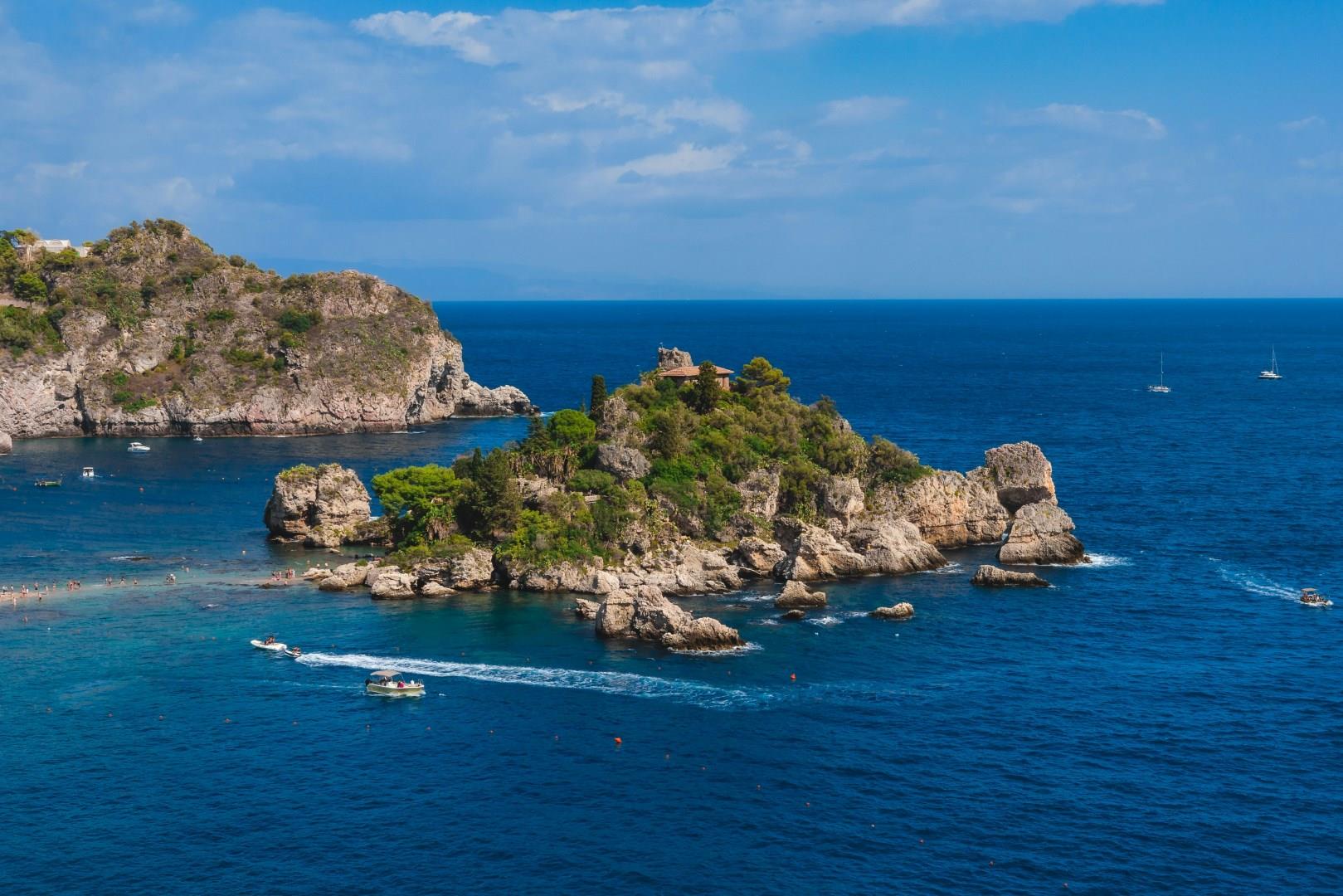
Isola Bella
Isola Bella sits on Lake Maggiore as part of the Borromean Islands, closely tied to the ambitions of the Borromeo family who reshaped the rocky outcrop in the 17th century.
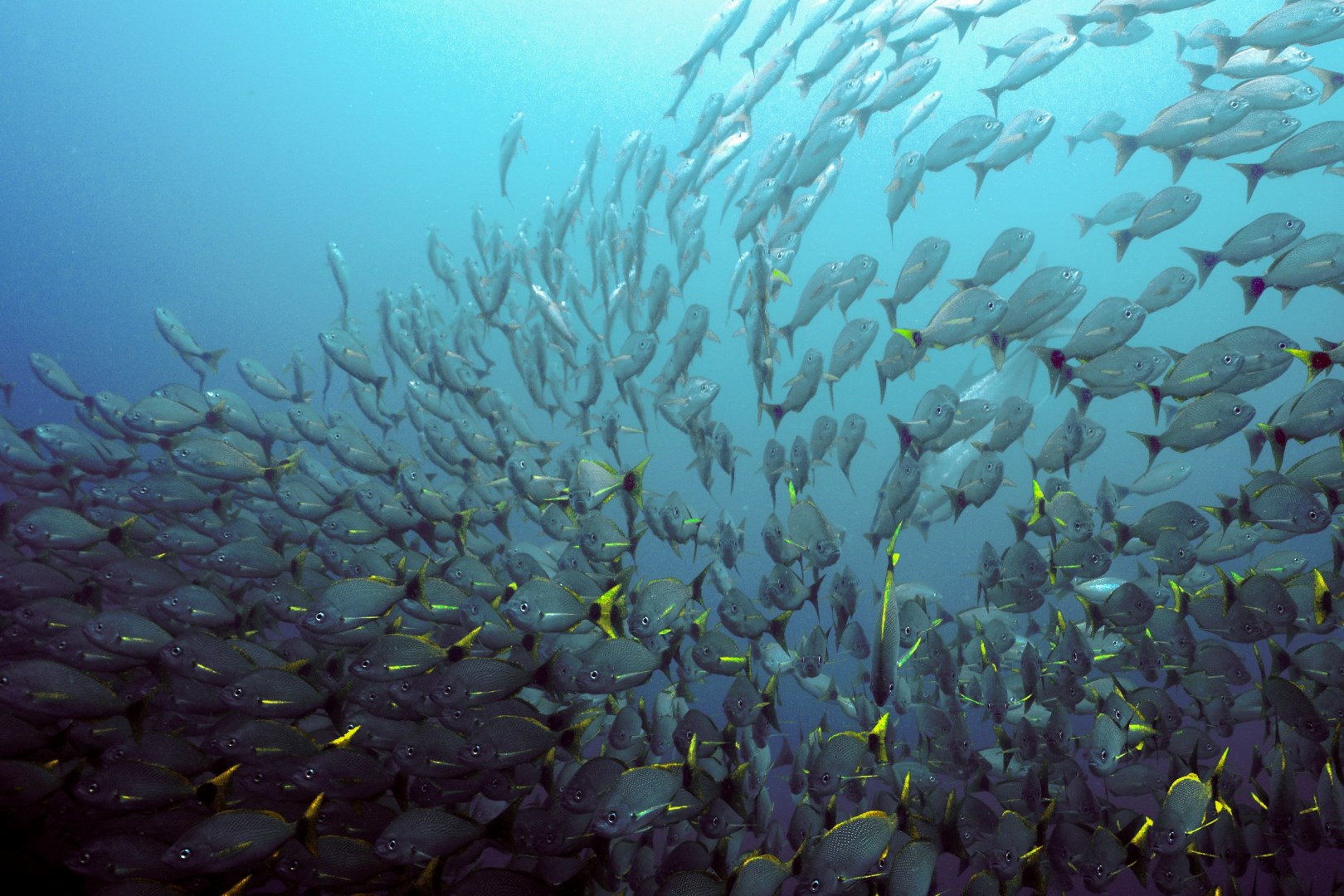
Caño Island
The snorkeling is extraordinary in the reefs of Cano Island. Cano has its roots in pre-Columbian trading and is also a former burial ground for coastal Indians.

Papua New Guinea
Papua New Guinea is a land of surprises, where misty highlands give way to tropical coasts and vibrant festivals stir every sense. In the Highlands, the air carries the echoes of ceremonial drums and elaborate sing‑sings like the famed Goroka Show, where over 100 tribes gather in September to perform dances adorned with feathered headdresses, body paint, and the haunting clay masks of the Asaro Mudmen.
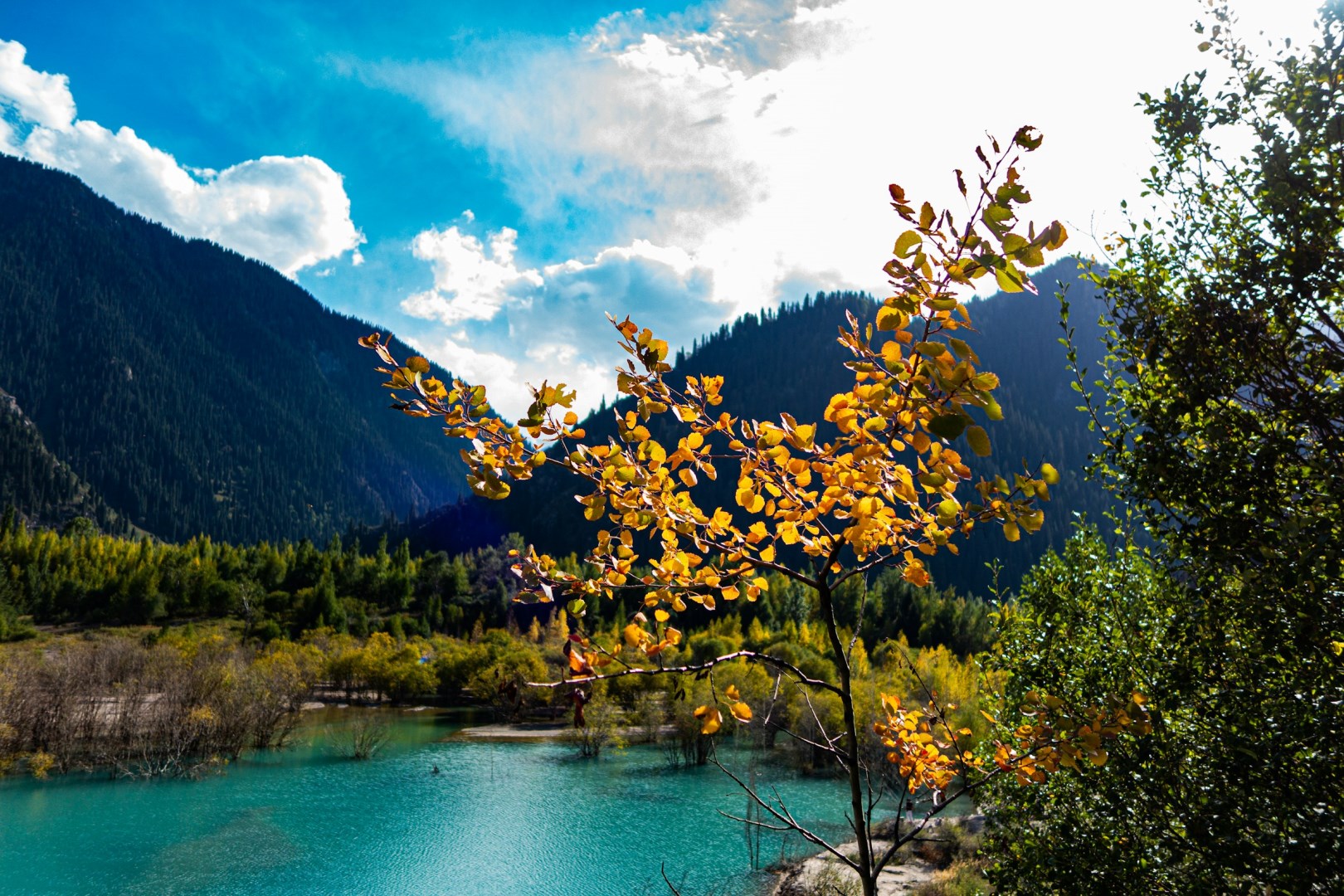
Lake Issyk
Lake Issyk is a mountain lake in southeastern Kazakhstan, located in a gorge of the Trans-Ili Alatau about 60 kilometers east of Almaty. The lake lies at roughly 1,800 meters above sea level within the Ile-Alatau National Park and is surrounded by steep rocky slopes, coniferous forests, and alpine meadows.
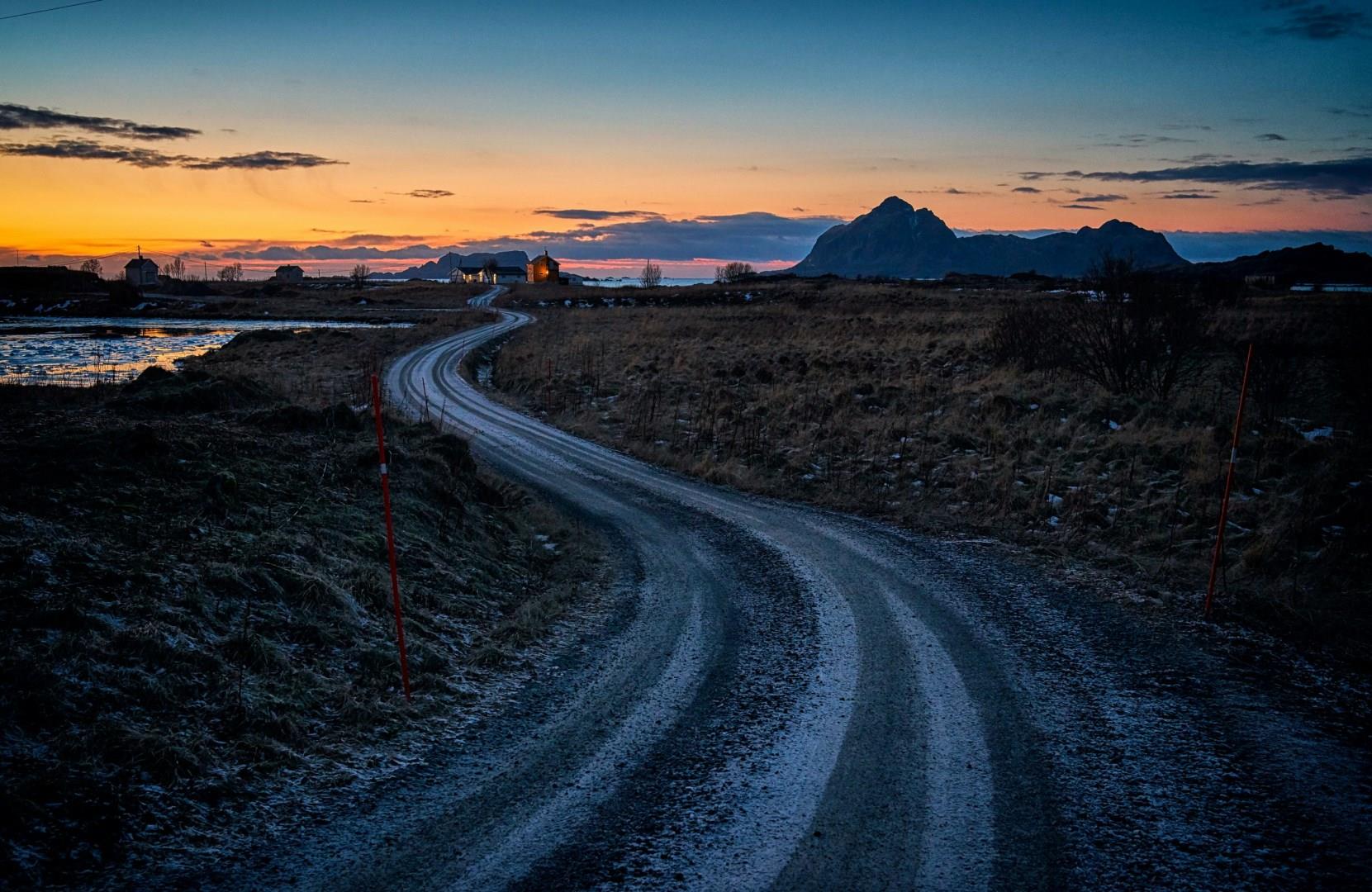
Vesteralen
Vesteralen is a coastal archipelago in northern Norway, located just north of the Lofoten Islands, known for its wide-open landscapes, dramatic skies, and strong ties to the sea. Historically shaped by fishing and seafaring, the region’s communities developed around sheltered harbors and seasonal fisheries, particularly for cod.
