
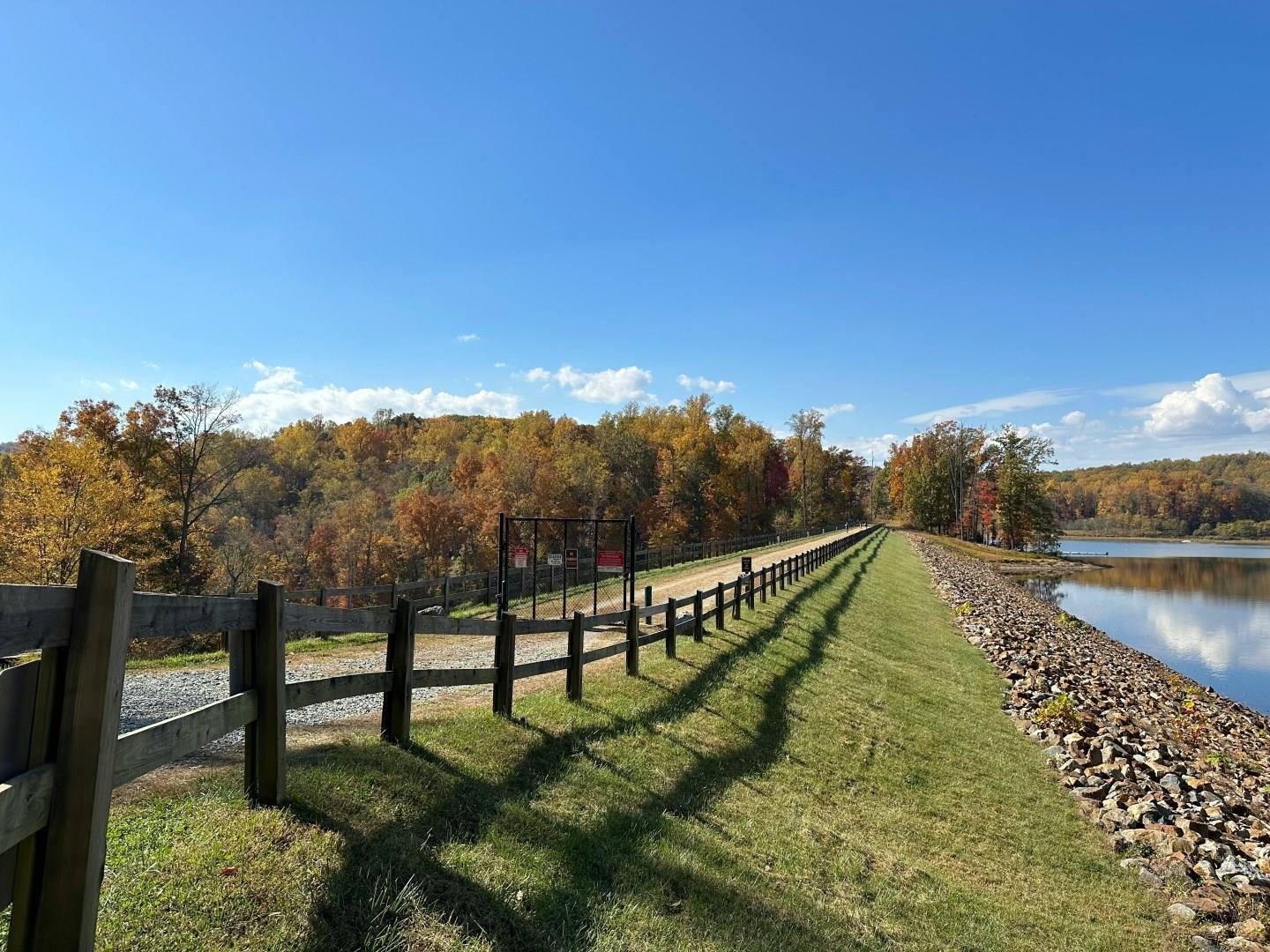
Charlottesville
Charlottesville, Virginia is a small city with deep roots and a lively sense of place. It's home to the University of Virginia, founded by Thomas Jefferson in 1819 and now recognized as a UNESCO World Heritage Site alongside Jefferson’s Monticello estate. Both sites are working institutions where architecture, education, and ongoing dialogue shape how visitors experience the past.

United Arab Emirates
The United Arab Emirates rolls history and invention into a seamless experience. In Abu Dhabi, the Sheikh Zayed Grand Mosque stands out with its reflective pools, marble columns inlaid with floral patterns, and the world’s largest hand-knotted carpet beneath domes that glow by night. On Saadiyat Island, the Louvre Abu Dhabi shelters art that spans civilizations, all beneath a dome designed to scatter sunlight like palm fronds.
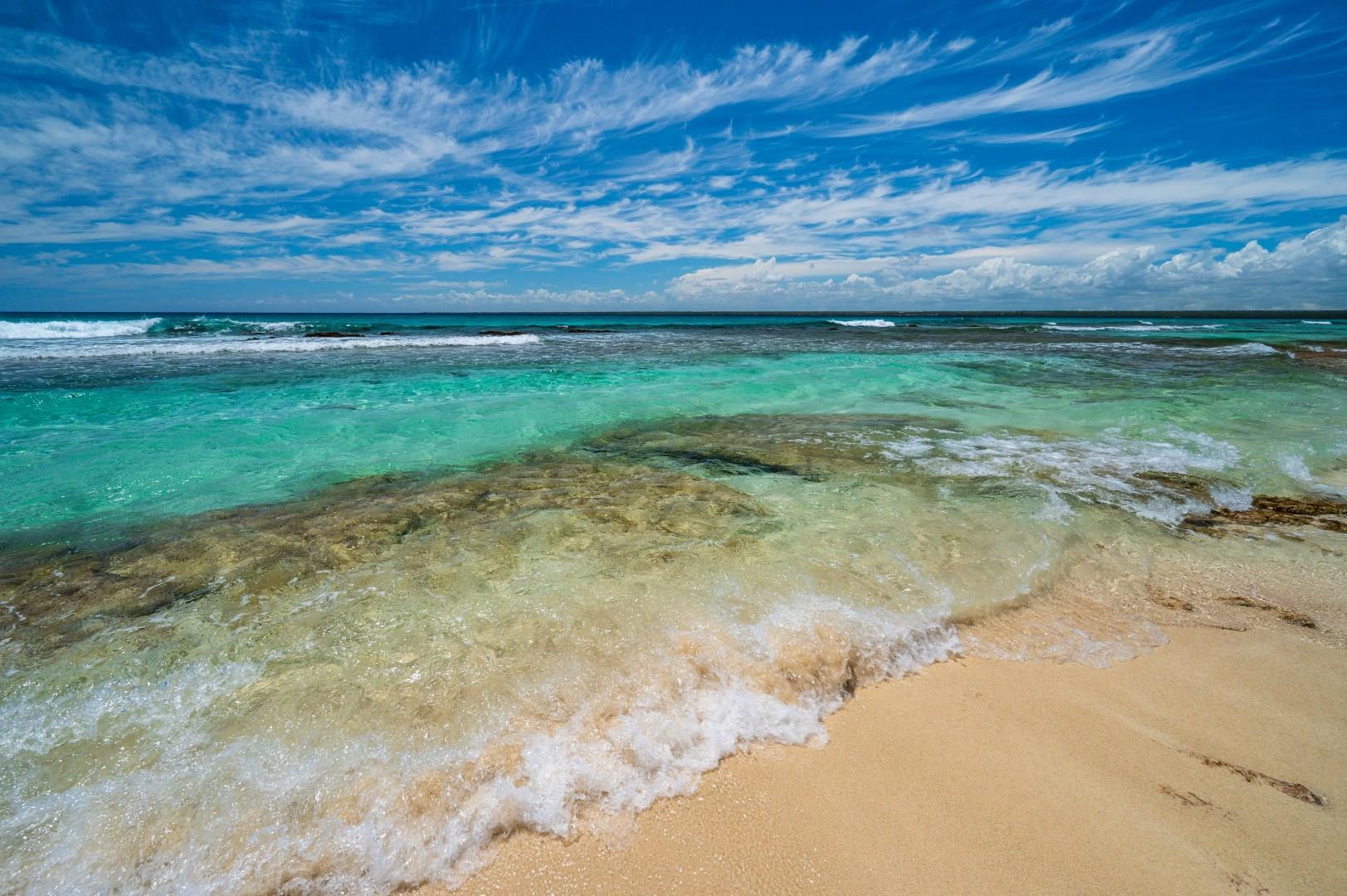
Catalina Island
Catalina Island, located just 1.5 miles off the southeastern coast of the Dominican Republic, is a serene tropical escape known for its pristine beaches and vibrant coral reefs.

Tahiti
Tahiti is a veritable paradise in the South Pacific. The largest and most populous island of French Polynesia's Society Islands, Tahiti is known for its iconic overwater bungalows, crystal-clear cerulean water, and lush, tropical rainforests.
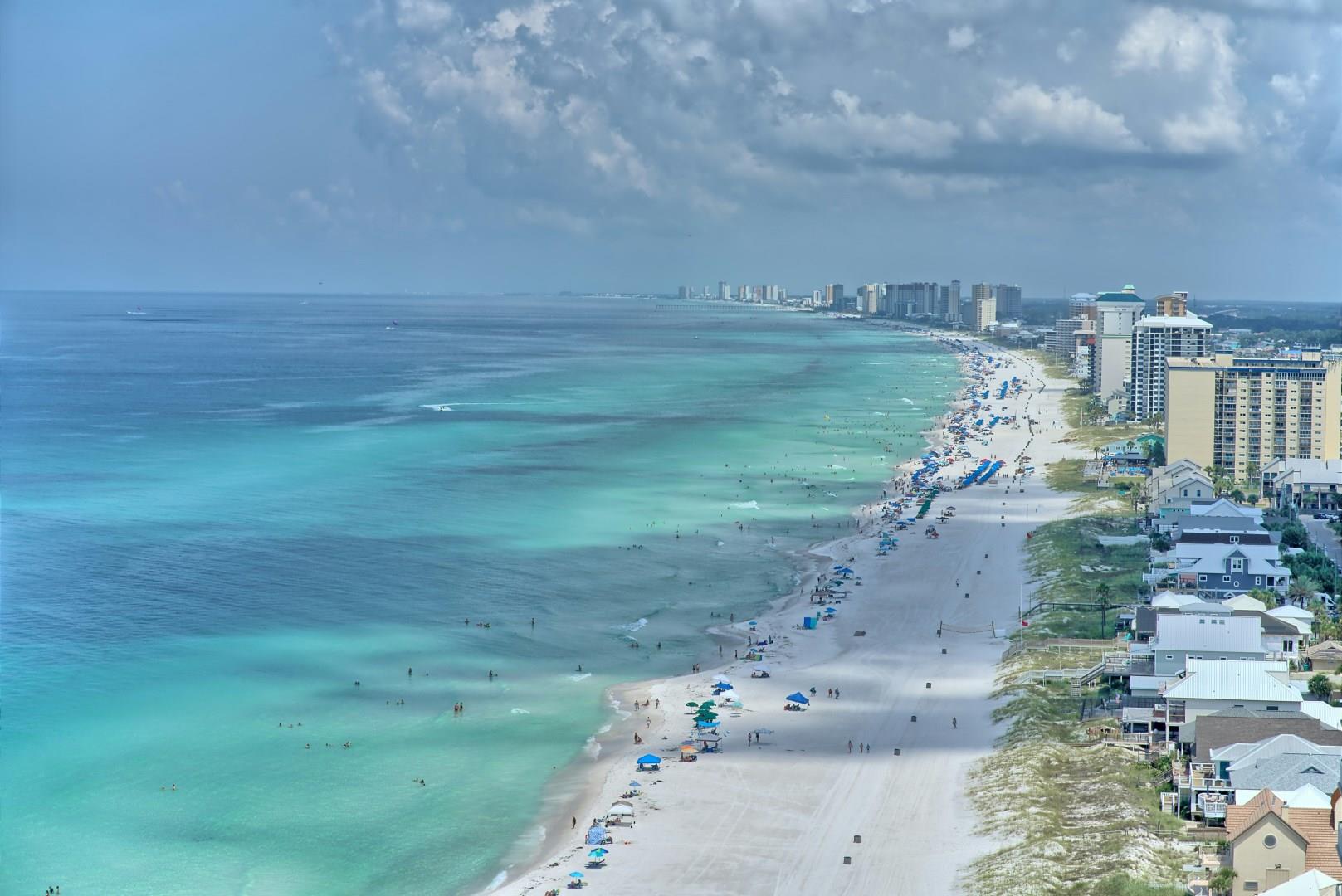
Panama City
Panama City, Florida, sits along the Gulf Coast where maritime history and modern beach culture intersect. Originally tied to shipbuilding and fishing, the city developed around St. Andrews Bay, which still anchors local identity through working marinas and long-established neighborhoods.
