
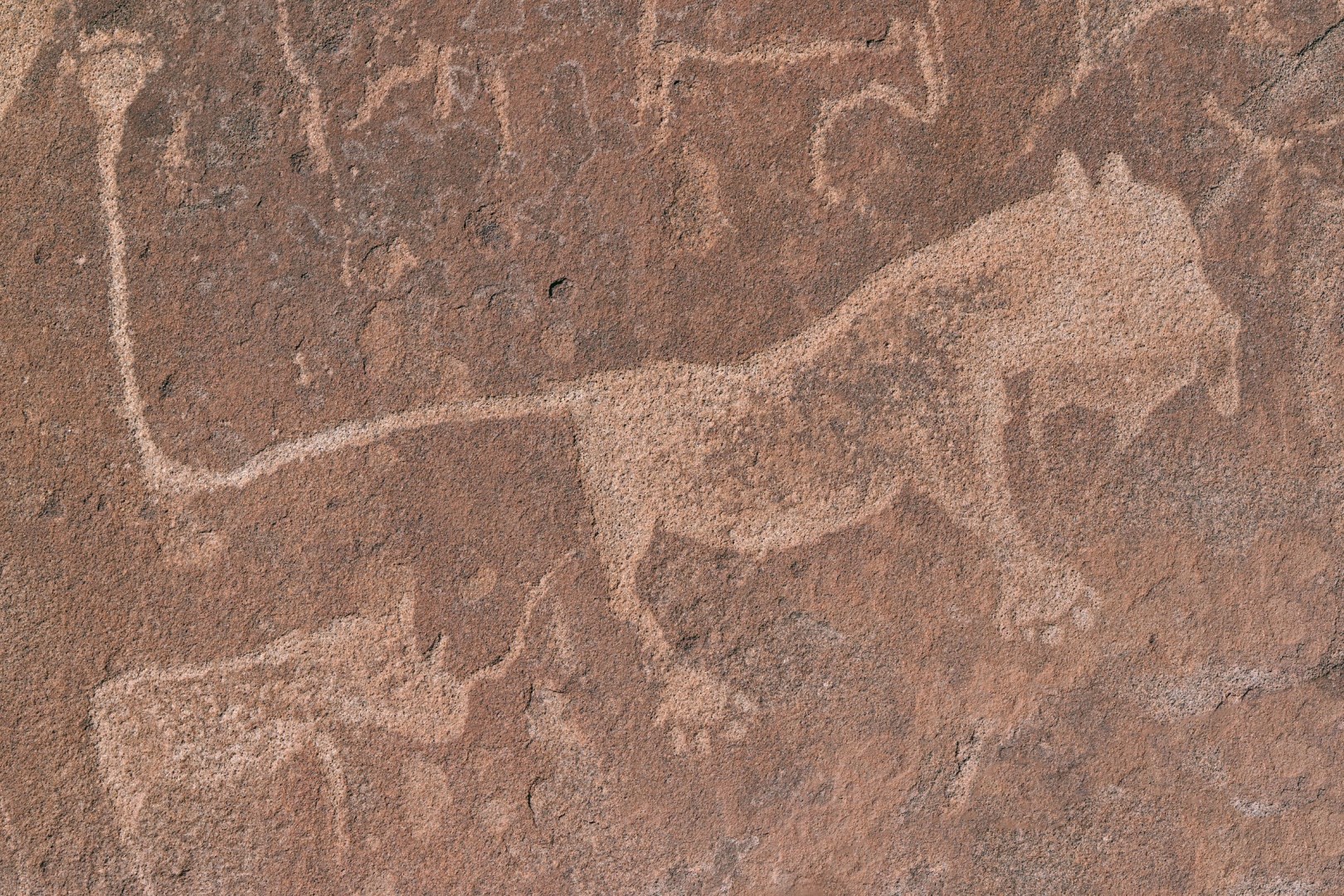
Twyfelfontein
Twyfelfontein is a cultural heritage site in the rugged Damaraland region of northwestern Namibia, known for one of Africa’s largest concentrations of ancient rock engravings. The site lies among sandstone cliffs, dry valleys, and open plains where water is scarce and vegetation is adapted to arid conditions. Twyfelfontein or /Ui-//aes is recognized as a UNESCO World Heritage Site because of its extensive collection of engravings and painted rock shelters
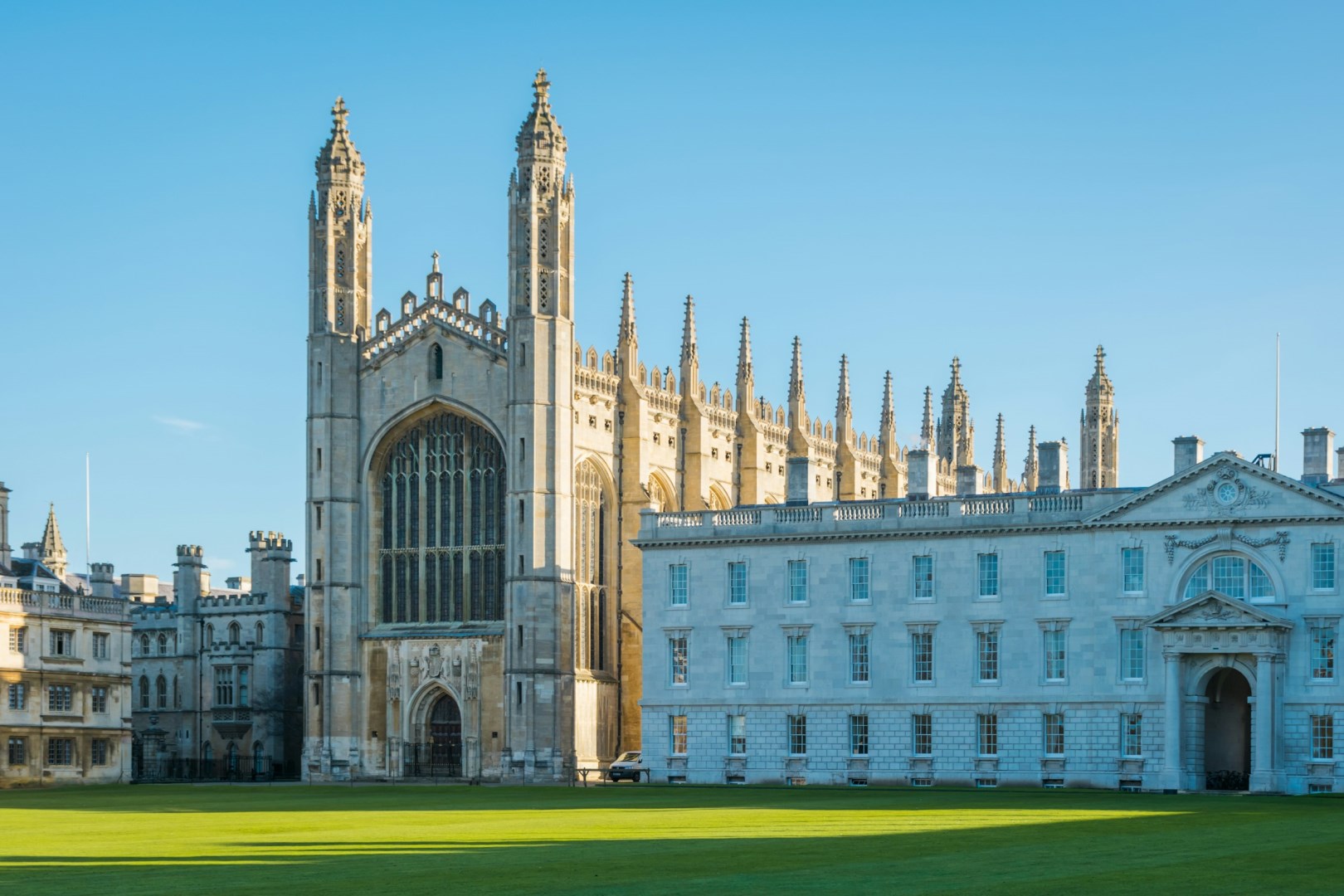
Cambridge
Cambridge, located in eastern England along the River Cam, is world-renowned for its prestigious university, historic architecture, and vibrant cultural scene. The city’s cobbled streets, centuries-old colleges, and medieval churches reflect a rich academic and architectural heritage, making it one of the most iconic university towns in the world.
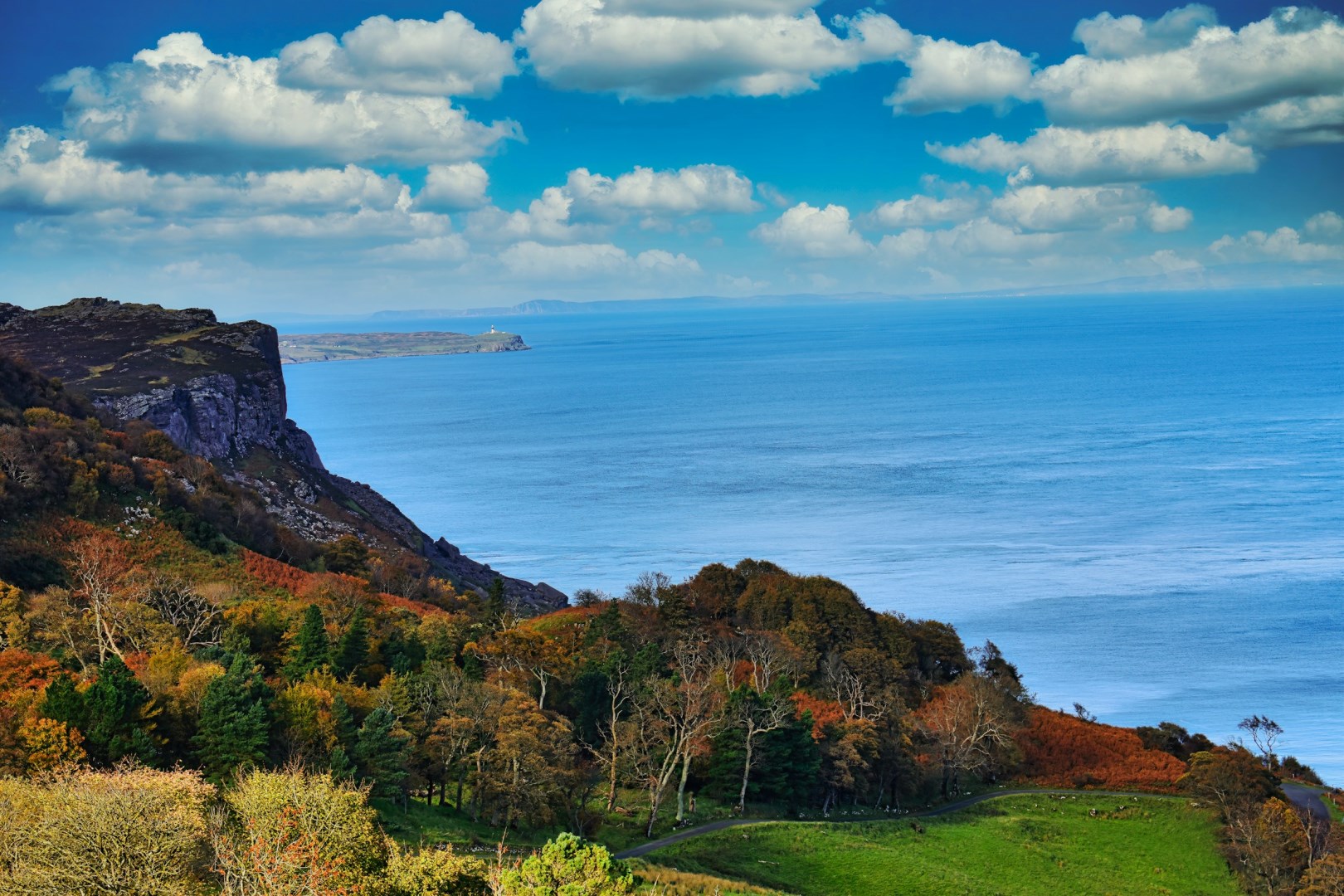
Rathlin Island
Rathlin Island is Northern Ireland’s only inhabited offshore island, lying about six miles from the County Antrim coast across the Sea of Moyle. Its small community is centered around a harbor on the southern side, while much of the island consists of farmland, open hills, rocky shorelines, and sea cliffs. Rathlin has a notably remote character despite its short ferry journey from Ballycastle.

Pécs
Pécs, Hungary, is a city that seamlessly blends history, culture, and a vibrant modern atmosphere. Nestled at the foot of the Mecsek Mountains in southern Hungary, Pécs boasts a rich heritage that dates back over 2,000 years. Visitors are often captivated by the city’s unique blend of Roman, Ottoman, and Hungarian influences.
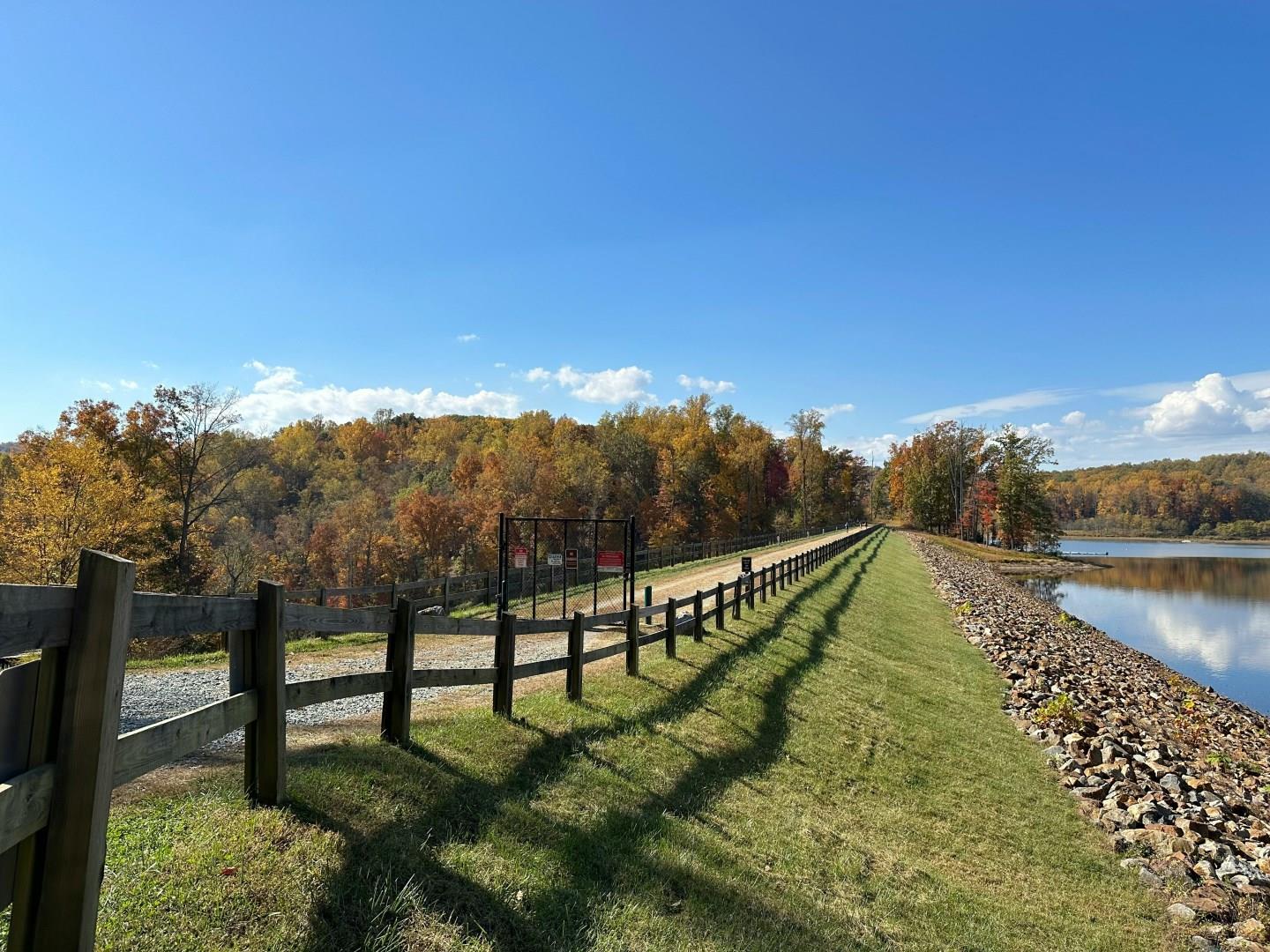
Charlottesville
Charlottesville, Virginia is a small city with deep roots and a lively sense of place. It's home to the University of Virginia, founded by Thomas Jefferson in 1819 and now recognized as a UNESCO World Heritage Site alongside Jefferson’s Monticello estate. Both sites are working institutions where architecture, education, and ongoing dialogue shape how visitors experience the past.
