

Chiang Rai
Chiang Rai, in northern Thailand near the borders with Laos and Myanmar, is a city where history, art, and tranquil landscapes converge. Founded in the 13th century as the first capital of the Lanna Kingdom, it retains a strong sense of heritage while also serving as a hub for contemporary Thai creativity.
Aurangabad
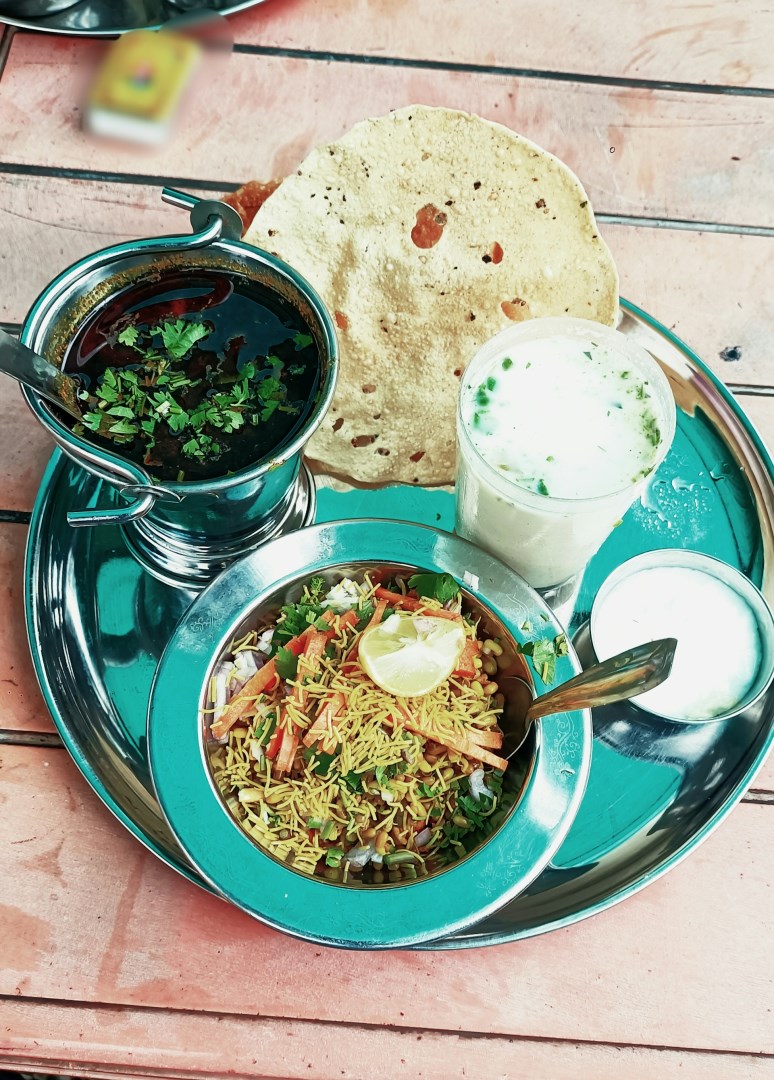
Aurangabad, now officially known as Chhatrapati Sambhajinagar, is a historic city in Maharashtra’s Deccan region, surrounded by dry hills, agricultural land, and the basalt landscapes of the Deccan Plateau. It is best known as a gateway to some of India’s most important rock-cut monuments, including the UNESCO-listed Ajanta and Ellora Caves. The city itself combines Mughal-era architecture, Buddhist cave sites, historic gateways, and traditional craft industries. I
Malawi
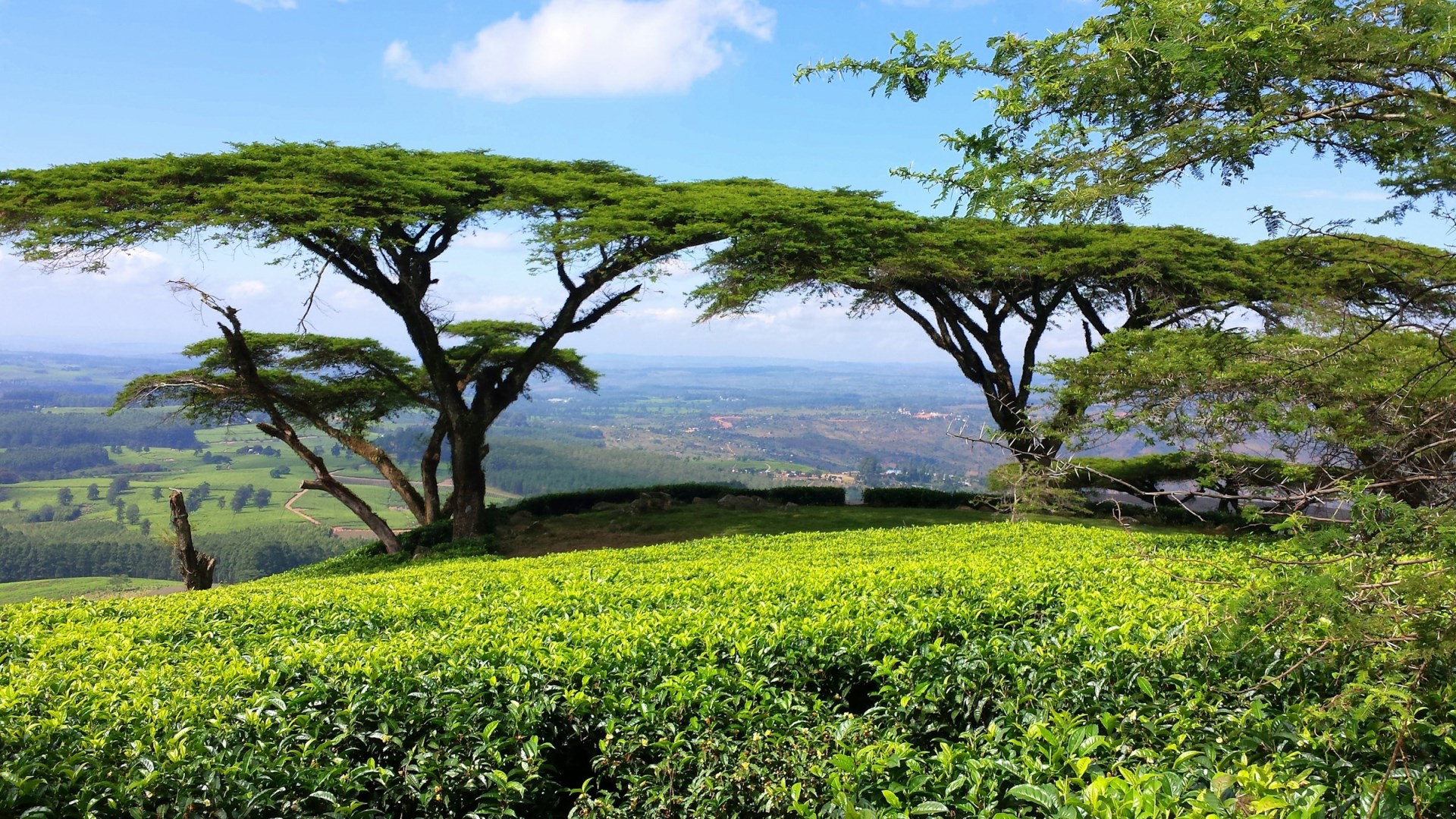
Malawi, often called the “Warm Heart of Africa,” is a landlocked country in southeastern Africa known for its welcoming people and breathtaking natural scenery. Despite its small size, the country offers remarkable diversity, from high mountain plateaus and fertile valleys to sweeping savannas and vast lakeshores.

Abidjan
Abidjan, the largest city in Ivory Coast, is a vibrant coastal hub known for its striking skyline, lively markets, and cultural energy. Situated along the Ébrié Lagoon, it serves as the country’s economic and commercial center, blending modern urban life with West African traditions. Nicknamed the “Paris of West Africa,” Abidjan offers a dynamic mix of business districts, beachside neighborhoods, and green spaces that reflect its diverse character.
Cres
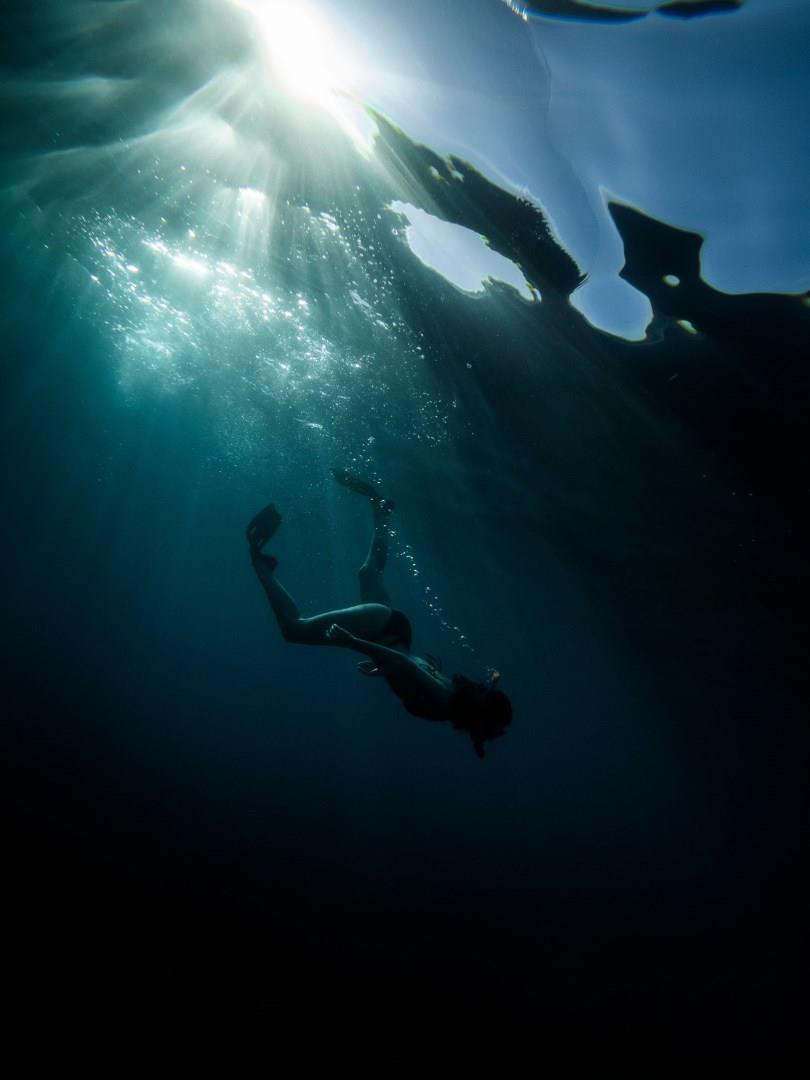
Cres is a large Adriatic island off Croatia’s northern coast, shaped by a long history of seafaring, pastoral life, and quiet isolation.
