
Santa Ana
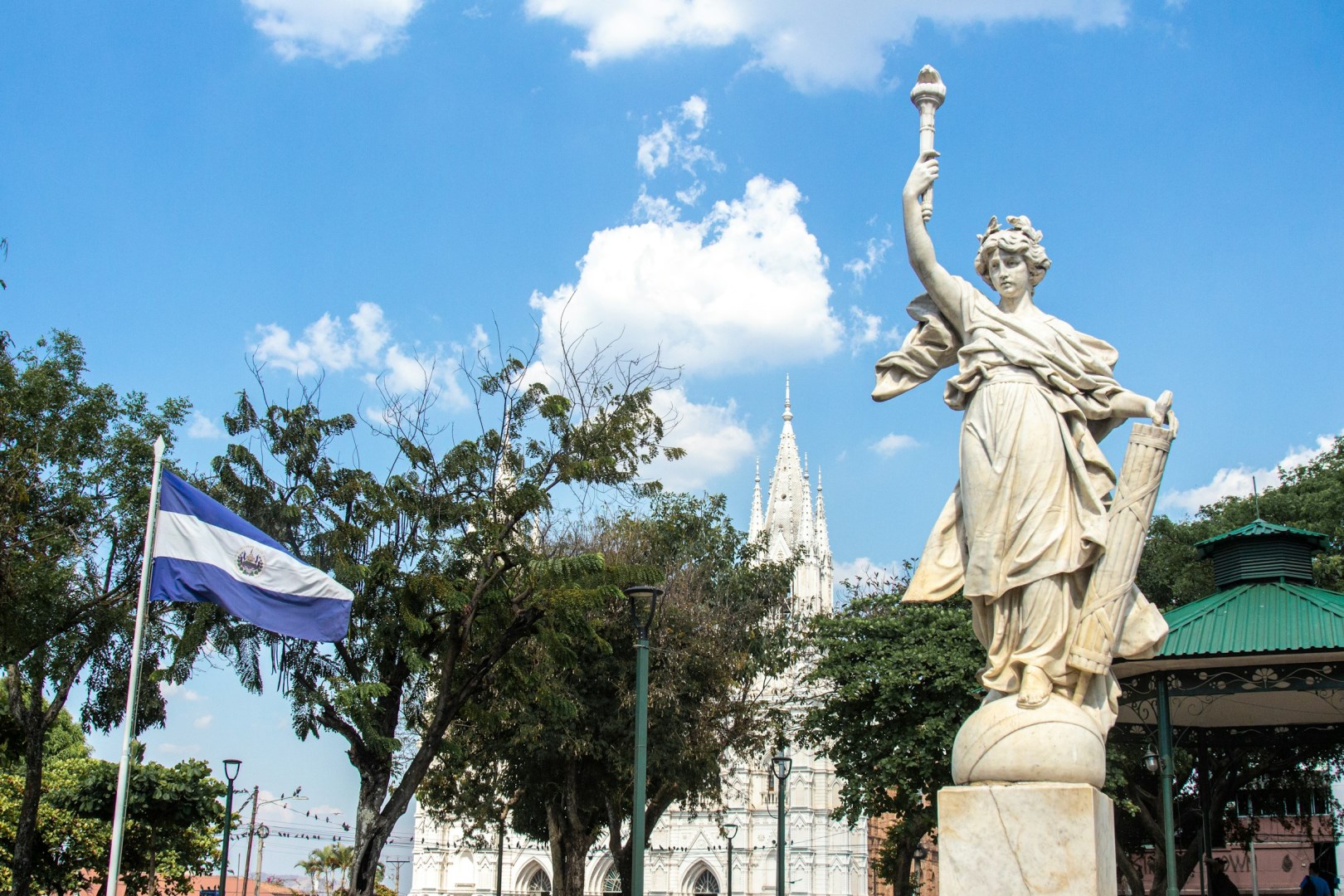
Santa Ana is a major city in western El Salvador, known for its historic center, grand public buildings, and location near several of the country's volcanic and lake landscapes. The city developed around Parque Libertad, where the distinctive Cathedral of Santa Ana stands alongside the Municipal Palace and National Theater.
Namibe
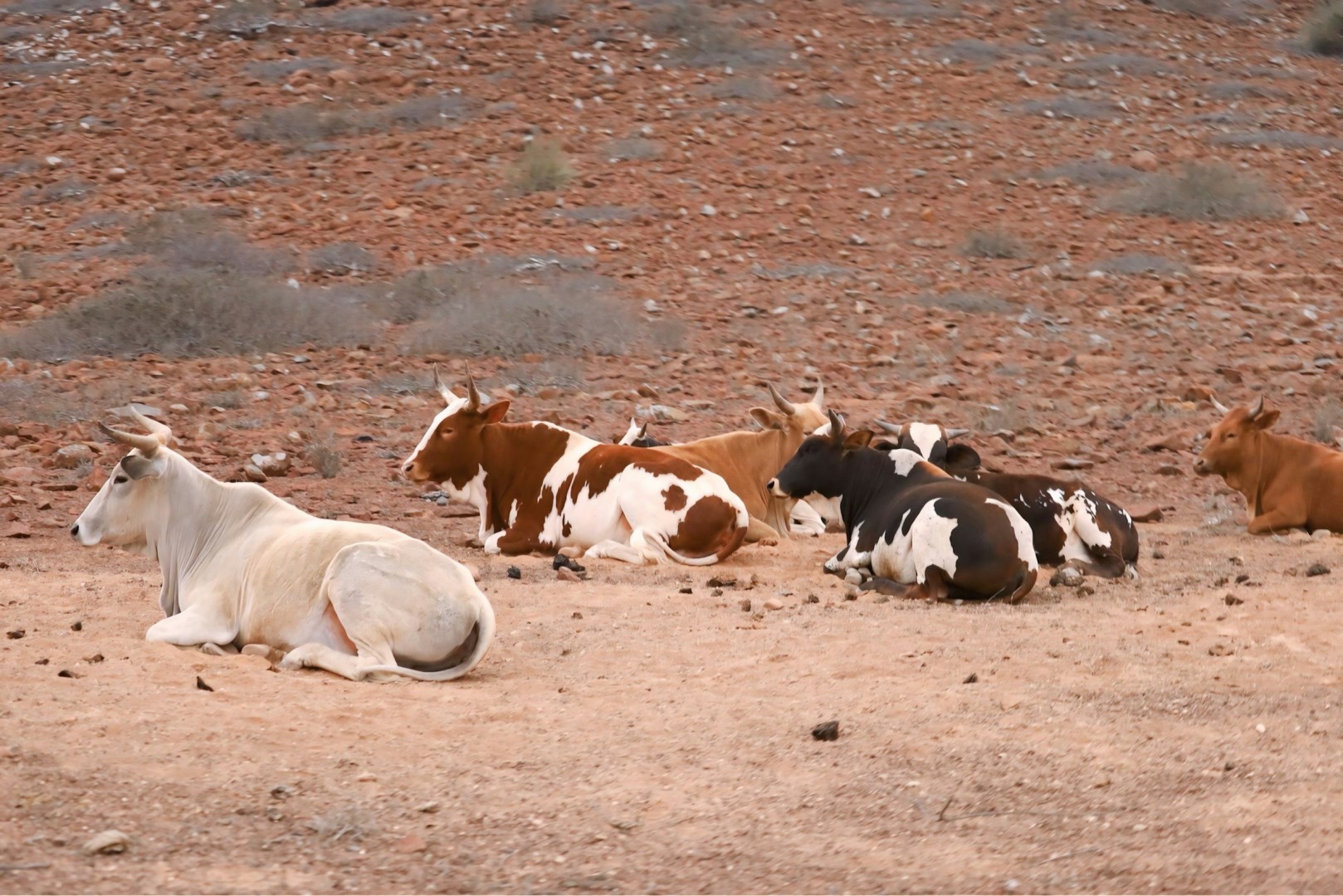
Formerly Mocamedes, this port in southwest Angola has become an important industrial center since a rail line was built in 1905 connecting it with the interior of Angola. In 1967 when iron ore was discovered in Dongo, an additional line was laid and the port was enlarged.

Belém
Belém do Pará sits at the edge of the Amazon, where river and bay meet in a landscape with activity and color. The Ver-o-Peso Market spreads along Guajará Bay, welcoming early morning boats laden with fresh fish, herbs, fruits, and Amazonian goods. Recognized by UNESCO as a Creative City of Gastronomy, the local cuisine marries Indigenous, Portuguese, and African traditions to create dishes found nowhere else.
Vicksburg
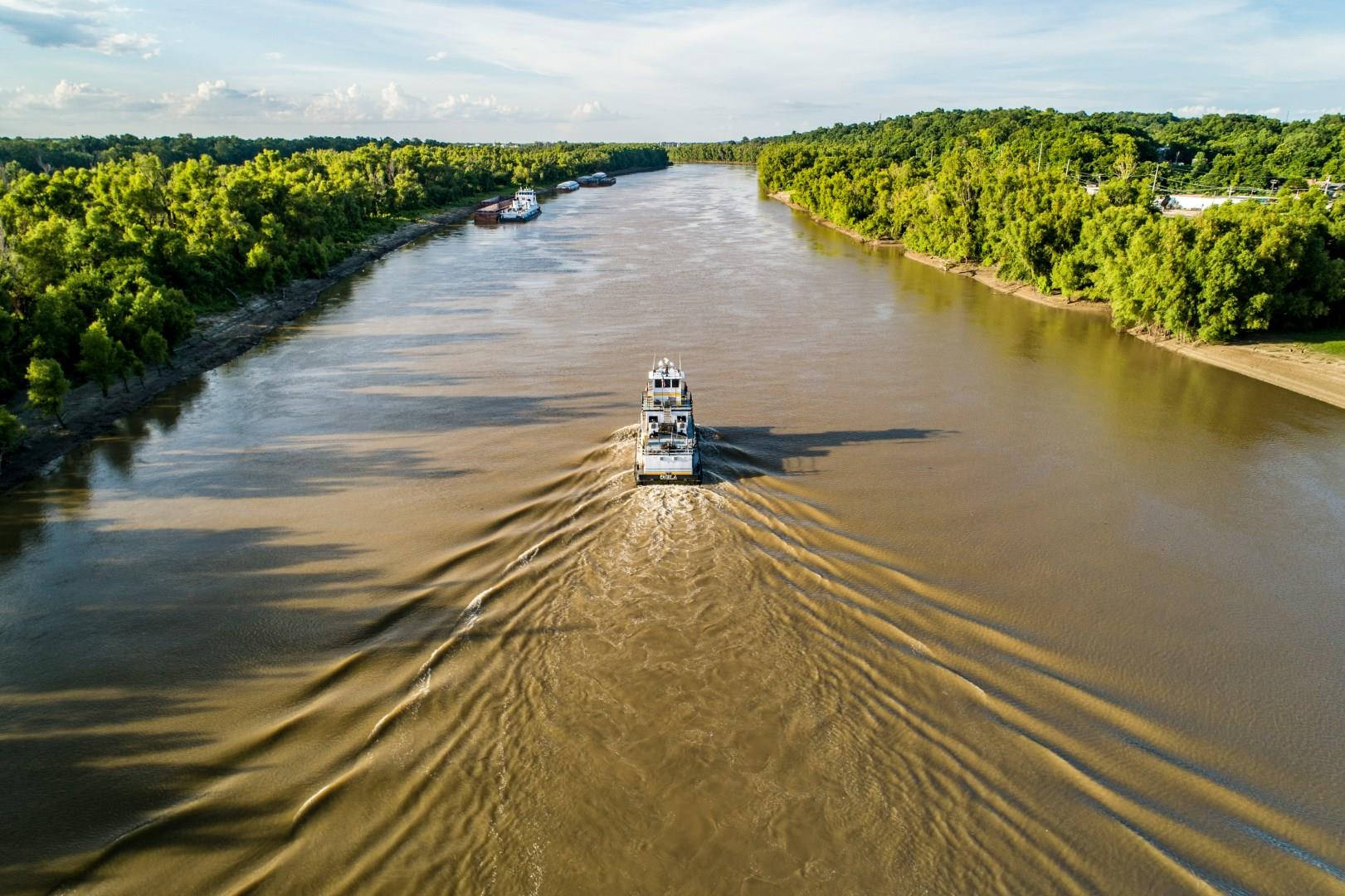
Vicksburg rises above the Mississippi River with stories etched into every street. This historic river town played a pivotal role in the Civil War, and today visitors can trace those events at the Vicksburg National Military Park. Beyond its military legacy, Vicksburg has a rich cultural rhythm shaped by its music, architecture, and river trade.
Gainesville
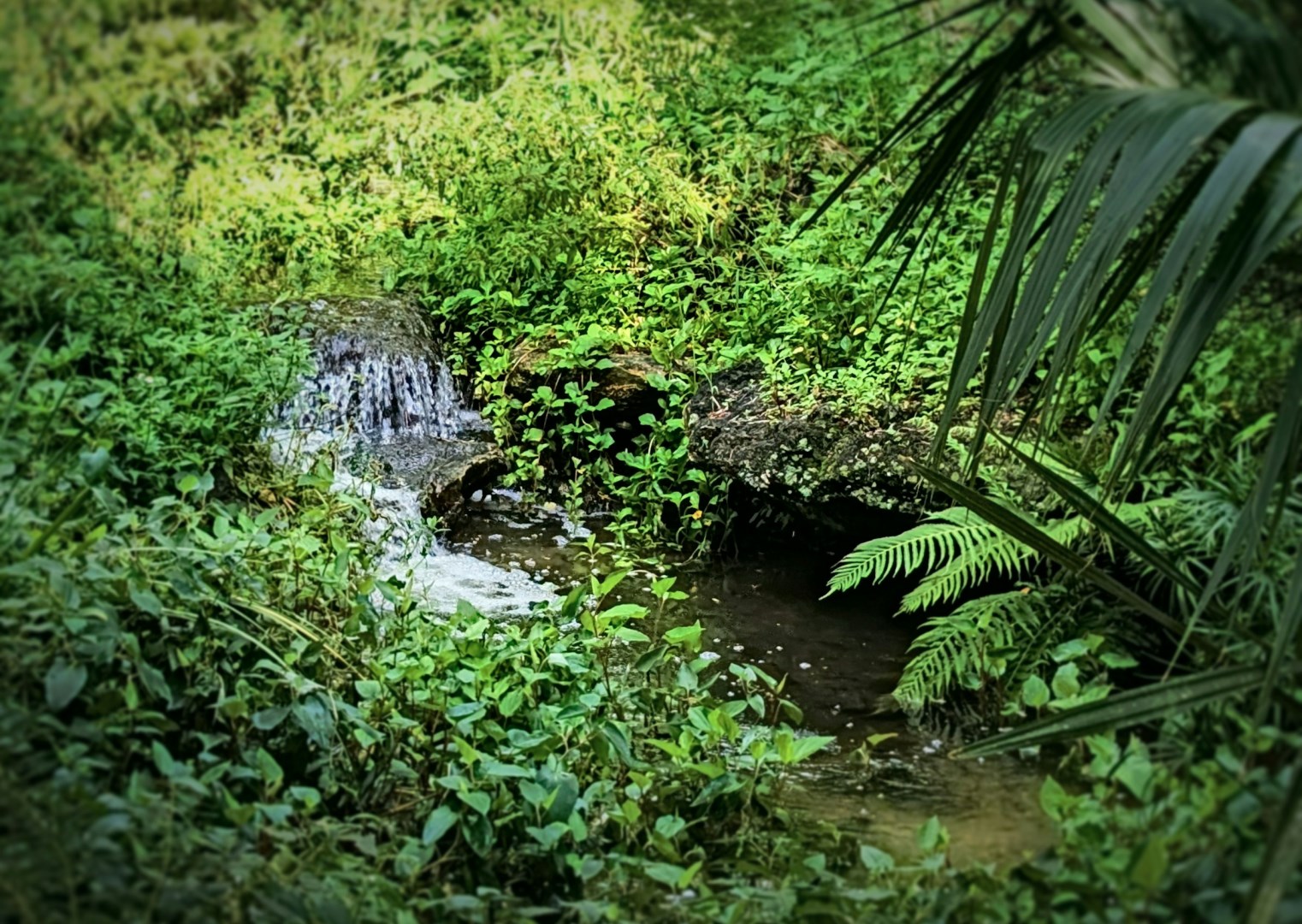
Gainesville is a north-central Florida city known for its university community, natural areas, and strong connection to education and research. The city is home to the University of Florida, whose campus is a major part of local life and culture. Gainesville is surrounded by rolling terrain, freshwater springs, forests, and wetlands, giving it a landscape that differs from Florida’s coastal cities.
