

Luang Prabang
Luang Prabang, the jewel of northern Laos, captivates travelers with its blend of serene spirituality, French colonial charm, and breathtaking natural beauty. This UNESCO World Heritage Site is nestled between the Mekong and Nam Khan rivers, creating a tranquil setting where time seems to slow down. Here, ancient temples with glistening spires, like Wat Xieng Thong, sit alongside quaint colonial-era villas, inviting visitors to explore the harmonious fusion of Lao and French cultures.

Dawson City
Located in the western part of the Yukon Territory Province of Canada, this area is on the Yukon River and famous as the gold mining area of the great Gold Rush. It is still an active mining area and also a popular tourist attraction as it has retained much of the look from the gold rush era.
Lukla
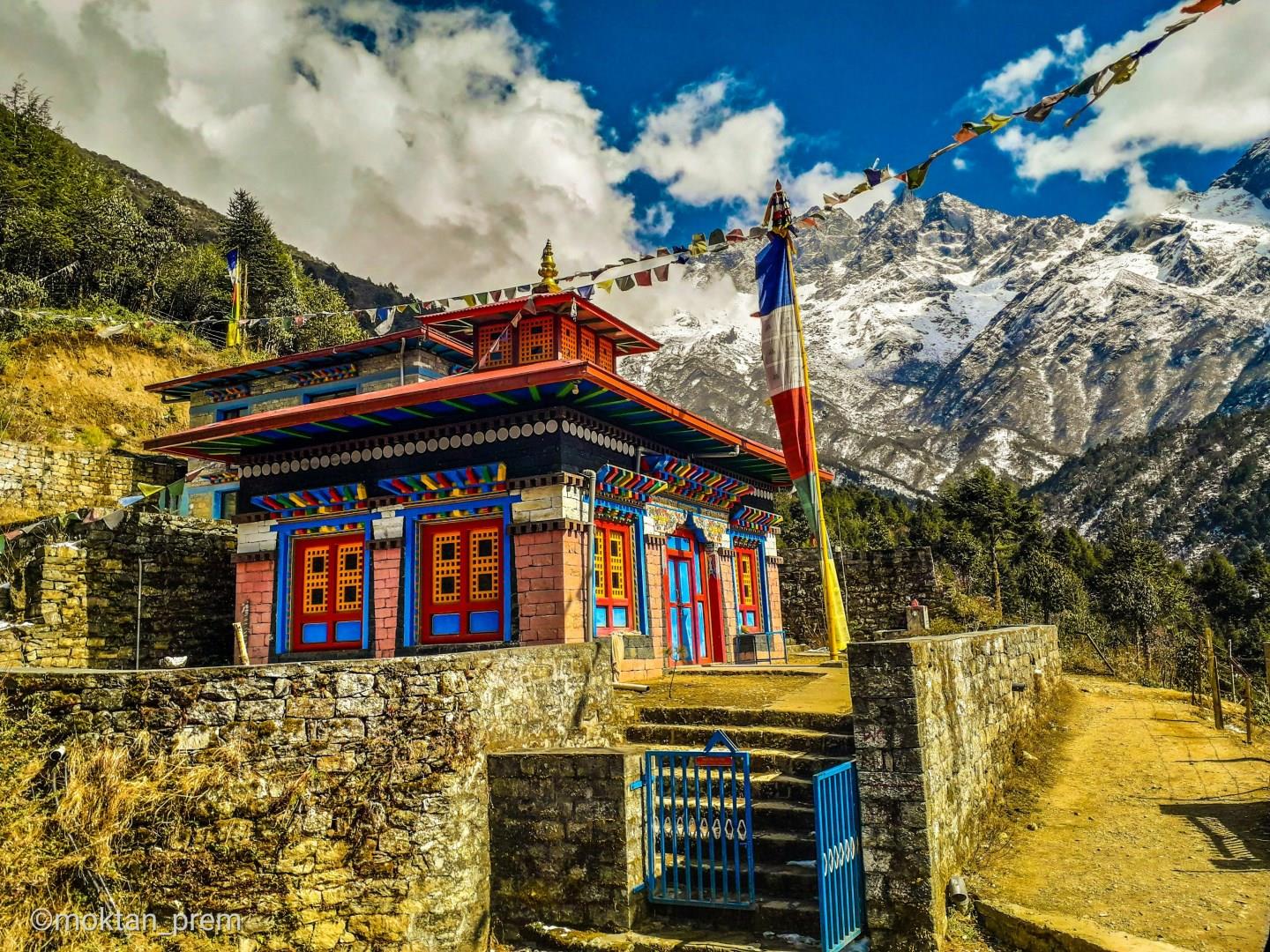
Lukla, a mountain town perched at 2,860 meters in eastern Nepal, is best known as the gateway to the Everest region. The town is home to Tenzing-Hillary Airport, one of the world’s most thrilling landing strips, named after the legendary climbers who first reached Everest’s summit in 1953. The short, sloped runway hugs the mountain, offering a once-in-a-lifetime arrival that travelers remember long after their journey ends.
Waterberg Plateau National Park
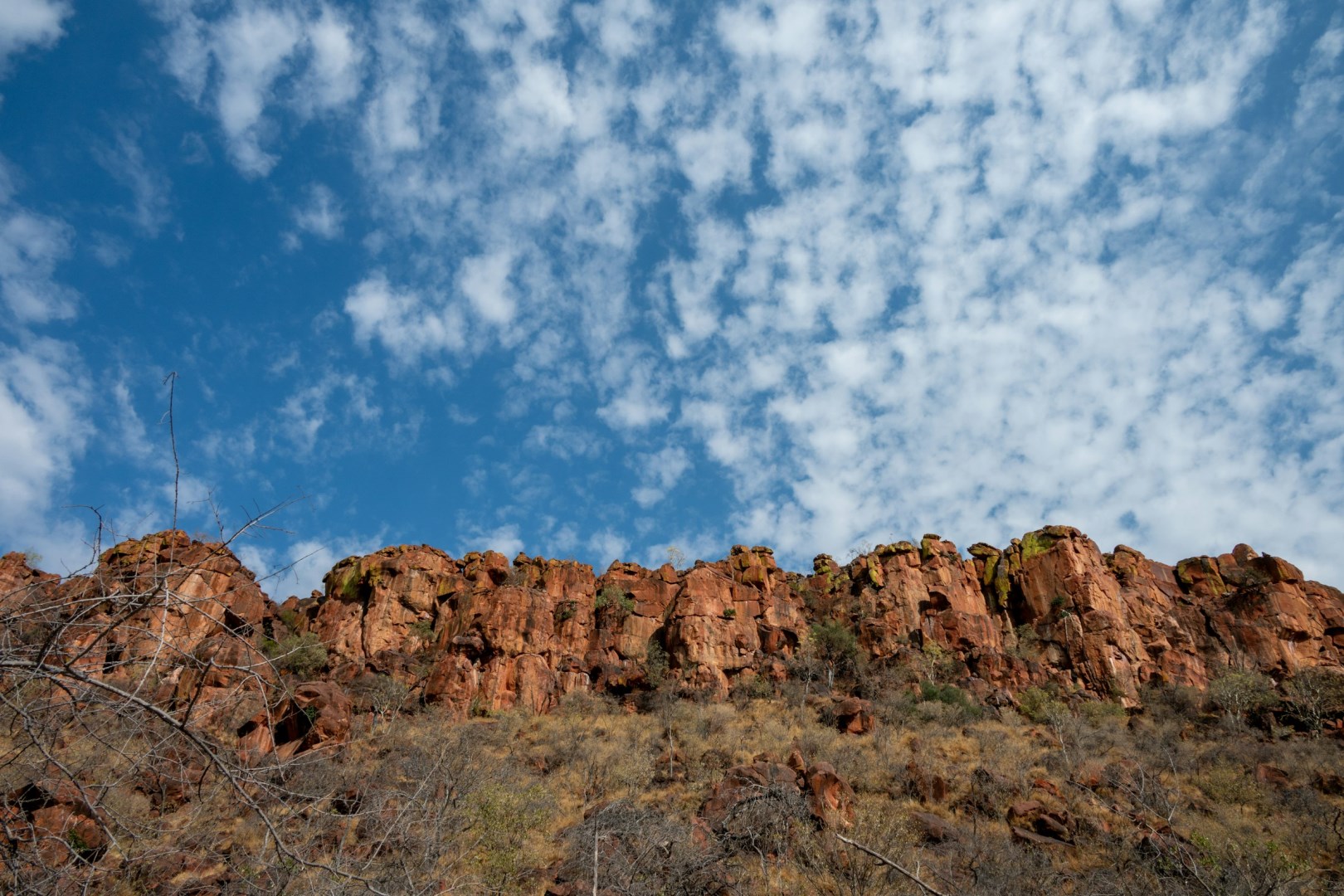
Waterberg Plateau National Park is a protected area in central Namibia, known for its long sandstone plateau rising above surrounding savanna and thornbush. The porous sandstone supports permanent springs at the base of the plateau, creating greener habitats than those found across much of the surrounding region.
Andong-si
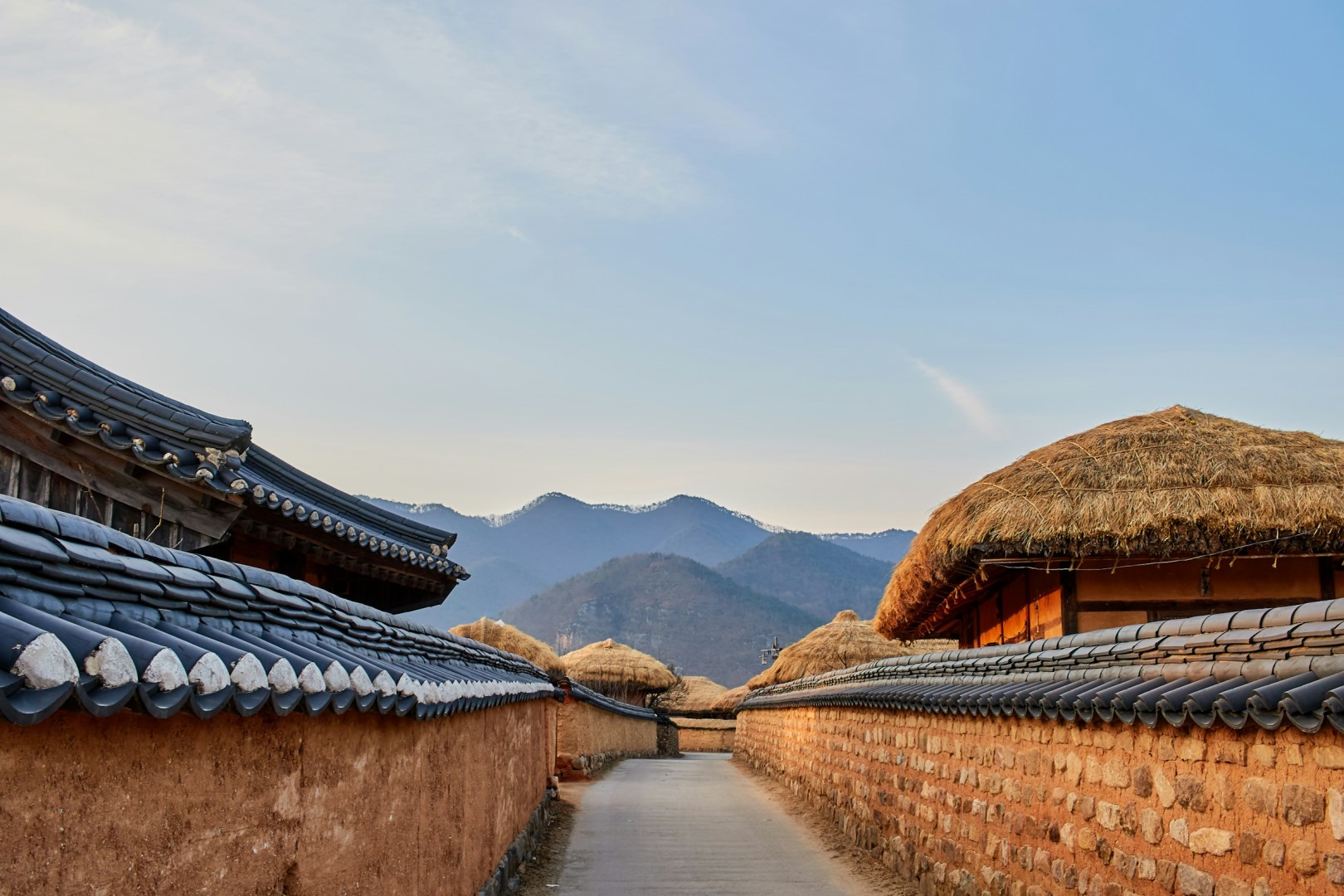
Andong-si is a city in North Gyeongsang Province known for its preserved traditions, Confucian heritage, and historic villages. The Nakdong River passes through the city, while surrounding hills and wooded areas shape its landscape. Andong is closely associated with Hahoe Folk Village, traditional mask dance, and Korean scholarly culture.
